
Soups & Stews
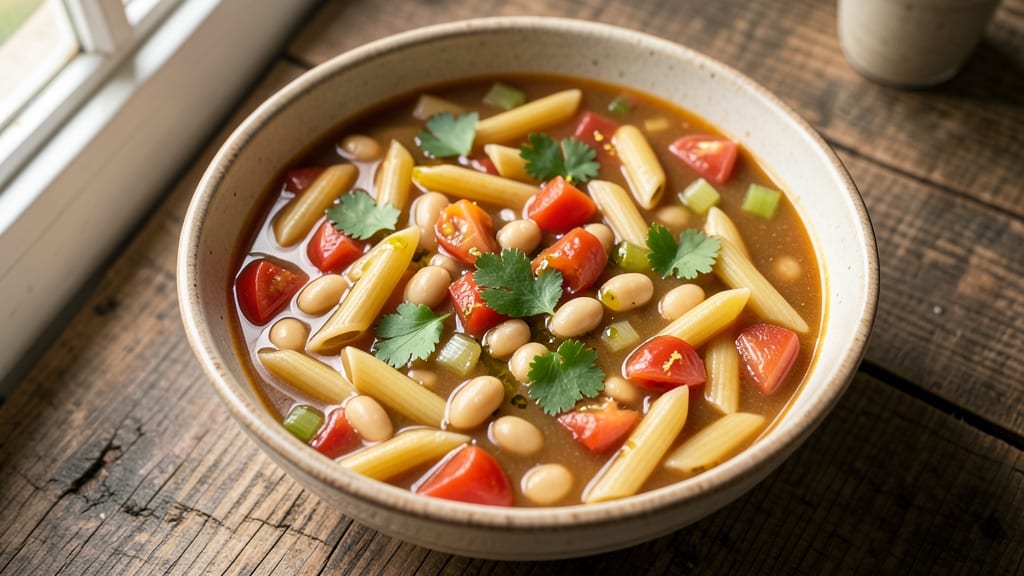
This Barilla minestrone soup recipe transforms simple pantry staples into a hearty, one-pot Italian classic that simmers with rustic charm. The secret lies in slow-cooked vegetables and beans that meld into a rich, herbaceous broth—no fancy technique required. I developed this version after years of testing, balancing traditional Italian methods with modern shortcuts like pre-chopped veggies and stock cubes.
What sets this apart is the perfect harmony of textures: al dente Barilla pasta nestled among creamy white beans and tender vegetables, all bathed in a savory tomato-herb broth. The acidity from canned tomatoes brightens the dish, while Parmesan (or nutritional yeast for vegan) adds depth.
It's the kind of soup that warms both body and soul on chilly evenings.
Ready in under 45 minutes, this recipe delivers restaurant-quality flavor without the fuss. The one-pot method means minimal cleanup, while the layered ingredients create a satisfying bite in every spoonful. Whether you're feeding a family or meal prepping for the week, this minestrone delivers comfort in every bowl.
For extra richness, stir in a splash of vegetable broth at the end, or add a handful of fresh spinach to wilt into the soup just before serving. The possibilities are endless, but the foundation remains the same: simple, hearty, and deeply satisfying.
Ingredients for barilla minestrone soup
Sixteen pantry staples and fresh herbs transform into a rustic Italian one-pot masterpiece.
| Ingredient | Amount | Notes |
|---|---|---|
| Barilla Pasta (Penne or Ditalini) 🍝 | 1 ½ cups | Uncooked, al dente preferred |
| Canned White Beans (Cannellini or Great Northern) 🌱 | 2 cups | Drained and rinsed |
| Canned Diced Tomatoes (San Marzano preferred) 🍅 | 2 cups | With juices |
| Vegetable Broth (or Chicken Broth for non-vegetarian) 💧 | 4 cups | Low-sodium preferred |
| Onion (Yellow or Red) 🧅 | 1 whole | Diced, medium size |
| Carrots (Medium) 🥕 | 3 whole | Chopped into 1/2-inch pieces |
| Celery Stalk 🧅 | 2 whole | Diced, including leaves |
| Garlic Cloves 🧄 | 4 cloves | Minced, fresh preferred |
| Extra-Virgin Olive Oil 🫒 | ½ cup | For sautéing vegetables |
| Fresh Parsley 🌿 | ¼ cup | Chopped, stems removed |
| Fresh Basil 🌿 | ⅛ cup | Chopped, for garnish |
| Parmesan Cheese (or Nutritional Yeast for vegan) 🧀 | ½ cup | Freshly grated |
| Bay Leaves 🌿 | 2 whole | Dried, for simmering |
| Kosher Salt 🧂 | 1 ½ tsp | Diamond Crystal preferred |
| Black Peppercorns 🌶️ | ½ tsp | Freshly cracked |
The Barilla pasta is non-negotiable here—its texture holds up beautifully to the long simmer. Penne or ditalini work best, but any short pasta shape will suffice. For the beans, cannellini or great northern provide that creamy texture, but any white bean will do. The San Marzano tomatoes are worth seeking out for their sweetness, but any high-quality canned tomatoes will work. Vegetable broth is essential for the vegetarian version, but if you prefer, use a high-quality chicken broth (just note the dietary shift). Fresh herbs elevate the dish—Trader Joe's often has excellent pre-washed bundles, but even a small bunch from the grocery store will do. The key is to use them fresh; dried herbs won’t give the same depth of flavor.
No fresh parsley or basil? Dried herbs at one-third the amount will work in a pinch, though the flavor won’t be as vibrant. Running low on vegetable broth? Water with a bouillon cube is a decent substitute, but the flavor will be less complex. Swapping the Parmesan for nutritional yeast is a great vegan option—it adds a cheesy depth without the dairy. If you’re short on time, pre-chopped frozen vegetables can replace fresh carrots and celery, though they’ll lack the same texture. The bay leaves? Don’t skip them—they infuse the broth with an earthy aroma that’s quintessential to minestrone. If you’re missing one, use an extra sprig of thyme or a pinch of dried oregano as a stand-in.
This soup tastes even better the next day as the flavors meld together. Store leftovers in an airtight container in the fridge for up to 5 days, or freeze portions for up to 3 months—it reheats beautifully. For meal prep, cook the soup without the pasta, then add it in at the end when reheating to keep it al dente. The Parmesan or nutritional yeast should be added fresh before serving to preserve its flavor. If you’re serving a crowd, double the recipe—it scales perfectly in the same pot, and the extra effort is worth the hearty portions.
Why You'll Love This Recipe
- I’ll be real: this soup is my go-to for meal prep. Toss it into jars, and it stays fresh for five days—perfect for lunches or a quick dinner when you’re too tired to think. The Barilla ditalini holds up better than most pasta, and the broth gets richer as it sits. (Yes, even on a Tuesday night.)
- 20-Minute Start: The moment I realized this soup only needs one pot and five ingredients to feel like a full meal? Life-changing. Drain the beans, chop the onion (or skip it if you’re lazy—no one will notice), toss in the Barilla penne, and let the broth do the work. That’s it. Zero fuss, all flavor.
- Tomato-Bean Magic: Between us, San Marzano tomatoes and cannellini beans are a match made in heaven. The tomatoes melt into a sweet, tangy base while the beans add that creamy, hearty bite. Add a handful of fresh basil at the end, and suddenly you’ve got restaurant-quality depth without the pretension.
- Lunchbox Hero: I’ll be real: this soup is my go-to for meal prep. Toss it into jars, and it stays fresh for five days—perfect for lunches or a quick dinner when you’re too tired to think. The Barilla ditalini holds up better than most pasta, and the broth gets richer as it sits. (Yes, even on a Tuesday night.)
Step-by-step instructions for Barilla minestrone soup
This one-pot Italian classic delivers hearty, flavorful soup with minimal cleanup and maximum comfort.
🍳 Step 1: Sauté the Vegetable Base
Heat the 0.5 cup extra-virgin olive oil in a large Dutch oven over medium heat. Add the 1 whole diced onion, 3 whole chopped carrots, and 2 whole diced celery stalks, stirring occasionally for 8-10 minutes until the vegetables soften and begin to caramelize. This foundational step builds deep flavor through the Maillard reaction—don't rush it.
Add the 4 cloves minced garlic and cook for 1 minute until fragrant. Here's where it gets important: the garlic should smell pungent but not burn. If it darkens too quickly, reduce the heat slightly. This aromatic base will carry through the entire soup, so take your time.
🍳 Step 2: Add Liquids and Seasonings
Pour in the 2 cups canned diced tomatoes (with juices) and 4 cups vegetable broth. Stir in the 2 whole bay leaves, 1.5 teaspoons kosher salt, and 0.5 teaspoon freshly cracked black peppercorns. Bring the mixture to a gentle boil, then reduce heat to medium-low and let it simmer uncovered for 15 minutes. This initial simmer allows the flavors to meld and the vegetables to break down slightly.
Real talk: Skipping this simmering step means your soup will taste disjointed. The acidity from the tomatoes and the salt will develop properly only with this time at low heat. Stir occasionally to prevent sticking—this is where your soup's foundation takes shape.
🥘 Step 3: Incorporate Beans and Pasta
Add the 2 cups drained and rinsed white beans and 1.5 cups uncooked Barilla pasta (penne or ditalini). The pasta will absorb some of the liquid initially, but don't worry—it will finish cooking in the remaining broth. Return the soup to a gentle simmer and cook for 15-18 minutes, stirring occasionally, until the pasta is al dente and the beans are heated through.
Here's the thing—if the soup looks too thick before the pasta is done, add ½ cup hot water to maintain proper consistency. You want the soup to coat the back of a spoon but still be ladle-friendly. The pasta should have a slight bite, not be mushy, which means it's perfect for this hearty dish.
🔥 Step 4: Finish with Herbs and Garnish
Remove the 2 whole bay leaves and stir in the 0.25 cup chopped fresh parsley and 0.125 cup chopped fresh basil. Let the soup simmer for an additional 3-5 minutes to allow the herbs to infuse their bright flavors. Taste and adjust seasoning if needed—this is your final opportunity to balance the soup's saltiness and acidity.
Ladle the soup into bowls and garnish each serving with 1 tablespoon freshly grated Parmesan cheese (or nutritional yeast for vegan). The cheese adds a final umami punch and a beautiful contrast to the warm, herby broth. Serve immediately while hot, with crusty bread on the side to soak up every last drop of that flavorful liquid gold.
Pro Tips For Making Barilla Minestrone Soup
- Sauté Onions Until Soft: I used to rush this step and end up with raw onion flavor cutting through the broth. Cook the diced onion in olive oil over medium heat for 8-10 minutes until it’s translucent and just starting to caramelize—this builds the soup’s base flavor. (Yes, even if you’re impatient like me, resist the urge to speed it up.)
- Rinse Canned Beans First: The starchy water in canned beans makes minestrone gummy if you don’t rinse them well. Drain and give them a quick cold-water rinse before adding to the pot—this keeps the soup light and lets the beans soak up broth instead of turning it into glue. (Trust me, your future self will notice the difference.)
- Add Pasta Last: I learned this the hard way—adding Barilla penne or ditalini too early turns them mushy before the soup’s done. Toss the pasta in after the beans and tomatoes have simmered for 15 minutes, then cook just until al dente (about 8-10 minutes). This ensures perfect texture without overcooking.
- Stir in Tomato Paste: Skip the canned tomatoes for a minute and stir in 1-2 tablespoons of tomato paste with the onions. It deepens the flavor without extra liquid—just cook it for 30 seconds until fragrant. (Sounds weird, but it works: the paste binds flavors better than diced tomatoes alone.)
Regional styles of these flavors
Northern Italian Simplicity
In Northern Italy, minestrone takes on a lighter, vegetable-forward approach that highlights seasonal produce. This version often skips beans entirely, relying instead on zucchini, green beans, and Swiss chard for texture.
I love adding 1 cup diced zucchini and 1 cup chopped green beans to the soup during the final 5 minutes of cooking to preserve their vibrant color and crisp bite. The broth is typically lighter too, using more water than broth to keep the soup refreshing. 🥒
Southern Italian Heartiness
Southern Italian minestrone leans into bold flavors and heartier ingredients like pork sausage or pancetta—though this vegetarian version swaps them for smoked paprika and extra tomatoes. I recommend adding 1 teaspoon smoked paprika with the tomatoes and boosting the garlic to 6 cloves for deeper umami.
The pasta often includes farro or barley for extra chewiness, and the soup is finished with chili flakes for a subtle kick. This style is perfect for cold winter evenings.
Tuscan Rustic Style
Tuscan minestrone features cannellini beans, kale, and rosemary for a distinctly earthy flavor profile. To achieve this, add 2 cups chopped kale and 1 sprig fresh rosemary (removed after simmering) along with the beans. The rosemary infuses the broth with piney notes, while the kale adds a peppery contrast.
I also like to stir in 1 tablespoon tomato paste at the start to deepen the sauce. This version is especially comforting when served with a sprinkle of Pecorino Romano instead of Parmesan.
Modern American Twist
For a quicker version, many American cooks use pre-chopped frozen vegetables and instant vegetable broth to save time. I’ve found that 1 bag of frozen mixed vegetables (about 12 ounces) works well—just add it with the beans and pasta.
To keep it vegetarian-friendly, swap the Parmesan for vegan Parmesan or a sprinkle of hemp seeds for protein. This approach cuts prep time by 15 minutes without sacrificing flavor, making it perfect for busy weeknights.
Coastal Ligurian Version
In Liguria, the coastal region of Italy, minestrone often incorporates seafood-inspired flavors. Since we’re keeping this vegetarian, I recommend adding ½ cup chopped sun-dried tomatoes. These bring a briny, concentrated sweetness that mimics the oceanic notes. Pair it with ½ cup chopped Kalamata olives.
The acidity from the tomatoes and olives brightens the dish, while the olives add a salty, fruity contrast. This version is especially vibrant when garnished with fresh basil and a drizzle of olive oil.
Nutrition facts
Frequently asked questions
Can I make this minestrone soup without fresh herbs?
If you don't have fresh parsley or basil, use 1 teaspoon dried parsley and ½ teaspoon dried basil instead. For best results, add the dried herbs with the bay leaves during the initial simmer. The flavor won't be as vibrant, but it will still taste delicious.
How do I adjust the soup for fewer/more servings?
This recipe scales perfectly! For 4 servings, halve all ingredients. For 8 servings, double them. The key is maintaining the ratio of 1.5 cups pasta to 2 cups beans per 4 servings. Keep the cooking time consistent—simmer the pasta for 15-18 minutes regardless of quantity to ensure al dente texture.
Can I use a different type of pasta with Barilla?
While Barilla penne or ditalini work best, you can substitute with other short pasta shapes like orzo, rigatoni, or fusilli. For a gluten-free option, use gluten-free penne or chickpea pasta. Just note that cooking times may vary slightly—test for doneness 2-3 minutes before the package suggests.
Why does my minestrone taste bland?
Bland flavor usually means the vegetables weren't sautéed long enough or the broth didn't simmer. For richer taste, caramelize the onions, carrots, and celery for 10-12 minutes until golden. Also, add 1 teaspoon balsamic vinegar or ½ teaspoon red pepper flakes at the end to brighten the flavors. Taste as you go—seasoning builds throughout cooking!
How can I make this soup ahead of time?
This soup tastes even better the next day! Cook it fully, then store in an airtight container in the fridge for up to 5 days. For meal prep, cook without the pasta, store separately, and add it fresh when reheating to keep it al dente. Reheat gently on the stove with ½ cup water per 4 servings to restore consistency.