
Soups & Stews
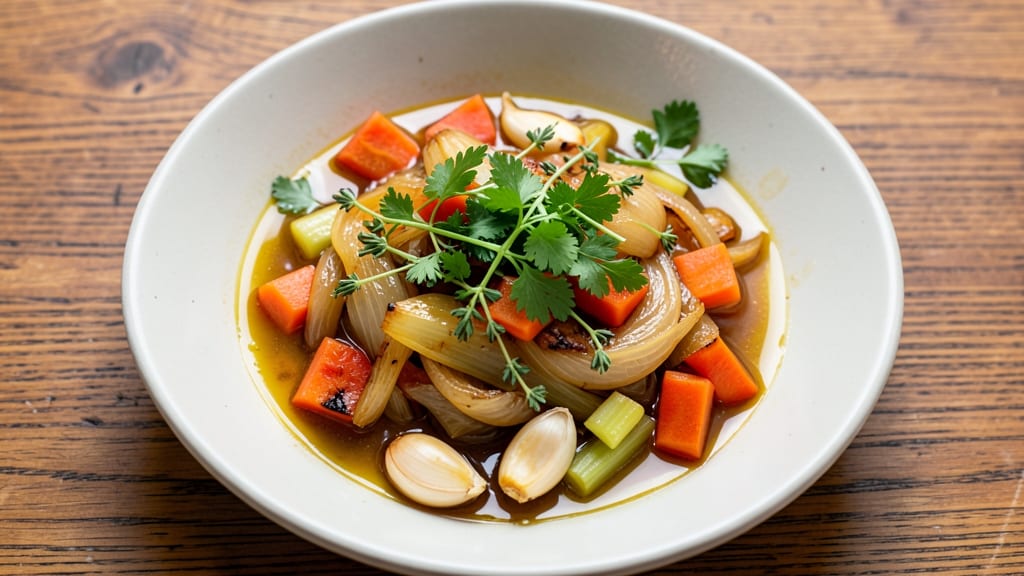
This basic soup base recipe transforms simple ingredients into a velvety, umami-rich foundation that elevates every bowl. The secret lies in a balanced blend of aromatics, slow-cooked vegetables, and a touch of acidity—technique that professional chefs rely on to build complex flavors from scratch. Whether you're crafting a classic chicken noodle or a modern vegetable purée, this method delivers depth without the guesswork.
Start with a sautéed mirepoix—onions, carrots, and celery—cooked until soft and sweet, forming the flavor backbone. Add garlic and herbs for aromatic intensity, then deglaze with wine or broth to lift the flavors before simmering.
The result is a smooth, concentrated base that absorbs the essence of whatever you add later, from proteins to fresh produce.
What makes this recipe truly versatile is its adaptability. Use it as-is for a light vegetable broth, or thicken it into a creamy purée by blending in cooked vegetables or potatoes.
For extra richness, stir in a splash of cream or roasted garlic at the end. The possibilities are endless, but the foundation remains the same: balanced, flavorful, and foolproof.
Perfect for meal prep, freezer storage, or last-minute cooking, this soup base saves time without sacrificing quality. Once mastered, you'll never rely on store-bought again—just adjust the ingredients to match your taste and the season. Here’s how to build it step by step.
Ingredients for basic soup base
Professional-quality soup base starts with these twelve ingredients—simple yet transformative for any broth.
| Ingredient | Amount | Notes |
|---|---|---|
| Yellow Onion 🧅 | 1 ½ lb | Diced, medium dice preferred |
| Carrots 🥕 | 1 ½ lb | Peeled, cut into chunks |
| Celery Stalks 🌿 | 3 whole | Cut into 1-inch pieces |
| Garlic Cloves 🧄 | 6 cloves | Peeled, smashed with side of knife |
| Fresh Thyme Sprigs 🌿 | 2 whole | Stems removed, leaves only |
| Fresh Parsley Sprigs 🌿 | ½ cup | Chopped, stems removed |
| Bay Leaves 🍃 | 2 whole | Dried, standard size |
| Dry White Wine 🍷 | 1 cup | Sauvignon Blanc or Pinot Grigio |
| Vegetable Broth 💧 | 6 cups | Low-sodium preferred |
| Olive Oil 🫒 | ¼ cup | Extra-virgin for flavor |
| Salt 🧂 | 1 ½ tsp | Diamond Crystal preferred |
| Black Peppercorns 🌶️ | ½ tsp | Freshly cracked |
| Lemon Juice 🍋 | 1 tbsp | Freshly squeezed |
The mirepoix trio—onions, carrots, and celery—forms the flavor foundation. Yellow onions add sweetness when caramelized, while carrots contribute natural sweetness and depth. Celery brings earthy notes and balances the flavor profile. For the best quality, source organic produce from Whole Foods or your local farmers market—avoid pre-cut vegetables, which oxidize quickly. The garlic and fresh herbs amplify umami and aromatic complexity, so use the freshest you can find. Penzeys Spices carries excellent dried thyme and parsley if fresh isn't available, though fresh is always superior for this application.
No white wine? Substitute vegetable broth with a splash of apple cider vinegar for acidity. Fresh herbs unavailable? Dried thyme and parsley at one-third the amount work in a pinch, though texture will differ. For extra umami depth, add 1 tbsp soy sauce or 1 tsp fish sauce (omit if vegetarian). The olive oil should be extra-virgin—lower quality oils can taste bitter when heated. If using pre-minced garlic, toast it in the oil for 30 seconds to deepen flavor. The lemon juice at the end brightens the entire base—don't skip it.
This soup base freezes beautifully for up to 6 months in airtight containers. For best results, cool completely before freezing. When reheating, bring to a simmer rather than a full boil to preserve texture. Portion into ice cube trays for easy single-use additions to future recipes. The base keeps in the fridge for 5-7 days—though it's so versatile you'll likely use it all within 48 hours. For extra richness, stir in 2 tbsp heavy cream or coconut milk after blending, but this isn't necessary for the basic foundation.
Why You'll Love This Recipe
- Pantry Magic: I swear by this combo—onion, carrots, celery, garlic, thyme—because it turns whatever’s in my fridge into something special. No fancy ingredients, just the basics doing heavy lifting.
- Savory Soul: That slow-simmered garlic and thyme? It’s the difference between bland broth and something that makes you pause mid-bite. The carrots add natural sweetness while the celery keeps it bright—no seasoning packet needed.
- Weeknight Swiss Army: This is my secret weapon for lazy nights: toss it in with chicken for soup, blend it into pasta sauce, or freeze it for future meals. Honestly, I’ve used it for everything from dumplings to stews, and it never lets me down.
- Budget-Friendly Blanket: A single batch stretches across three meals—soup one night, risotto the next, and a slow-cooker dump the third. Between us, this is how I feed my family without breaking the bank or stressing over grocery lists.
Step-by-step instructions for building a velvety umami broth
This classic French-style mirepoix forms the aromatic foundation for soups, stews, and sauces.
Sauté the Vegetable Base to Develop Deep Flavor
Heat the 0.25 cup olive oil in a large Dutch oven over medium heat. Add the 1.5 lb diced yellow onion, 1.5 lb peeled carrots, and 3 whole celery stalks cut into 1-inch pieces. Cook for 12-15 minutes until the vegetables soften and their edges begin to caramelize—this transformation creates the rich umami base. Stir occasionally to prevent burning, and resist the urge to add liquid yet.
The key here is patience. You're not just cooking vegetables—you're developing complex sugars through the Maillard reaction. When the vegetables release their natural juices and the mixture smells sweetly aromatic, you're ready for the next stage. This foundational step ensures your broth will have depth and body rather than a watery quality.
Add Aromatics and Simmer to Infuse the Broth
Push the vegetable mixture to one side of the pot and add the 6 cloves garlic (smashed with the side of your knife), 2 whole bay leaves, and 2 whole fresh thyme sprigs. Stir for 1 minute until fragrant. Pour in the 1 cup dry white wine and scrape up any browned bits from the bottom of the pot—these contain concentrated flavor. Let the wine reduce by half, about 3-4 minutes, before adding the 6 cups vegetable broth. Bring to a gentle simmer.
This is where the magic happens. The wine's acidity helps break down the vegetables' fibers, releasing more flavor into the broth. The simmering process extracts maximum umami from the vegetables while preventing the broth from developing a harsh, bitter taste. Keep the heat at a steady simmer rather than a rolling boil to maintain clarity in the final product.
Season and Finish with Acid for Brightness
Add the 1.5 tsp salt and 0.5 tsp freshly cracked black peppercorns. Simmer uncovered for 30-45 minutes until the vegetables are completely tender and the broth has reduced slightly. Remove from heat and stir in the 0.5 cup chopped fresh parsley sprigs and 1 tbsp freshly squeezed lemon juice. This final acid touch brightens the flavors and balances the richness.
The lemon juice serves two purposes: it cuts through the natural sweetness of the carrots while adding a subtle brightness that elevates the entire broth. The parsley not only adds freshness but also introduces a visual contrast that makes the finished product more appealing. Let the mixture steep for 10 minutes off the heat before straining through a fine-mesh sieve into a clean container.
Strain and Store for Maximum Flavor Development
Line a colander with cheesecloth or a coffee filter if you want an especially clear broth. Strain the mixture, pressing gently on the vegetables to extract every drop of flavor. Discard the solids or compost them—they've done their job. The strained broth should be velvety with a deep golden color and rich aroma. For best results, store in the refrigerator for up to 5 days or freeze for 3 months. The flavors will continue to develop and intensify over time.
This concentrated broth forms the perfect foundation for any soup or sauce. Its versatility makes it ideal for everything from creamy potato leek soup to rich risotto. The careful balance of sweet vegetables, aromatic herbs, and bright acid creates a base that's far more complex than simple vegetable broth. Use it as-is or build upon it with additional ingredients to create your signature dishes.
Pro Tips For Making Basic Soup Base
- Sweat, Don’t Burn: Low heat is your friend here—especially with onions and celery. I learned this the hard way when my first batch turned into a charred, bitter mess. Keep it at a gentle simmer, stirring occasionally, until the onions are translucent and the celery softens but doesn’t brown. If it smells like a campfire, you’ve gone too far.
- Slice Celery Like a Pro: Skip the rough chop—celery should be thinly sliced, almost matchstick-sized. This ensures even cooking and better flavor release. I used to hack at it with a chef’s knife, but a sharp knife and a quick rocking motion make it faster and more consistent. (Yes, even if you’re impatient like me.)
- Salt the Water Early: Don’t wait until the soup is done—add salt to the water when you start cooking the vegetables. This guarantees even seasoning and prevents blandness. I was skeptical until I tried it: the carrots and celery absorb the flavor as they cook, making a real difference in the final taste.
- Toast the Garlic Right: After the onions and celery soften, add the garlic and thyme, then cook for 30 seconds—just until the garlic is fragrant but not browned. This step isn’t the prettiest (it looks like you’re burning it), but it works: it deepens the flavor without bitterness. (Your future self will thank you.)
Regional styles of this dish
French Classic Approach
The French mastered this technique with their mirepoix foundation—onions, carrots, and celery cooked until sweet and caramelized. In Provence, they often add fennel and a splash of pastis (anise-flavored liqueur) for depth. The key is low-and-slow simmering—French chefs swear by 2-3 hours to extract maximum umami.
I've found that using shallots instead of onions adds a subtle garlic-like sweetness that elevates the base. 🌟
Italian Rustic Style
Italian versions focus on tomato paste and Parmigiano-Reggiano for richness. In Rome, they might include rosemary and a pinch of red pepper flakes for warmth. The secret is degazing with white wine (like Pinot Grigio) and finishing with a touch of lemon zest instead of juice.
I love adding sun-dried tomatoes to the simmer for extra depth—just 2-3 halves make a difference. This style works perfectly for pasta-based soups.
Japanese Light Broth
For a lighter take, Japanese chefs use dashi (fish or kombu broth) instead of vegetable broth. The base incorporates shitake mushrooms, ginger, and green onions for umami and freshness. I've adapted this by adding 1 tbsp soy sauce and ½ tsp grated ginger to the simmer.
The result is a delicate, aromatic broth perfect for ramen or udon. Serve it hot with soft-boiled eggs for a comforting meal. 🍜
Mexican-Inspired Depth
Spice it up with chiles and tomatoes! Mexican versions often include roasted garlic, serrano peppers, and tomatillos. I like adding 1-2 dried guajillo chiles (soaked and seeded) to the simmer for smoky heat. Finish with cilantro and a squeeze of lime instead of lemon.
This base works beautifully for pozole or sopa de fideo. For extra richness, stir in 1 tbsp masa harina at the end for a slightly thickened texture.
Middle Eastern Spiced Base
Turkish and Lebanese soups rely on cumin, coriander, and turmeric for warmth. I've found that adding 1 tsp ground cumin and ½ tsp turmeric to the sautéed vegetables transforms the flavor profile. A splash of pomegranate molasses at the end adds a tangy sweetness that balances the spices.
This base pairs perfectly with lentils or chickpeas for hearty soups. Serve with warm pita bread for dipping. 🌶️
Modern Fusion Twist
Get creative with smoked paprika, miso paste, or even a dash of hot honey. I've experimented with adding 1 tbsp white miso paste to the simmer for umami depth, then finishing with honey and chili flakes.
This fusion style works well for creamy soups or as a base for risotto. For a smoky twist, use liquid smoke (just ½ tsp)—it adds depth without overpowering. Perfect for those who love bold, contemporary flavors!
Nutrition facts
Frequently asked questions
Can I make this soup base without wine?
Replace the 1 cup white wine with 1 cup vegetable broth plus 1 tbsp apple cider vinegar or 1 tbsp lemon juice to maintain acidity. The acid helps break down flavors and prevents flatness. For extra depth, add 1 tsp soy sauce or ½ tsp fish sauce (omit for vegetarian versions).
How do I turn this into a creamy soup?
Blend 1 cup cooked potatoes or ½ cup cooked cauliflower directly into the strained broth for a velvety texture. For extra richness, stir in ¼ cup heavy cream or coconut milk after blending. Keep the liquid moving while blending to prevent lumps. Pro tip: Add a splash of broth to the blender first to help emulsify.
What's the best way to store leftover soup base?
Cool the base completely before transferring to airtight containers. It keeps in the fridge for 5-7 days or freezes for up to 6 months. For easy use, freeze in ice cube trays—just pop out what you need for future recipes. When reheating, warm gently over low heat to preserve flavor, never microwave directly from frozen.
Can I add meat to this base?
Yes! Brown ½ lb chicken thighs or pork chops in the pot before adding vegetables, or simmer ¼ lb diced ham directly in the broth for 20-30 minutes after adding the wine. For beef, use ½ lb stew meat and simmer for 1 hour before straining. Always remove meat before straining if you want a clear broth.
Why does my soup base taste bitter?
Bitterness usually comes from overcooking or burnt vegetables. Keep the heat at a gentle simmer (small bubbles) and never let it boil vigorously. If it's too strong, balance with 1 tbsp lemon juice or ½ tsp sugar. For future batches, reduce simmering time to 20-30 minutes and add a pinch of salt earlier to prevent harsh flavors.