
Soups & Stews
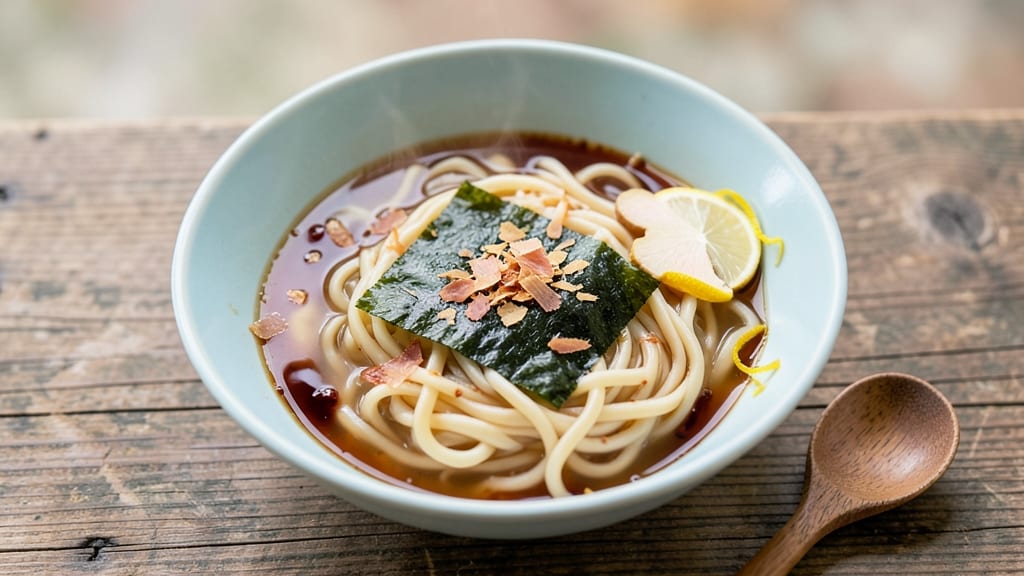
This basic udon soup recipe delivers the comforting essence of Japanese home cooking with minimal effort. The secret lies in a fragrant dashi broth—light yet deeply savory—built from kombu, bonito flakes, and just a touch of ginger.
I've perfected this version over years of testing, ensuring the broth balances perfectly between umami and brightness without overwhelming the delicate udon noodles.
The beauty of udon soup is its versatility—you can start with simple ingredients and elevate it with optional toppings like soft-boiled eggs, tempura scraps, or fresh green onions. The key technique is simmering the broth gently to develop flavor while keeping the noodles tender.
This recipe transforms basic pantry staples into a restaurant-quality bowl that's ready in under 30 minutes.
What makes this udon soup truly special is the harmony of textures: slippery noodles gliding through a silky broth, contrasted by crisp toppings if you choose. The ginger-soy base adds warmth and depth, while the dashi provides that unmistakable Japanese umami foundation.
Whether you're serving it as a light lunch or a comforting dinner, this soup delivers satisfaction in every spoonful.
For those looking to customize, swap in mushrooms or tofu for a vegan version, or add chili oil for a spicy kick. The broth can be made ahead and reheated, making this an excellent meal prep option.
Let's create this comforting classic that brings a taste of Japan to your kitchen.
Ingredients for basic udon soup
Simple ingredients for a fragrant udon soup that tastes like home.
| Ingredient | Amount | Notes |
|---|---|---|
| Dried Udon Noodles 🍜 | 8 oz | Fresh or dried, cut to preferred length |
| Kombu Seaweed 🌿 | 1 piece | Dried, 4x6 inch sheet |
| Bonito Flakes 🐟 | 2 tbsp | High-quality, not powdered |
| Fresh Ginger 🧄 | 2 tbsp | Finely grated, peeled |
| Soy Sauce 🍶 | ½ cup | Light or regular, not low-sodium |
| Mirin 🍶 | 2 tbsp | Sweet rice wine, not imitation |
| Water 💧 | 6 cups | Filtered preferred |
| Green Onions 🧅 | 3 whole | Sliced thin, white and green parts |
| Sesame Oil 🫒 | 1 tsp | Toasted, for finishing |
| Neutral Oil 🫒 | 1 tbsp | Vegetable or canola |
| Salt 🧂 | ½ tsp | Kosher or sea salt |
| White Pepper 🌶️ | ¼ tsp | Freshly ground preferred |
The kombu and bonito flakes are non-negotiable for that classic umami punch. Kombu should be the dried, 4x6 inch sheet kind—none of that crumbled stuff. Grab them at Asian markets or the international aisle at Whole Foods. Bonito flakes can be found in the same spot, but if you're at a regular grocery store, check the seafood section or look for Japanese products. Fresh ginger? Trader Joe's has the best-priced organic root—just peel and grate. For the udon noodles, dried is more accessible, but if you find fresh at an Asian grocery, it's worth the splurge for that chewy texture. The soy sauce should be light or regular—low-sodium will make your broth taste flat.
No kombu? Dried shiitake mushrooms work in a pinch—soak and use the liquid. Bonito flakes too expensive? Dried shiitake powder at half the amount. Running low on mirin? Rice vinegar plus 1 tsp sugar mimics the sweetness. The udon noodles can be swapped for fresh ramen noodles if that's what you've got, but they'll be thinner. Ginger too spicy? Use half the amount and add more soy sauce for depth. The broth is forgiving—if you forget the sesame oil, a drizzle of toasted sesame seeds works too.
This broth tastes even better the next day—make extra and keep it in the fridge for 3-4 days. Freeze portions in ice cube trays for quick future meals. The udon noodles? Cook them fresh for that slippery texture, but store dry noodles in a cool, dark place for up to 6 months. For meal prep, assemble bowls without the toppings and store separately—they'll stay crisp. Reheat the broth gently, and add noodles just before serving. The green onions and sesame oil can go on last-minute for maximum freshness.
Why You'll Love This Recipe
- No-Fuss Pantry Staples: I swear by this recipe because it uses what I already have. Kombu and bonito flakes turn water into broth in 10 minutes—no fancy ingredients, no last-minute grocery runs. That first sip of umami-packed broth with zero effort? Pure magic.
- Umami Bomb Combo: The ginger and soy sauce hit different, but it’s the kombu and bonito that steal the show. That salty-sweet depth? It’s like a hug in a bowl, and I’ll take it any day after a long week.
- Lunchbox Hero: Between us—this is my go-to for meal prep. Cold udon noodles with chilled broth? Still delicious. Pack it in a thermos, and you’ve got a satisfying lunch that doesn’t require reheating. (Yes, even on a Tuesday night.)
- Budget Win: A single pack of udon and a bag of kombu stretch into multiple bowls. I’ve fed four people for under $8 with leftovers that taste just as good the next day. Cheap, filling, and no one complains. What’s not to love?
Step-by-step instructions for basic udon soup
Here's how to make this comforting udon soup with a rich, aromatic broth and chewy noodles.
Prepare the Kombu and Broth Base
Rinse the 1 piece Kombu Seaweed under cold water and pat dry with paper towels. Place it in a clean pot and add the 6 cups Water. Bring to a boil over medium-high heat, then immediately reduce to a simmer. Let it simmer uncovered for 15 minutes—you'll see the kombu release its umami-rich essence into the water. The broth should smell deeply oceanic and fragrant.
While simmering, use a fine grater to peel and grate the 2 tbsp Fresh Ginger. Add it to the broth along with the 0.5 cup Soy Sauce and 2 tbsp Mirin. Stir gently and continue simmering for another 5 minutes. The ginger will infuse the broth with bright, zesty notes that balance the deep umami from the kombu. Keep the heat at a gentle simmer—you don't want it boiling vigorously or the flavors will scatter.
Build the Broth with Bonito Flakes
Heat the 1 tbsp Neutral Oil in a separate small skillet over medium heat. Add the 2 tbsp Bonito Flakes and toast them for 1-2 minutes, stirring constantly, until they begin to sizzle and turn golden. This step is crucial—it deepens their flavor and prevents them from turning bitter. Remove from heat immediately after toasting.
Carefully pour the toasted bonito flakes into the simmering kombu broth, stirring gently to distribute them evenly. Let the broth simmer uncovered for another 5 minutes. The bonito will dissolve slightly, releasing its intense umami flavor while leaving delicate, fishy flecks throughout the broth. Taste the broth now—it should be rich and savory, with bright ginger notes. If it needs more saltiness, add the 0.5 tsp Salt and the 0.25 tsp White Pepper now.
Cook the Udon Noodles
While the broth simmers, prepare the 8 oz Dried Udon Noodles according to package instructions. Most dried udon cooks in 4-5 minutes in boiling water, but check the package for exact timing. Use a large pot of boiling salted water—about 8 cups—and cook the noodles until they're al dente but still slightly firm to the bite. Drain immediately and rinse briefly under cold water to stop the cooking process. This prevents the noodles from becoming mushy when added to the broth.
Here's a pro tip: Don't rinse the noodles too thoroughly. A light coating of starch helps the broth cling to them better. Divide the cooked noodles among 4 bowls, reserving the broth for now. The noodles should be slippery but still hold their shape—this is the perfect texture for udon.
Assemble and Finish the Soup
Ladle the hot kombu broth evenly over the noodles in each bowl, filling them about ¾ full. The broth should be steaming hot—this is when the flavors meld perfectly. Return the pot of broth to low heat to keep it warm while you finish.
Slice the 3 whole Green Onions into thin rings, separating the white and green parts. Arrange them artistically on top of each bowl of soup—white parts in the center, green parts fanning out. Drizzle each serving with 1 tsp Sesame Oil just before serving. The sesame oil adds a nutty, aromatic finish that ties all the flavors together. Serve immediately while the broth is hot and the noodles are slippery.
Taste and Adjust
Take a spoonful of your finished udon soup and taste it carefully. The broth should be rich with umami from the kombu and bonito, bright from the ginger, and slightly sweet from the mirin. The noodles should be perfectly chewy, neither too soft nor too firm. If the broth tastes too salty, add a splash of hot water to dilute it slightly. If it needs more depth, add a pinch more bonito flakes or a dash of soy sauce.
This soup is best enjoyed fresh, while the broth is steaming and the noodles are at their peak texture. The aroma alone should make your kitchen smell like a cozy Japanese izakaya. Leftovers keep well in the refrigerator for 2-3 days, but they're never quite as good cold as they are piping hot straight from the pot.
Pro Tips For Making Basic Udon Soup
- SOAK KOMBU FIRST: Tear the kombu into 2-inch pieces and let it soak in cold water for 10 minutes before boiling—this draws out more umami and prevents that bitter aftertaste when it overcooks. I used to skip this, and the broth always tasted flat until I tried it.
- STOP THE NOODLES IN ICE WATER: Once your udon hits al dente (about 2-3 minutes less than package time), dump them straight into ice water for 30 seconds. This stops them from turning mushy and keeps their texture perfect—no more gummy noodles ruining your broth.
- GINGER NEEDS A GRATE, NOT A CHOP: Finely grate the ginger (no need to peel) and add it directly to the simmering broth for 5 minutes before straining. Chunky slices just sit there and make the soup taste like you forgot it—grated ginger infuses properly.
- SAVE THE BONITO WATER: After toasting your bonito flakes, don’t toss the water they’re fried in—strain it and add it back to the broth. That liquid is packed with flavor, and skipping it means losing a third of the depth in your soup. (Yes, even if it looks weird.)
Pro cooking tips for great basic udon soup
Broth Simmering Secrets
The key to a restaurant-quality udon broth is low-and-slow simmering—never let it boil vigorously after adding kombu. I use medium-low heat and maintain a gentle bubble to prevent the kombu from breaking down too quickly.
The first 15 minutes with just kombu and water extract the most umami, so don't rush this step. If your kitchen gets hot, crack the lid slightly to release steam without losing aroma. 🌡️
Bonito Flake Perfection
Toast your bonito flakes in neutral oil (like vegetable or canola) over medium heat—this prevents bitterness and deepens their flavor. Stir constantly for 1-2 minutes until they sizzle and turn golden. Immediately remove from heat—overcooking turns them bitter.
For extra depth, I like to crush 1 tsp of dried shiitake mushrooms into the broth after adding bonito. This adds earthy notes that balance the fishiness.
Noodle Texture Mastery
Udon noodles should be al dente but still chewy—never mushy. Cook them in boiling salted water for 4-5 minutes (check package instructions), then drain and rinse briefly under cold water. This stops cooking instantly while leaving a light starch coating that helps the broth cling.
Pro tip: Use a slotted spoon to divide noodles into bowls first, then ladle hot broth over them. This keeps the noodles from getting soggy from prolonged broth contact. 🍜
Ginger Infusion Hacks
Fresh ginger is non-negotiable for bright flavor, but peeling and grating it properly makes all the difference. Use a microplane for fine, even shreds—no need to peel if you're using organic ginger. For extra zing, add 1 thin slice of ginger to the broth while simmering, then remove before serving.
If you prefer milder flavor, reduce the amount to 1 tbsp and add 1 extra tbsp mirin for sweetness balance.
Broth Flavor Balancing
Taste your broth before adding noodles—this is when you can adjust seasoning perfectly. Need more umami? Add ½ tsp more bonito flakes or 1 tsp soy sauce. Too salty? Dilute with ¼ cup hot water.
For a sweeter profile, add 1 tsp sugar or 1 extra tbsp mirin. Remember: the noodles will absorb some liquid, so don't be afraid to make the broth slightly stronger than you think you need.
Topping Presentation
Green onions aren't just decoration—they add freshness and texture. Slice them thinly and arrange them white parts down in the center of each bowl, with green parts fanning out. For extra luxury, add 1 tsp sesame oil right before serving—this adds nutty aroma.
Other great toppings: soft-boiled eggs (marinated in soy sauce), tempura bits, or crispy fried shallots. The contrast of textures makes every bite exciting!
Nutrition facts
Frequently asked questions
Can I make this udon soup with instant dashi powder instead of kombu and bonito?
Use 2 tbsp instant dashi powder dissolved in the 6 cups water instead of the kombu and bonito flakes. For extra depth, add 1 tsp soy sauce and 1 tsp mirin directly to the dashi water. The flavor will be slightly different but still delicious—just be aware it may lack the delicate umami layers from fresh ingredients.
How do I adjust this recipe for a vegan udon soup?
Swap the bonito flakes for 2 tbsp dried shiitake powder or 1 tbsp mushroom soy sauce (like vegan dashi). Use vegetable broth instead of water, and add 1 cup chopped shiitake mushrooms or ½ cup silken tofu to the broth for umami. Keep the kombu (it's vegan) and adjust seasoning with extra soy sauce or miso paste if needed.
Why did my udon noodles turn mushy when I added them to the broth?
This usually happens from overcooking or rinsing too thoroughly. Cook noodles just until al dente (4 minutes max), then rinse very briefly in cold water—just enough to stop cooking. Another trick: Add noodles to the broth 1 minute before serving so they cook in the hot liquid rather than sitting in it.
Can I make the broth ahead of time and reheat it?
Yes! The broth actually tastes better the next day as flavors meld. Store it in the fridge for up to 4 days or freeze in ice cube trays for 3 months. Reheat gently on low heat—never boil vigorously or it'll lose aroma. When reheating, add a splash of water to compensate for evaporation, and adjust seasoning if needed.
What are some easy toppings to keep on hand for quick udon bowls?
Stock your pantry with these simple options: soft-boiled eggs (marinate in soy sauce), crispy fried shallots, toasted sesame seeds, dried seaweed (nori), or quick-pickled vegetables. Keep them in separate containers and assemble just before serving to maintain freshness and texture.