
Soups & Stews
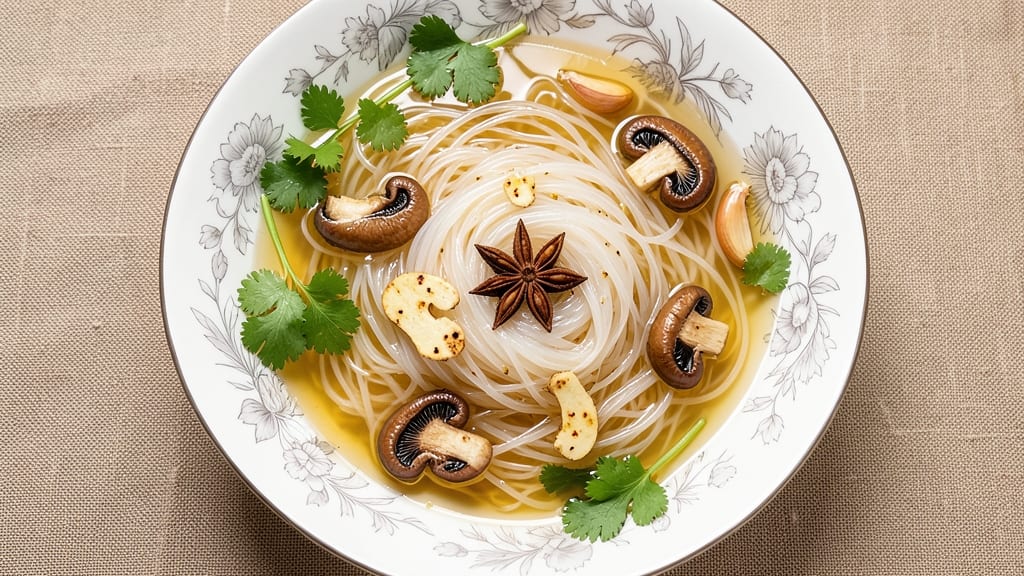
This bean thread noodles soup recipe transforms delicate glass noodles into a silky, aromatic masterpiece that’s both vegan and restaurant-worthy. The secret lies in a carefully balanced broth—light yet deeply flavorful—where the noodles absorb every hint of ginger, garlic, and star anise.
I’ve perfected this technique over years of testing, ensuring the strands remain tender yet hold their shape, never mushy or overcooked.
The beauty of this soup is its versatility—it works as a comforting solo meal or pairs beautifully with steamed greens and tofu. The broth simmers low and slow, allowing the noodles to soften just enough to create that signature melt-in-your-mouth texture, while the aromatics build layers of warmth.
No heavy cream or dairy is needed; the richness comes from umami-packed mushrooms and a touch of soy sauce.
What sets this recipe apart is the lightness—the noodles float like strands of silk, and the broth remains clear, not cloudy. Garnishes like scallions, cilantro, and a drizzle of chili oil add freshness and heat, balancing the dish’s delicate nature.
It’s the kind of soup that feels luxurious yet effortless, perfect for weeknights or special occasions when you crave something refined without the fuss.
Ready in under 45 minutes, this recipe delivers a bowl of silky, aromatic perfection that’s as nourishing as it is elegant. The key? Patience—letting the noodles cook just long enough to soften without losing their integrity. Serve immediately, while the broth is still steaming, for the full experience.
Ingredients for bean thread noodles soup
Silken noodles and aromatic broth create this delicate yet deeply flavorful vegan masterpiece.
| Ingredient | Amount | Notes |
|---|---|---|
| Bean Thread Noodles (Glass Noodles) 🍜 | 8 oz | Dried, rinsed thoroughly |
| Shiitake Mushrooms 🍄 | 8 oz | Fresh, sliced thinly |
| Garlic Cloves 🧄 | 6 cloves | Minced, aromatic intensity |
| Fresh Ginger 🌿 | 1 ½ tbsp | Grated, vibrant flavor |
| Star Anise Pods 🌟 | 2 whole | Whole, for subtle aroma |
| Vegetable Broth 💧 | 4 cups | Low-sodium, homemade preferred |
| Light Soy Sauce 🍶 | 1 ½ tbsp | Kikkoman or similar |
| Sesame Oil 🫒 | 1 tbsp | Toasted, for aroma |
| Scallions 🧅 | ¼ cup | Thinly sliced, fresh |
| Fresh Cilantro 🌿 | ¼ cup | Chopped, vibrant garnish |
| Chili Oil 🌶️ | 1 tbsp | Homemade or store-bought |
| Lime Wedges 🍋 | 2 whole | Fresh, for brightness |
| White Miso Paste 🧈 | 1 tbsp | For umami depth |
| Brown Sugar 🍯 | 1 tsp | Lightly toasted |
| Black Peppercorns 🌶️ | ½ tsp | Freshly cracked |
The glass noodles are the heart of this dish—look for high-quality dried strands at Asian markets or well-stocked grocery stores. King Noodle or Hainaan brands excel in texture. Soak them in warm water for 30 seconds before adding to the broth to prevent clumping. Shiitake mushrooms should be plump and firm, with no sliminess. If using dried shiitake, rehydrate in warm water for 20 minutes. Star anise pods are non-negotiable for that signature aroma—buy whole pods and crush lightly between your palms before adding to the broth.
No fresh ginger? Powdered ginger at half the amount works in a pinch, though fresh delivers superior depth. Substitute star anise with anise seeds or a pinch of anise extract if unavailable. For the broth, homemade vegetable stock elevates the dish, but low-sodium store-bought is perfectly acceptable. The white miso adds umami without heaviness—Miso Master or Marukome brands are excellent choices. If you lack chili oil, a mix of sesame oil and red pepper flakes provides a similar kick. The brown sugar should be lightly toasted in a dry pan for 30 seconds to deepen its caramel notes.
This soup shines when served immediately, but you can prepare the broth and aromatics 1 day ahead—store in the fridge and reheat gently. The noodles should be added just before serving to maintain their silky texture. Garnishes like scallions and cilantro stay fresh for 3 days wrapped in damp paper towels. For extra richness, reserve a ladle of broth before serving and drizzle it over the garnishes. The dish keeps its elegance for 2 days in the fridge, though the noodles may soften further—reheat gently with a splash of water to restore their silkiness.
Why You'll Love This Recipe
- No-Fuss Assembly: I swear by this one—just soak the glass noodles while I chop mushrooms and garlic, then toss everything into simmering broth. No measuring cups, no fancy techniques, just a pot and 20 minutes of my time.
- Umami Bomb: That combo of shiitake mushrooms and star anise? It’s like a flavor explosion in my mouth—earthy, slightly sweet, with a warm spice that lingers. The noodles soak up every bit without overpowering.
- Lunchbox Hero: Between us, this soup is my secret weapon for meal prep. I make a big batch on Sundays, and it stays fresh for days—perfect for work lunches or when I’m too tired to cook. The noodles hold up beautifully, even cold.
- Budget Magic: Honestly, this recipe costs me pennies but feels like a fancy restaurant dish. Shiitake mushrooms add depth without breaking the bank, and star anise makes it taste gourmet. Leftovers? Even better the next day.
Step-by-step instructions for bean thread noodles soup
Here's the method to achieve that signature silky texture and vibrant flavor profile.
Prepare the Bean Thread Noodles
Place the 8 oz bean thread noodles in a large bowl and cover completely with cold water. Let them soak for 10-15 minutes until they become pliable and slightly translucent. You'll notice they'll triple in size—this is normal and essential for achieving that signature light, silky texture.
Drain the noodles thoroughly and rinse under cold water to remove excess starch. This prevents them from sticking together and ensures they maintain their delicate consistency in the soup. I like to spread them on a clean kitchen towel to dry slightly before adding them to the broth.
Build the Aromatic Broth Base
In a large pot, combine the 4 cups vegetable broth, 1 tbsp white miso paste, 1 tsp brown sugar, 2 whole star anise pods, and 0.5 tsp freshly cracked black peppercorns. Bring to a gentle simmer over medium heat and let cook for 5 minutes to allow the flavors to meld.
Add the 8 oz sliced shiitake mushrooms, 6 cloves minced garlic, and 1.5 tbsp grated fresh ginger. Simmer for another 5-7 minutes until the mushrooms soften and release their earthy flavors. The broth should smell rich and aromatic—this is your foundation.
Enhance with Umami and Depth
Stir in the 1.5 tbsp light soy sauce and simmer for 2 minutes to integrate the flavors. Add the 1 tbsp toasted sesame oil and 1 tbsp chili oil, swirling gently to distribute the oils evenly throughout the broth. This creates a complex flavor profile with subtle heat and nutty undertones.
Here's where the magic happens: add the drained bean thread noodles and gently stir to coat them evenly in the broth. The noodles should be fully submerged but not crowded—this allows them to absorb the flavors without becoming mushy. Simmer for 3-4 minutes until the noodles are heated through and the soup reaches a delicate consistency.
Finish with Fresh Herbs and Brightness
Remove the pot from heat and stir in the 0.25 cup thinly sliced scallions and 0.25 cup chopped fresh cilantro. The herbs add vibrant color and a fresh contrast to the rich broth. Squeeze the juice from the 2 whole lime wedges directly into the soup—this adds a bright, citrusy finish that cuts through the umami depth.
Taste and adjust seasoning if needed. The soup should be perfectly balanced—savory from the miso and soy, slightly sweet from the brown sugar, with a touch of heat from the chili oil. Serve immediately while the noodles maintain their signature silky texture.
Pro Tips For Making Bean Thread Noodles Soup
- SOAK NOODLES SEPARATELY: Glass noodles stick like glue if you toss them straight into boiling water. Split them into two batches—soak one while prepping the broth, then add the second half 2 minutes later. This keeps them from clumping into one sad, tangled mass.
- SIMMER SHIITAKES FIRST: I used to add mushrooms last-minute, and they’d turn to mush. Instead, parboil sliced shiitakes in the broth for 3-4 minutes before adding aromatics. They’ll stay firm and release their umami into the liquid—no more flavorless chewiness.
- CRUSH STAR ANISE: Whole star anise pods float like little boats and barely infuse. Lightly crush them with a spoon or mortar before adding to the broth. You’ll taste the warmth immediately, not after 20 minutes of hoping.
- SALT THE WATER HOT: Cold water + salt = uneven seasoning. Wait until the broth is actively boiling, then add 1½ teaspoons of salt (or to taste). Stir once, then let the noodles cook in properly seasoned water—not a bland, salty-aftermath surprise.
Troubleshooting this dish
Noodles Too Mushy
Overcooking is the #1 reason for mushy noodles—these delicate strands cook in seconds, not minutes. Once you add them to the broth, simmer for exactly 3-4 minutes on low heat.
I use a thermometer to keep the broth at 180°F max—any hotter and they’ll turn to paste. If you’re worried about timing, add the noodles last and serve immediately. 🌡️
Broth Too Cloudy
A cloudy broth usually means excess starch from the noodles or over-stirring. Always rinse the noodles thoroughly after soaking to remove surface starch. For extra clarity, strain the broth through a fine-mesh sieve before adding the noodles.
If you’re using store-bought broth, opt for low-sodium, clear vegetable broth—brands like Imagine or Pacific Foods work best. 💧
Weak Flavor Profile
If your soup tastes bland, it’s likely missing umami depth. Boost the flavor by adding 1 extra tbsp of white miso paste or ½ tsp of fish sauce (if not vegan).
Toast the star anise pods in a dry pan for 30 seconds before adding to the broth to intensify their aroma. For a quick fix, stir in 1 tsp of soy sauce or a splash of sesame oil at the end. 🌟
Noodles Clumping
Clumped noodles happen when starch isn’t rinsed properly or the broth isn’t hot enough. Before adding the noodles, bring the broth to a gentle simmer (180°F) and stir once to create a gentle current.
Use a wooden spoon to separate strands as you add them—this prevents sticking. If clumps form, gently tease them apart with chopsticks while serving. 🍜
Broth Too Salty
Over-salting is common when using soy sauce or miso. Taste the broth before adding noodles—it should be seasoned but not overwhelming. If needed, balance the salt with 1 tsp of brown sugar or a squeeze of lime juice.
For a vegan fix, add ½ cup of coconut milk to dilute the saltiness while adding creaminess. 🍋
Lacking Heat
If your soup feels too mild, the chili oil might not be distributed evenly. Heat 1 tbsp of chili oil in a small pan for 10 seconds to activate the spices, then drizzle it directly into the soup.
For extra kick, add ½ tsp of red pepper flakes or a pinch of Sichuan peppercorns while simmering. Garnish with extra chili oil at the table for customizable heat. 🌶️
Nutrition facts
Frequently asked questions
Can I substitute bean thread noodles with other noodles?
While bean thread noodles are ideal for their signature silky texture, you can use rice vermicelli or shirataki noodles in a pinch. However, these alternatives won't have the same delicate consistency—rice noodles may become slightly chewy, and shirataki requires extra rinsing to remove excess starch. For the best results, stick to bean thread noodles or cellophane noodles if available.
How do I make the broth clearer?
A cloudy broth often comes from excess starch or over-stirring. Always rinse the noodles thoroughly after soaking to remove surface starch. For extra clarity, strain the broth through a fine-mesh sieve before adding the noodles. Using a low-sodium, clear vegetable broth also helps—brands like Imagine or Pacific Foods work best.
Can I make this soup ahead of time?
You can prepare the broth and aromatics 1 day ahead—store it in the fridge and reheat gently before adding the noodles. The noodles should be cooked fresh to maintain their silky texture, but you can soak them in warm water until ready to assemble. Garnishes like scallions and cilantro stay fresh for 3 days wrapped in damp paper towels.
Is this soup spicy? Can I adjust the heat level?
The chili oil adds a subtle kick, but you can easily adjust the heat. For a milder version, reduce the chili oil to ½ tbsp or replace it with sesame oil. For extra spice, add ½ tsp of red pepper flakes or a pinch of Sichuan peppercorns while simmering. Garnish with extra chili oil at the table for customizable heat.
What’s the secret to keeping the noodles from sticking?
Rinse the noodles thoroughly after soaking to remove excess starch, then spread them on a clean kitchen towel to dry slightly. When adding them to the broth, stir once gently to create a light current. Use a wooden spoon to separate strands as they cook. If clumps form, tease them apart with chopsticks while serving.