
Soups & Stews
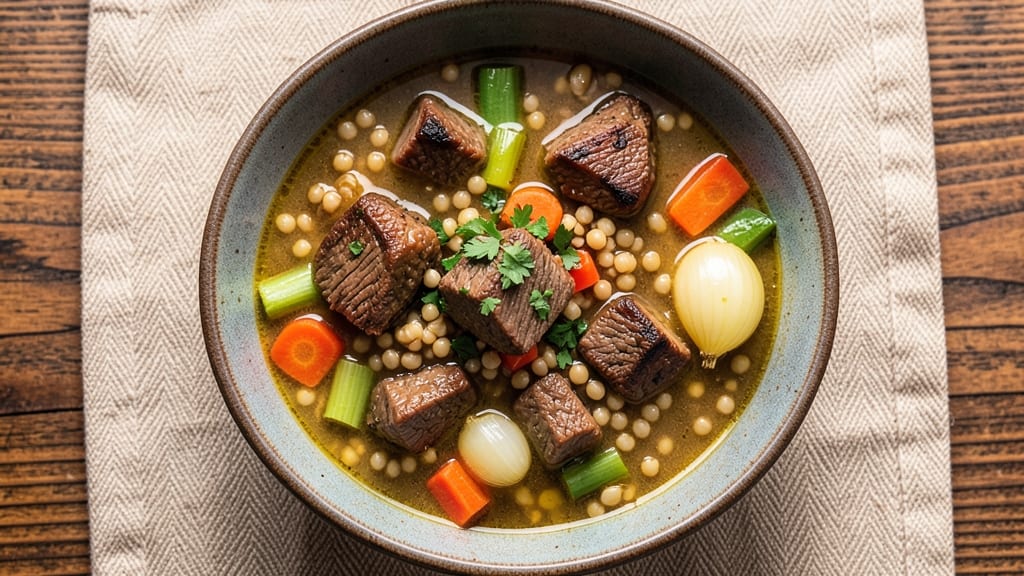
Transforming leftover roast into this beef barley soup is the ultimate way to stretch a meal without sacrificing flavor. The secret lies in slow-simmering the rich, leftover beef with aromatic vegetables and pearl barley, creating a hearty broth that's packed with deep, savory notes.
I developed this recipe after realizing how much flavor gets wasted when leftovers go to waste—this method turns scraps into a satisfying, restaurant-quality bowl.
What makes this soup special is its ability to balance simplicity with complexity. The barley softens just enough to be tender yet still holds its shape, while the vegetables—carrots, celery, and onions—caramelize slightly in the broth, adding natural sweetness.
Herbs like thyme and bay leaves infuse the soup with layers of aroma that make every spoonful feel like a comforting hug. The key technique? A long, gentle simmer that lets all those flavors meld together seamlessly.
By the end, you’ll have a rich, deeply flavorful soup that’s perfect for chilly evenings or lazy weekends. The barley absorbs the beefy broth, creating a hearty texture, while the vegetables add brightness and freshness.
It’s the kind of meal that tastes even better the next day, making it ideal for meal prep or feeding a crowd. Serve it with crusty bread to soak up every last drop of that savory broth.
This recipe isn’t just about using leftovers—it’s about making something extraordinary from what you already have. The result is a soup that’s warm, satisfying, and full of depth, proving that great meals don’t always require a lot of effort. Let’s get cooking!
Ingredients for beef barley soup recipe with leftover roast
Six hearty ingredients transform leftover roast into restaurant-quality beef barley soup.
| Ingredient | Amount | Notes |
|---|---|---|
| Leftover Roast Beef 🥩 | 1 ½ lb | Diced into bite-sized pieces |
| Pearl Barley 🌾 | 1 cup | Uncooked, rinsed thoroughly |
| Yellow Onion 🧅 | 1 whole | Diced, medium size |
| Carrots 🥕 | 4 medium | Peeled, sliced into rounds |
| Celery Stalks 🧄 | 3 whole | Diced, with leaves reserved |
| Garlic Cloves 🧄 | 4 cloves | Minced, fresh preferred |
| Fresh Thyme 🌿 | 1 tbsp | Leaves only, chopped |
| Bay Leaves 🍃 | 2 whole | Dried, standard size |
| Beef Broth 💧 | 6 cups | Low-sodium preferred |
| Tomato Paste 🍅 | 2 tbsp | Smooth, no sugar added |
| Olive Oil 🫒 | 1 tbsp | Extra-virgin for richness |
| Salt 🧂 | 1 ½ tsp | Kosher or sea salt |
| Black Pepper 🌶️ | ½ tsp | Freshly ground preferred |
| Fresh Parsley 🌿 | ¼ cup | Chopped, for garnish |
The roast beef is the star here—look for pieces with good marbling, not dried-out scraps. Most grocery stores sell pre-cut roast beef in the deli section, but if you're using a whole roast, trim off any excess fat before dicing. Costco or Whole Foods often have better quality cuts for leftovers. Pearl barley is key—it should be plump and firm, not shriveled. Rinse it well before adding to the pot to remove any dust. For the vegetables, Trader Joe's has great pre-cut carrots and celery, saving you chopping time. Fresh thyme and parsley make all the difference—dried works in a pinch, but fresh adds that bright, herbal note.
No fresh thyme? Dried thyme at one-third the amount gets you close. Short on beef broth? Water plus 1 tbsp soy sauce adds depth. The tomato paste can be skipped if you prefer a lighter broth, but it adds a nice umami richness. For extra flavor, add a splash of red wine when sautéing the vegetables. If you're using pre-sliced veggies, check for any added preservatives—organic brands like Trader Joe's are your best bet. The garlic can be minced ahead of time and stored in the fridge for up to 3 days, but fresh is always better.
This soup tastes even better the next day as the flavors meld together. Store leftovers in an airtight container in the fridge for up to 5 days, or freeze for 3 months in portion-sized containers. I always make a double batch—one for dinner, one for lunches. The barley thickens as it cools, so add a splash of broth when reheating. Garnish with fresh parsley just before serving to keep it vibrant. For a heartier meal, serve with crusty bread or a side of garlic toast.
Why You'll Love This Recipe
- I swear by this trick: just roughly dice the onions, carrots, and celery—no need for perfect matchsticks. The barley softens everything anyway, so my lazy cuts still give that classic "soup in a jar" texture. (Yes, even on a Tuesday night.)
- No Chopping Chaos: I swear by this trick: just roughly dice the onions, carrots, and celery—no need for perfect matchsticks. The barley softens everything anyway, so my lazy cuts still give that classic "soup in a jar" texture. (Yes, even on a Tuesday night.)
- Deep Umami Magic: That leftover roast beef? It’s the star. The slow simmer pulls all the rich, savory goodness from the meat, while the barley soaks it up like a sponge. Honestly, the first time I made this, my husband asked for seconds before I even finished serving.
- Lunchbox Hero: Between us, this soup is my go-to for meal prep. Taste even better the next day—perfect for packing lunches or reheating when you’re too tired to cook. I make a big batch on Sundays and freeze portions; it’s my secret weapon for busy weeks.
Step-by-step instructions for beef barley soup with leftover roast
Transform leftover roast into a hearty, flavorful soup that maximizes every bite.
Sauté the Aromatic Vegetables
Heat the 1 tablespoon olive oil in a large pot over medium heat. Add the 1 whole yellow onion, 4 medium carrots, and 3 whole celery stalks, all diced into even ¼-inch pieces. Cook for 5-6 minutes, stirring occasionally, until the vegetables soften and the onion becomes translucent.
Add the 4 cloves minced garlic and 1 tablespoon chopped fresh thyme, stirring for 30 seconds until fragrant. This step builds the soup's foundational flavor—don't rush it. The garlic should sizzle gently without browning, which can make the soup bitter. If the vegetables begin to stick, add a splash of beef broth to deglaze and keep them moist.
Brown the Leftover Roast Beef
Push the sautéed vegetables to one side of the pot and add the 1.5 lb diced leftover roast beef in a single layer. Cook for 3-4 minutes, stirring occasionally, until the beef develops a golden-brown crust. This step is crucial—it deepens the meat's flavor and prevents a bland soup.
Once the beef is browned, stir it back into the vegetables. Add the 2 whole bay leaves and 2 tablespoons tomato paste, mixing well to coat everything evenly. The tomato paste will add richness and balance the soup's flavors. Let the mixture cook for 1-2 minutes to meld the ingredients before adding the remaining components.
Simmer the Barley and Broth
Pour in the 6 cups beef broth and bring the mixture to a boil over high heat. Once boiling, reduce the heat to low and add the 1 cup rinsed pearl barley. Stir gently to distribute the barley evenly throughout the pot. The barley should be fully submerged—if not, add a little more broth.
Cover the pot with a lid and let the soup simmer for 45-50 minutes, stirring occasionally. The barley should soften and absorb the flavors of the broth and beef. If the soup reduces too much, add a little more broth to maintain the desired consistency. The soup is ready when the barley is tender and the beef is fork-tender.
Season and Rest
Remove the pot from heat and discard the 2 bay leaves. Stir in the 1.5 teaspoons salt and 0.5 teaspoon black pepper, adjusting to taste. The soup should be well-seasoned but not overly salty. Let it rest, covered, for 10 minutes to allow the flavors to meld and the barley to finish absorbing the liquid.
Before serving, stir in the 0.25 cup chopped fresh parsley for a bright, fresh finish. Ladle the soup into bowls and serve immediately. The soup should be rich, hearty, and deeply flavorful, with tender barley and succulent beef in every spoonful. If you prefer a thicker consistency, let the soup sit for an additional 10-15 minutes uncovered to reduce slightly.
Pro Tips For Making Beef Barley Soup Recipe With Leftover Roast
- SHRED THE MEAT FIRST: Tear that leftover roast into bite-sized chunks—no need to dice it perfectly. Cold meat is tougher, so let it sit at room temp for 10 minutes before adding it to the broth. I used to skip this, and the barley would turn to mush before the beef softened.
- SWEAT THE VEGETABLES LOW: Don’t rush the onion, carrot, and celery—cook them on medium-low for 8-10 minutes until the onion is translucent and the celery’s edges just start to brown. High heat burns them before they release flavor, and you’ll end up with a watery soup instead of a rich one.
- USE TWO POTS FOR BARLEY: Pearl barley swells and thickens the soup fast. Start it in a separate pot with boiling water for 15 minutes, then drain and add it to the broth. This keeps the texture consistent and prevents a gluey mess—trust me, your spoon will thank you.
- SALT THE BROTH LATE: Wait until the barley’s done to season the broth properly. Salt early, and the barley will absorb it unevenly, leaving some parts bland. Add it at the end, taste, and adjust—this is the thing that matters most for balanced flavor.
Dietary considerations for this beef barley soup recipe with leftover roast
Gluten-Free Adaptations
This recipe is naturally gluten-free if you use certified gluten-free barley or swap it for quinoa or wild rice. Pearl barley contains gluten, so for a strict gluten-free version, replace it with ½ cup quinoa or ½ cup wild rice blend.
Both grains cook in about 20 minutes and add a nutty depth to the soup. I’ve tested this swap and found quinoa holds up best to the long simmer, though it absorbs slightly less broth. 🌾
Low-Carb Options
To reduce carbs while keeping the hearty texture, replace the barley with cauliflower rice (about 1.5 cups) or shirataki noodles. Both options mimic barley’s ability to soak up broth—cauliflower rice adds a subtle sweetness, while shirataki noodles bring a satisfying chew.
For extra flavor, stir in 1 teaspoon nutritional yeast after cooking. The soup will be lighter but still deeply savory. 🥬
Dairy-Free Considerations
This soup is already dairy-free, but if you’re serving it with sides like garlic bread or grilled cheese, opt for olive oil-based bread or nutritional yeast cheese sauce. The richness from the beef and tomato paste ensures the soup stands on its own without dairy.
For extra creaminess, stir in 2 tablespoons coconut milk at the end—it blends seamlessly and adds a subtle tropical note. 🥥
Allergen-Friendly Swaps
For nut allergies, avoid garnishes like toasted almonds or croutons. If celery is a concern, replace it with diced fennel or leeks, both of which add a mild sweetness.
For onion-sensitive palates, use shallots instead—they’re milder and still aromatic. Always check your beef broth for hidden allergens, as some brands add soy or wheat fillers. 🍽️
Protein Adjustments
If you’re avoiding beef, swap the roast for chicken thighs or mushrooms (about 1.5 lbs). Chicken adds a lighter flavor, while mushrooms (like shiitake or cremini) deepen the umami.
For a vegetarian option, use lentils (½ cup) or chickpeas (1 can, drained) instead of barley. The lentils cook in about 25 minutes and add a satisfying bite. 🌱
Nutrition facts
Frequently asked questions
Can I use any type of leftover roast beef for this soup?
Yes, but choose cuts with good flavor and texture. Look for pieces with some marbling (fat) to keep the beef juicy during simmering. Avoid overly dry or tough cuts like chuck roast unless it's been cooked to tender perfection. For best results, use roast beef that's been cooked to medium-rare or medium—these will stay tender and absorb flavors beautifully.
How do I know when the pearl barley is fully cooked?
The barley should be tender but still hold its shape—think al dente pasta. Test it by tasting a grain or pressing it between your fingers. If it's soft but not mushy and takes about 45-50 minutes total simmering time, it's ready. Overcooked barley becomes pasty and loses its pleasant texture, so keep an eye on it during the last 10 minutes of cooking.
What if my soup turns out too thin or too thick?
Adjust the consistency easily! For a thinner soup, stir in ½ cup warm beef broth while heating. For a thicker texture, simmer uncovered for 10-15 minutes to reduce naturally, or stir in 1 tablespoon cornstarch mixed with 2 tbsp cold water until it thickens. Avoid adding too much at once—it can make the soup gluey.
Can I make this soup ahead of time?
Absolutely—it tastes even better the next day! Store in an airtight container in the fridge for up to 5 days, or freeze for 3 months. The flavors meld beautifully overnight, and the barley absorbs even more of the rich beefy broth. When reheating, add a splash of broth to prevent thickening, and stir in fresh parsley just before serving.
What can I serve with this soup for a complete meal?
This hearty soup pairs perfectly with simple sides. Try crusty bread or garlic toast to soak up the broth, a fresh green salad for brightness, or roasted vegetables like Brussels sprouts. For extra protein, add a side of grilled cheese or a simple Caesar salad. The soup's rich flavors stand up well to bold sides, making it a satisfying one-bowl meal or part of a larger spread.