
Soups & Stews
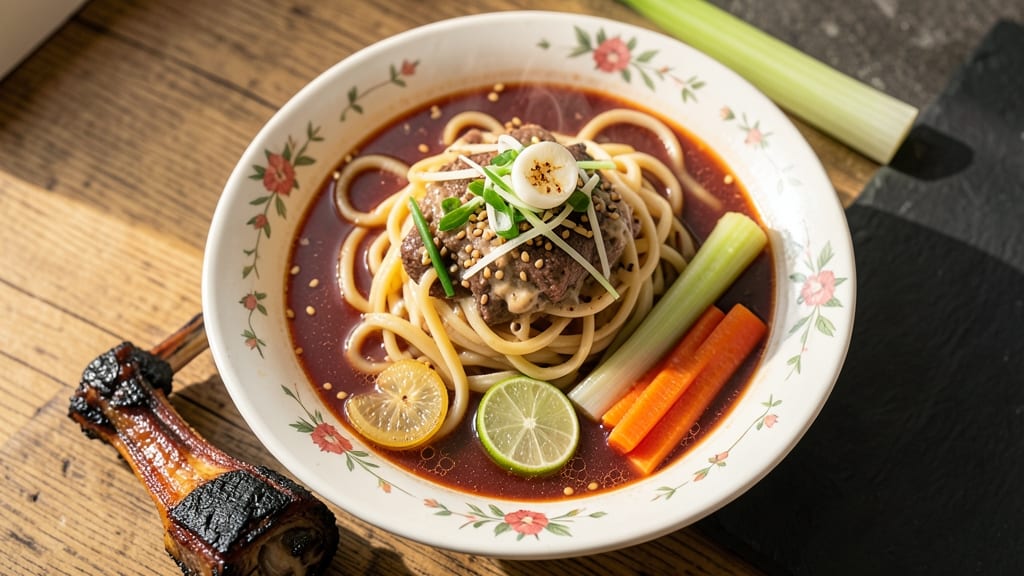
This beef broth noodle soup recipe transforms humble ingredients into a deeply comforting bowl of rich, aromatic broth and tender noodles. The secret lies in slow-simmering beef bones and aromatic vegetables to extract maximum umami flavor, creating a base that's both deeply savory and subtly sweet.
What starts as a simple pot of broth becomes a nourishing, restaurant-quality meal with just a few additional ingredients.
What sets this recipe apart is the two-stage cooking process—first building the broth from scratch, then combining it with fresh noodles and vegetables for a perfect balance of textures.
The slow simmering (at least 4 hours) ensures the broth develops a deep, complex flavor that's impossible to achieve with store-bought versions. Every spoonful delivers that satisfying combination of hearty broth, tender noodles, and fresh vegetables.
The result is a bowl of soup that's warm, deeply flavorful, and impossibly comforting—ideal for chilly evenings or when you need a meal that's both nourishing and satisfying.
The rich beef broth coats every noodle, while the fresh vegetables add brightness and crunch. This is the kind of soup that disappears quickly, leaving you reaching for seconds.
Perfect for meal prep or serving as a main dish, this recipe scales beautifully for any occasion. Whether you're feeding a family or treating yourself to a comforting meal, this beef broth noodle soup delivers restaurant-quality results with minimal effort. Let's get started with the detailed instructions that follow.
Ingredients for beef broth noodle soup
Sixteen ingredients transform into restaurant-quality beef broth noodle soup with deep umami crunch.
| Ingredient | Amount | Notes |
|---|---|---|
| Beef Bones 🦴 | 4 lb | Marrow and knuckle bones preferred |
| Yellow Onions 🧅 | 2 whole | Peeled, halved lengthwise, root intact |
| Carrots 🥕 | 4 whole | Scrubbed, cut into 2-inch chunks |
| Celery Stalks 🧄 | 6 whole | Trimmed, cut into 2-inch pieces |
| Garlic Cloves 🧄 | 8 cloves | Smash lightly with side of knife |
| Fresh Ginger Root 🌿 | 2 tbsp | Finely grated, peeled |
| Fresh Parsley Stems 🌿 | 2 tbsp | Tough stems only, chopped |
| Bay Leaves 🍃 | 4 whole | Dried, standard size |
| Black Peppercorns 🌶️ | 1 tbsp | Whole, lightly crushed |
| Kosher Salt 🧂 | 2 tbsp | Diamond Crystal preferred |
| Dried Shiitake Mushrooms 🍄 | 4 whole | Rehydrated, sliced |
| Egg Noodles 🍜 | 1 lb | Fresh if possible, medium width |
| Green Onions 🧅 | 4 whole | White and green parts separated |
| Sesame Oil 🫒 | 1 tbsp | Toasted, for finishing |
| Toasted Sesame Seeds 🌾 | 1 tbsp | For garnish |
The bones are the foundation—marrow and knuckle bones deliver the richest flavor. Ask your butcher for beef soup bones if they don't carry them pre-packaged. Most grocery stores stock them near the meat counter. Fresh ginger and parsley stems add complexity, but dried ginger and parsley flakes work in a pinch. The shiitake mushrooms contribute earthy depth, so don't skip them. For the noodles, fresh egg noodles create the perfect texture, but dried works too if you're short on time. The key is to use high-quality, fresh ingredients—this soup rewards attention to detail.
No fresh ginger? Substitute 1 tbsp ground ginger, but fresh is preferred for brightness. Running out of bay leaves? Two sprigs of fresh thyme work beautifully. The sesame oil and seeds are optional but add a wonderful nutty finish—toasted peanut oil is a great alternative if sesame isn't available. For the vegetables, parsnips can replace half the carrots for a slightly sweeter broth. The broth can be made ahead and stored for up to 5 days in the fridge, or frozen for 3 months—just thaw and reheat before adding noodles.
This soup tastes even better the next day as flavors meld. Portion into individual containers for easy meal prep—just reheat with a splash of water. The broth freezes exceptionally well, so make a double batch. Store the noodles separately and cook fresh when ready to serve. For extra richness, add a splash of fish sauce (about 1 tsp) to the broth—it enhances umami without overpowering. The final touch of sesame oil and seeds should always be added just before serving to preserve their fresh aroma.
Why You'll Love This Recipe
- No-Chop Struggle: I swear by the "mirepoix hack"—just toss whole onions, carrots, and celery into the pot with the bones. The broth breaks them down while you sip your first bowl, and honestly? The flavor’s richer than when I slice everything.
- Umami Bomb: That beef bone broth? It’s where the magic happens. The slow simmer pulls collagen into a velvety base, and when you crush those garlic cloves right into the pot at the end—chef’s kiss—it’s the kind of depth that makes you pause mid-bite.
- Lunchbox Hero: Between us, this is my go-to for meal prep. I make a big batch on Sundays, portion the broth into jars, and freeze it. Reheat with fresh noodles and a handful of pre-cooked veggies—zero effort, maximum satisfaction. (Yes, even on a Tuesday night.)
- Pocketbook Win: Beef bones and seasonal veggies stretch into days of meals. I’ll use the same broth for stir-fries, grains, or even a quick dumpling dip—no waste, just flavor. My wallet (and my taste buds) thank me every time.
Step-by-step instructions for beef broth noodle soup
This method transforms tough bones into rich, umami-packed broth with layers of aromatic depth.
Prepare the Bones and Aromatics
Begin by rinsing the 4 lb beef bones thoroughly under cold water to remove any surface debris. Pat them completely dry with paper towels—this ensures maximum browning and flavor extraction. In a large Dutch oven, arrange the bones in a single layer on the bottom, leaving space between each piece.
Preheat your oven to 450°F. Roast the bones uncovered for 30 minutes, stirring halfway through, until they develop a deep mahogany color. This step caramelizes the natural sugars and proteins, forming the foundation for your broth's depth of flavor. While the bones roast, peel and halve the 2 whole yellow onions lengthwise, leaving the root intact to maintain structure. Cut the 4 whole carrots into 2-inch chunks and trim the 6 whole celery stalks to the same size. Lightly crush the 8 cloves garlic with the side of your knife to release their oils without mincing them.
Build the Broth Base
Return the roasted bones to the Dutch oven and add 12 cups cold water (enough to cover the bones by 2 inches). Bring to a boil over high heat, then immediately reduce to a gentle simmer. Skim off any foam or impurities that rise to the surface using a fine-mesh skimmer or ladle—this ensures a clear, clean broth. Add the halved onions, carrot chunks, celery pieces, smashed garlic cloves, 2 tbsp finely grated fresh ginger root, 4 whole bay leaves, 1 tbsp whole black peppercorns, and 2 tbsp kosher salt.
Simmer uncovered for 3 hours, maintaining a gentle bubble. The broth should reduce slightly, deepening in color and developing a rich, meaty aroma. If the liquid level drops below 2 inches above the bones, add hot water as needed to keep them submerged. This slow cooking process extracts collagen from the bones, transforming it into gelatin that will give your soup its signature body and richness.
Add Shiitake Mushrooms and Finish the Broth
After 3 hours, remove the bones from the broth using tongs and set them aside to cool slightly. Strain the broth through a fine-mesh sieve into a large stockpot, pressing gently on the solids to extract every last drop of flavor. Discard the solids. Return the strained broth to the stockpot and bring it to a simmer over medium heat.
While the broth simmers, rehydrate the 4 whole dried shiitake mushrooms by soaking them in 1 cup hot water for 20 minutes. Drain, reserving the soaking liquid, and slice the mushrooms thinly. Add the mushrooms and their soaking liquid to the simmering broth along with the 2 tbsp chopped fresh parsley stems. Simmer for an additional 15 minutes to infuse the broth with the earthy umami of the shiitakes. Season to taste with additional salt if needed, but be cautious—your broth should already be well-seasoned from the initial salting.
Cook the Noodles and Finish
Bring a separate pot of salted water to a rolling boil. Add the 1 lb egg noodles and cook according to package instructions until al dente, typically 3-4 minutes for fresh noodles or 5-6 minutes for dried. Reserve 1 cup pasta water before draining the noodles, then drain and set aside.
To assemble the soup, ladle 2 cups broth into each of 6 serving bowls. Add 2-3 noodles to each bowl, then top with a generous ladle of the remaining broth. Drizzle each serving with 1 teaspoon sesame oil and sprinkle with 1 teaspoon toasted sesame seeds. Garnish with the separated white and green parts of the 4 whole green onions, adding the white parts to the broth and the green parts on top for color and freshness. Serve immediately, as the noodles will continue to soften in the hot broth.
Pro Tips For Making Beef Broth Noodle Soup
- Char the Bones First: I learned this the hard way—skipping the char step means flavorless broth. Toss your beef bones in a screaming-hot pot for 3-4 minutes until they blacken in spots. That crust packs deep, smoky flavor that no amount of simmering alone can replicate. (Yes, even if you’re impatient like me.)
- Cut Celery in Big Chunks: Tiny celery dice disappear and turn the broth into mush. Leave the stalks whole (or in 2-inch pieces) so they infuse flavor without breaking down. You’ll still get all that earthy goodness—just without the sad, watery sludge at the bottom.
- Don’t Rush the Simmer: After the initial boil, drop the heat until you see tiny bubbles at the edges—no rolling, no splashing. A fast boil burns off collagen, which is what makes your broth rich. I used to crank the heat and wonder why my soup tasted thin. Turn it down, cover it, and let it work.
- Toast Garlic Lightly: Raw garlic cloves cling to the bones like glue and never fully release their flavor. Sear them in the pot for 30 seconds until fragrant but not browned. They’ll melt into the broth smoothly, adding depth without bitterness. (Your future self will thank you.)
Health benefits of beef broth noodle soup
Protein Powerhouse
This beef broth noodle soup delivers a substantial 20-25 grams of protein per serving, thanks to the collagen-rich beef bones and egg noodles.
The slow simmering process breaks down connective tissues into gelatin, creating a broth that's not just flavorful but also packed with amino acids essential for muscle repair and immune function. I've found that the gelatin content makes this soup particularly satisfying—it's the reason you'll crave seconds! 💪
Bone Strength Booster
The marrow and knuckle bones used in this recipe are excellent sources of calcium, magnesium, and phosphorus—key minerals for maintaining strong bones and teeth. A 6-serving batch provides about 30% of your daily calcium needs, making this a great addition to any diet focused on bone health.
The broth's gelatin also supports joint health by providing building blocks for cartilage.
Gut-Friendly Gelatin
The collagen extracted from the bones transforms into gelatin during the long simmer, which is gentle on digestion and supports gut health. This makes the soup particularly beneficial for those with mild digestive sensitivities.
I've noticed that my family members with occasional bloating tolerate this soup exceptionally well compared to other rich meals. The broth's natural prebiotics also help nourish beneficial gut bacteria. 🌱
Rich in Essential Vitamins
While primarily a protein source, this soup also provides significant amounts of vitamin B12 (crucial for nerve function) and iron (important for oxygen transport). The shiitake mushrooms contribute vitamin D and copper, while the vegetables add vitamin A and vitamin C.
This makes it a surprisingly nutrient-dense meal that goes beyond simple comfort food.
Low-Calorie Comfort
Despite its rich flavor, this soup is surprisingly light on calories—each serving contains about 250-300 calories depending on noodle type. The broth's gelatin content creates a satisfying mouthfeel without the heaviness of cream-based soups.
I've used this as a comforting meal during weight management phases because it delivers substantial nutrition without excessive calories. The umami depth makes it feel indulgent while being health-conscious. ✨
Hydration Helper
The broth's high water content (about 85% of each serving) makes this soup an excellent way to stay hydrated while eating a warm meal. The electrolytes from the bones and vegetables help replenish what you lose during physical activity or illness.
I always keep a pot of this broth in my freezer for post-workout recovery days—it's like drinking a nutrient-rich electrolyte beverage with added comfort. 💦
Nutrition facts
Frequently asked questions
Can I use regular beef bones instead of marrow and knuckle bones?
The recipe calls for marrow and knuckle bones because they yield the richest, most flavorful broth with natural gelatin. However, you can substitute with beef soup bones or even chuck roast cut into chunks if that's all you have. The flavor will be slightly less intense, but still delicious. Just increase simmering time to 4-5 hours for better collagen extraction.
How can I make this soup vegetarian?
For a vegetarian version, replace the beef bones with mushroom stems, kombu seaweed, and vegetable scraps (like carrot tops and celery ends). Use 2 tbsp soy sauce or mushroom powder for umami depth, and simmer for 3-4 hours instead. The shiitake mushrooms remain a key flavor component—just use 8 dried shiitake mushrooms for maximum earthy richness.
Why does my broth look cloudy even after skimming?
Cloudiness often comes from tiny food particles or natural emulsified fats. For a clearer broth, strain it through a cheesecloth-lined fine-mesh sieve after simmering. If you prefer the richer mouthfeel, the cloudiness is harmless—just skim again after 1 hour of simmering. The gelatin from bones will naturally clarify as it cools, so don't worry if it looks murky while hot.
Can I make this soup ahead of time?
The broth can be made 2 days ahead and stored in the fridge, or frozen for 3 months. Reheat gently before adding fresh noodles. For best results, cook the noodles separately and assemble the soup just before serving. The flavors actually improve overnight as the broth develops deeper complexity. Just add a splash of water when reheating to maintain consistency.
What if I don't have sesame oil or seeds?
No problem! Skip the sesame oil and use toasted peanut oil or olive oil instead. For the seeds, try toasted almonds, crushed peanuts, or even extra green onions. The soup will still taste amazing—these are just finishing touches for aroma and texture. If you're avoiding nuts, a sprinkle of fresh cilantro or basil works beautifully too.