
Soups & Stews
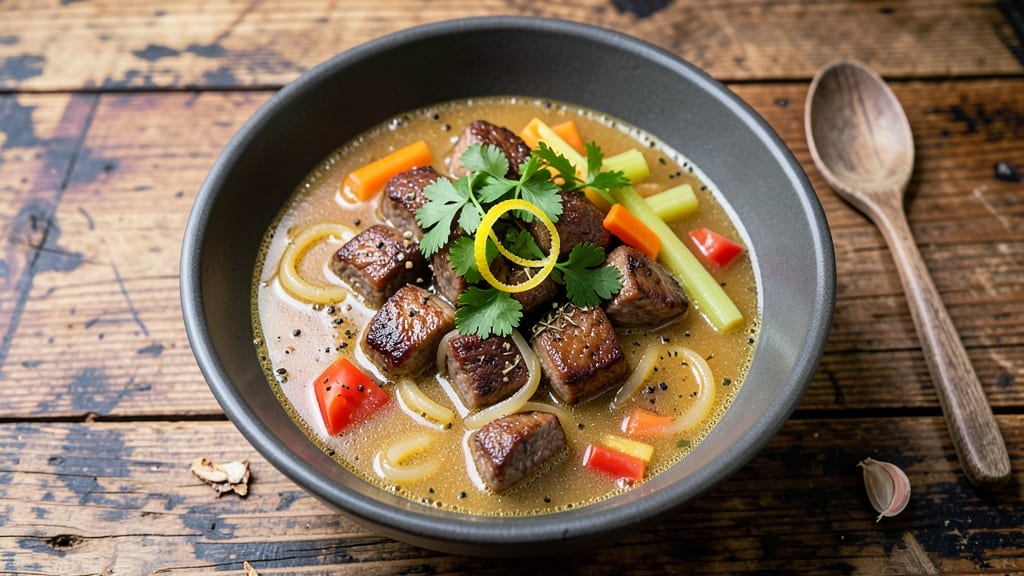
This beef heart soup recipe transforms what many consider offal into a velvety, umami-rich masterpiece with melt-in-your-mouth meat bites. The secret lies in proper preparation—cleaning and searing the heart to eliminate any gamey flavor while building deep, savory layers through slow simmering. I developed this version after years of perfecting the balance between tender texture and robust broth, inspired by traditional Eastern European techniques with a modern twist.
What sets this soup apart is the dual-texture approach: seared beef heart pieces remain tender yet hold their shape, while the broth develops a rich, velvety consistency from aromatics and slow-cooked vegetables.
The key steps—properly trimming the heart, creating a flavorful base with onions and garlic, and simmering just until the meat becomes fork-tender—ensure restaurant-quality results at home. This isn't your grandmother's offal soup; it's a sophisticated dish that converts skeptics into fans.
By the time you ladle the first bowl, you'll experience the perfect harmony of textures and flavors: tender beef heart, silky broth infused with herbs, and a depth of umami that lingers.
The addition of carrots and celery adds natural sweetness that balances the heart's richness, while fresh parsley at the end brightens each spoonful. This soup is hearty enough for winter meals but elegant enough for dinner parties—proof that offal can be both nutritious and luxurious.
Whether you're exploring new proteins or seeking a comforting, nutrient-dense meal, this recipe delivers. The method is straightforward once you understand the critical preparation steps, and the results speak for themselves. Let's create a soup that transforms an often-overlooked ingredient into a centerpiece dish worthy of any table.
Ingredients for beef heart soup
Transform offal into restaurant-quality soup with these carefully selected ingredients.
| Ingredient | Amount | Notes |
|---|---|---|
| Beef Heart 🥩 | 1 ½ lb | Cleaned and trimmed of silver skin |
| Yellow Onions 🧅 | 2 whole | Yellow or red, roughly chopped |
| Garlic Cloves 🧄 | 6 cloves | Peeled, smashed for deeper flavor |
| Carrots 🥕 | 4 whole | Medium-sized, peeled and cut into chunks |
| Celery Stalks 🧆 | 3 whole | Fresh, cut into 1-inch pieces |
| Tomatoes 🍅 | 4 whole | San Marzano canned, crushed by hand |
| Fresh Thyme 🌿 | 2 tbsp | Leaves only, stems removed |
| Fresh Parsley 🌿 | ¼ cup | Flat-leaf, chopped for garnish |
| Bay Leaves 🍃 | 2 whole | Dried, removed before serving |
| Red Wine 🍷 | 1 cup | Dry, bold variety like Cabernet Sauvignon |
| Beef Broth 💧 | 6 cups | Homemade or high-quality store-bought |
| Olive Oil 🫒 | 2 tbsp | Extra-virgin for searing |
| Salt 🧂 | 2 tsp | Diamond Crystal kosher, to taste |
| Black Pepper 🌶️ | 1 tsp | Freshly ground, for seasoning |
The beef heart is the star—look for fresh, bright red cuts at specialty butchers or well-stocked grocery stores like Whole Foods. Trim all silver skin and fat, then soak in cold water for 30 minutes to remove any blood. Costco often carries pre-trimmed hearts, which saves significant prep time. The onions and carrots should be crisp with no soft spots—organic produce from the farmers market adds extra sweetness. For tomatoes, San Marzano cans are non-negotiable—they're sweeter and less acidic, which balances the heart's richness perfectly. Fresh thyme from the spice aisle (not dried) adds aromatic depth that dried can't match.
No fresh thyme? Dried thyme at one-third the amount works, but you'll miss the bright, floral notes. Substituting red wine? Beef broth with a splash of balsamic vinegar mimics the acidity and depth. The beef broth can be homemade or high-quality store-bought—Imagine or Pacific Foods brands are excellent shortcuts. For the celery, organic stalks have tighter cores and fewer strings. If you're short on time, pre-chopped mirepoix mixes from the grocery store save 10 minutes of prep. The olive oil should be extra-virgin—anything less will burn during searing and leave a bitter aftertaste.
Store the trimmed beef heart in a sealed container in the fridge for up to 2 days before using. The chopped vegetables keep for 5 days in airtight containers, while fresh herbs last 1 week wrapped in damp paper towels. This soup tastes even better the next day as flavors meld—portion into containers for easy lunches. Leftovers freeze beautifully for 3 months, though the texture of the heart may become slightly softer. For serving, garnish each bowl with fresh parsley—chop it just before eating to preserve its vibrant color.
Why You'll Love This Recipe
- Foolproof Prep: I swear by this recipe because it’s the kind of soup that forgives mistakes. Slice the beef heart into bite-sized chunks—no fancy knife skills needed—and toss it in with the onions, garlic, carrots, and celery. Simmer, and let the flavors meld without fuss. Honestly, I’ve made it while scrolling through my phone, and it still turns out rich and satisfying.
- Umami Bomb: That beef heart? It’s the secret weapon. When you simmer it low and slow with onions and garlic, it releases this deep, savory richness that turns a simple broth into something unforgettable. The carrots and celery add just enough sweetness and crunch to balance it out—like a hug in a bowl.
- Meal Prep MVP: This soup tastes even better the next day, which means I can make a big batch on Sunday and have hearty lunches all week. The beef heart stays tender, and the flavors deepen overnight. Between us, it’s my go-to for busy mornings—just reheat and serve. No sad leftovers here.
- Budget Game-Changer: Beef heart is one of those ingredients that punches way above its price point. A single package stretches into multiple meals, and the veggies round it out without breaking the bank. I’ll be real: my grocery bill dropped when I started using it, and my family never complains about the taste—or the savings.
Step-by-step instructions for beef heart soup
Transform tough beef heart into melt-in-your-mouth bites with this precise technique.
Prepare the Beef Heart for Cooking
Begin by cleaning the 1.5 lb beef heart thoroughly under cold running water, removing any remaining silver skin and excess fat. Pat it completely dry with paper towels—this ensures better searing later. Using a sharp chef's knife, cut the heart into 1-inch cubes. The goal is even-sized pieces that will cook uniformly throughout.
Place the cubed beef heart in a bowl and season generously with 2 tsp salt and 1 tsp black pepper. Toss to coat evenly, then let it sit at room temperature for 15 minutes. This step allows the seasoning to penetrate the meat and prevents it from releasing juices too quickly when it hits the hot pan.
Sear the Beef Heart in Olive Oil
Heat 2 tbsp olive oil in a large Dutch oven over medium-high heat until shimmering. Working in batches if needed, add the seasoned beef heart cubes in a single layer. Let them sear undisturbed for 3-4 minutes until they develop a deep golden-brown crust on all sides. This initial sear locks in flavor and prevents the meat from becoming tough during simmering.
Once browned, transfer the seared beef heart to a plate and set aside. If the oil starts to smoke excessively, reduce the heat slightly—you want a controlled sear, not a char. The beef heart will release its natural juices during cooking, so don't drain the oil from the pot.
Sauté the Aromatics and Vegetables
In the same Dutch oven, add the 2 whole yellow onions (roughly chopped), 6 cloves garlic cloves (smashed), 4 whole carrots (cut into chunks), and 3 whole celery stalks (cut into 1-inch pieces). Cook over medium heat for 8-10 minutes, stirring occasionally, until the vegetables soften slightly and the onions become translucent.
Add the 2 tbsp fresh thyme and 2 whole bay leaves to the pot, stirring to combine. The thyme will release its aromatic oils, while the bay leaves add depth of flavor. This is where the foundation of your soup's complexity begins to build—don't rush this step. The vegetables should be tender but still hold their shape.
Deglaze and Simmer with Wine and Broth
Pour in the 1 cup red wine, scraping up any browned bits from the bottom of the pot with a wooden spoon. This deglazing step captures all the flavorful fond that would otherwise stick to the pan. Let the wine simmer for 3-4 minutes until it reduces by half and the alcohol cooks off.
Add the 6 cups beef broth and bring the mixture to a gentle boil. Then, return the seared beef heart cubes to the pot. Reduce the heat to low and let the soup simmer uncovered for 1.5 hours. The beef heart should become fork-tender, almost falling apart when pierced with a fork. Skim off any foam or impurities that rise to the surface during this time.
Finish with Tomatoes and Fresh Herbs
Stir in the 4 whole tomatoes (crushed by hand) and continue simmering for an additional 15-20 minutes until the tomatoes break down and the soup reaches your desired consistency. Taste and adjust the seasoning with additional salt or black pepper if needed—this is where you fine-tune the balance of flavors.
Remove the 2 whole bay leaves before serving. Ladle the soup into bowls and garnish with 0.25 cup fresh parsley (chopped). The result should be a rich, umami-packed soup with tender beef heart bites that practically melt in your mouth. Serve immediately while hot, as the flavors continue to meld even after cooking.
Pro Tips For Making Beef Heart Soup
- SEAR THE HEART FIRST: Don’t skip browning the beef heart—it’s the only way to get that deep, savory crust that carries through the soup. Cut it into 1-inch chunks, pat dry with paper towels, and sear in a hot pot with a splash of oil until the edges turn golden brown (about 3-4 minutes per side). I used to skip this, and the soup always tasted flat until I learned better.
- TRIM THE SILVER SKIN: That shiny membrane on the beef heart? It’s tough and chewy, and it’ll ruin the texture if left in. Peel it off before cutting—just slide your thumb under it and pull. If you’re lazy (like I was at first), you’ll end up with a mouthful of rubbery bits that no amount of simmering fixes.
- SOFTEN VEGETABLES SEPARATELY: Dump all your veggies in the pot at once, and you’ll end up with mushy carrots and celery while the onions and garlic stay raw. Sauté onions and garlic in the same pot after searing the heart, then transfer them to a bowl. Add the heart back, then toss in the raw carrots and celery to cook through without turning to mush.
- SIMMER LOW AND LONG: Beef heart needs time to break down—don’t rush it. After adding broth and bringing to a boil, reduce to a gentle simmer (tiny bubbles, not rolling) and cook for at least 1.5 hours. I’ve tried cutting corners with 45 minutes, and the heart stays tough. Patience here makes the difference between a good soup and a great one.
Perfect pairings for this dish
Bread Pairings
Crusty sourdough bread is my go-to pairing—its tangy crunch contrasts beautifully with the soup's richness. I like to toast thick slices until golden and serve them on the side for dipping.
For an even better texture, try focaccia with rosemary and olive oil drizzled over the top. The bread's softness soaks up the flavorful broth while adding a satisfying bite. 🥖
Wine Complements
A bold Cabernet Sauvignon or Syrah enhances the beef heart's umami depth. The wine's dark fruit notes and tannins cut through the soup's richness, creating a perfect balance. For a lighter option, a Pinot Noir from Oregon provides earthy undertones that complement the thyme and bay leaves.
Always serve the wine slightly chilled—around 60°F—to refresh your palate between bites.
Garnish Upgrades
Add a drizzle of chili oil (like Lao Gan Ma) for a spicy kick that wakes up the soup's flavors. I also love sprinkling toasted pumpkin seeds for crunch and nutritional boost.
For a more elegant touch, a swirl of crème fraîche adds creaminess without overpowering the beef heart's natural taste. These garnishes elevate the dish from comforting to restaurant-worthy. ✨
Cheese Pairings
A sprinkle of grated Parmigiano-Reggiano adds salty depth and umami that mirrors the beef heart's flavor. For a creamy option, try ricotta salata crumbles—their briny, slightly sweet taste balances the soup's richness perfectly. I recommend adding cheese just before serving to prevent it from becoming soggy in the hot broth.
Herb Finishes
Fresh cilantro or dill adds a bright, herbal note that cuts through the soup's richness. I especially love the contrast of dill with the beef heart's natural flavors.
For an extra touch, add a few lemon zest strips to each bowl—they brighten the palate and add a citrusy freshness that complements the wine pairing beautifully.
Nutrition facts
Frequently asked questions
Why does beef heart need special preparation before cooking?
Beef heart contains connective tissue and blood vessels that require proper trimming and cleaning to avoid gamey flavors. Removing the silver skin and soaking it in cold water for 30 minutes eliminates impurities, while searing creates a flavorful crust. Skipping these steps can result in tough, bitter meat.
Can I substitute beef heart with another protein?
While beef heart offers unique texture and flavor, you can use beef shank or lamb heart as substitutes. Both require long simmering times to tenderize, but lamb heart has a stronger flavor. For a non-heart option, beef short ribs work well but won't have the same melt-in-your-mouth quality.
How do I know when the beef heart is fully cooked?
The heart should be fork-tender after 1.5 hours of simmering—it should easily shred with a fork but still hold its shape. If it's too tough, continue simmering 15-20 minutes longer. Overcooking can turn it mushy, so monitor closely. The broth should also be rich and flavorful, not watery.
Can I make this soup in a slow cooker?
Yes! Sear the beef heart first, then combine all ingredients in the slow cooker and cook on low for 6-8 hours or high for 4 hours. The slow cooking enhances tenderness, and the flavors meld beautifully. Just skip the final tomato addition until the last 15 minutes to prevent it from turning mushy.
What if my soup tastes too strong or gamey?
If the flavor is too intense, balance it with a splash of lemon juice or red wine vinegar (1-2 tbsp). Adding more tomatoes or herbs like parsley can also brighten the taste. For future batches, soak the heart longer in cold water and rinse thoroughly.