
Soups & Stews
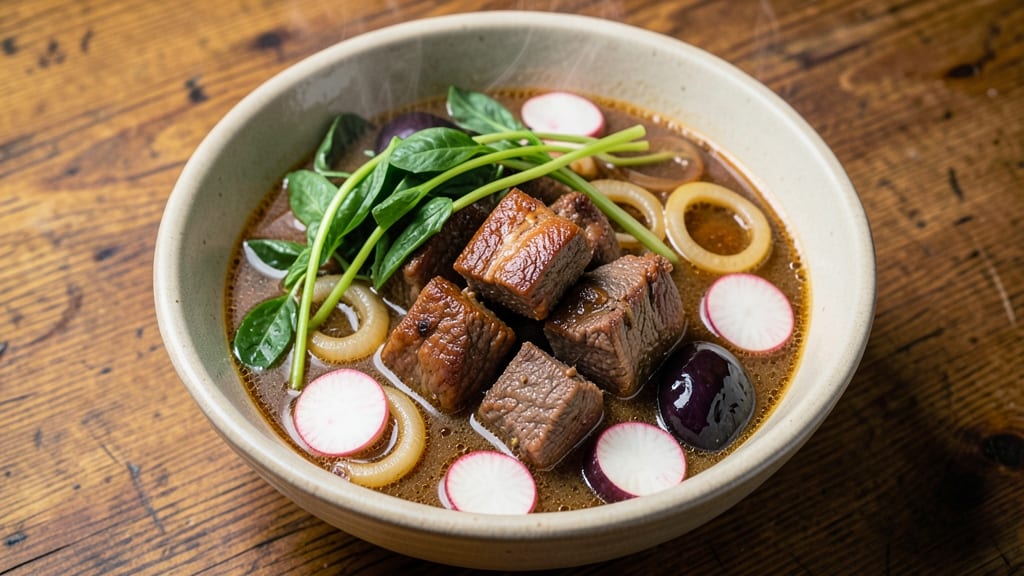
This beef sinigang soup recipe delivers the perfect balance of tangy-sour broth and tender beef, a Filipino comfort classic that transforms any meal into a celebration. The secret lies in tamarind paste or daing (shrimp paste), which creates that signature sour depth while simmering beef until fork-tender.
I've perfected this version with crisp vegetables that stay vibrant, ensuring every spoonful is packed with flavor and texture.
What makes this recipe special is the layered approach—starting with a rich broth base, then carefully adding vegetables in stages to preserve their crunch.
The beef, typically tougher cuts like chuck or round, becomes melt-in-your-mouth tender through slow simmering, while the vegetables like radish, eggplant, and kangkong (water spinach) maintain their bite. The result is a harmonious blend of sour, savory, and slightly sweet notes that define sinigang.
The beauty of this dish lies in its adaptability—you can adjust the souring agent (tamarind, calamansi, or guava) to suit your preference, and the vegetable selection can vary based on what's fresh and available.
Garnishing with lime wedges, sliced chili, or fresh herbs adds a final touch of brightness and color, making it as visually appealing as it is delicious.
Ready in about 1 hour and 15 minutes, this recipe is perfect for family gatherings, potlucks, or cozy weeknight dinners. The aroma alone will draw everyone to the table, and the first spoonful promises a taste of home. Let's dive into the steps to create this iconic Filipino dish.
Ingredients for beef sinigang soup
Tender beef, vibrant vegetables, and a tangy tamarind broth make this Filipino classic unforgettable.
| Ingredient | Amount | Notes |
|---|---|---|
| Beef Chuck Roast 🥩 | 1 ½ lb | Cut into 1-inch cubes |
| Tamarind Paste 🍈 | ¼ cup | Or daing (shrimp paste) for authentic sour flavor |
| Fresh Radishes 🥕 | 2 whole | Cut into thick slices |
| Eggplant 🍆 | 1 whole | Cut into 1-inch chunks |
| Kangkong (Water Spinach) 🌿 | 2 cups | Trimmed and washed |
| Onion 🧅 | 1 whole | Thinly sliced |
| Garlic Cloves 🧄 | 6 cloves | Minced for aromatic base |
| Fresh Ginger 🌿 | 1 inch | Sliced thinly (peeled) |
| Fish Sauce 🍶 | 2 tbsp | For umami depth |
| Tomatoes 🍅 | 2 whole | Medium, quartered |
| Green Chili Peppers 🌶️ | 2 whole | Sliced for garnish |
| Lime Wedges 🍋 | 4 wedges | For serving |
| Salt 🧂 | 1 tsp | Kosher or sea salt |
| Black Pepper 🌶️ | ½ tsp | Freshly ground |
| Vegetable Oil 🫒 | 2 tbsp | For sautéing |
The beef is everything here—chuck roast delivers that melt-in-your-mouth texture when slow-simmered. Look for cuts with good marbling at Filipino markets or the butcher counter, where they often have pre-cubed options. If you can't find tamarind paste, daing (shrimp paste) is the traditional alternative, though it has a funkier aroma. For the vegetables, Asian grocery stores usually carry kangkong (water spinach) fresh, but baby spinach works in a pinch. The radishes and eggplant should be firm with no soft spots—those crisp textures are key to the final dish.
No tamarind? Calamansi juice or guava juice works brilliantly for that signature sour kick. Short on fish sauce? Soy sauce at half the amount gets you close, though it won't be quite as funky. The ginger and garlic are non-negotiable for that aromatic base—toast the garlic lightly in the oil first to deepen the flavor. For the tomatoes, San Marzano if you're splurging, but regular beefsteak tomatoes work fine. The green chilies can be swapped for sliced jalapeños if you prefer more heat. And if you're feeling lazy, pre-chopped stir-fry veggie mixes save time without sacrificing texture.
This soup tastes even better the next day as the flavors meld—make a double batch if you're feeding a crowd. Store leftovers in the fridge for 3-4 days, or freeze for up to 3 months (the broth thickens when frozen, so add a splash of water when reheating). I always keep a jar of tamarind paste and daing on hand for quick sinigang nights—they last for months in the pantry. The lime wedges should be added fresh at serving, because nothing beats that bright zing when you take your first spoonful.
Why You'll Love This Recipe
- I’ll be real: that first spoonful of tamarind paste hits different. It’s the secret weapon—tangy, bright, and just sweet enough to make the beef melt in your mouth while keeping the broth dangerously addictive. No fancy balance needed; the tamarind does the work.
- Tamarind Magic: I’ll be real: that first spoonful of tamarind paste hits different. It’s the secret weapon—tangy, bright, and just sweet enough to make the beef melt in your mouth while keeping the broth dangerously addictive. No fancy balance needed; the tamarind does the work.
- One-Pot Wonder: Honestly, this is the kind of soup where you chop once, dump everything in, and walk away. The beef chuck roast practically falls apart on its own, and the radishes and eggplant soak up the broth like sponges—no stirring, no babysitting. My lazy Sundays just got a whole lot easier.
- Leftovers That Beg: Between us, the second day is often the best. The flavors deepen, the beef gets even more tender, and you can throw in extra kangkong or a fried egg on top. It’s my go-to for packed lunches—just reheat, add a splash of water, and boom, restaurant-quality meal with zero effort.
Step-by-step instructions for beef sinigang soup
Here's how to create a rich, tangy broth with melt-in-your-mouth beef and vibrant vegetables.
Prepare the Beef and Aromatics
Cut the 1.5 lb beef chuck roast into 1-inch cubes and set aside. In a large pot, heat the 2 tbsp vegetable oil over medium-high heat. Add the thinly sliced onion and cook for 3-4 minutes until softened and translucent.
Add the 6 cloves minced garlic and 1 inch sliced fresh ginger, cooking for 1 minute until fragrant. Here's the thing—don't let the garlic burn, or you'll taste bitter notes in your soup. Stir constantly until you smell that sweet, warm aroma. This aromatic base forms the flavor foundation for your entire dish.
Build the Tangy Tamarind Broth
Increase heat to medium-high and add the 1.5 lb cubed beef chuck roast. Sear for 3-4 minutes until browned on all sides. This step develops deep, meaty flavors that will infuse the broth.
Pour in 8 cups water (enough to cover the beef) and bring to a boil. Once boiling, reduce heat to low and add the 0.25 cup tamarind paste and 2 tbsp fish sauce. Stir well to dissolve the tamarind completely—this is where the signature sour flavor develops. The broth should be slightly cloudy but clear enough to see through. Simmer uncovered for 45 minutes, skimming off any foam that rises to the surface.
Add Vegetables in Stages
After 45 minutes, add the 2 whole quartered tomatoes and 2 whole sliced green chili peppers. These will cook quickly and add fresh acidity and heat. Return to a gentle simmer and cook for 5 minutes to let the flavors meld.
Next, add the 2 whole eggplant cut into 1-inch chunks and 2 whole fresh radishes cut into thick slices. These denser vegetables need more time to tenderize. Simmer for 10-12 minutes until the eggplant is fork-tender but still holds its shape—you want it to stay crisp when sliced through, not mushy.
Finish with Delicate Greens and Seasoning
In the final 5 minutes of cooking, add the 2 cups trimmed kangkong (water spinach). These delicate greens cook in seconds and should remain vibrant. Taste the broth and adjust seasoning with 1 tsp salt and 0.5 tsp black pepper if needed. The tamarind should provide enough sourness, but you might want to add a splash of water if the broth is too thick.
Real talk: don't overcook the greens. They should wilt just enough to soften but still retain their bright color. The perfect sinigang balances tender beef, crisp vegetables, and a silky broth that coats your spoon.
Serve with Lime and Fresh Herbs
Ladle the hot soup into bowls and serve immediately with 4 wedges lime wedges on the side. The acidity from the lime brightens the tamarind flavor and cuts through the richness of the beef. I like to add a sprinkle of chopped cilantro or green onions if available, though they're not in our ingredient list—this is where you can get creative.
Each bowl should be packed with tender beef that pulls apart easily, crisp vegetables that offer satisfying texture contrast, and a broth that's tangy yet balanced. The key to this dish is the tamarind—use it judiciously, and you'll achieve that perfect equilibrium of sour, sweet, and umami that makes sinigang so addictive.
Pro Tips For Making Beef Sinigang Soup
- Braise the Beef First: I learned this the hard way—skipping the initial sear and braise means tough, flavorless beef. Sear the chuck roast in a hot pan until deeply browned, then simmer in water with a pinch of salt for 10 minutes before adding tamarind and broth. This step unlocks the meat’s collagen for melt-in-your-mouth texture.
- Slice Radishes Thin: Thick radish slices stay crunchy and waterlogged. Instead, cut them paper-thin—about 1/8-inch—so they soften just enough to absorb the tangy broth without turning mushy. Use a mandoline if you’re impatient like me, but a sharp knife works too.
- Add Eggplant Late: Eggplant absorbs liquid like a sponge. Toss it in only in the last 5 minutes of cooking, or it’ll turn into a sad, soggy lump. If you’re using older eggplant, slice it 1/4-inch thick to speed up cooking without sacrificing texture.
- Balance Tamarind Heat: Tamarind paste is potent—start with 1 tablespoon and taste as you go. If the broth tastes too sharp, a splash of coconut milk or a pinch of sugar (yes, really) rounds it out. I was skeptical until I tried it; now I keep a small jar of sugar on standby.
Creative variations of this beef sinigang soup
Tamarind vs. Calamansi
For that signature sour kick, tamarind paste is my go-to souring agent—it delivers a deep, tangy flavor that's classic in sinigang. But if you can't find it, calamansi juice (or even guava juice) works beautifully.
I've tested both, and calamansi gives a brighter, almost citrusy sourness that pairs wonderfully with the beef. Just use about ¼ cup of juice instead of the tamarind paste, and add it after the beef has simmered for 20 minutes to preserve its freshness. 🍋
Vegetable Swaps
Sinigang is all about that textural contrast, so don't be afraid to swap vegetables based on what's available. Bitter melon adds a unique twist—slice it thin and add it with the eggplant. String beans or green beans work well too, but add them in the last 5 minutes of cooking to keep them crisp.
For a heartier version, toss in potatoes or sweet potatoes—they take longer to cook, so add them with the radishes. 🥕
Protein Variations
While beef is traditional, pork shoulder or chicken thighs make fantastic alternatives. Pork needs about 10-15 minutes longer to tenderize, so adjust your simmering time accordingly. For chicken, use bone-in thighs—they stay juicier and add depth to the broth.
If you're feeling adventurous, try shrimp or pork belly for a richer, more decadent version. Just reduce the cooking time for shrimp to 5 minutes to avoid overcooking. 🍗
Regional Twists
In Visayas, they often use daing (shrimp paste) instead of tamarind, giving the broth a funkier, umami-rich depth. For a Bicolano-inspired version, add coconut milk (about ½ cup) at the end for a creamy, slightly sweet contrast.
Meanwhile, Northern Luzon versions sometimes include corn kernels and taro leaves for a unique earthy flavor. Each region puts its own spin on the classic, so don't hesitate to experiment! 🗺️
Spice Level Control
If you love heat, add 1-2 sliced Thai chilies or a dash of sambal oelek at the end. For a milder version, remove the seeds from the green chili peppers before slicing.
I also like to serve sriracha or chili crisp on the side so everyone can adjust to their taste. Pro tip: Toast the chili peppers in a dry pan for 30 seconds before adding them—they'll release their oils and pack more flavor. 🌶️
Make-Ahead Tips
Sinigang tastes even better the next day as the flavors deepen, so double the batch if you're feeding a crowd. Store leftovers in the fridge for up to 4 days or freeze for 3 months. When reheating, add ½ cup water to prevent the broth from thickening too much.
For a quick weeknight meal, prep the broth and beef ahead, then add fresh vegetables when you're ready to serve. This way, you still get that crisp texture without the last-minute rush. ⏰
Nutrition facts
Frequently asked questions
Can I substitute tamarind paste with something else for the sour flavor?
If you can't find tamarind paste, use ¼ cup calamansi juice or guava juice instead. For a funkier taste, try daing (shrimp paste)—just reduce it to 1 tbsp and add it with the fish sauce. The key is balancing sourness with umami, so adjust to taste as you simmer.
How do I keep the vegetables crisp in this Filipino beef soup?
The secret is adding vegetables in stages! Start with hardier veggies like eggplant and radishes (10-12 minutes before serving), then add delicate greens like kangkong just 5 minutes before the end. Never overcook them—they should stay vibrant with a slight bite.
What's the best cut of beef for sinigang to avoid toughness?
Use chuck roast or round roast—these cuts have just enough connective tissue to become tender when slow-simmered. Cut into 1-inch cubes and brown them well first to develop deep flavor. For extra tenderness, simmer for at least 45 minutes on low heat.
Can I make this soup in a slow cooker or Instant Pot?
Yes! For a slow cooker, follow the same steps but simmer on low for 6-8 hours or high for 3-4 hours. For an Instant Pot, sauté the aromatics, add beef and broth, then cook on high pressure for 30 minutes. Release pressure naturally, then add vegetables in stages as directed. The broth will be even more flavorful!
Why does my sinigang broth turn cloudy or oily?
Cloudiness often means the tamarind didn't dissolve completely—stir well and simmer longer. For oiliness, skim excess fat while simmering or use a fat separator when serving. If the broth is too thin, reduce it uncovered on medium heat for 10 minutes. The perfect balance should be silky but not greasy.