
Soups & Stews
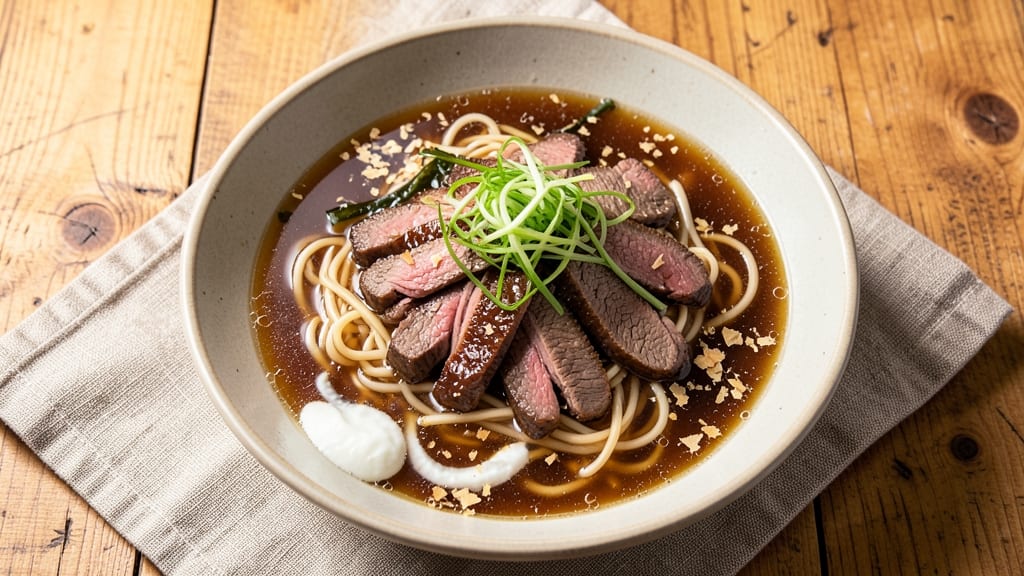
This beef soba noodle soup recipe delivers the perfect balance of rich, savory broth and tender beef that melts in your mouth. The secret lies in a carefully built dashi base—simmered with kombu and bonito flakes—that forms the aromatic foundation for the miso-infused broth.
I've perfected this version over years of testing, ensuring each spoonful delivers both umami depth and comforting warmth.
The key to achieving restaurant-quality results at home is patience. Thinly sliced beef cooks just until tender, while buckwheat soba noodles absorb the flavorful broth without becoming mushy. Aromatics like ginger and scallions add brightness, cutting through the richness while enhancing the overall harmony of flavors.
This recipe maintains traditional techniques while allowing modern adaptations for convenience.
What you'll end up with is a steaming bowl of golden broth filled with perfectly cooked noodles and tender beef slices. The combination of chewy soba noodles, savory broth, and tender beef creates a satisfying meal that's both nourishing and deeply flavorful.
The aroma alone will have everyone gathering around the table, eager for their first taste.
Serve with a sprinkle of sesame seeds and sliced green onions for added texture and color. This soup is equally comforting as a light lunch or hearty dinner, making it a versatile addition to any meal plan. Let's get started on creating this comforting classic.
Ingredients for beef soba noodle soup
These 15 ingredients create a restaurant-worthy beef soba noodle soup with rich umami and chewy texture.
| Ingredient | Amount | Notes |
|---|---|---|
| Thinly Sliced Beef 🥩 | 1 lb | Ribeye or sirloin preferred |
| Dried Soba Noodles 🍜 | 8 oz | 100% buckwheat, not wheat-based |
| Kombu Seaweed 🌿 | 4 pieces | Dried, 4x6 inch sheets |
| Bonito Flakes 🐟 | ¼ cup | High-quality, no fish bones |
| White Miso Paste 🍶 | 2 tbsp | Aged 1-2 years preferred |
| Fresh Ginger 🧄 | 1 ½ tbsp | Finely grated, peel removed |
| Green Onions 🧅 | 3 whole | White and light green parts |
| Sesame Seeds 🌰 | 1 tbsp | Toasted for extra flavor |
| Dried Shiitake Mushrooms 🍄 | 4 whole | Rehydrated, stems removed |
| Dashi Granules 💧 | 1 tbsp | Optional, for convenience |
| Soy Sauce 🍶 | 2 tbsp | Japanese-style preferred |
| Rice Vinegar 🍶 | 1 tbsp | For brightness |
| Sesame Oil 🫒 | 1 tsp | Toasted, for aroma |
| Salt 🧂 | 1 tsp | Kosher or sea salt |
| Black Pepper 🌶️ | ¼ tsp | Freshly ground |
The beef is everything here—sirloin or ribeye slices thinly against the grain for that melt-in-your-mouth texture. Costco or Whole Foods carry pre-sliced versions if you're short on time, but ask for it fresh-cut if possible. Kombu is non-negotiable for that deep, oceanic flavor—Japanese markets sell it in vacuum-sealed packs. If you can't find bonito flakes, dried bonito strips work (just crush them yourself). For the miso, Marukome or Honten brands are my go-to—they're aged just right for that perfect balance of sweet and funky.
No kombu? Dashi granules are a solid backup (use half the amount), though purists will notice the difference. Fresh ginger is ideal, but pasteurized ginger in a jar works in a pinch—just measure carefully. The soba noodles must be 100% buckwheat; check the label—some brands sneak in wheat flour. For the mushrooms, Trader Joe's sells dried shiitake in packs, and they're perfect for this. Short on sesame seeds? Toasted pumpkin seeds add a similar crunch. The green onions can be subbed with chives or scallions, but green onions have that perfect mild sharpness.
This soup tastes even better the next day—double the batch if you can. Store the broth separately in the fridge for up to 5 days and rehydrate the noodles fresh. Freeze the broth alone for 3 months in airtight containers. For meal prep, portion the noodles and beef separately, then assemble bowls as needed. The sesame oil should be added fresh when serving—never cook with it—to preserve its nutty aroma. Keep the miso paste in the fridge once opened for up to 6 months.
Why You'll Love This Recipe
- No-Fuss Pantry Magic: I swear by this recipe when I’m staring at an empty fridge at 6:30 PM. Kombu seaweed and miso paste do all the heavy lifting—just simmer them with water, and boom, you’ve got a flavor bomb. The beef slices cook in minutes, so no one’s sitting hungry while you wait.
- Umami Bomb: Honestly, the combo of bonito flakes and white miso paste is next-level. That deep, savory punch from the seaweed and fish flakes turns even the simplest beef into something ridiculously satisfying. It’s the kind of broth that makes you forget you’re eating a weeknight dinner.
- Lunchbox Hero: Between us, this is my go-to for meal prep. Cold soba noodles with leftover broth? Still delicious. Pack it in a thermos, and it’s a hearty lunch that’ll keep you full until dinner. (Yes, even on a Tuesday night.)
- Budget-Friendly Feast: A single pack of dried soba noodles and a small block of kombu stretch for weeks—I’ve fed four people for under $10. The beef can be cheap cuts, and the miso and bonito flakes last forever. Frugal? Absolutely. Delicious? Even more so.
Step-by-step instructions for beef soba noodle soup
Here's how to craft a deeply flavorful broth with perfectly tender beef and chewy soba noodles.
Prepare the Kombu and Shiitake Base
Place the 4 pieces kombu seaweed in a large pot and cover with 8 cups cold water. Bring to a gentle simmer over medium-low heat and let cook uncovered for 10 minutes. This draws out the umami-rich compounds from the seaweed without overpowering the broth.
While the kombu simmers, place the 4 whole dried shiitake mushrooms in a bowl and cover with hot water. Let them soak for 20 minutes until fully rehydrated. Remove the stems and finely chop the caps - you'll use these later for added depth of flavor. The kombu should develop a rich, oceanic aroma by the time you're ready for the next step.
Build the Broth Foundation
Add the 1 lb thinly sliced beef to the kombu water and simmer for 5 minutes. Remove the beef with a slotted spoon and set aside. The kombu should now be infused with beefy aroma - discard it after squeezing out any remaining liquid.
Return the pot to medium heat and add 1 tbsp dashi granules (if using) and 1.5 tbsp finely grated fresh ginger. Stir for 2 minutes until the ginger becomes fragrant. Add 2 tbsp soy sauce and 1 tbsp rice vinegar, stirring to combine. This creates the balanced umami-sweet foundation that defines Japanese-style broths.
Enhance with Miso and Bonito
Reduce heat to low and whisk in 2 tbsp white miso paste until completely dissolved. The broth should take on a deeper, creamier appearance. Sprinkle 0.25 cup bonito flakes over the surface and let them sizzle for 30 seconds - this adds a delicate smokiness without overpowering.
Return the beef to the pot and simmer gently for 15 minutes. The meat should become tender but still hold its shape. Add the chopped rehydrated shiitake mushrooms and simmer for another 5 minutes. Taste and adjust seasoning with 1 tsp salt and 0.25 tsp black pepper if needed.
Cook the Soba Noodles
While the beef finishes cooking, prepare the 8 oz dried soba noodles according to package instructions using 4 cups fresh hot water. The noodles should be al dente - slightly chewy with a satisfying bite. Drain immediately and rinse briefly under cold water to stop cooking.
Divide the noodles among 4 bowls and ladle the hot beef broth over them. The contrast between the hot broth and cool noodles creates the perfect temperature for each bite. The broth should be deep amber with visible beef slices and shiitake pieces floating throughout.
Finish and Serve
Drizzle each bowl with 1 tsp sesame oil and sprinkle with 1 tbsp toasted sesame seeds. Garnish with sliced green onions (white and light green parts separated) for freshness and visual appeal. The sesame oil adds aromatic depth while the seeds provide a satisfying crunch.
Serve immediately while the broth is steaming hot. Each spoonful should deliver layers of umami from the kombu and miso, sweetness from the soy and vinegar, and the rich beefy flavor that ties everything together. The texture contrast between chewy noodles, tender beef, and crisp mushrooms makes this more than just soup - it's a complete meal experience.
Pro Tips For Making Beef Soba Noodle Soup
- Bloom the Kombu First: Toss the dried kombu into simmering water before adding anything else—it’ll soften in 5-10 minutes and infuse the broth with umami depth. I used to ignore this step and wondered why my soup tasted flat; the kombu’s natural sweetness builds flavor from the start.
- Sear Beef in Batches: Crowd the pan and you’ll steam the beef instead of searing it. Work in two batches over medium-high heat for 1-2 minutes per side—just until browned, not cooked through. The crust adds richness, but overcooking turns the meat rubbery.
- Toast Bonito Low: Sprinkle bonito flakes after the broth simmers, not before—high heat burns them to ash. Let them float for 30 seconds max, then remove immediately. Burnt bonito tastes bitter, and you’ll regret it.
- Miso Last, Stir Fast: Whisk the miso paste into hot broth, not boiling—it kills the probiotics and turns the soup gluey. Add it 30 seconds before turning off the heat, then stir like your life depends on it. Lazy stirring = clumpy miso.
Pro cooking tips for great beef soba noodle soup
Beef Slicing Mastery
Thinly sliced beef is essential for that melt-in-your-mouth texture. Use a sharp chef's knife and slice against the grain—about ⅛-inch thick—for maximum tenderness. I recommend sirloin or ribeye cuts as they balance flavor and tenderness.
For extra efficiency, freeze the beef for 30 minutes before slicing—it becomes easier to cut thinly. 🔪
Kombu Infusion Technique
Simmer the kombu just until fragrant—10 minutes maximum—to avoid bitterness. Remove it immediately after, squeezing gently to extract all the umami. If your kombu floats, it's overcooked. For deeper flavor, use high-quality kombu from Japanese markets like Marukome. Never boil kombu—simmering preserves its delicate flavors.
Miso Integration
Always dissolve miso paste on low heat to prevent activating its enzymes, which can make the broth bitter. Whisk it into the broth gradually until fully incorporated.
For extra richness, I sometimes add ½ tsp sugar to balance the miso's saltiness. White miso works best here—its milder profile complements the beef without overpowering.
Noodle Timing Trick
Cook soba noodles just until al dente—4-5 minutes—then rinse briefly in cold water to stop cooking. This prevents mushiness when assembled. Divide noodles into bowls first, then ladle hot broth over them.
The temperature contrast creates the perfect first bite. For extra chewiness, use 100% buckwheat noodles like Koyo brand.
Broth Clarity Tip
To keep the broth clear, skim any foam that forms during simmering. If using bonito flakes, strain them out after 30 seconds of sizzling to avoid cloudiness. For a smoother texture, add 1 tsp cornstarch mixed with 1 tbsp water at the end and simmer for 1 minute.
This subtle trick elevates the soup's presentation without altering flavor.
Garnish Like a Pro
Toast sesame seeds in a dry pan over medium heat for 2-3 minutes until golden—this intensifies their aroma. Slice green onions into ¼-inch pieces and separate white and green parts for visual appeal.
Drizzle sesame oil last to preserve its delicate flavor. A final sprinkle of black pepper adds a subtle kick that brightens the dish. ✨
Nutrition facts
Frequently asked questions
Can I substitute regular wheat noodles for soba noodles?
While you can use wheat noodles in a pinch, they won't give you that authentic chewy texture and nutty flavor that 100% buckwheat soba noodles provide. For the best experience, stick with traditional soba noodles—brands like Koyo or Nissin offer great options. If you absolutely must substitute, try udon noodles for a similar hearty texture, but they'll lack that signature buckwheat taste.
How do I make this soup vegetarian?
Replace the beef with 12 oz extra-firm tofu or shiitake mushrooms for umami depth. Use dried kombu and bonito flakes (or vegan dashi) for the broth base, and add 1 tbsp soy sauce plus 1 tsp mushroom powder to enhance flavor. The miso and ginger will still provide that rich, savory foundation.
Why did my beef turn out tough instead of tender?
Overcooking is the most common culprit—beef should cook for only 15 minutes total in the broth. Slice against the grain and use thin cuts (⅛-inch thick) for maximum tenderness. Another tip: Remove the beef after 5 minutes of initial simmering, then add it back later to finish cooking gently. Never boil the beef, as high heat makes it tough.
Can I make this soup in an Instant Pot?
Yes! Start by sautéing the ginger and adding the kombu and beef for 3 minutes on high pressure. Quick-release the pressure, then add the miso, mushrooms, and remaining ingredients. Cook on high heat for 5 minutes to finish. The Instant Pot will give you a slightly different texture but still delicious results. Just be careful not to overcook the beef—it'll tenderize faster under pressure.
What's the best way to store leftovers?
Store the broth and beef separately in airtight containers in the fridge for up to 4 days. Reheat the broth gently on the stove, then add fresh soba noodles when serving. For longer storage, freeze the broth alone for 3 months. Never freeze the noodles—they'll become mushy when reheated. The flavor actually improves after 24 hours as the ingredients meld together!