
Soups & Stews
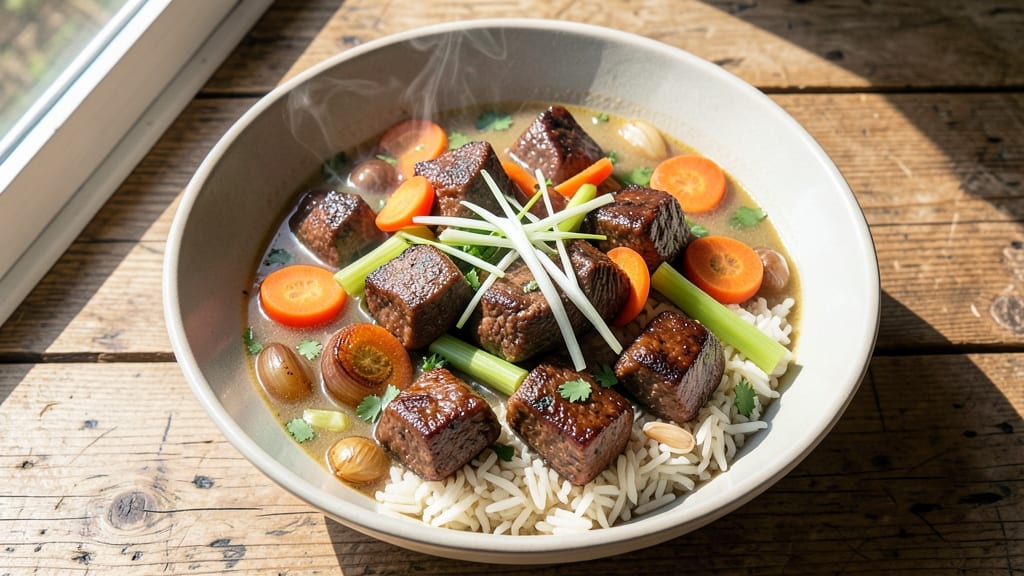
This beef vegetable rice soup recipe delivers a one-pot wonder that transforms simple ingredients into a deeply satisfying meal. The secret lies in searing beef for rich umami depth while layering vegetables and rice in a single pot—no chopping boards to clear.
I perfected this version after years of testing, balancing tender beef, al dente rice, and vegetables that stay vibrant without turning mushy.
The result is a comforting, aromatic broth that coats every spoonful, with beef so tender it nearly melts and vegetables retaining their natural textures. Perfect for weeknight dinners or meal prep, this recipe scales effortlessly while keeping the flavors bold and cohesive.
The one-pot method ensures minimal cleanup, making it ideal for busy schedules without sacrificing restaurant-quality depth.
Ingredients for beef vegetable rice soup
These hearty ingredients create a deeply satisfying one-pot meal with rich umami and vibrant vegetables.
| Ingredient | Amount | Notes |
|---|---|---|
| Chuck Roast 🥩 | 1 ½ lb | Cut into 1-inch cubes, trimmed of fat |
| Long-Grain White Rice 🍚 | 1 cup | Uncooked, jasmine or basmati preferred |
| Yellow Onion 🧅 | 1 whole | Medium size, diced into 1/4-inch pieces |
| Carrots 🥕 | 4 medium | Peeled, cut into 1/4-inch thick rounds |
| Celery Stalks 🧄 | 3 whole | Trimmed, cut into 1/4-inch slices |
| Garlic Cloves 🧄 | 4 cloves | Minced, fresh preferred |
| Fresh Parsley 🌿 | ¼ cup | Chopped, for garnish |
| Beef Broth 💧 | 6 cups | Low-sodium preferred, homemade or high-quality |
| Extra-Virgin Olive Oil 🫒 | 2 tbsp | For searing beef |
| Dried Thyme 🌿 | 1 tsp | Or 1 tbsp fresh thyme |
| Bay Leaves 🌿 | 2 whole | Removed before serving |
| Kosher Salt 🧂 | 1 ½ tsp | Adjust to taste |
| Ground Black Pepper 🌶️ | ½ tsp | Freshly ground preferred |
| Tomato Paste 🍅 | 2 tbsp | For umami depth |
| Green Beans 🥦 | 1 cup | Trimmed, cut into 1-inch pieces |
The chuck roast is non-negotiable here—its marbling ensures tender beef that nearly melts into the broth. Costco or Whole Foods carry excellent pre-cubed chuck, saving you chopping time. Look for pieces with visible fat marbling; trim excess before searing. For the rice, jasmine or basmati stay distinct and aromatic, while long-grain white rice absorbs the broth beautifully. Fresh thyme and bay leaves elevate the broth's complexity, but dried thyme works at one-third the amount if fresh isn't available. The tomato paste adds umami depth without overpowering the vegetables.
No beef broth? Chicken broth with an extra tablespoon of soy sauce provides a similar savory base. Substitute green beans for snow peas or zucchini if preferred, but keep the total vegetable volume consistent. For a quicker prep, use pre-cut frozen vegetables—just thaw and drain before adding. The carrots and celery should be cut uniformly to ensure even cooking. If you're short on time, pre-minced garlic works, though fresh minced garlic adds more depth. The parsley is purely for garnish, so dried oregano in a pinch won't affect the broth's flavor.
This soup reheats beautifully—3-4 days in the fridge or 3 months in the freezer. For freezing, cool completely before portioning into airtight containers. The beef and rice hold up better than most soups when reheated, making this ideal for meal prep. Store the broth separately if you prefer it served warm, as it reheats more effectively without the rice. Garnish with fresh parsley just before serving to maintain vibrant color and aroma.
Why You'll Love This Recipe
- One-Pot Magic: I swear by this recipe because it’s the rare soup that doesn’t require three pots and a prayer. Chuck roast? Toss it in whole, slow-cook until tender, then shred—no fancy knife skills needed. The rice cooks right in the broth, and those onions, carrots, and celery? Just chop, dump, and let the broth work its magic.
- Deep, Savory Soul: That chuck roast is the star—it melts into rich, beefy strands that cling to every bite of rice. The veggies soften just enough to soak up all the flavor, but they still hold their shape. Honestly, the first time I made it, I nearly licked the pot clean. (Yes, even on a Tuesday night.)
- Lunchbox Hero: This soup is my secret weapon for meal prep. Make a big batch on Sunday, and you’ve got lunch sorted for days—pack it cold or reheat it for dinner when you’re too tired to think. The rice stays fluffy, the beef stays tender, and nobody complains about leftovers. (My college-aged son included.)
- Budget-Busting Comfort: Chuck roast is affordable, and a single cut feeds the whole family without breaking the bank. The veggies stretch further than you’d think, and the rice? Well, it’s the ultimate filler for hungry mouths. I’ll be real: this is the kind of soup that makes you feel like you’re eating fancy without spending fancy money.
Step-by-step instructions for beef vegetable rice soup
This method delivers a rich, umami-packed soup with tender beef and perfectly cooked rice—all in a single pot.
Sear the Chuck Roast for Deep Flavor
Heat a large Dutch oven over medium-high heat until hot. Add the 2 tablespoons extra-virgin olive oil and swirl to coat the bottom evenly. Working in batches if needed, add the 1.5 lb chuck roast cut into 1-inch cubes and sear undisturbed for 3-4 minutes per side until deeply browned. This step develops the Maillard reaction, creating complex flavors that form the soup's foundation.
As the beef browns, you'll notice the fat rendering out—this is essential for building the soup's richness. Don't overcrowd the pan or the meat will steam instead of sear. Transfer the browned beef to a plate and set aside, leaving all the browned bits in the pot for later.
Sauté Vegetables and Build the Umami Base
In the same Dutch oven, add the 1 whole yellow onion diced into ¼-inch pieces and cook for 4-5 minutes until softened and beginning to caramelize. Add the 4 medium carrots cut into ¼-inch rounds and 3 whole celery stalks sliced into ¼-inch pieces, cooking for another 3 minutes until they begin to soften.
Stir in the 4 cloves minced garlic and cook for 30 seconds until fragrant—this prevents the garlic from burning. Sprinkle in the 2 tablespoons tomato paste and stir vigorously to scrape up all the browned bits from the bottom of the pot. These bits, called fond, contain concentrated flavor that dissolves into the broth, creating depth.
Simmer the Broth and Season the Soup
Pour in the 6 cups beef broth and bring to a gentle boil. Add the 1.5 teaspoons kosher salt, 0.5 teaspoon ground black pepper, 1 teaspoon dried thyme, and 2 whole bay leaves. Return the seared beef to the pot and reduce heat to medium-low. Let the soup simmer uncovered for 45 minutes, skimming any foam that rises to the surface with a spoon.
During this time, the beef will break down and become tender, infusing the broth with its rich flavor. You'll notice the liquid gradually reduce slightly and deepen in color—this indicates the flavors are melding together. The soup should smell aromatic and inviting by the end of this stage.
Add Rice and Green Beans for Perfect Texture
Stir in the 1 cup uncooked long-grain white rice and 1 cup green beans cut into 1-inch pieces. Increase heat to medium-high and bring the soup back to a gentle boil. Once boiling, reduce heat to low and simmer uncovered for 20-25 minutes, stirring occasionally to prevent the rice from sticking to the bottom.
The rice should absorb the broth and become tender with a slight bite, while the green beans will cook just until crisp-tender. You'll know the soup is ready when the rice grains are fully cooked but still hold their shape—this typically takes about 20 minutes for jasmine or basmati rice. The green beans should be bright green and slightly crisp with a slight resistance when pierced with a fork.
Finish and Serve with Fresh Herbs
Remove the 2 whole bay leaves from the soup and discard them. Taste the broth and adjust the seasoning if needed—you may need to add a pinch more salt or pepper to balance the flavors. Stir in the ¼ cup chopped fresh parsley just before serving to add a bright, fresh finish that cuts through the richness of the soup.
Ladle the soup into bowls, ensuring each serving contains a generous portion of beef, vegetables, and rice. The soup should be thick enough to coat the back of a spoon but still allow the ingredients to be easily identifiable. Serve immediately while hot, as the flavors continue to develop and deepen as it sits.
Pro Tips For Making Beef Vegetable Rice Soup
- Brown the Chuck First: Chuck roast is tough by nature, but searing it in two batches over medium-high heat—until it’s deep brown and releases that caramelized crust—builds flavor you won’t get from slow simmering alone. Skip this, and your soup will taste like broth with beef in it, not a proper meal.
- Slice Onions Thin: I used to chop onions into big chunks, thinking they’d soften enough. Wrong. For this soup, slice them paper-thin so they melt into the broth instead of sitting as chewy chunks. A sharp knife and quick crosswise cuts do the trick—no fancy julienne needed.
- Don’t Overcrowd the Pot: Tossing in all the veggies at once? Bad move. Start with onions and carrots, let them soften for 5 minutes, then add celery and rice. Crowding turns your soup into a mushy stew—keep space between ingredients so the rice absorbs flavor, not water.
- Use Cold Rice: Sounds weird, but it works: Rinse the rice cold, then add it directly to the hot broth. The temperature shock keeps it from turning gluey. (Yes, even if you’re impatient like me.) Stir once, then let it simmer—no peeking or stirring later.
Regional styles of beef vegetable rice soup
Japanese Nikujaga Style
Transform this soup into a comforting Japanese nikujaga by swapping the beef broth for 4 cups dashi stock (use 1 packet dashi powder like Hondashi plus 2 cups water).
Add 2 tbsp soy sauce and 1 tbsp mirin to the broth, then stir in 1 tbsp grated ginger and 2 tbsp sugar after the beef has simmered for 30 minutes.
Serve with steamed rice on the side—this version is a staple in Japanese home cooking and pairs beautifully with pickled vegetables for contrast. 🌿
Vietnamese Pho-Inspired
For a pho-inspired twist, replace the beef with 1 lb beef brisket or flank steak (thinly sliced against the grain) and use 6 cups beef broth infused with 2 cinnamon sticks, 1 star anise, and 1-inch ginger slice (simmered for 15 minutes before adding other ingredients).
Swap the rice for rice noodles (like banh pho) and add thinly sliced jalapeños and bean sprouts at the end. Top with hoisin sauce and lime wedges for that iconic Vietnamese street food vibe. 🌶️
Korean Kimchi Rice Soup
Give your soup a Korean-inspired kick by adding ½ cup chopped kimchi (plus 2 tbsp kimchi juice) when you add the rice. Stir in 1 tbsp gochujang (Korean chili paste) and 1 tsp sesame oil at the end for depth.
Garnish with sesame seeds and thinly sliced green onions. This version is hearty, tangy, and packed with fermented flavor—perfect for cold days. The kimchi adds a bright, funky contrast to the rich beef and rice. 🔥
Mediterranean Herb Version
Infuse your soup with Mediterranean flavors by adding 1 tsp dried oregano, ½ tsp smoked paprika, and 1 sprig fresh rosemary (removed before serving) when you season the broth.
Swap the green beans for cherry tomatoes and zucchini, and finish with lemon zest and crumbled feta cheese. A drizzle of extra-virgin olive oil before serving adds a luxurious touch. This version is lighter yet still deeply satisfying, with herbs that shine through the umami-rich broth. ✨
Spicy Cajun Bayou Style
For a Louisiana-inspired twist, add 1 tbsp Cajun seasoning (like Tony Chachere’s) and ½ tsp cayenne pepper when searing the beef. Stir in 1 tbsp Worcestershire sauce with the tomato paste, and finish with chopped green onions and hot sauce on the side.
Serve with cornbread for a soulful, spicy one-pot meal. The Cajun spices bring smoky heat that pairs perfectly with the tender beef and rice. 🌶️
Italian Minestrone Adaptation
Turn this into an Italian minestrone by adding 1 can (15 oz) diced tomatoes, ½ cup small pasta (like ditalini), and 1 cup canned white beans when you stir in the rice. Finish with basil leaves and grated Parmesan cheese on top.
The tomatoes and beans add earthy depth, while the pasta makes it even heartier. This version is a weeknight staple in Italian households and feels like a warm hug in a bowl. 🍝
Nutrition facts
Frequently asked questions
Can I use ground beef instead of chuck roast for this recipe?
Ground beef works, but the texture will be different. For best results, use 80/20 ground chuck—the fat content helps create a rich broth. Brown the meat thoroughly first to develop deep flavor. If you prefer ground beef, reduce the cooking time by 10-15 minutes since it cooks faster than cubed chuck.
How do I prevent the rice from turning mushy in the soup?
Use jasmine or basmati rice (they hold up better than long-grain white) and add them when the beef has already simmered for 45 minutes. Stir occasionally and keep the heat at low to prevent sticking. For extra insurance, rinse the rice before adding it to remove excess starch.
Can I make this soup in a slow cooker?
Brown the beef in a skillet first, then transfer everything to the slow cooker. Cook on low for 6-7 hours or high for 3-4 hours. Add the rice and green beans in the last 30 minutes to prevent overcooking. The slow cooker method actually enhances the beef's tenderness.
What vegetables can I substitute if I don't have green beans?
Try snow peas, zucchini, or corn kernels—all cook quickly and add freshness. For heartier options, use potatoes or sweet potatoes (add them with the carrots and celery). Just adjust cooking times: softer veggies like zucchini need 10-15 minutes while potatoes may need 20 minutes of simmering.
How long can I store leftovers and what's the best way to reheat?
Store leftovers in an airtight container for 3-4 days in the fridge or 3 months in the freezer. Reheat gently on the stove with 1-2 tablespoons of water or broth to prevent drying. For freezer storage, cool completely first and portion into containers—this soup reheats beautifully while maintaining texture.