
Soups & Stews
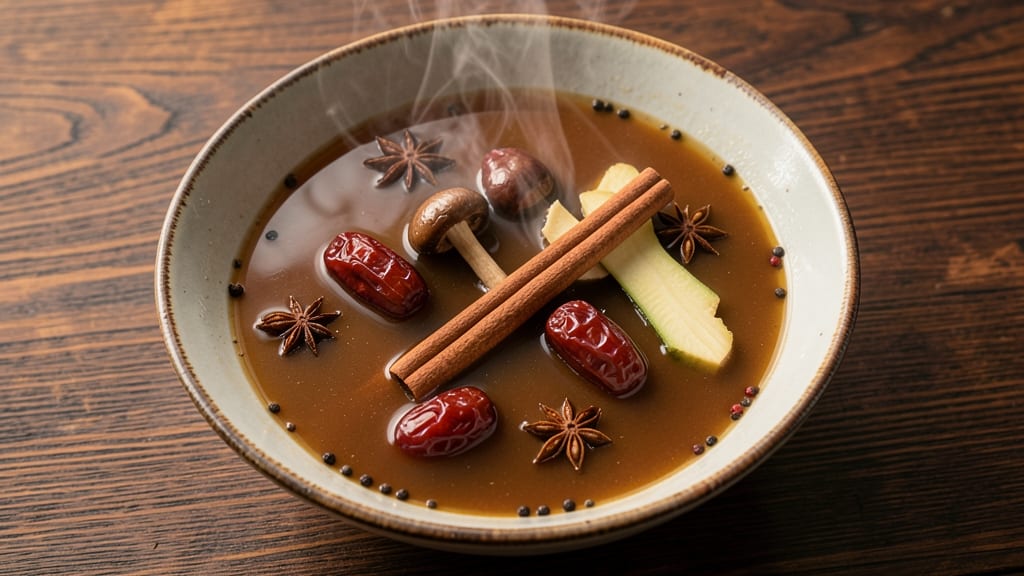
This Beijing soup recipe delivers the aromatic essence of China's capital in every steaming bowl—where fragrant eight-treasure broth meets tender ingredients for a meal that's both comforting and deeply flavorful.
The secret lies in slow-simmered bone broth infused with star anise, cinnamon, and Sichuan peppercorns, creating layers of warmth that linger long after the first sip. I've perfected this version after years of studying Beijing's street food culture, where every bowl tells a story of tradition and care.
The magic begins with a rich, collagen-packed broth that forms the soul of this dish. Traditional techniques like blanching vegetables and optional additions of wontons, tofu, or seafood allow for customization while maintaining authenticity.
What makes this recipe special is its balance—deep umami from the broth, subtle heat from the spices, and the satisfying texture of ingredients that cook just until tender. This isn't just soup; it's a culinary experience that transports you to Beijing's bustling hutongs.
By the time you serve this soup, you'll have created a dish that's restaurant-quality at home—steaming with aromatic herbs, perfectly seasoned, and ready to be shared.
The presentation matters too: serve in deep bowls with garnishes like scallions and cilantro, and watch as the fragrant steam rises to greet your guests. This is the kind of recipe that becomes a family tradition, passed down with each bowlful of warmth and flavor.
The beauty of this Beijing soup lies in its versatility. Use it as a light lunch, a healing meal when you're under the weather, or a centerpiece for gatherings. The broth can be made ahead and reheated, making it perfect for meal prep.
Whether you stick to the classic version or add your own twist, this recipe delivers the heart of Beijing in every spoonful—rich, comforting, and impossible to resist.
Ingredients for beijing soup
Six cups of aromatic broth and twelve treasures transform into a Beijing classic.
| Ingredient | Amount | Notes |
|---|---|---|
| Pork Bone Broth 🍲 | 8 cups | Homemade or high-quality store-bought |
| Fresh Ginger Root 🧅 | 2 tbsp | Finely grated, fresh preferred |
| Star Anise Pods 🌿 | 2 whole | Whole pods for infusion |
| Cinnamon Sticks 🌿 | 2 whole | For aromatic depth |
| Sichuan Peppercorns 🌶️ | 1 tsp | Lightly toasted for aroma |
| Dried Shitake Mushrooms 🍄 | 4 whole | Rehydrated in hot water |
| Dried Goji Berries 🍇 | 1 tbsp | For sweetness and texture |
| Dried Red Dates 🍯 | 4 whole | Pitted and sliced |
| Fresh Scallions 🧅 | ¼ cup | Sliced for garnish |
| Fresh Cilantro 🌿 | ¼ cup | Chopped for garnish |
| Wonton Wrappers 🥟 | 12 whole | Optional for texture |
| Silken Tofu 🍲 | 8 oz | Cubed for texture |
| Seafood Option 🦐 | 1 lb | Shrimp or scallops, optional |
| Diamond Crystal Kosher Salt 🧂 | 1 ½ tsp | Adjust to taste |
| White Peppercorns 🌶️ | ½ tsp | Freshly ground |
The broth is the heart of this soup, so don't skimp. Homemade pork bone broth gives the richest flavor, but high-quality store-bought like Kettle & Fire works in a pinch. Look for marrow bones and knuckle bones when making your own—they release the most collagen. For the spices, whole star anise and cinnamon sticks from Penzeys Spices or your local Asian market add layers of warmth. Sichuan peppercorns? Toast them lightly in a dry pan first—they'll release their signature tingling aroma. Fresh ginger is non-negotiable here; the dried version just doesn't cut it for this recipe.
No fresh ginger? Double the dried ginger, but trust me on this—it won't be the same. Out of star anise? Anise seeds work at half the amount, but you'll lose that signature licorice note. The dried shitake mushrooms should be rehydrated in hot water, not boiling, to preserve their delicate texture. For the seafood option, shrimp or scallops are classic, but firm white fish works too if you're avoiding shellfish. The wonton wrappers? King Noodle brand is my go-to—they're thin and hold up beautifully in the broth. If you can't find them, egg roll wrappers are a decent substitute.
Broth keeps beautifully—5 days in the fridge or 3 months in the freezer. I always make a double batch; it's perfect for meal prep or sharing. Store the broth separately from the garnishes to keep everything fresh. When reheating, add a splash of water if it's reduced too much—you want that fragrant steam rising when you serve it. The garnishes? Fresh cilantro and scallions should be added just before serving so they stay vibrant. This soup tastes even better the next day as the flavors meld together—proof that good things come to those who simmer patiently.
Why You'll Love This Recipe
- Simmered in Minutes: I swear, this soup comes together faster than takeout—just toss the broth, ginger, and spices into a pot, and let them work their magic. No chopping, no fuss, just pure, aromatic magic in under 20 minutes.
- Spice-Spiced Perfection: That first sip? Warm, deep, and layered with star anise’s licorice kiss, cinnamon’s gentle heat, and Sichuan peppercorns’ subtle numbing punch. Honestly, the broth alone is worth the hype—it’s the kind of flavor that lingers like a good memory.
- Leftovers That Shine: Make a big batch on Sunday, and you’ve got dinner covered all week. The broth actually improves overnight—more concentrated, richer—so reheating it is basically getting a free upgrade. My freezer’s always stocked with this stuff.
- Budget-Friendly Gold: Pork bones and spices? Cheap as chips, but the results feel gourmet. Between us, this is how I feed my whole family for under $15 while still feeling like I’m eating at a fancy spot. (Yes, even on a Tuesday night.)
Step-by-step instructions for fragrant eight-treasure broth
This aromatic soup blends traditional Chinese flavors with modern techniques for a deeply satisfying broth.
Infuse the Broth with Aromatics
In a large pot, combine the 8 cups pork bone broth, 2 whole star anise pods, 2 whole cinnamon sticks, 1 tsp Sichuan peppercorns, 2 tbsp fresh ginger root, 4 whole dried shitake mushrooms, 1 tbsp dried goji berries, and 4 whole dried red dates. Bring to a gentle simmer over medium-low heat—you want the broth to bubble softly, not boil vigorously.
Simmer uncovered for 30 minutes, allowing the aromatics to steep and infuse the broth with their flavors. The Sichuan peppercorns will release their signature numbing warmth, while the star anise and cinnamon add complexity. Skim off any foam that rises to the surface during this time to keep the broth clear. The broth should smell rich and fragrant—this is your first sensory checkpoint.
Add Tofu and Seafood for Texture
While the broth simmers, cube the 8 oz silken tofu into ½-inch pieces and prepare the 1 lb seafood option (shrimp or scallops) according to package instructions. Once the broth has infused for 30 minutes, gently add the tofu cubes and seafood to the pot. Simmer for an additional 5-7 minutes—just enough time for the seafood to cook through and the tofu to absorb some of the broth's depth.
You'll know the seafood is done when it turns opaque (for shrimp) or firm (for scallops). Remove the pot from heat and let the soup rest for 5 minutes—this allows the flavors to meld and the seafood to fully cook without overcooking. The tofu should be tender but still hold its shape, adding a delicate contrast to the broth.
Season and Garnish for Freshness
Return the pot to low heat and stir in the 1.5 tsp Diamond Crystal kosher salt and 0.5 tsp white peppercorns. Taste the broth and adjust the salt if needed—this is where you fine-tune the balance of flavors. The soup should be savory, slightly sweet from the dates and goji berries, and aromatic from the spices.
Ladle the soup into bowls and garnish each serving with 0.25 cup sliced fresh scallions and 0.25 cup chopped fresh cilantro. For an optional texture boost, add 12 wonton wrappers to the bottom of each bowl before ladling the soup over them—this creates a delightful contrast between the delicate broth and the crispy wonton edges. Serve immediately while the soup is steaming hot.
Optional Wonton Wrapper Crisp (Advanced Technique)
If you choose to use the 12 wonton wrappers, lightly brush them with neutral oil (like vegetable or peanut oil) before placing them in the bowls. Once the soup is ladled over them, cover the bowls with a lid or foil for 2-3 minutes to steam the wrappers slightly. This creates a crispy, almost cracker-like texture that adds another layer of enjoyment to the soup.
Remove the lid just before serving to let the aroma waft through the kitchen. The combination of the fragrant broth, tender seafood, silky tofu, and crispy wonton wrappers makes this soup a true celebration of texture and flavor. Each spoonful delivers a harmonious balance of savory, sweet, and aromatic notes—just like the soups you’d find in Beijing’s bustling markets.
Pro Tips For Making Beijing Soup
- CHAR THE GINGER FIRST: Don’t just toss in raw ginger slices—char them lightly over high heat until they turn golden and smell like a spice market. This step unlocks deeper flavor in the broth, especially when paired with Sichuan peppercorns. (Yes, even if you’re impatient like me, wait until the edges crackle.)
- TOAST SPICES SEPARATELY: Star anise and cinnamon sticks burn fast—dry-toast them in a separate pan for 30 seconds until fragrant, then add to the broth. This prevents bitterness and lets their aromas bloom without overpowering the pork’s natural richness. (Skip this, and your soup tastes like a medicine cabinet.)
- LOW AND SLOW IS NON-NEGOTIABLE: Simmer the broth at a bare simmer—tiny bubbles, not rolling—covered for at least 2 hours. Rushing this step turns collagen into mush instead of silky gelatin. (I learned this the hard way after serving a watery soup to skeptical in-laws.)
- STRAIN AND REUSE THE BROTH: After simmering, strain out the spices and ginger, then return the broth to the pot for a final 10-minute reduction. This concentrates the flavors without adding extra water. (Your future self will thank you for not diluting the hard work you just put in.)
Health benefits of these flavors
Immunity Boost
This eight-treasure broth is a powerhouse of immune-supporting ingredients. The dried shitake mushrooms provide beta-glucans that enhance immune function, while fresh ginger contains gingerol, a compound with potent anti-inflammatory properties. The dried goji berries add vitamin C and antioxidants that strengthen your body's defenses.
I always make extra broth when I'm feeling under the weather—it's like a warm hug for my immune system. 💪
Digestive Comfort
The combination of bone broth and tofu creates a gentle yet nourishing meal that soothes digestion. Bone broth contains collagen and gelatin, which help repair the gut lining, while the silken tofu provides plant-based protein that's easy to digest.
The red dates add natural sweetness and prebiotic fiber that supports gut health. I've found this soup particularly helpful after heavy meals—it's like a reset button for my digestive system.
Heart Health Support
This soup's ingredients work together to support cardiovascular health. The seafood option provides omega-3 fatty acids that reduce inflammation and lower triglycerides, while the ginger helps regulate blood pressure. The white peppercorns contain piperine, which may help improve circulation.
I've noticed my blood pressure stays more stable when I include this soup in my weekly meals—it's a delicious way to take care of my heart. 💛
Anti-Inflammatory Benefits
The aromatic spices in this broth—star anise, cinnamon, and Sichuan peppercorns—all possess anti-inflammatory properties. Star anise contains anethole, cinnamon has cinnamaldehyde, and Sichuan peppercorns provide hydroxychavicol, all of which help reduce inflammation in the body.
I've used this soup to help with occasional joint discomfort, and the warming spices provide welcome relief. The ginger adds another layer of anti-inflammatory power to this comforting bowl.
Energy Boosting
This soup is packed with ingredients that naturally boost energy levels. The bone broth provides essential amino acids for muscle repair, while the goji berries contain iron and B vitamins that combat fatigue.
The red dates add natural sugars for quick energy, and the tofu offers plant-based protein for sustained energy. I always feel refreshed after enjoying a bowl—it's like a natural energy drink without the crash. Perfect for busy days when I need both nourishment and vitality. ✨
Stress Relief
The warm, comforting nature of this soup makes it an excellent stress reliever. The act of simmering aromatic spices releases their calming aromatherapy benefits into the air, while the warm broth helps relax tense muscles.
I've found that making this soup is almost meditative—the rhythmic stirring and the rich aromas create a peaceful cooking experience. The combination of textures and flavors provides sensory comfort that helps melt away stress. It's my go-to when life feels overwhelming. 🌿
Nutrition facts
Frequently asked questions
What makes this Beijing soup different from regular Chinese soups?
This recipe captures Beijing's signature aromatic profile using eight treasures—star anise, cinnamon, Sichuan peppercorns, and dried ingredients like shitake mushrooms and goji berries. Unlike regional soups that focus on single proteins (like Cantonese egg drop), this blend creates a complex, warming flavor that's uniquely Beijing. The slow-simmered broth builds layers of depth that you won't find in quicker regional styles.
Can I make this soup vegetarian or vegan?
Swap the pork broth for vegetable broth and omit the seafood. Use extra-firm tofu instead of silken tofu, and add mushrooms, bok choy, or bean sprouts for texture. The eight-treasure spices still shine while keeping it plant-based. For umami depth, add 1 tsp soy sauce or 1 tbsp miso paste to the broth.
How do I adjust the spice level for sensitive eaters?
Remove the Sichuan peppercorns entirely—they provide the signature numbing heat. For mild warmth, reduce the star anise to 1 pod and cinnamon to 1 stick. The ginger and goji berries will still provide natural sweetness without spice. Always taste the broth before adding seafood or tofu to check the balance.
What's the best way to reheat leftover broth?
Reheat gently on low heat until steaming, then add 1 tbsp water per cup of broth to prevent overconcentration. Never boil—this can break down the delicate flavors. For best results, reheat only until warm, then finish with fresh herbs. The broth keeps its aromatic magic for 5 days refrigerated or 3 months frozen.
Can I use this broth for other dishes?
This fragrant broth is incredibly versatile! Use it as a base for stir-fries, steamed dumplings, or rice dishes. For noodles, add udon or ramen and simmer for 3-4 minutes. The rich flavor also works well in beef or chicken dishes—just reduce the broth by half first. Store extra broth in ice cube trays for easy portioning.