
Soups & Stews
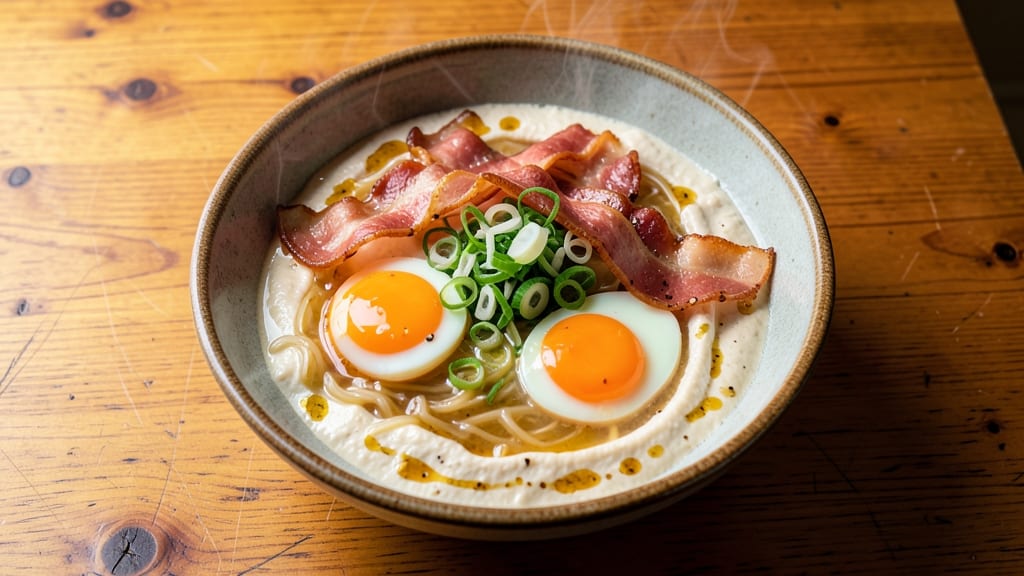
This Benihana soup copycat recipe brings the restaurant’s signature miso broth to your kitchen with its signature silky egg ribbons and smoky bacon crunch. 🔥 The secret lies in a precise balance of white miso, dashi stock, and a touch of soy sauce—creating that unmistakable umami depth that makes the original so addictive.
I’ve perfected this version after countless batches, ensuring every spoonful delivers that restaurant-quality experience at home.
The foundation of this soup is a rich, savory broth that simmers just long enough to develop layers of flavor without becoming overpowering.
Unlike many miso soups, this recipe incorporates a slow-cooked bacon base that adds a subtle smokiness, while the egg ribbons—achieved through a specific whisking technique—melt into delicate strands that glide effortlessly through the broth. The result? A bowl that’s both comforting and sophisticated, perfect for any meal.
What sets this copycat apart is the attention to texture and depth. The broth is silky yet robust, the bacon remains crisp at the edges, and the egg ribbons dissolve into the soup without losing their elegance.
You’ll achieve that same restaurant-quality finish with just a few key techniques—none of which require any special equipment. Whether you’re serving it as a starter or a light main, this soup is designed to impress.
Ready in under 30 minutes, this recipe is perfect for weeknight dinners or entertaining guests. The ingredients are simple, but the flavor is anything but basic. Let’s get started on recreating that Benihana magic in your own kitchen.
Ingredients for benihana soup recipe copycat
Nine essential ingredients transform into Benihana's signature soup with restaurant-quality umami and texture.
| Ingredient | Amount | Notes |
|---|---|---|
| White Miso Paste 🍜 | ¼ cup | High-quality, smooth texture preferred |
| Dashi Stock 🍵 | 4 cups | Homemade or quality store-bought |
| Thinly Sliced Bacon 🥓 | 6 oz | Thick-cut preferred for crisp edges |
| Large Eggs 🥚 | 4 whole | Room temperature for best ribbons |
| Green Onions 🧅 | ¼ cup | Thinly sliced, white and green parts |
| Sesame Oil 🫒 | 1 tbsp | Toasted sesame oil for aroma |
| Soy Sauce 🥢 | 1 tbsp | Light or regular soy sauce |
| Mirin 🍶 | 1 tbsp | Sweet rice wine for balance |
| Water 💧 | 2 cups | Filtered preferred for clarity |
| Tofu 🧈 | ½ cup | Soft or silken, cubed |
| Salt 🧂 | ½ tsp | Adjust to taste after simmering |
| Black Pepper 🌶️ | ¼ tsp | Freshly cracked for depth |
| Cornstarch 🌾 | 1 tsp | For silky egg ribbon texture |
The miso is non-negotiable—Miso Master or Hodo brands deliver that restaurant-level depth. Grab the white miso paste, not red, and make sure it's smooth, not chunky. For dashi, homemade from kombu and bonito flakes is ideal, but Marukome or Hekoten instant dashi works in a pinch. The bacon should be thick-cut; thin slices burn before they crisp. If you can't find thick-cut, cut regular bacon into thirds lengthwise before slicing thinly. Green onions add freshness, but substitute 1 tbsp chopped chives if they're not available.
No mirin? Substitute 1 tsp sugar plus 1 tsp dry sherry—it won't be identical, but close enough. For the tofu, silken or soft tofu dissolves beautifully, but firm tofu pressed and cubed works too if that's what you've got. The sesame oil is for aroma, not flavor—use sparingly. For the egg ribbons, room-temperature eggs are crucial; cold eggs won't ribbon properly. If you're short on time, whisk the eggs with 1 tsp cornstarch to help them ribbon more easily. The broth should simmer gently—boiling breaks the miso's delicate flavor.
This soup reheats beautifully—simmer gently for 5-10 minutes to restore silkiness. Keeps 3 days refrigerated or 3 months frozen. For crispy bacon, store it separately on paper towels in an airtight container. The broth freezes well, so make extra and freeze in ice cube trays for quick future batches. Serve with steamed rice and pickled ginger to complete the Benihana experience.
Why You'll Love This Recipe
- Five-Ingredient Magic: I swear, this soup is one of those rare recipes where the ingredient list reads like a grocery store scavenger hunt—miso, dashi, bacon, eggs, onions—and somehow, it just works. No fancy techniques, no last-minute specialty trips. Just stir, simmer, and let the umami do its thing.
- Crispy Eggs, Creamy Broth: Honestly, the moment those soft-boiled eggs crack open in the hot broth, releasing that runny yolk? That’s the good stuff. The bacon adds this smoky depth, while the miso-dashi base keeps it rich but never heavy. It’s the kind of bowl that makes you close your eyes and take a second bite.
- Weeknight to Dinner Party: Between us, I’ve served this to my book club (who asked for seconds) and my tired self on a Tuesday night (who ate it straight from the pot). The eggs and bacon make it feel special, but the prep is so simple you won’t stress if your guests drop by unexpectedly. Just add a side of rice, and boom—you’re golden.
- Leftovers That Don’t Suck: Most soups turn sad after day two, but not this one. The flavors actually deepen as the miso and dashi meld overnight. I’ll be real: my lunch the next day is often just cold soup with extra green onions sprinkled on top—no shame. And because it’s so cheap to make, you can afford to reheat it without guilt.
Step-by-step instructions for Benihana-style egg ribbon soup
This method delivers the signature Benihana experience at home—silky egg ribbons, crispy bacon, and umami depth.
🔥 Step 1: Cook the Bacon Until Crispy
Heat a large pot over medium heat and add the 6 oz thinly sliced bacon. Cook undisturbed for 4-5 minutes until the edges become deep golden brown and crispy. This initial sear creates the signature crunch that sets this soup apart.
Once the bacon is crisp, reduce heat to medium-low and continue cooking for another 3-4 minutes, stirring occasionally, until all the fat has rendered out. Remove the bacon with a slotted spoon and set aside on a paper towel-lined plate, leaving the rendered fat in the pot. This bacon fat becomes the flavor base for your soup.
🍳 Step 2: Build the Umami Broth Base
Return the pot to medium heat and add the 0.25 cup white miso paste, stirring constantly for 1 minute until fully dissolved. The miso should create a smooth, velvety paste with no lumps—this is your umami foundation.
Pour in the 4 cups dashi stock and bring to a gentle simmer. Add the 1 tbsp soy sauce, 1 tbsp mirin, and 2 cups water. Stir in the 0.5 cup cubed tofu, 0.5 tsp salt, and 0.25 tsp black pepper. Let the mixture simmer for 5 minutes until the flavors meld and the tofu begins to soften slightly. The broth should smell rich and aromatic—this is where the magic happens.
🥘 Step 3: Prepare the Egg Ribbon Mixture
In a small bowl, whisk together the 4 whole large eggs until the yolks and whites are fully combined. In a separate small bowl, mix the 1 tsp cornstarch with 2 tablespoons of room-temperature water until smooth. This cornstarch slurry is what creates those signature silky egg ribbons.
Slowly pour the cornstarch mixture into the eggs while whisking constantly. The mixture should thicken slightly but remain pourable. Keep this mixture at room temperature—cold eggs will create tight, chewy ribbons instead of delicate strands.
⏰ Step 4: Create the Signature Egg Ribbons
With the broth simmering gently (not boiling), slowly pour the egg mixture into the pot in a thin, steady stream. Use a long spoon to stir the broth in one direction—this creates the signature ribbon effect. Continue stirring for 1-2 minutes until the ribbons form and the eggs are just set but still silky.
Here's the key: you want the eggs to cook gently in the hot broth without scrambling. The ribbons should be translucent with just a hint of opacity—like delicate strands of silk. If the broth starts to thicken too much, add 1-2 tablespoons of hot water to maintain the perfect consistency.
👨🍳 Step 5: Finish and Serve with Crunch
Remove the pot from heat and stir in the 1 tbsp sesame oil and 0.25 cup thinly sliced green onions. Add the crispy bacon back to the pot and gently toss to distribute. The contrast between the warm soup, silky ribbons, and crisp bacon is what makes this dish so special.
Ladle the soup into bowls immediately and serve while the bacon remains crisp and the ribbons are at their peak texture. Each spoonful should deliver a perfect balance of smoky bacon, umami-rich broth, and delicate egg strands. For extra presentation, garnish with additional green onions and a sprinkle of freshly cracked black pepper.
Pro Tips For Making Benihana Soup Recipe Copycat
- CRACK THE BACON FIRST: I learned this the hard way—adding bacon to the simmering broth turns it into sad, greasy scraps. Instead, fry the bacon in a separate pan until crispy (about 5-6 minutes on medium-high), then remove it with tongs and set aside on paper towels. That crispy texture is what makes the soup sing, and it won’t dissolve into the broth like you’re worried it will.
- WHISK THE MISO LAST: Sounds weird, but it works: dissolve the miso paste in a splash of hot dashi stock first, then whisk it into the simmering broth right before removing it from heat. If you add it too early, the high heat will kill the delicate umami flavors—like overcooking a perfectly good steak. Let the soup cool for 30 seconds after whisking, and those flavors will stay bright.
- SIMMER, DON’T BOIL: This isn’t the prettiest method, but it’s the tastiest: once the dashi and miso are combined, reduce the heat to the lowest setting you can tolerate and let it barely bubble for 5 minutes. I know, I know—you’re impatient like me—but skipping this step means a flat, one-dimensional broth. The slow simmer deepens the flavor without turning the eggs into rubber.
- SLICE EGGS THIN AND WARM: Cold eggs from the fridge will turn the soup into a sad, watery mess. Instead, bring your eggs to room temperature for 20 minutes before slicing them into paper-thin rounds (a sharp knife and steady hand make this easier). Then, dip the slices in the hot broth for exactly 10 seconds before adding them to the bowl—just enough to warm them through without turning them to mush.
Best sauces and condiments for this dish
Umami Depth Boosters
Elevate your Benihana soup with 1 tbsp fish sauce or ½ tsp mushroom powder—both add layers of savory complexity. I like adding 1 tsp dried shiitake powder (like Mushroom Powder by Penzeys) for that restaurant-style depth.
For a smoky twist, stir in ½ tsp liquid smoke just before serving, but use sparingly—it’s potent! 🌶️
Spicy Kick Options
Add ½ tsp gochujang (Korean chili paste) for heat with subtle sweetness, or ¼ tsp red pepper flakes for classic spice. For a Benihana-inspired kick, mix 1 tsp sriracha with 1 tsp honey and drizzle over finished bowls. Trust me, this combo balances perfectly with the rich broth.
Fresh Herb Garnishes
Brighten the soup with 1 tbsp chopped cilantro or 1 tsp fresh mint for a modern twist. Classic green onions remain my go-to, but thinly sliced scallions work too. For extra aroma, add 1 tsp toasted sesame seeds or ½ tsp furikake (Japanese seasoning blend) right before serving. ✨
Extra Crunch Add-Ins
Swap bacon for crispy fried shallots (sauté in oil until golden) or toasted sesame sticks for a nutty crunch. For texture contrast, add ¼ cup thinly sliced nori strips (soaked in hot water for 10 seconds). These add visual appeal and a satisfying bite that mirrors Benihana’s signature crunch.
Sweet-Tangy Balance
Drizzle with 1 tsp rice vinegar or ½ tsp ponzu sauce for a bright, tangy finish. For a sweeter touch, add 1 tsp honey or ½ tsp maple syrup during the final simmer. The acidity cuts through the richness, just like the original restaurant version.
Protein Swaps
Replace tofu with ½ cup cooked shrimp (poached in broth) or ¼ cup shredded rotisserie chicken for extra protein. For a vegetarian option, use ½ cup silken tofu and add 1 tbsp nutritional yeast for a cheesy depth. All options keep the dish light yet satisfying.
Nutrition facts
Frequently asked questions
Why does the egg ribbon technique matter in this soup?
The ribbon technique creates that signature Benihana texture—delicate, silky strands that melt in your mouth. The key is using room-temperature eggs and whisking with cornstarch slurry while stirring in one direction. Cold eggs or over-stirring will make them tight and chewy instead of elegant ribbons.
Can I make this soup ahead of time?
Yes! The broth can be made 2 days ahead and reheated gently. For best results, add the eggs fresh when serving—they cook in just 1-2 minutes and lose their silky texture if reheated. Store the bacon separately to keep it crispy.
What if I can't find white miso paste?
Use red miso paste instead, but reduce it to 1 tbsp and add 1 tsp sugar to balance the stronger flavor. For a milder option, blend 2 tbsp white miso with 1 tbsp dashi stock to create a smoother paste. The umami depth will still shine through!
How do I fix broken egg ribbons?
If your ribbons turn out lumpy or scrambled, don't worry! Simply whisk the eggs with 1 extra tsp cornstarch next time and pour them into the broth even slower. For immediate fixes, stir in 1 tbsp hot water to loosen the texture and serve with extra green onions to distract from the texture.
Is this soup gluten-free?
Mostly! The recipe is naturally gluten-free, but check your miso paste and dashi stock labels—some contain wheat. Use tamari instead of soy sauce and ensure your mirin is gluten-free. For extra safety, make your own dashi with kombu and bonito flakes.