
Soups & Stews
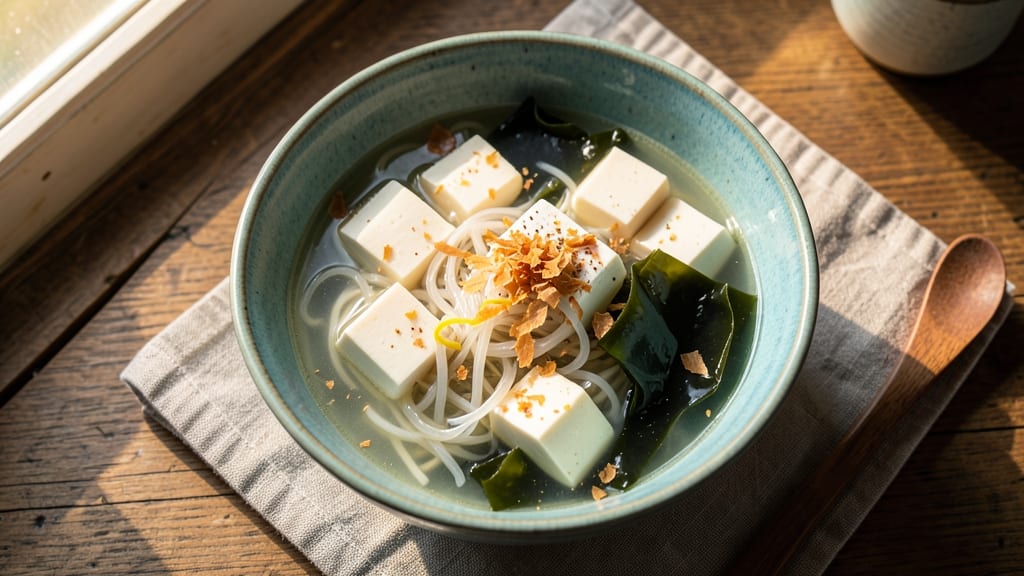
This Japanese-inspired bento soup recipe delivers the perfect balance of hearty broth, tender ingredients, and satisfying crunch—transforming a simple meal into a comforting experience. The secret lies in layering flavors: a rich dashi broth simmers with seasonal vegetables, tofu, and noodles, while crispy toppings like tempura flakes or fried shallots add texture that elevates every spoonful. What makes this recipe special is its adaptability—whether you're recreating a traditional Japanese home-style meal or adding modern twists with ingredients you already have.
The foundation of great bento soup is the broth, which carries all the flavors and transforms simple ingredients into something extraordinary. We'll start with a classic dashi base—light yet deeply umami—and build complexity with miso paste, kombu, and bonito flakes.
The key to achieving that restaurant-quality depth is patience: letting the broth simmer gently to develop layers of flavor without becoming overpowering. For those short on time, a quick version using store-bought dashi still delivers impressive results.
By the time you're done, you'll have a bowl of soup that's both nourishing and exciting—a perfect blend of tender vegetables, silky tofu, and chewy noodles all floating in a flavorful broth. The crispy toppings add an essential crunch that contrasts beautifully with the soft textures below.
This isn't just soup; it's a complete meal experience that brings warmth and satisfaction to any table, whether you're serving it for a cozy weeknight dinner or a gathering with friends.
One of the best things about this recipe is its versatility. Swap in seasonal vegetables, experiment with different noodles, or add your favorite proteins like chicken or shrimp. The same principles apply—balance, texture, and flavor—so you can make it your own while keeping that essential comfort factor.
Let's get started on creating your perfect bowl of bento soup.
Ingredients for bento soup
Transform simple pantry staples into restaurant-quality bento soup with these flavor-packed ingredients.
| Ingredient | Amount | Notes |
|---|---|---|
| Dashi Broth 🍜 | 4 cups | Homemade or store-bought dashi |
| White Miso Paste 🧈 | 2 tbsp | High-quality miso for depth |
| Kombu Seaweed 🍃 | 1 piece | Dried, 4x6 inches |
| Bonito Flakes 🐟 | 1 tbsp | Dried skipjack fish flakes |
| Silken Tofu 🧀 | 1 block | Firm or extra-firm |
| Shirataki Noodles 🍜 | 1 package | Rinsed thoroughly |
| Carrots 🥕 | 1 medium | Julienned into matchsticks |
| Green Onions 🧅 | 3 whole | Thinly sliced |
| Shiitake Mushrooms 🍄 | 4 whole | Stems removed, sliced |
| Tempura Flakes 🍚 | 2 tbsp | For crispy topping |
| Sesame Oil 🫒 | 1 tsp | Toasted for aroma |
| Toasted Sesame Seeds 🌾 | 1 tsp | For garnish |
| Rice Vinegar 🍶 | 1 tbsp | For brightness |
| Soy Sauce 🥢 | 1 tbsp | For umami balance |
| Kosher Salt 🧂 | 1 tsp | Diamond Crystal preferred |
The dashi broth is your flavor foundation—homemade takes it to the next level using kombu and bonito flakes, but store-bought dashi works in a pinch. For the kombu, look for thick, dark sheets at Asian markets or the international aisle of Whole Foods. The miso paste should be white miso (shiro miso) for that delicate, sweet umami—red miso adds more intensity. Tofu matters too: silken tofu holds shape beautifully, but extra-firm works if you prefer a chewier bite. The shirataki noodles need thorough rinsing to remove that funky smell—run them under cold water for at least 2 minutes.
No bonito flakes? Dried shiitake mushrooms make a great substitute—just soak and crumble them into the broth. Short on kombu? Dried wakame seaweed adds depth too. The tempura flakes are non-negotiable for that essential crunch—Japanese grocery stores carry them in the frozen section, or make your own by frying leftover tempura scraps. For the vegetables, shiitake mushrooms should be fresh, not dried—look for plump, firm caps with short stems. The carrots can be baby carrots if that's what's handy, but julienned gives that elegant restaurant look. And that sesame oil? Use the toasted kind—it's worth the extra dollar for that nutty aroma.
This soup tastes even better the next day—make extra and freeze portions in airtight containers for up to 3 months. The broth keeps for 5 days in the fridge, but the noodles and tofu absorb flavors over time, so I like to add those fresh when reheating. Store the tempura flakes in an airtight container to keep them crispy for 2 weeks. For leftovers, reheat gently on low heat with a splash of water to maintain that silky texture. And always finish with a drizzle of sesame oil and sprinkle of toasted sesame seeds—that's when the magic happens.
Why You'll Love This Recipe
- I’ll be real: this tastes like a high-end ramen, but the ingredients cost next to nothing. Dashi and kombu stretch forever, miso is a pantry staple, and tofu is cheaper than takeout. It’s the kind of soup where you can feed four people for the price of one sad salad. Plus, leftovers? They’re just as good the second day.
- No-Chop Required: I swear, this soup is one of those rare recipes where you can skip prep entirely. Just steep kombu in hot water, add bonito flakes for that instant umami punch—no knives, no mess, just pure flavor. The silken tofu cubes slide in whole, and suddenly you’ve got a restaurant-worthy bowl with zero effort.
- Umami Magic: Honestly, the combo of dashi and white miso is next-level. That first sip? Rich, savory, and just salty enough to make you reach for seconds. The bonito flakes add a smoky depth while the kombu keeps it fresh—it’s like a flavor party in a bowl, and I’m always the first one invited back.
- Meal Prep MVP: Between us, this is my go-to for lunches all week. Make a big batch on Sunday, and you’ve got a protein-packed, warming soup ready to grab. The silken tofu stays silky even after reheating, and the miso keeps it from getting bland. (Yes, even on a Tuesday night.)
Step-by-step instructions for Japanese-inspired bento soup
This warm, comforting broth delivers layers of umami and satisfying textures in every spoonful.
Prepare the Broth Base
In a clean stockpot, combine the 4 cups dashi broth with the 1 piece kombu seaweed. Gently heat over medium-low heat for 10 minutes, just until the kombu softens slightly and infuses the broth with its delicate oceanic notes. Remove and discard the kombu—it's done its job.
Add the 1 tablespoon bonito flakes and simmer for 2 minutes until they dissolve completely, creating a rich, aromatic foundation. The broth should now have a deep golden hue and a subtle fishy aroma—this is your flavor anchor. Keep the pot on low heat while you prepare the remaining ingredients to maintain warmth.
Build the Miso and Vegetable Foundation
In a small bowl, whisk together the 2 tablespoons white miso paste with 1 tablespoon soy sauce and 1 tablespoon rice vinegar until smooth. Slowly ladle 1 cup of the hot broth into the miso mixture while whisking continuously—this prevents lumps from forming and ensures even distribution of the miso's deep umami flavor.
Return this miso mixture to the pot and stir gently to combine. Add the 1 medium carrot (julienned) and 4 whole shiitake mushrooms (sliced), then simmer for 8-10 minutes until the vegetables soften but retain their shape. The broth should now be thickened slightly and infused with the earthy sweetness of the mushrooms and carrot.
Incorporate Protein and Noodles
Cut the 1 block silken tofu into ½-inch cubes and gently fold them into the simmering broth. Add the 1 package shirataki noodles (thoroughly rinsed) and simmer together for 5 minutes. The tofu will absorb the broth's flavors while the noodles soften to a silky consistency—this is where the soup starts to feel truly comforting.
Season with 1 teaspoon kosher salt, adjusting to taste. The soup should now have a balanced harmony of umami from the miso, sweetness from the vegetables, and a subtle acidity from the rice vinegar. Taste and make any final adjustments—this is your chance to perfect the flavor profile before adding the finishing touches.
Finish with Crispy Toppings
Divide the soup among 4 serving bowls. Drizzle each portion with 1 teaspoon sesame oil and sprinkle generously with 2 tablespoons tempura flakes and 1 teaspoon toasted sesame seeds. The contrast of the warm, silky broth with the crispy tempura flakes creates that perfect textural balance that makes bento soup so satisfying.
Garnish each serving with 3 thinly sliced green onions, their bright green color and fresh flavor cutting through the richness of the broth. Serve immediately while the tempura flakes maintain their satisfying crunch—this is the moment when all the elements come together in perfect harmony.
Pro Tips For Making Bento Soup
- Simmer Kombu First: Toss that kombu into your pot before heating the broth—let it steep for 5 minutes while the water warms. I used to add it after, and the soup never had that deep, almost electrical umami punch. The longer it soaks in lukewarm water, the more it releases its magic without turning bitter.
- Dissolve Miso Slowly: Stir the miso paste into the hot broth with a ladle, not the whisk—you’re not making tempura batter here. Let it melt for 30 seconds before blending, or you’ll end up with clumps that feel like you’re eating glue. And for the love of all things savory, don’t boil it after adding.
- Toast Bonito Properly: If your bonito flakes aren’t sizzling like popcorn within 10 seconds of hitting the pot, you’re doing it wrong. Use a dry pan first to crisp them up—this stops them from turning your soup into a murky broth. Save the crispy bits for garnish; they’re the real star.
- Cube Tofu Cold: Cut that silken tofu straight from the fridge—no thawing, no pre-boiling. The cold shock keeps it firm enough to hold its shape when you poach it in the soup. If you’re lazy and use room-temp tofu, it’ll dissolve into a sad, watery blob by the second spoonful.
Dietary considerations for this recipe
Gluten-Free Adaptations
Traditional bento soup relies on wheat-based ingredients like shirataki noodles, but you can easily adapt this recipe for gluten-free needs. Swap the shirataki noodles for gluten-free rice noodles (like Koshihikari brand) or kelp noodles for a seaweed-forward flavor.
I also recommend checking your miso paste—some brands contain wheat—opt for certified gluten-free miso like Miso Master or San-J. For extra insurance, use tamari instead of soy sauce, as it’s naturally gluten-free. 🌱
Vegetarian and Vegan Options
This soup is naturally vegetarian with silken tofu as the protein base, but vegans should verify their miso paste is made without fish-based ingredients (some white miso contains dashi). For extra depth, add 1 tablespoon nutritional yeast when mixing the miso paste—it adds a cheesy, umami boost.
Skip the bonito flakes entirely and use extra kombu or shiitake mushrooms for umami. The tempura flakes can be made vegan using aquafaba (chickpea brine) as the binder instead of egg. 💚
Low-Sodium Modifications
Store-bought dashi and miso often contain high sodium levels, so I recommend reducing the 1 teaspoon kosher salt to just ½ teaspoon and using low-sodium soy sauce. For homemade dashi, simmer the kombu in water without added salt—just the natural minerals from the seaweed.
If you need more flavor without sodium, add a splash of rice vinegar or a pinch of white pepper to enhance depth. Always taste as you go—this soup is forgiving with adjustments. ⚡
Nut-Free and Allergy-Friendly
Sesame is a common allergen, so replace the toasted sesame oil and sesame seeds with avocado oil and pumpkin seeds for a neutral, crunchy alternative. For nut-free crunch, try crispy fried shallots or toasted corn kernels.
Double-check your miso paste—some brands process in facilities with nuts—Hodo makes excellent nut-free options. Always read labels carefully, as cross-contamination can occur in shared facilities. 💛
Protein Swaps for Dietary Needs
Silken tofu works beautifully, but you can substitute chickpeas (for a heartier texture) or edamame (for a sweeter profile). For dairy-free needs, ensure your tofu is certified (many brands use soy milk in processing).
If you're avoiding soy entirely, try mushroom-based proteins like king oyster mushrooms or hearts of palm. For extra flavor, marinate your protein in a mix of 1 tablespoon soy sauce and 1 teaspoon mirin before adding it to the broth. 🍲
Nutrition facts
Frequently asked questions
What makes bento soup different from regular Japanese miso soup?
Bento soup stands out with its textural contrast—it's designed to be heartier and more satisfying, featuring crispy toppings like tempura flakes alongside silky broth and soft ingredients. While traditional miso soup focuses on simplicity with tofu and wakame, bento soup incorporates noodles, extra vegetables, and protein to create a complete meal in one bowl. The broth is also often more complex, built with layered umami from miso, kombu, and bonito flakes.
Can I make this soup without kombu or bonito flakes?
For kombu, use dried wakame seaweed (soaked and crumbled) or shiitake mushrooms for umami depth. Skip bonito flakes if avoiding fish, but add extra miso paste (½ tbsp) or 1 tsp dried shiitake powder instead. The broth will still be flavorful—just slightly less complex. For a vegetarian version, focus on the mushrooms and miso for that savory base.
How do I prevent the shirataki noodles from getting mushy?
Always rinse them thoroughly first to remove excess starch, then drain completely. Add them to the broth last (just 3-4 minutes before serving) and cook on low heat. If using pre-cooked noodles, heat them in the broth for only 2 minutes—they'll soften quickly. The key is timing: they should be tender but still slightly chewy when done.
Can I make this soup ahead of time?
Yes! Prepare the broth and vegetables up to 2 days ahead and refrigerate. Reheat gently, then add fresh tofu and noodles when serving. For the best texture, store toppings (tempura flakes, sesame seeds) separately and add just before eating. If freezing, freeze the broth separately (up to 3 months) and cook fresh ingredients when ready to serve. The flavors actually improve overnight!
What's the best way to store leftover tempura flakes?
Keep them in an airtight container at room temperature for up to 2 weeks to maintain crispness. For longer storage, refrigerate for 1 month (they'll soften slightly) or freeze for 3 months. To revive, sprinkle on warm soup or reheat in a dry pan for 1-2 minutes until crispy again. Never store them in the fridge with moisture—they'll turn soggy!