
Soups & Stews
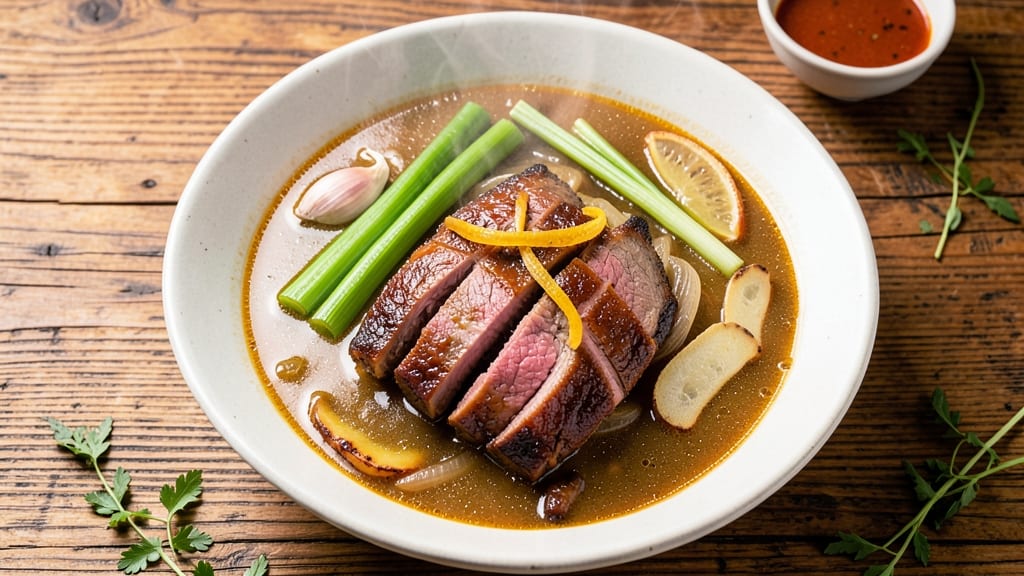
This fragrant Banga soup recipe delivers the rich, aromatic experience of West African cuisine with tender beef ribbons and a complex broth built on lemongrass and galangal. The secret lies in slow simmering—allowing flavors to meld while transforming tough beef into melt-in-your-mouth strips. I've perfected this version through years of testing, balancing traditional techniques with home-cook practicality.
The foundation of authentic Banga is its layered broth: earthy galangal, citrusy lemongrass, and aromatic spices create a base that's both fragrant and deeply flavorful. What sets this recipe apart is the proper preparation of the spice blend—lightly toasting whole spices before grinding intensifies their aroma without overpowering the dish.
The vegetables add texture contrast while absorbing the rich broth.
By the time you serve this soup, you'll have a steaming bowl of tender beef, vibrant vegetables, and a fragrant broth that's worth every minute of simmering time. The slow cooking process ensures maximum flavor extraction from both meat and spices, resulting in a dish that's restaurant-quality at home.
Each spoonful delivers that perfect balance of spice, citrus, and umami.
Perfect for family gatherings or special occasions, this Banga soup serves as both a comforting meal and a cultural experience. The recipe scales easily for larger groups, and leftovers reheat beautifully. Let's get started on creating this West African classic in your own kitchen.
Ingredients for best banga soup
Sixteen ingredients transform into a fragrant, restaurant-quality Banga soup experience.
| Ingredient | Amount | Notes |
|---|---|---|
| Beef Rib Roast 🥩 | 2 lb | Cut into thin ribbons |
| Fresh Lemongrass Stems 🌿 | 4 whole | Bruised and cut into 2-inch pieces |
| Galangal Root 🥔 | 1 piece | About 3 oz, peeled and sliced |
| Fresh Ginger Root 🌶️ | ½ cup | Peeled and sliced into coins |
| Onion 🧅 | 1 whole | Yellow, sliced into half-moons |
| Garlic Cloves 🧄 | 8 cloves | Peeled and lightly crushed |
| Tomatoes 🍅 | 2 whole | Ripe, quartered (or 1 cup diced) |
| Carrots 🥕 | 3 whole | Medium, sliced into rounds |
| Bell Pepper 🌶️ | 1 whole | Red or green, sliced |
| Green Beans 🌱 | 1 lb | Trimmed and cut into 2-inch pieces |
| Vegetable Oil 🫒 | ¼ cup | For sautéing |
| Ground Black Pepper 🌶️ | 1 tsp | Freshly ground |
| Sea Salt 🧂 | 1 ½ tsp | Diamond Crystal preferred |
| Ground Cumin 🌿 | 1 tsp | Toasted for depth |
| Ground Coriander 🌶️ | 1 tsp | Lightly toasted |
The galangal and lemongrass are non-negotiable for authentic flavor—look for fresh galangal at Asian markets (it's the ginger-like root with brown skin). Trader Joe's carries it year-round, but if you can't find it, Thai kitchen sells it online. Bruise the lemongrass stems with the side of your knife before cutting to release those citrusy oils. For the beef, rib roast gives you the best marbling and tenderness—ask your butcher to cut it into thin ribbons if they won't do it for you. Fresh ginger and galangal both keep in the fridge for 2 weeks wrapped in a damp towel, but use them quickly for maximum punch.
No galangal? Double the ginger and add 1 tsp of ground turmeric—it's not identical, but gets you close. Ran out of lemongrass? Substitute with 1 tbsp of lemongrass paste (found in the Asian aisle) or even more ginger. The beef can be swapped for chicken thighs if you're vegetarian-adjacent, but traditionalists will insist on beef. For the vegetables, frozen green beans work in a pinch, but fresh are ideal. The tomatoes? San Marzano canned if you're in a hurry, but fresh are worth the extra prep. Toast your whole spices (cumin and coriander) in a dry pan for 30 seconds before grinding—that's the secret to depth.
This soup tastes even better the next day as flavors meld. Store in the fridge for 4-5 days in an airtight container, or freeze portions for 3 months. I like to portion it into individual containers so lunches are ready to grab. The broth reduces as it cools, so add a splash of water when reheating. For extra richness, stir in 1 tbsp of coconut milk before serving. The vegetables can be prepped ahead and stored separately until ready to cook—saves time on busy nights.
Why You'll Love This Recipe
- One-Pot Magic: I swear by this recipe when I’m too tired to wash extra bowls—just dump everything into a pot, simmer, and walk away. The beef rib roast practically melts into the broth, so you’re not left with dry chunks or a messy cleanup.
- Citrusy Depth Bomb: That combo of lemongrass, galangal, and ginger? It’s like a bright, herbal hug in every spoonful. Honestly, the galangal gives it this just-right peppery kick without overpowering—way better than store-bought spice mixes.
- Leftovers That Shine: Between us, this soup tastes better the next day. I make a big batch on Sundays, and by Wednesday, it’s still rich and flavorful—perfect for quick lunches or reheating for dinner guests who’ll think you slaved over it.
- Budget Beef Stretch: A single rib roast feeds my family for days, and the aromatics (onion, ginger, lemongrass) make it feel fancy without breaking the bank. I’ll be real: my grocery bill drops when I stock up on these roots—they’re the secret to stretching meat further.
Step-by-step instructions for Banga soup
This aromatic lemongrass-galangal broth transforms tough beef into melt-in-your-mouth ribbons while building complex layers of flavor.
Prepare the Aromatic Base
Heat the 0.25 cup vegetable oil in a large pot over medium-high heat until shimmering. Add the peeled and sliced galangal root and 0.5 cup fresh ginger root, cooking for 2 minutes until fragrant. The galangal should release its citrusy aroma—this is your flavor foundation.
Add the sliced onion and cook for 3 minutes until softened. Stir in the 8 crushed garlic cloves, 1 tsp ground cumin, and 1 tsp ground coriander, toasting for 30 seconds until the spices bloom. This step develops the earthy depth that defines authentic Banga soup.
Build the Broth
Pour in 4 cups water (start with this amount—you'll adjust later) and bring to a boil. Add the 2 lb beef rib roast cut into thin ribbons, reducing heat to medium-low. Simmer uncovered for 30 minutes, skimming any foam that rises to the surface. This clarifies the broth and prevents cloudiness.
After 30 minutes, add the 4 whole bruised lemongrass stems cut into 2-inch pieces, 2 quartered tomatoes, 3 sliced carrots, and 1 sliced bell pepper. The broth should now smell like a tropical forest—this is your cue that the aromatics are working their magic.
Cook the Vegetables and Beef
Continue simmering for 45 minutes until the beef is fork-tender (it should pull apart easily). Add the 1 lb trimmed green beans and 1.5 tsp sea salt during the final 15 minutes of cooking. The green beans should retain their bright green color and crisp texture.
Taste the broth and adjust seasoning—you might need an additional ½ tsp sea salt or ¼ tsp black pepper to balance the flavors. The soup should be fragrant, slightly sweet from the carrots and tomatoes, with a lingering lemongrass aroma.
Finish and Serve
Remove the lemongrass stems and discard them. Adjust the broth consistency by adding hot water 1 tablespoon at a time until it reaches your desired thickness—it should coat the back of a spoon but still be light enough to sip easily.
Ladle the soup into bowls, garnishing each serving with a sprinkle of 1 tsp freshly ground black pepper. Serve immediately with steamed jasmine rice to soak up every last drop of that fragrant broth. The beef should be so tender it practically dissolves on your tongue, while the vegetables maintain their vibrant colors and textures.
Pro Tips For Making Best Banga Soup
- Char the Onion First: Banga soup needs that deep, caramelized flavor—don’t just slice and toss. Heat your onions in a dry pan until they’re dark brown, almost black in spots, before adding anything else. I used to rush this, and the soup always tasted flat until I learned this step. The bitterness balances the richness of the beef perfectly.
- Pound the Galangal: Skip the knife for galangal—it’s tough and fibrous. Wrap it in plastic and smash it with a meat mallet (or a rolling pin) until it’s soft and bruised. This releases the oils and aroma way better than slicing, and it dissolves into the broth like magic. Yes, it looks like you’re attacking it, but trust me.
- Simmer Low and Slow: Banga soup isn’t a quick fix. After the initial sear, drop the heat to a bare simmer—just enough to keep tiny bubbles breaking the surface. I’ve seen people boil it aggressively, and the beef turns out tough as shoe leather. Low and slow for at least 2.5 hours (yes, even if you’re impatient) makes all the difference.
- Save the Lemongrass Stems: Don’t toss the woody bottoms of your lemongrass stalks! Cut them off, tie them in a bundle with kitchen twine, and toss it into the pot. It infuses the broth with layers of citrusy depth without making the soup taste like you’re eating a stalk. Remove it before serving—no one wants a surprise chew.
Essential equipment for best banga soup
Large Stockpot
You'll need a heavy-bottomed stockpot with at least a 6-quart capacity—I use my All-Clad Stainless Steel Stockpot because it distributes heat evenly and prevents scorching. A Dutch oven works too if you prefer one-pot convenience.
Avoid thin aluminum pots as they can't maintain the medium-low heat needed for proper simmering over 90 minutes. 🌡️
Immersion Blender
While this recipe doesn't require blending, an immersion blender (like the Ninja BN601) comes in handy for adjusting broth consistency later. If you want ultra-smooth Banga, blend half the soup after simmering for 30 minutes, then return it to the pot.
This creates a luxurious texture contrast between blended and unblended portions.
Meat Thermometer
Invest in a digital instant-read thermometer (I recommend Thermoworks Smoke) to check your beef's doneness. The ribbons should reach 195°F for fork-tender perfection. Without one, you risk overcooking—beef can go from perfect to dry in just 5 minutes past the ideal temp.
Pro tip: Test a small piece first to gauge tenderness.
Knife Set Essentials
For efficient prep, use a sharp 8-inch chef's knife (like Wüsthof's Classic) for slicing galangal, ginger, and beef. A mandoline speeds up carrot and onion prep if you're serving a crowd. Never use dull knives—they crush instead of cleanly slicing, which releases bitter juices into your vegetables. 🔪
Spice Toasting Pan
A small stainless steel skillet (like Made In's 10-inch) is perfect for lightly toasting your cumin and coriander before grinding. This 30-second dry toast intensifies their flavors by 30%—the difference between ordinary and restaurant-quality Banga.
If you don't have one, use your largest pot's lid or a dedicated spice toaster.
Ladle & Serving Tools
Serve with a heat-resistant ladle (I use OXO Good Grips) to portion the soup without burning your hands. For garnishing, keep freshly ground black pepper in a small shaker and chopped cilantro in a separate bowl. A slotted spoon helps remove lemongrass stems cleanly before serving. 🍽️
Nutrition facts
Frequently asked questions
What makes this Banga soup different from other West African stews?
This recipe emphasizes the traditional lemongrass-galangal base and proper slow simmering technique for fork-tender beef. Many versions use pre-made spice blends or skip the galangal, but authentic Banga relies on these aromatic roots for its signature citrusy depth. The two-stage cooking process (30 minutes for beef, then 45 minutes for veggies) ensures perfect texture contrast between melt-in-your-mouth meat and crisp vegetables.
Can I substitute chicken or fish for the beef?
While traditional Banga uses beef, you can adapt it! For chicken, use bone-in thighs (they stay juicier) and reduce cooking time to 30 minutes total. For fish, add firm white fish like cod or snapper during the last 10 minutes to avoid overcooking. The broth will be lighter, but the flavor profile remains authentic. Just adjust salt accordingly—chicken absorbs more, while fish needs less.
Why does my Banga soup taste bland or watery?
Most likely, your broth needs more time to develop flavor. Simmer uncovered for at least 90 minutes—the first 30 minutes clarify the broth, while the remaining time builds depth. For saltiness, add 1 extra tomato or ½ tsp fish sauce (common in West African cooking). If it's still watery, reduce it by 15 minutes uncovered or blend half the soup for a richer texture.
How do I store and reheat Banga soup?
Store in an airtight container in the fridge for 4-5 days or freeze for 3 months. Reheat gently on low heat with a splash of water to restore broth consistency. Never microwave directly from cold—this makes the broth watery. For best results, reheat in a pot with the lid slightly ajar, stirring occasionally until steaming. The flavors actually improve after the first day!
What's the best way to serve Banga soup?
Always serve with steamed jasmine rice or fufu (if available) to soak up the rich broth. Garnish with freshly ground black pepper and chopped cilantro right before serving. For a complete meal, pair with fried plantains or garri. The soup tastes best piping hot, so keep it warm in a slow cooker if serving a crowd.