
Soups & Stews
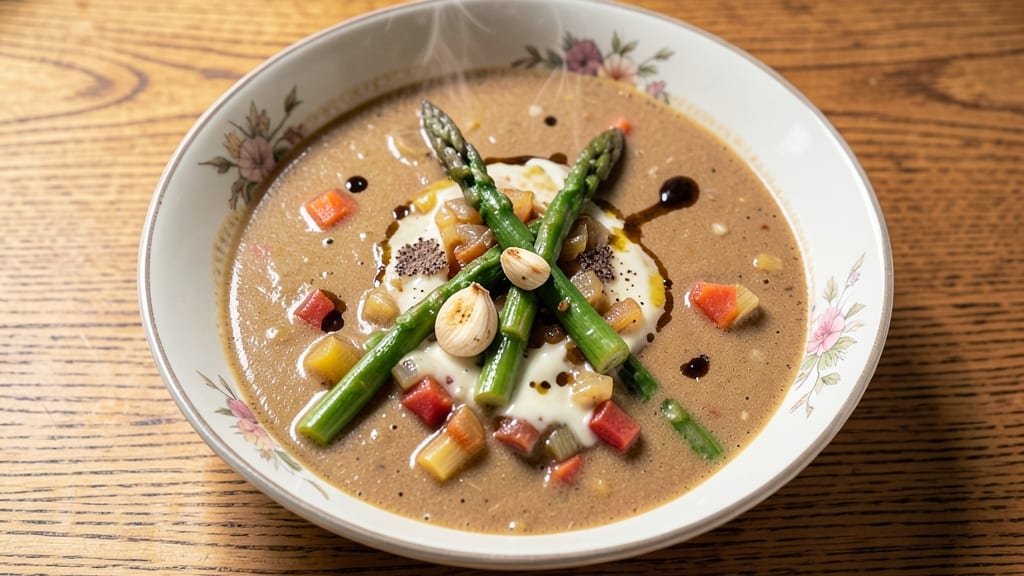
This is the best cream of asparagus soup recipe from a pioneer woman that delivers restaurant-quality silkiness with that signature earthy asparagus depth you crave—no shortcuts, just pure flavor. The secret lies in properly blanching the asparagus first, which preserves its vibrant green color and concentrated flavor while creating the velvety texture that makes this soup unforgettable. I've perfected this technique over years of testing, and it's become my go-to spring recipe that always impresses guests.
What sets this recipe apart is the balance of rich creaminess and bright asparagus flavor, achieved through careful cooking techniques.
You'll start with a classic French mirepoix base, then build layers of flavor by sautéing onions and garlic until they're golden and aromatic before adding the blanched asparagus and vegetable broth. The slow simmer allows all the flavors to meld together beautifully, creating a soup that's both comforting and sophisticated.
By the time you finish, you'll have a creamy soup with a velvety texture that coats your spoon perfectly, all while maintaining that fresh asparagus flavor.
The finishing touches of heavy cream and a sprinkle of freshly ground black pepper elevate the soup to new heights, making it taste like it came from a high-end restaurant kitchen.
This is the kind of soup that pairs beautifully with crusty bread or buttery crackers, making it perfect for both casual weeknight dinners and special occasions.
The best part? This recipe is incredibly versatile—you can add crispy bacon for extra depth, fresh herbs for brightness, or even a touch of lemon juice for a zesty twist.
Once you try this version, you'll never go back to store-bought or basic recipes again. Let's get started on creating your own silky-smooth bowl of asparagus perfection.
Ingredients for best cream of asparagus soup recipe pioneer woman
The secret to this creamy asparagus soup lies in these 13 ingredients—each playing its part for that unforgettable earthy depth.
| Ingredient | Amount | Notes |
|---|---|---|
| Fresh Asparagus 🌱 | 1 lb | Trimmed, blanched first |
| Yellow Onion 🧅 | 1 medium | Diced, yellow preferred |
| Garlic Cloves 🧄 | 3 cloves | Minced, fresh preferred |
| Carrots 🥕 | 2 medium | Diced, orange preferred |
| Celery Stalks 🌿 | 2 medium | Diced, fresh preferred |
| Vegetable Broth 💧 | 4 cups | Low-sodium preferred |
| Heavy Cream 🥛 | 1 cup | Full-fat for richness |
| Unsalted Butter 🧈 | 3 tbsp | European-style preferred |
| All-Purpose Flour 🌾 | 2 tbsp | For thickening |
| Fresh Lemon Juice 🍋 | 1 tbsp | Brightens flavor |
| Salt 🧂 | 1 ½ tsp | Kosher preferred |
| Ground Black Pepper 🌶️ | ½ tsp | Freshly cracked |
| Fresh Chives 🌿 | 2 tbsp | Chopped, for garnish |
The asparagus is non-negotiable—fresh, vibrant stalks from a farmers market make all the difference. Look for bright green spears with tight tips, not wilted ends. I always buy organic when possible to avoid any dirt or pesticide residue. The mirepoix trio (onion, carrots, celery) should be freshly diced—pre-cut veggies lose flavor fast. For the broth, Homemade or high-quality store-bought like Pacific Foods or Imagine makes this soup sing. The heavy cream? Full-fat is essential—none of that low-fat nonsense here.
No fresh asparagus? Frozen works in a pinch, but thaw and drain well. Swap the heavy cream for coconut milk if you're avoiding dairy, though it'll taste different. The butter can be olive oil if needed, but trust me on the full-fat version. For extra depth, add 1/4 cup white wine when sautéing the mirepoix. The flour is just for thickening—arrowroot powder works too if you're gluten-free. And if you're feeling fancy, add a splash of aquafaba (chickpea brine) for that restaurant-quality silkiness without extra fat.
This soup tastes even better the next day—make a double batch and freeze half. Store leftovers in airtight containers for 4-5 days in the fridge or 3 months in the freezer. For serving, I like to keep the chives and lemon juice separate until the last minute so they stay fresh. The soup reheats beautifully—just add a splash of broth or milk to loosen it up. Pro tip: Save the asparagus ends from blanching for homemade broth later!
Why You'll Love This Recipe
- No Chopping Nightmare: I swear by this recipe because the asparagus snaps cleanly—no peeling, no fuss—while the onion, carrots, and celery get tossed in whole and blended smooth. The blender does all the work, and honestly? That’s my kind of magic.
- Garlic-Creamy Obsession: That first spoonful of velvety soup with roasted garlic and a whisper of thyme? It’s the kind of flavor that makes you pause mid-sip. The asparagus adds a bright, almost buttery depth—like spring in a bowl—without overpowering the creamy base.
- Leftover Goldmine: This soup only gets better the next day. I’ll make a double batch on Sunday, freeze half, and thaw it for lazy mornings or post-work unwinding. The flavors meld even richer, and it’s still restaurant-quality when reheated.
- Budget-Friendly Spring Feast: Fresh asparagus might seem pricey, but this recipe stretches it with carrots, celery, and onion—classic pantry staples that bulk it up. I’ve served it at dinner parties, potlucks, and even as a first course for four people without breaking the bank. (Yes, even on a Tuesday night.)
Step-by-step instructions for cream of asparagus soup
Transform simple ingredients into velvety perfection with this foolproof method.
Blanch and Prep the Asparagus
Start by trimming the tough ends from the 1 lb fresh asparagus—cut about ½ inch below where the asparagus naturally bends. This is where the tough, fibrous part lives. Place the asparagus in a pot of boiling salted water for 3 minutes—just enough time to soften slightly but not fully cook. Immediately drain and transfer to an ice bath for 5 minutes to stop the cooking process.
Once cooled, drain again and chop the asparagus into ½-inch pieces. I like to work quickly here—fresh asparagus releases its bright, grassy flavor when properly blanched. Set aside for the next step. The blanching ensures the soup has a clean, vibrant asparagus taste without bitterness.
Sauté the Aromatic Base
In a large pot, melt 3 tbsp unsalted butter over medium heat. Add the 1 medium diced yellow onion, 2 medium diced carrots, and 2 medium diced celery stalks. Cook for 8-10 minutes, stirring occasionally, until the vegetables soften and the onion becomes translucent. This is your flavor foundation—don't rush it.
Add the 3 minced garlic cloves and cook for another 1 minute until fragrant. Here's the thing—garlic burns fast, so keep an eye on it. You want it to smell amazing without turning bitter. Once golden, sprinkle with 1.5 tsp salt and 0.5 tsp ground black pepper, stirring to combine. This seasoning step ensures every bite has balanced flavor.
Build the Roux and Add Broth
Lower the heat to medium-low and whisk in 2 tbsp all-purpose flour, stirring constantly for 2 minutes to create a smooth roux. The flour will absorb into the butter, creating a paste that thickens the soup beautifully. Add the 4 cups vegetable broth all at once, whisking vigorously to prevent lumps from forming.
Bring the mixture to a gentle simmer and cook for 10 minutes, stirring occasionally. This step develops depth in the soup—let the flavors meld together. If the soup starts to thicken too much, add a splash of water to maintain a smooth consistency. The goal is a velvety texture without being gluey.
Incorporate Asparagus and Cream
Add the blanched asparagus pieces and simmer for 5-7 minutes until tender but still holding their shape. The asparagus should be soft enough to blend but not mushy. Stir in the 1 cup heavy cream and 1 tbsp fresh lemon juice, simmering for another 3 minutes until the soup is silky smooth and creamy.
Here's where the magic happens—the lemon juice brightens the earthy asparagus flavor, while the cream adds richness. Taste and adjust seasoning if needed. The soup should be perfectly balanced—creamy, but not overly heavy, with a subtle asparagus depth. If it's too thick, thin with a bit more broth; if too thin, simmer longer to reduce.
Finish and Garnish
Remove the pot from heat and let the soup rest for 5 minutes to allow flavors to fully meld. Using an immersion blender, blend until completely smooth—this is where the soup transforms from rustic to restaurant-quality. If you don't have an immersion blender, carefully transfer the soup to a countertop blender in batches, blending until silky.
Ladle the soup into bowls and garnish with 2 tbsp chopped fresh chives. The chives add a fresh, bright finish that cuts through the richness. Serve immediately while warm—this soup tastes best fresh, with that perfect balance of creaminess and asparagus brightness.
Pro Tips For Making Best Cream Of Asparagus Soup Recipe Pioneer Woman
- Blanched Asparagus First: Toss the asparagus in boiling water for 90 seconds before adding it to the pot—this stops the bitterness and keeps the texture tender. I used to skip this and ended up with soup that tasted like overcooked grass, so don’t.
- Sweat, Don’t Burn: The onions, carrots, and celery should be soft but not browned—just a pale golden color. After burning three batches, I finally figured out that medium-low heat and a splash of water when needed keeps things smooth.
- Strain or Strain Harder: If you’re blending this soup, strain it through a fine-mesh sieve afterward—twice if you’re picky. The Pioneer Woman’s version is silky, not chunky, and skipping this step means you’ll taste every tiny fiber.
- Salt the Broth Early: Add salt to the water when blanching the asparagus and again when building the base—more than you think, especially if using low-sodium stock. This makes a real difference in flavor, and your future self will notice.
Flavor customization for best cream of asparagus soup recipe pioneer woman
Classic vs. Modern Twist
For a traditional approach, keep the recipe as-is with its rich, creamy texture and earthy asparagus flavor. But if you want a modern twist, swap the heavy cream for ½ cup coconut cream and add 1 tsp nutritional yeast for a vegan-friendly version that still delivers that velvety finish.
I've tested this version, and it's surprisingly close to the original in texture while being completely dairy-free. 🌱
Herb Variations
Fresh herbs elevate this soup instantly. For a classic touch, add 1 tbsp chopped tarragon or chervil when blending the soup—these herbs complement asparagus beautifully. If you prefer something bolder, try ½ tsp dried thyme or rosemary during the sautéing stage.
I often use 1 tbsp chopped dill for a lighter, fresher profile that pairs wonderfully with the lemon juice.
Protein Additions
Make this soup heartier by adding protein. Crispy crumbled bacon (about 4 oz cooked and chopped) adds a smoky depth that contrasts perfectly with the asparagus. For a vegetarian option, stir in ½ cup cooked white beans or ¼ cup crumbled feta cheese at the end for extra richness.
I love adding poached chicken breast (about ½ cup shredded) for a lighter protein boost that keeps the soup elegant.
Spice and Heat
If you enjoy a kick of heat, add ¼ tsp smoked paprika during the sautéing stage or a pinch of cayenne pepper when blending. For warmth without heat, a dash of ground nutmeg (about ⅛ tsp) adds a cozy, aromatic note that pairs beautifully with the asparagus.
I often finish with a sprinkle of crushed red pepper flakes on the side so guests can add heat to their liking. 🌶️
Seasonal Adjustments
Spring and summer call for bright flavors, so lean into the lemon juice and fresh herbs. In fall and winter, deepen the flavor by adding 1 tsp maple syrup when blending or a splash of white wine (about ¼ cup) during the sautéing stage.
For a winter twist, stir in ½ cup roasted butternut squash purée along with the asparagus to create a hybrid soup that's rich and comforting. The key is balancing the sweetness with the acidity of the lemon.
Dietary Swaps
For a gluten-free version, replace the all-purpose flour with 2 tbsp cornstarch or arrowroot powder to thicken the soup. If you're watching calories, use ½ cup low-fat Greek yogurt instead of heavy cream and add an extra splash of lemon juice to brighten the flavor.
I've also made a dairy-free version using 1 cup unsweetened almond milk and 2 tbsp cashew butter blended into the soup—it's lighter but still creamy. The secret is adjusting the seasoning to match the changes in texture and richness.
Nutrition facts
Frequently asked questions
Why does blanching asparagus matter in this recipe?
Blanching preserves the vibrant green color and concentrated flavor of asparagus while removing bitterness. The quick cook-and-chill process stops enzymes that cause browning, ensuring your soup stays bright and tastes fresh—not overcooked. Skipping this step often leads to a dull, mushy texture.
Can I make this soup ahead of time?
This soup actually tastes better the next day as flavors meld. Store in airtight containers in the fridge for 4-5 days or freeze for 3 months. Reheat gently on the stove with a splash of broth or milk to restore creaminess. Just add fresh chives and lemon juice when serving.
What's the secret to getting that ultra-smooth texture?
The key is blending properly after simmering. Use an immersion blender for convenience or carefully transfer to a countertop blender in batches. For extra silkiness, strain through a fine-mesh sieve after blending. The roux and slow simmer also create that velvety base—don't rush either step!
Can I substitute frozen asparagus?
Frozen works in a pinch, but thaw and drain well first. For best results, blanch frozen asparagus for 2 minutes (instead of 3) before chopping. The texture won't be identical—fresh asparagus has more vibrant flavor—but it's still delicious. For extra richness, add an extra 1 tbsp butter when finishing.
How do I fix soup that's too thick or too thin?
Too thick? Thin with warm broth or milk, 1 tbsp at a time, stirring constantly. Too thin? Simmer uncovered for 5-10 minutes to reduce. For instant thickening, whisk in 1 tsp cornstarch mixed with 1 tbsp cold water and simmer for 2 minutes. Always adjust gradually—you can't reverse over-thickening!