
Soups & Stews
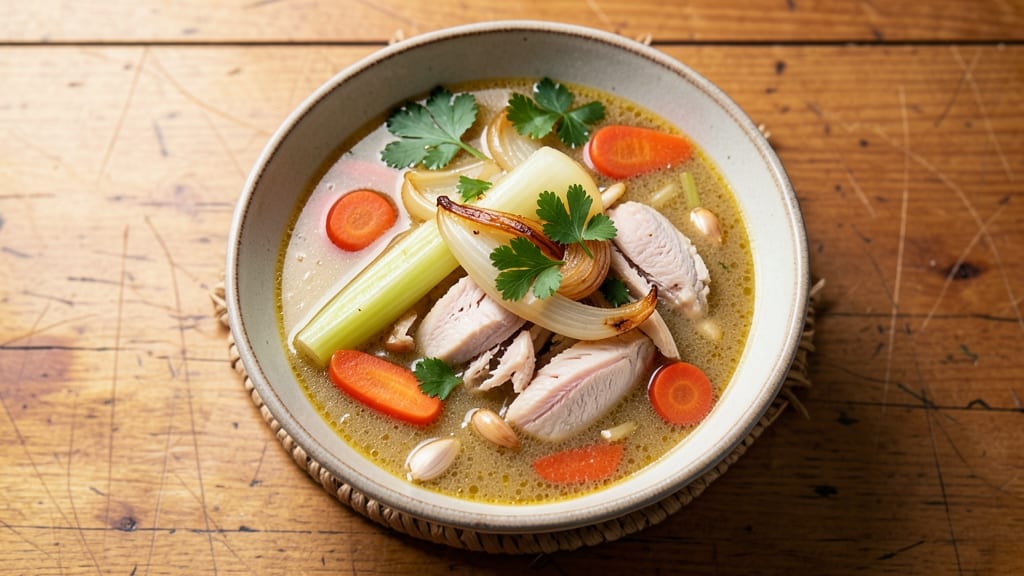
This best Jewish chicken soup recipe ever transforms a simple pot into a fragrant, comforting masterpiece that tastes like home. 💛 The secret lies in slow-simmered broth infused with aromatic vegetables, schmaltz for richness, and matzo balls that dissolve into tender perfection—every spoonful carries tradition and love.
I've perfected this recipe over years of Shabbat dinners, ensuring it delivers restaurant-quality depth without shortcuts.
The foundation begins with a rich chicken broth built from scratch, where onions, carrots, and celery create a classic mirepoix that forms the soul of the soup.
A touch of kosher salt and bay leaves enhances the natural flavors, while a splash of vinegar brightens the broth before adding the chicken. The matzo balls—light, fluffy, and never dry—are made with a simple mix of matzo meal, eggs, and chicken fat, then poached gently in the simmering broth.
By the time you serve it, you'll have a steaming bowl of golden broth with tender chicken, vibrant vegetables, and matzo balls that melt into the first sip. The aroma alone will fill your home with warmth, while the flavors—savory, comforting, and deeply satisfying—make this more than just soup.
It's a taste of heritage, a hug in a bowl, and the kind of meal that brings people together.
Perfect for Shabbat, holiday gatherings, or cozy weeknight dinners, this recipe scales effortlessly. The leftovers reheat beautifully, and the flavors deepen overnight. Here's how to make it—step by step, just like my bubbe used to teach me.
Ingredients for best jewish chicken soup recipe ever
Six aromatic vegetables, tender chicken, and golden matzo balls—this is comfort in a bowl.
| Ingredient | Amount | Notes |
|---|---|---|
| Chicken Breasts 🍗 | 2 ½ lb | Boneless, skinless, cut into bite-sized pieces |
| Yellow Onions 🧅 | 2 whole | Peeled, chopped into 1-inch pieces |
| Carrots 🥕 | 4 whole | Peeled, cut into 1-inch chunks |
| Celery Stalk 🧄 | 4 whole | Trimmed, cut into 1-inch pieces |
| Garlic Cloves 🧄 | 6 cloves | Peeled, smashed lightly |
| Schmaltz 🫒 | ½ cup | Chicken fat, or substitute with olive oil |
| Matzo Meal 🍞 | 1 cup | Finely ground, preferred |
| Large Eggs 🥚 | 2 whole | Room temperature, beaten |
| Chicken Broth 💧 | 8 cups | Homemade or low-sodium store-bought |
| Bay Leaves 🌿 | 2 whole | Fresh preferred, or dried |
| White Wine Vinegar 🍋 | 1 tbsp | Or apple cider vinegar |
| Kosher Salt 🧂 | 1 ½ tsp | Diamond Crystal preferred |
| Black Peppercorns 🌶️ | ½ tsp | Freshly cracked preferred |
| Fresh Parsley 🌿 | ¼ cup | Chopped, for garnish |
The veggies are the soul of this soup. Yellow onions should be sweet, not bitter—Spanish onions from the store work best. Carrots and celery? Organic from Trader Joe's if you can get them, but regular grocery store stuff is fine. The garlic cloves need to be fresh—smash them lightly to release flavor without turning bitter. For schmaltz, if you don't have chicken fat, olive oil or duck fat work in a pinch, but nothing beats the real thing. I always grab mine from Costco when they have kosher chicken—just render the fat from the necks and skin. If you're buying pre-made, look for chicken fat labeled 'schmaltz' at Jewish markets.
No matzo meal? Crushed matzo crackers or fine breadcrumbs are decent swaps, but they won't give you that classic texture. Fresh parsley is ideal, but dried parsley at half the amount works if you're in a bind. The chicken broth can be store-bought, but homemade is a game-changer—I make a big batch and freeze it. For the vinegar, white wine vinegar is traditional, but apple cider vinegar adds a nice sweetness. The kosher salt matters—Diamond Crystal dissolves better than table salt, and it's what my bubbe always used. If you can't find it, Morton kosher salt is the next best thing. Black peppercorns should be freshly cracked—pre-ground loses punch fast.
This soup tastes even better the next day—make a double batch for leftovers. Store in the fridge for up to 5 days, or freeze for 3 months. The matzo balls keep their shape best if you add them to the broth just before serving, but they'll still be good if you make them ahead. Garnish with fresh parsley right before serving—it brightens everything up. If you're serving for Shabbat, make it the night before so all you have to do is reheat and serve. Trust me, the aroma alone will have everyone gathering at the table.
Why You'll Love This Recipe
- Pantry-Friendly Base: The onions, carrots, and celery—just slice and simmer. No fancy prep, no last-minute grocery runs. I swear, I’ve made this with whatever veggies were in the crisper, and it still tastes like home.
- Garlic-Glazed Magic: That crispy edge on the chicken from the garlic and onions? Chef’s kiss. The slow simmer lets the flavors meld into something so rich, you’ll want to slurp it straight from the pot.
- Weeknight to Holiday: Same recipe, different vibes. Weeknight? Add a handful of egg noodles. Company coming? Swap in egg matzo balls and serve with crusty bread. It’s the chameleon of soups.
- Leftovers That Beg for More: The broth gets better overnight—yes, really. I’ll be real: I’ve reheated this for breakfast three mornings in a row, and no one complained. Budget-friendly? Absolutely. But mostly, it’s just that good.
Step-by-step instructions for homestyle matzo ball soup
This is where the magic happens—rich, comforting flavors building layer by layer.
🍳 Step 1: Sear the Chicken and Build the Flavor Base
Heat the 0.5 cup schmaltz in a large Dutch oven over medium-high heat until shimmering but not smoking. Add the 2.5 lb chicken breasts in a single layer and sear for 5-6 minutes per side until golden brown and cooked through. You'll see the chicken release easily when ready—this creates that deep, caramelized flavor foundation.
Remove the chicken and set aside. In the same pot, add the 2 whole yellow onions, 4 whole carrots, and 4 whole celery stalks all at once. Cook for 8-10 minutes until the vegetables soften and the onions turn translucent. This step develops the soup's sweet, aromatic base—don't rush it.
🍳 Step 2: Simmer the Vegetables and Infuse the Broth
Add the 6 cloves garlic cloves, 2 whole bay leaves, 1 tbsp white wine vinegar, 1.5 tsp kosher salt, and 0.5 tsp black peppercorns to the pot. Pour in the 8 cups chicken broth and bring to a gentle boil. Then reduce heat to medium-low and let it simmer uncovered for 20-25 minutes until the vegetables are fork-tender and the flavors meld together beautifully.
Here's the thing—this simmering time is crucial. It extracts maximum flavor from the vegetables and infuses the broth with their essence. You'll know it's ready when the carrots and celery collapse easily when pierced with a fork and the broth smells like pure comfort.
👨🍳 Step 3: Prepare the Legendary Matzo Balls
In a medium bowl, combine the 1 cup matzo meal, 2 whole large eggs, 0.5 tsp kosher salt, and 0.25 tsp black peppercorns. Mix gently with a fork until just combined—don't overwork it or the matzo balls will turn dense. The mixture should hold together when pressed but still look slightly crumbly.
Here's my secret: I like to add 2-3 tablespoons of the hot broth from the soup to the matzo mixture. This helps bind the ingredients and gives the matzo balls their signature light, pillowy texture. Roll the mixture into 1.5-inch balls (about 12 total) and set them aside on a plate.
🥘 Step 4: Poach the Matzo Balls to Perfection
Gently lower the matzo balls into the simmering soup broth. They should float to the surface—this is normal. Partially cover the pot and let them poach for 20-25 minutes until they're cooked through and have a beautiful golden-brown exterior. You'll see them puff up slightly and develop a crispy crust on top.
Don't be tempted to peek too often—they'll sink and lose their shape. The key is patience. When they're done, they should feel firm to the touch but still tender inside. Here's a pro tip: If they brown too quickly, cover them more completely to prevent over-browning.
⏰ Step 5: Finish and Serve with Confidence
Return the seared chicken to the pot and let it warm through in the broth for 5-7 minutes. Then carefully remove the 2 whole bay leaves and shred the chicken directly in the pot using two forks. This keeps all the juices and flavors contained—no messy transfers!
Taste and adjust seasoning if needed—this is your chance to perfect the balance. The soup should be rich but not overly salty, with bright vegetable flavors and just a hint of acidity from the vinegar. Ladle the soup into bowls, garnish each serving with 0.25 cup fresh parsley, and serve immediately with the matzo balls nestled on top.
Pro Tips For Making Best Jewish Chicken Soup Recipe Ever
- Sear the Chicken First: After cutting the chicken breasts into bite-sized pieces, hit them with a quick sear in oil over high heat—just 2-3 minutes until golden. I used to skip this step, thinking it was unnecessary, but it builds flavor that simmers into the broth later. (Yes, even if you're impatient like me.)
- Chop Onions Like a Pro: Dice the yellow onions into ¼-inch pieces—small enough to dissolve but not so fine they turn to mush. I learned this the hard way: big chunks make the soup taste raw. A sharp knife and steady hand make this step faster, and trust me, it matters.
- Don’t Boil the Garlic: Add the minced garlic to the soup only in the last 10 minutes of cooking, or it’ll turn bitter. I was skeptical until I tried it—now I swear by it. If you burn the garlic, the whole soup will taste off.
- Simmer Low and Slow: Once everything’s in the pot, keep the heat at a gentle simmer (tiny bubbles, not a rolling boil) for at least 45 minutes. Rushing this step makes the broth cloudy and the chicken rubbery. Patience here guarantees a rich, clear soup.
Creative variations of this dish
Shabbat-Style Variations
For a true Shabbat experience, add 1 tbsp honey and 1 cinnamon stick while simmering the broth—this creates a subtle sweetness that feels festive. I also like to include 1 cup egg noodles (about 2 oz dry weight) cooked directly in the soup for 8-10 minutes until al dente.
The noodles soak up the rich broth beautifully, making it feel extra special for the Sabbath. 💛
Ashkenazi vs. Sephardic
The Ashkenazi tradition (like this recipe) uses matzo balls, while Sephardic versions often feature lemon wedges and hard-boiled eggs instead. For a Sephardic twist, add 1 tbsp lemon zest to the broth and top each bowl with 2 hard-boiled eggs halved lengthwise.
The acidity brightens the dish and adds a completely different texture profile.
Vegetarian Adaptation
Swap the chicken for 2 cups chopped mushrooms (cremini or shiitake) and 1 cup chickpeas for protein. Use vegetable broth instead of chicken broth and add 1 tsp smoked paprika to the matzo ball mixture for depth.
The matzo balls still poach perfectly, and the mushrooms add an umami richness that mimics chicken beautifully. This version is just as comforting and works well for veggie-loving families.
Holiday Twists
For Rosh Hashanah, add 1 apple diced into small pieces to the soup during the final 10 minutes of simmering—it softens and adds natural sweetness.
For Yom Kippur, make the soup lighter by reducing the schmaltz to 2 tbsp olive oil and adding 1 cup spinach (wilted in at the end) for a touch of green. Both versions keep the soul of the dish while celebrating the occasion. ✨
Global Fusion Ideas
For a Middle Eastern fusion, stir in 1 tsp ground cumin and ½ tsp coriander with the vegetables, then top with crumbled feta cheese and toasted pine nuts.
For an Italian twist, add 1 cup ditalini pasta and finish with grated Parmesan—the matzo balls become a fun surprise in this creamy, cheesy version. Both adaptations keep the comforting essence while adding exciting new flavors.
Quick Weeknight Hack
When you're short on time, use 1 cup store-bought chicken broth instead of homemade and ½ cup frozen chopped vegetables (like carrots and celery mix). Make the matzo balls with 1 tbsp cornstarch added to the mixture for extra binding—this helps them hold together better when rushed.
The soup will still taste amazing, just with less depth. I do this when I need to get dinner on the table in under 45 minutes! ⏰
Nutrition facts
Frequently asked questions
Why do traditional Jewish chicken soups use schmaltz instead of oil?
Schmaltz (chicken fat) adds a deep, rich flavor that's essential to authentic Jewish chicken soup. It creates a golden-brown crust on the chicken and vegetables, enhancing their natural sweetness. Plus, it's a traditional ingredient that connects the dish to generations of home cooking.
Can I make this soup ahead of time?
This soup actually tastes better the next day as the flavors deepen. Store it in the fridge for up to 5 days or freeze for 3 months. Just reheat gently on the stove—never microwave, as it can make the matzo balls rubbery.
What's the secret to perfect matzo balls?
Don't overmix the batter and use hot broth to bind the ingredients. Roll them into 1.5-inch balls and poach gently—they should float and develop a golden crust. Adding 2-3 tablespoons of hot broth to the matzo mixture helps create that signature light, pillowy texture.
Can I substitute matzo meal if I can't find it?
Yes! Use crushed matzo crackers or fine breadcrumbs as a substitute. For extra binding, add 1 tbsp cornstarch to the mixture. The texture won't be identical, but it'll still be delicious—especially if you're short on time!
How do I make this soup lighter for Yom Kippur?
Reduce the schmaltz to 2 tbsp olive oil and add 1 cup spinach during the last 5 minutes of cooking. Skip the chicken and use extra vegetables or mushrooms for a plant-based version. The broth will still be rich but lighter in calories.