
Soups & Stews
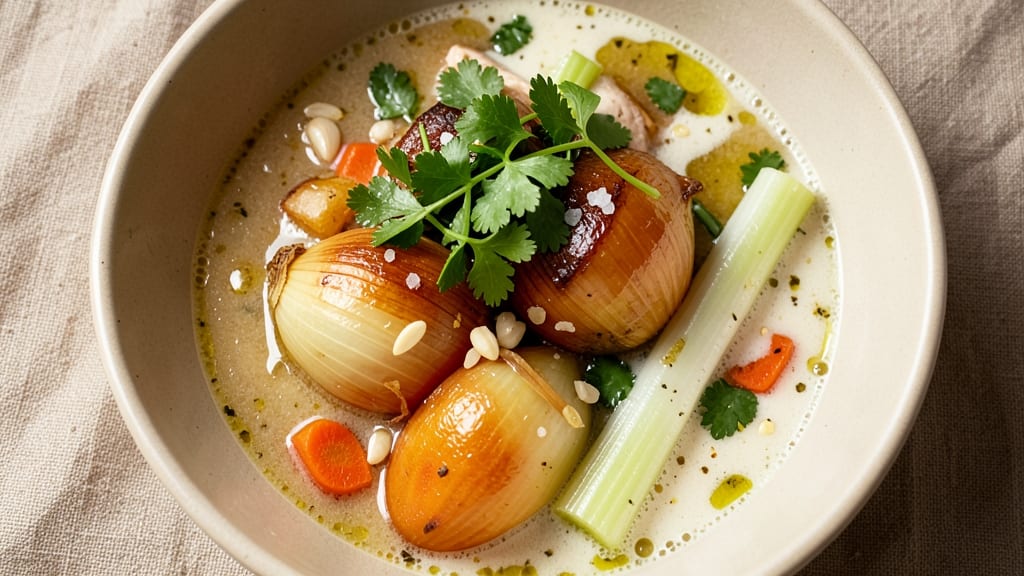
This best rainy day soup recipe transforms a chilly afternoon into a warm embrace with tender herb dumplings bobbing in rich, savory broth. The secret lies in layering aromatics—caramelized onions and garlic—then simmering them with chicken stock until deeply flavorful.
I've perfected this recipe over years of stormy weekends, when the scent of simmering broth and fresh herbs feels like a hug in a bowl.
The dumplings are the star: light, pillowy, and packed with parsley and chives, they absorb the broth's essence while adding texture. A touch of cornstarch keeps them tender without falling apart, and the broth—built with slow-cooked vegetables and a splash of soy sauce—develops a satisfying depth.
This isn't just soup; it's a cozy ritual that turns a gloomy day into a moment of comfort.
What makes this recipe truly special is how it comes together. While the broth simmers, you'll shape the dumplings in minutes, then drop them into the pot just as you're ready to serve.
The result? A steaming bowl of warmth with dumplings that float effortlessly, their edges just beginning to soften. The aroma alone—herbs, broth, and a hint of garlic—will have everyone heading to the kitchen.
Pair it with crusty bread for dipping, or top with a drizzle of chili oil for a kick. The beauty of this recipe is its flexibility: use chicken, vegetable, or even miso broth, and adjust the dumpling herbs to your taste.
Here's how to make it—step by step—so you can recreate that rainy-day magic anytime.
Ingredients for best rainy day soup
Pantry staples plus a handful of fresh herbs—this soup comes together on stormy afternoons.
| Ingredient | Amount | Notes |
|---|---|---|
| Yellow Onions 🧅 | 2 large | Thinly sliced for caramelizing |
| Garlic Cloves 🧄 | 6 cloves | Minced for deep flavor |
| Carrots 🥕 | 4 medium | Peeled and sliced into rounds |
| Celery Stalks 🌿 | 4 stalks | Diced into small pieces |
| Chicken Stock 💧 | 6 cups | Homemade or quality store-bought |
| Fresh Parsley 🌿 | ½ cup | Chopped finely for dumplings |
| Fresh Chives 🌱 | ¼ cup | Chopped for dumpling filling |
| All-Purpose Flour 🌾 | 1 ½ cups | For dumpling dough |
| Cornstarch 🌾 | 2 tbsp | Keeps dumplings tender |
| Salt 🧂 | 1 ½ tsp | Adjust to taste |
| Black Pepper 🌶️ | ½ tsp | Freshly ground preferred |
| Olive Oil 🫒 | ¼ cup | For caramelizing onions |
| Soy Sauce 🍶 | 1 tbsp | For umami depth |
| Water 💧 | ½ cup | For dumpling dough |
The onions are the foundation—yellow onions caramelize best for that sweet depth. Grab a couple of large ones from Trader Joe's or your local market; they slice more evenly than smaller ones. Fresh garlic cloves should smell pungent, not musty. If you're prepping ahead, peel and store them in the fridge for up to 3 days. The carrots and celery can be prepped while the onions cook—they'll soften beautifully in the broth. For the stock, homemade is ideal, but even the Pacific Foods or Swanson brands work in a pinch.
No fresh parsley? Dried parsley at half the amount will work, but it lacks that bright pop. Chives can be swapped for more parsley if needed—they're both mild and aromatic. Running low on soy sauce? Worcestershire sauce at half the amount gives a similar umami kick. The cornstarch is key for those pillowy dumplings—don't substitute arrowroot, it behaves differently. For the dough, use a light hand with flour; too much makes the dumplings tough. If your dough feels sticky, add just a pinch more flour, but don't overdo it.
This soup tastes even better the next day—double the batch if you're expecting company. Store leftovers in the fridge for 4-5 days, or freeze for 3 months. The dumplings keep their shape beautifully when frozen. To reheat, just warm everything gently on the stove—they'll float right back up. For extra coziness, serve with crusty sourdough and a drizzle of chili oil. The aroma alone will make your kitchen feel like a warm hug on a rainy day.
Why You'll Love This Recipe
- No-Chop Nightmare: I swear by this one—just dice the onions, chop the carrots and celery into rough chunks (no fancy julienne needed), and toss them in. The stock does all the heavy lifting while you sip tea and watch the rain.
- Garlic-Glazed Magic: That slow caramelization of onions and garlic? It’s the soul of this soup. The deeper the golden brown, the richer the flavor—like a hug in a bowl, especially when the celery and carrots melt into silky sweetness.
- Leftovers That Beg: Between us, this soup only tastes better the next day. The flavors meld overnight, and reheating it is a 30-second microwave win. Pack it for lunch or freeze portions—your future self will thank you.
- Pantry Staple Power: Honestly, if you’ve got onions, garlic, carrots, celery, and stock, you’re golden. No fancy ingredients, no last-minute grocery runs. It’s my go-to when the fridge is bare but the cravings aren’t.
Step-by-step instructions for cozy herb dumplings in savory broth
Here's how to make the ultimate comfort soup with golden dumplings and rich broth.
Caramelize the Vegetables for Deep Flavor
Heat the 0.25 cup olive oil in a large pot over medium heat. Add the 2 large yellow onions and cook for 8-10 minutes until softened and starting to turn golden. This slow cooking draws out their natural sweetness.
Add the 4 medium carrots and 4 stalks celery stalks, both diced into small pieces. Cook for another 5 minutes until they begin to soften. Stir occasionally to prevent sticking—you want these vegetables to caramelize slightly for maximum flavor.
Build the Aromatic Broth Base
Push the vegetables to one side of the pot and add the 6 cloves garlic cloves, minced. Let them cook for 30 seconds until fragrant—this prevents them from burning. Stir everything together and add the 1 tablespoon soy sauce and 1.5 teaspoons salt.
Pour in the 6 cups chicken stock and bring to a gentle simmer. Let it cook uncovered for 15 minutes until the vegetables are tender and the flavors meld together. You'll notice the broth developing a rich, golden color and aromatic steam.
Prepare the Herb Dumpling Dough
In a medium bowl, combine the 1.5 cups all-purpose flour, 2 tablespoons cornstarch, 0.5 teaspoon black pepper, and 1 tablespoon salt. Mix well to create a dry dough base. Add the 0.5 cup water and mix with a fork until it forms a soft dough.
Turn the dough onto a lightly floured surface and knead gently for 2 minutes until smooth. Divide the dough into 12 equal portions (about 1 tablespoon each). Roll each portion into a thin circle—about 2 inches wide—and set aside on a floured plate.
Assemble and Cook the Dumplings
In a small bowl, mix together the 0.5 cup fresh parsley and 0.25 cup fresh chives, both finely chopped. Place a small spoonful of the herb mixture in the center of each dough circle. Fold the dough over the herbs to form a half-moon shape, then press the edges together firmly to seal.
Carefully drop the dumplings into the simmering broth. Let them cook for 3-4 minutes until they float to the surface—this means they're cooked through. If any dumplings don't float, gently press them down with a spoon until they're fully submerged.
Finish and Serve the Perfect Soup
Once all dumplings are floating, reduce the heat to low and let the soup simmer for another 5 minutes. This allows the flavors to meld together and the dumplings to absorb some of the rich broth.
Taste and adjust the seasoning if needed. Ladle the soup into bowls, making sure each serving gets at least 2 dumplings. The dumplings should be tender yet slightly chewy, with pockets of flavorful herb filling. Serve immediately while hot and enjoy your perfect rainy day comfort soup!
Pro Tips For Making Best Rainy Day Soup
- SWEEAT THE ONIONS FIRST: I learned this the hard way—skipping the sweat step means your soup will taste raw and bitter. Cut the onions into even ¼-inch slices, cook them in a dry pot over medium heat for 8-10 minutes until they’re translucent and just starting to soften. This builds flavor that no amount of simmering later can replicate.
- CHOP CELEERY AND CARROTS SMALL: Big chunks of celery and carrots turn into mush—sounds weird, but it works. Dice them into ¼-inch pieces (about the size of a pea) so they cook evenly and disappear into the soup without leaving awkward textures. Yes, even if you’re impatient like me.
- SIMMER LOW AND LONG: High heat ruins stock-based soups. Once everything’s in the pot, reduce to a gentle simmer—tiny bubbles, almost imperceptible—and let it cook uncovered for at least 45 minutes. This lets the flavors meld properly, and the stock won’t turn cloudy or bitter.
- USE A LITTLE BUTTER IN THE STOCK: I was skeptical until I tried it—adding 1 tablespoon of butter to the stock at the end makes the soup richer without overpowering. Stir it in during the last 5 minutes of cooking, and the fat will emulsify into the broth for a velvety finish. (Your future self will thank you.)
Serving suggestions for this best rainy day soup
Bread Pairings
Nothing beats the classic combo of this soup with a warm, crusty loaf. I love using sourdough bread from my local bakery—its tangy flavor cuts through the richness of the broth beautifully.
For a lighter option, try baguette slices toasted with garlic butter. The key is to serve it fresh from the oven so the bread stays crispy for dipping. 🥖
Garnish Ideas
Top each bowl with a drizzle of chili oil for a subtle kick—just 1 teaspoon adds warmth without overpowering. Fresh parsley sprigs or chives add a pop of color and brightness. For extra richness, swirl in a spoonful of crème fraîche or a dollop of Greek yogurt before serving.
Dipping Sauces
If you want to go beyond bread, try serving with wonton strips for a crispy contrast. A small bowl of spicy mayo (mix 2 tablespoons mayo with ½ teaspoon sriracha) is another great option.
The dumplings soak up the sauce perfectly, adding an extra layer of flavor to every bite.
Wine Pairings
A crisp Sauvignon Blanc from New Zealand complements the bright herbs in the dumplings, while a light Pinot Noir balances the richness of the broth. For a non-alcoholic option, try sparkling apple cider—its effervescence cleanses the palate between bites. 🍷
Leftovers Strategy
Store leftovers in airtight containers with a splash of broth to keep the dumplings moist. Reheat gently on the stove, adding a little water if needed. For extra coziness, serve with buttered noodles on the side—it’s a great way to stretch the meal for another day.
The dumplings reheat beautifully, almost as good as fresh!
Seasonal Twists
In winter, add a sprinkle of toasted sesame seeds and a few shredded scallions for extra warmth. For spring, swap the parsley for cilantro and top with lime wedges. These small changes keep the soup feeling fresh and seasonal while maintaining that cozy, rainy-day vibe.
Nutrition facts
Frequently asked questions
Can I make this soup ahead of time?
This soup actually tastes better the next day as the flavors deepen. Prepare the broth and dumpling dough separately, then refrigerate both for up to 24 hours. When ready to serve, simply bring the broth to a simmer and cook the dumplings fresh. The dumplings will still be tender and flavorful.
What if I don't have fresh herbs for the dumplings?
No problem! Use ½ teaspoon dried parsley and ¼ teaspoon dried chives instead of fresh. For extra flavor, add ½ teaspoon dried dill or thyme to the dough. The dumplings will still taste delicious, just with a slightly different herbal profile.
Can I make this soup vegetarian?
Yes, simply swap the chicken stock for vegetable broth and add 1 cup cooked quinoa or chickpeas to the broth for protein. You can also use miso paste (1 tsp) instead of soy sauce for extra umami. The dumpling recipe remains exactly the same.
Why did my dumplings fall apart?
Overworking the dough or using too much flour are common culprits. The dough should be soft but not sticky—add just enough flour to handle it. Also, make sure your broth isn't boiling vigorously when adding dumplings (gentle simmer only). If they still fall apart, try adding 1 extra tablespoon cornstarch to the dough next time.
How can I make this soup spicier?
Add ½ teaspoon red pepper flakes to the broth while simmering, or stir in 1 tablespoon sriracha at the end. For heat with depth, try 1 teaspoon gochujang (Korean chili paste) when you add the soy sauce. You can also serve with spicy mayo or chili oil on the side for customizable heat.