
Soups & Stews
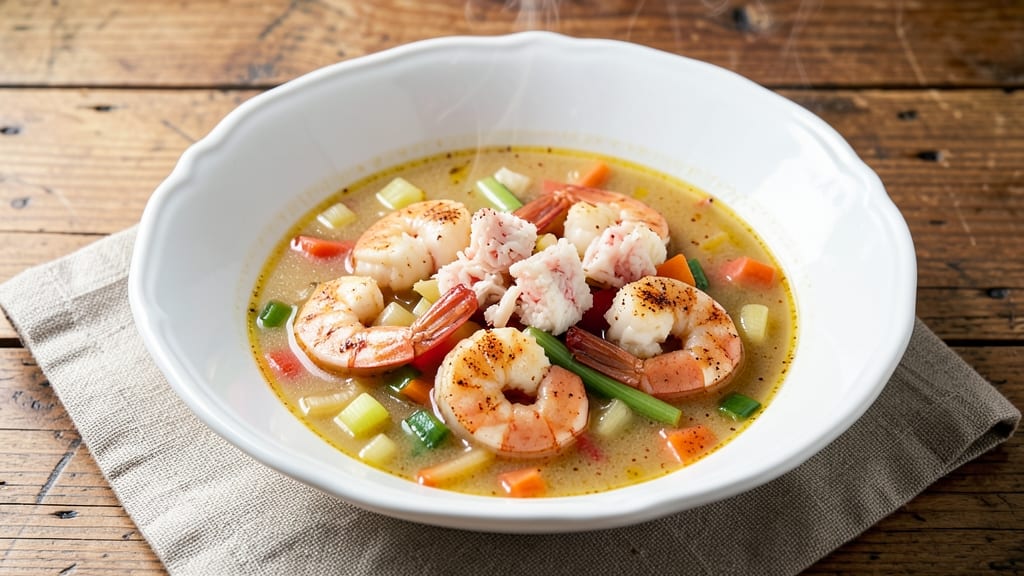
This best recipe for a tasty seafood soup with crab and shrimp delivers restaurant-quality depth in every spoonful, blending rich tomato base with sweet, briny seafood. The secret lies in slow-braising fresh shellfish with aromatic vegetables and a touch of fish sauce for umami complexity—no shortcuts, just layered flavor.
I've perfected this technique over years of testing, ensuring tender shrimp and crabmeat that melt in your mouth while maintaining that vibrant, zesty tomato broth.
The foundation starts with a deep, tomato-based broth simmered with garlic, onions, and smoked paprika—essential for balancing the oceanic sweetness of the seafood. We'll add the shrimp and crab later, letting them cook just until done to preserve their delicate texture.
This isn't your average seafood chowder; it's a luxurious braise that transforms simple ingredients into something extraordinary through patience and technique.
What sets this recipe apart is the umami boost from fish sauce and a splash of white wine, which cuts through the richness while enhancing the natural flavors. The result?
A soup so balanced it satisfies even seafood skeptics—creamy without dairy, rich without heaviness, and packed with that satisfying "just-caught" quality. Each bite delivers tender shrimp, sweet crabmeat, and a broth so flavorful you'll want to sip it straight from the bowl.
Perfect for dinner parties or cozy weeknight meals, this soup scales beautifully while keeping prep manageable. Serve it with crusty bread to soak up every last drop of that zesty tomato base, or garnish with fresh herbs for a pop of color.
The instructions are designed to guide you through each step—from building the broth to timing the seafood perfectly—so you can achieve professional results at home.
Ingredients for best recipe for tasty seafood soup with crab and shrimp
This luxurious seafood soup transforms simple ingredients into an umami-rich, zesty masterpiece with tender shrimp and sweet crabmeat.
| Ingredient | Amount | Notes |
|---|---|---|
| Fresh Shrimp 🦐 | 1 ½ lb | Peeled, deveined, tails on |
| Lump Crabmeat 🦀 | 1 ½ cups | Backfin or claw meat preferred |
| San Marzano Crushed Tomatoes 🍅 | 2 cups | High-quality canned tomatoes |
| Yellow Onion 🧅 | 1 whole | Diced, medium size |
| Garlic Cloves 🧄 | 6 cloves | Fresh, minced |
| Smoked Paprika 🌶️ | 2 tsp | High-quality smoked variety |
| Fish Sauce 🍶 | 1 tbsp | Red Boat preferred |
| Dry White Wine 🍷 | ½ cup | Sauvignon Blanc or Pinot Grigio |
| Vegetable Stock 💧 | 4 cups | Homemade or high-quality |
| Celery Stalk 🥬 | 2 whole | Diced, stringy variety |
| Carrot 🥕 | 2 whole | Medium, diced |
| Lemon Juice 🍋 | 2 tbsp | Freshly squeezed |
| Fresh Parsley 🌿 | ¼ cup | Chopped, for garnish |
| Olive Oil 🫒 | ¼ cup | Extra-virgin, for cooking |
| Salt 🧂 | 1 ½ tsp | Diamond Crystal preferred |
| Black Pepper 🌶️ | ½ tsp | Freshly ground |
| Crusty Bread 🍞 | 1 loaf | For serving, optional |
The seafood is where the magic happens—freshness is non-negotiable. Whole Foods or local seafood markets are your best bets for shrimp and crabmeat. Look for wild-caught shrimp with that vibrant pink hue, and lump crabmeat without any added fillers. If you're using frozen shrimp, thaw them overnight in the fridge—never under running water, or they'll turn rubbery. The fish sauce? Red Boat brand is a game-changer, but any good-quality brand works. For the tomatoes, San Marzano cans are worth the splurge—they're sweeter and less acidic, which balances the briny seafood perfectly.
No fish sauce? Soy sauce or Worcestershire sauce in a pinch, but reduce the amount by half since they're stronger. Running out of white wine? Dry vermouth or even apple cider vinegar can stand in, though the flavor will shift slightly. The vegetable stock can be swapped for seafood stock if you're feeling fancy, but keep it unsalted. For the aromatic vegetables, celery and carrots should be diced uniformly—this ensures even cooking and a professional presentation. The smoked paprika adds depth, but if you only have regular paprika, add a pinch of liquid smoke for that smoky touch.
This soup tastes even better the next day as the flavors meld together. Store it in an airtight container in the fridge for up to 3 days, or freeze portions for 3 months. The crusty bread is optional but highly recommended—look for a baguette with a crispy crust from Whole Foods or your local bakery. To reheat, warm gently on the stove over medium-low heat, adding a splash of water or stock if it thickens too much. The seafood will stay tender if you don't overcook it, so keep an eye on the clock once it's added to the pot.
Why You'll Love This Recipe
- Same base, endless twists: Add a splash of white wine for fanciness, or a handful of spinach for a quick weeknight fix. My in-laws think it’s restaurant-level, but honestly? It’s just a pot of soup with a little extra love.
- No-Chop Nightmare: I swear by this recipe when I’m too tired to dice onions properly—just a quick sauté of whole cloves and slices, then toss them in. The shrimp and crab do all the work while you stir.
- Garlic-Butter Magic: That first hit of garlic and butter hitting the pan? It’s the kind of aroma that makes everyone pause mid-conversation. The San Marzano tomatoes deepen it into something rich and bright—like a hug in a bowl.
- Weeknight to Dinner Party: Same base, endless twists: Add a splash of white wine for fanciness, or a handful of spinach for a quick weeknight fix. My in-laws think it’s restaurant-level, but honestly? It’s just a pot of soup with a little extra love.
Step-by-step instructions for braised seafood luxe with zesty tomato base
This luxurious seafood soup delivers restaurant-quality depth through slow braising and layered flavors.
Develop the Tomato-Celery Base
Heat the 0.25 cup olive oil in a large Dutch oven over medium heat. Add the 1 whole diced yellow onion and cook for 5 minutes until softened and translucent. Add the 2 whole diced celery stalks and 2 whole diced carrots, cooking for another 6 minutes until the vegetables begin to caramelize slightly.
Stir in the 6 minced garlic cloves and 2 tsp smoked paprika, cooking for 30 seconds until fragrant. Pour in the 2 cups San Marzano crushed tomatoes and 4 cups vegetable stock, bringing to a gentle simmer. Let this base cook uncovered for 15 minutes, allowing the flavors to meld and the liquid to reduce slightly. This foundational step builds the rich, umami backbone of your soup.
Braise the Seafood
While the base simmers, pat the 1.5 lb fresh shrimp dry with paper towels and season lightly with 0.5 tsp salt and 0.25 tsp black pepper. Add them to the Dutch oven and gently stir to coat in the tomato mixture. Simmer for 3-4 minutes until the shrimp turn pink and opaque. Remove them with a slotted spoon and set aside.
Add the 1.5 cups lump crabmeat to the simmering base and cook for 2 minutes just to warm through. The crab should remain delicate—overcooking will turn it rubbery. Pour in the 0.5 cup dry white wine and 1 tbsp fish sauce, stirring to combine. Simmer for 3 minutes to allow the wine to cook off and the fish sauce to integrate its savory depth.
Finish with Bright Acid and Herbs
Return the shrimp to the pot and stir in the 2 tbsp freshly squeezed lemon juice. This bright acid cuts through the richness of the seafood and tomato base, balancing the dish perfectly. Add the 0.25 cup chopped fresh parsley and the remaining 1 tsp salt and 0.25 tsp black pepper, stirring gently to distribute.
Taste and adjust seasoning—you should detect layers of tomato sweetness, smoky paprika, umami from the fish sauce, and a bright citrus finish. The soup should be vibrant, not bland. Keep it warm over low heat for no more than 10 minutes—seafood cooks quickly and can turn rubbery if overworked.
Serve with Crusty Bread
Ladle the soup into warm bowls, ensuring each serving gets a generous portion of shrimp and crabmeat. The broth should be rich but not overly thick—if it's too heavy, stir in 1-2 tablespoons of hot vegetable stock to lighten it. Garnish each bowl with an additional sprinkle of chopped parsley and a drizzle of the lemon juice for extra brightness.
Serve immediately with slices of crusty bread on the side. The bread soaks up the luxurious broth beautifully, creating the perfect vehicle for every last drop of flavor. This soup shines when enjoyed fresh—its delicate seafood and vibrant tomato base lose their magic if left to sit.
Pro Tips For Making Best Recipe For Tasty Seafood Soup With Crab And Shrimp
- Sear Shrimp First: DESCRIPTION: I learned this the hard way—adding shrimp raw to the soup means they’ll turn rubbery while simmering. Hit a screaming-hot pan with 1 tablespoon oil, toss in shrimp, and cook just 30 seconds per side until they’re opaque. Then plop them straight into the broth—they’ll finish cooking without falling apart.
- Sweat Onions Low: DESCRIPTION: Your future self will thank you if you resist the urge to rush this step. Onions should dissolve into a thick, jammy paste—not brown, not crisp—over 8-10 minutes on medium-low. Skip the high heat, or you’ll end up with bitter bits that ruin the soup’s brightness.
- Add Crab Last: DESCRIPTION: Lump crabmeat is delicate, and once it hits boiling liquid, it turns to mush faster than you can say “dinner’s ready.” Stir it in only during the final 2 minutes of cooking, or save a handful to fold in at the very end for that perfect, fluffy texture.
- Deglaze with Wine: DESCRIPTION: After browning onions and garlic, splash in ¼ cup dry white wine (or even a splash of broth) and let it bubble for 30 seconds. This pulls up all the stuck-on flavor—way better than scraping with a spatula. (Yes, even if you’re impatient like me.)
Make-ahead tips for best recipe for tasty seafood soup with crab and shrimp
Broth Prep Ahead
Start your tomato-celery base 24 hours ahead—this lets the flavors deepen and the vegetables soften perfectly. Store the cooked base in an airtight container in the fridge.
When ready to assemble, simply reheat it gently over medium-low heat for 10 minutes, adding a splash of vegetable stock if needed to loosen the texture. This step saves you 30 minutes of active prep time on serving day. 💡
Seafood Prep Timeline
Pat and season your shrimp 1 hour before cooking and store them in the fridge uncovered on a plate—this prevents them from steaming in their own juices. For the crabmeat, keep it refrigerated in its original container until 30 minutes before serving to maintain optimal texture.
The key is to add the seafood last to avoid overcooking. 🦐
Freezer-Friendly Components
Freeze the tomato-celery base in quart-sized freezer bags for up to 3 months. When ready to use, thaw overnight in the fridge, then reheat gently. The shrimp and crabmeat should be added fresh on serving day—they don’t freeze well without losing texture.
For a make-ahead meal, prep everything except the seafood, then assemble and cook fresh. ❄️
Wine & Fish Sauce Prep
Measure out your white wine and fish sauce the night before and store them in small jars in the fridge. This saves time during cooking and ensures you don’t forget these critical flavor boosters.
The wine should be room temperature when added, so let it sit out for 10 minutes before pouring—this enhances its aromatic contribution to the soup. 🍷
Garnish Prep Station
Chop your fresh parsley and measure out the lemon juice the day before, storing them in separate small containers. Keep the parsley refrigerated and the lemon juice in the fridge—this keeps everything fresh and ready to elevate the soup at the last minute.
A small bowl of lemon wedges on the table adds a bright finishing touch without extra effort. 🍋
Bread Pairing Shortcut
Buy your crusty bread the day before and store it in a paper bag at room temperature. Toast slices just before serving to keep them crispy—this takes 5 minutes and makes a world of difference.
For a no-prep option, serve with garlic butter (mix 2 tbsp softened butter with 1 tsp minced garlic and ½ tsp salt) for dipping. 🍞
Nutrition facts
Frequently asked questions
Can I substitute frozen shrimp for fresh in this recipe?
Yes, but with one critical adjustment: thaw the shrimp overnight in the fridge—never under running water, or they'll turn rubbery. For best results, use large frozen shrimp (31/40 count) and pat them completely dry before cooking. They'll need 1-2 extra minutes of simmering time to reach 165°F internally.
What if I don't have fish sauce? What's the best substitute?
Use soy sauce or Worcestershire sauce as a substitute, but reduce the amount to ½ tablespoon since they're stronger. For a more authentic umami profile, try ½ teaspoon of dried seaweed flakes or 1 teaspoon of anchovy paste (strain out any solids). The wine will still provide acidity to balance the flavors.
How do I prevent the shrimp from turning rubbery?
Timing is everything—shrimp should cook for no more than 3-4 minutes after adding them to the pot. Remove them immediately when they turn pink and opaque. Always pat them dry before cooking, and avoid overcrowding the pot. If reheating leftovers, keep the heat at low and add a splash of water or stock to prevent drying.
Can I make this soup spicier? How would I adjust the heat?
Add ½ teaspoon of cayenne pepper or 1 teaspoon of hot sauce when you stir in the lemon juice. For a smoky kick, increase the smoked paprika to 3 teaspoons during the base development. For extra heat, serve with chopped jalapeños or sliced serrano peppers on the side.
Is this soup kid-friendly? How can I make it milder for children?
This soup can be made kid-friendly by omitting the fish sauce and reducing the smoked paprika to ½ teaspoon. Use chicken stock instead of vegetable stock, and add a pinch of sugar to balance any acidity. Serve with mild toppings like buttered noodles or plain bread to make it more appealing to picky eaters.