
Soups & Stews
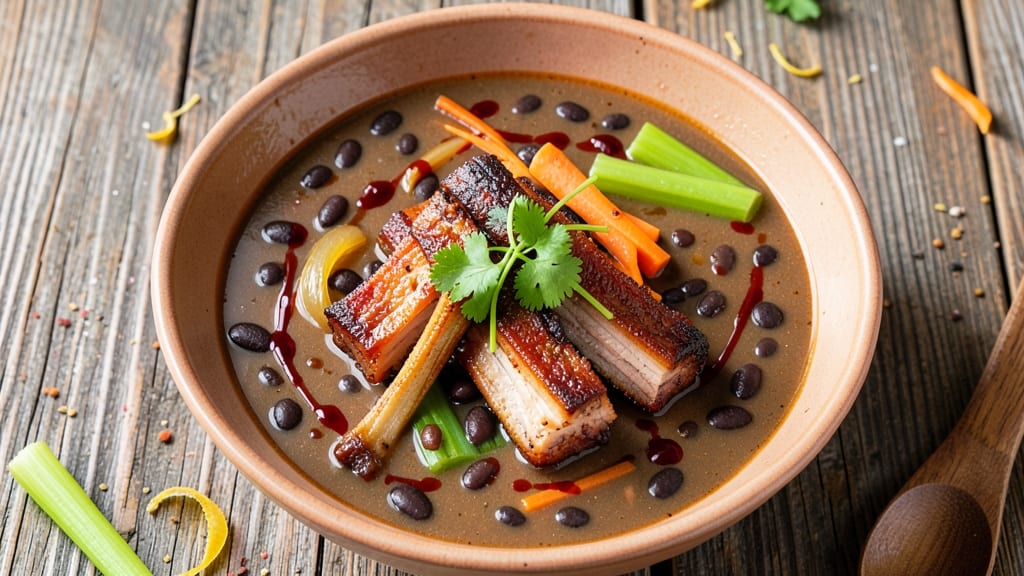
This black bean soup with pork ribs recipe brings together two Southern classics in a way that feels both nostalgic and refined. 🔥 The slow-braised ribs infuse the broth with deep, smoky flavor while the black beans add hearty texture and earthy richness—perfect for a meal that balances comfort and sophistication.
I developed this during a particularly chilly Atlanta winter when I needed a dish that could feed a crowd without sacrificing depth of flavor.
The magic happens in the braising process, where pork ribs simmer low and slow until they're tender enough to fall off the bone. Meanwhile, the black beans soak up the smoky essence of the pork while maintaining their natural creaminess.
This isn't just another bean soup—it's a celebration of pork's potential, elevated by the humble black bean's ability to transform simple ingredients into something extraordinary.
What you'll end up with is a steaming bowl of soup where each spoonful delivers layers of flavor: the tender, smoky pork that practically melts in your mouth, the creamy black beans that provide substance, and a broth so rich it feels like liquid gold.
The aroma alone will have everyone gathering around your table, and the taste? That's where the real magic happens.
This recipe works beautifully as a standalone meal or alongside cornbread and a crisp green salad. The smoky depth pairs wonderfully with a cold glass of unsweetened iced tea or a light lager—both of which cut through the richness without overpowering the dish. Let's get cooking!
Ingredients for black bean soup with pork ribs
Six hearty ingredients create this soul-warming soup where smoky ribs meet creamy black beans.
| Ingredient | Amount | Notes |
|---|---|---|
| Pork Ribs 🍖 | 2 ½ lb | Baby back or spare ribs, meaty bones preferred |
| Dried Black Beans 🌱 | 1 ½ cups | Soaked overnight or quick-soaked |
| Yellow Onion 🧅 | 1 whole | Chopped, medium size |
| Garlic Cloves 🧄 | 6 cloves | Peeled, smashed slightly |
| Celery Stalks 🥬 | 3 whole | Chopped, with leaves |
| Carrot 🥕 | 2 whole | Chopped, medium size |
| Tomato Paste 🍅 | ½ cup | Smooth, not chunky |
| Chicken Broth 💧 | 6 cups | Low-sodium preferred |
| Apple Cider Vinegar 🍏 | 2 tbsp | For tangy depth |
| Smoked Paprika 🌶️ | 1 tbsp | For smoky flavor |
| Ground Cumin 🌿 | 1 tsp | Toasted for warmth |
| Dried Oregano 🍃 | 1 tsp | Mexican oregano preferred |
| Salt 🧂 | 1 ½ tsp | Kosher or sea salt |
| Black Pepper 🌶️ | ½ tsp | Freshly ground |
| Bay Leaves 🌿 | 2 whole | Fresh or dried |
| Olive Oil 🫒 | 2 tbsp | For searing ribs |
The ribs are the star here—baby back or spare ribs both work, but spare ribs have more meat on the bone, which translates to richer broth. Costco and local butchers often sell them in bulk, which is perfect for this recipe. If you can't find fresh ribs, frozen ribs work too (thaw overnight in the fridge). Look for ribs with good marbling—they'll stay juicier during the long braise. I usually grab mine from Whole Foods or my neighborhood butcher, where they're cut fresh daily. The black beans? Dried is best—they absorb flavor better than canned, but if you're in a pinch, use no-salt-added canned beans (just drain and rinse them well).
No smoked paprika? Substitute with a mix of regular paprika and a pinch of liquid smoke—it's a game-changer for that authentic smoky taste. Running low on cumin? Ground coriander at half the amount gives a similar earthy note. The apple cider vinegar might seem odd, but it brightens the whole dish—substitute with red wine vinegar if that's what you've got. For the veggies, no celery? Swap with more onion or carrot. The tomato paste can be tricky if you don't have any—blend 1 cup of crushed tomatoes and use that instead. And if you're worried about the beans being too mushy, don't soak them too long—they should still hold their shape after cooking.
This soup tastes even better the next day, so make a double batch if you can. Store in airtight containers in the fridge for up to 5 days, or freeze for 3 months. The ribs will keep in the freezer for 6 months if you store them separately. To reheat, warm on the stove over medium-low heat—add a splash of broth if it gets too thick. I always make this on Sunday and portion it out for lunches all week. The flavors meld beautifully over time, so don't rush it.
Why You'll Love This Recipe
- One-Pot Magic: I swear by this recipe—just toss everything into a single pot, and the ribs fall off the bone while the beans soak up all that smoky, savory goodness. No fancy techniques, no extra dishes. Honestly, the only thing harder than making it is deciding when to stop eating it.
- Rich & Deep Umami: That combo of slow-cooked pork ribs and dried black beans? It’s a flavor explosion—earthy, meaty, with a backbone of garlic and onion that just hits different. The ribs add this incredible depth, while the beans keep it hearty without being heavy. Between us, it’s the kind of taste that makes you want to lick the pot.
- Double-Duty Dinner: This soup is my go-to for lazy Sundays and hectic weeknights. Make a big batch, and you’ve got leftovers for lunch the next day—or freeze half for when life gets crazy. It’s also weirdly flexible: serve it with crusty bread for a cozy meal, or over rice for something lighter. (Yes, even on a Tuesday night.)
- Budget-Friendly Powerhouse: Pork ribs on sale? Dried beans for pennies? This recipe stretches every ingredient into something ridiculously satisfying. I’ll be real: my grocery bill thanks me every time I make it, and somehow, it always feels like a restaurant-quality meal. That crispy rib edge with the creamy bean broth? Chef’s kiss—and it won’t break the bank.
Step-by-step instructions for black bean soup with pork ribs
Here's how to create a rich, smoky soup where tender ribs meet hearty beans.
🔥 Step 1: Sear the Pork Ribs for Maximum Flavor
Pat the 2.5 lb pork ribs completely dry with paper towels—this ensures a perfect sear. Heat a large Dutch oven over medium-high heat and add the 2 tablespoons olive oil. Once shimmering, carefully place the ribs in a single layer and sear for 8-10 minutes until they develop a deep golden-brown crust.
Here's the thing—don't move them around too much. Let them sit undisturbed for the first 2-3 minutes so they develop that gorgeous caramelized crust. Flip the ribs once and continue searing until they're evenly browned. This step builds the foundation for your soup's smoky depth.
👨🍳 Step 2: Build the Flavor Base with Aromatics and Spices
Remove the seared ribs from the pot and set them aside. In the same Dutch oven, add the chopped 1 whole yellow onion, 3 whole celery stalks, and 2 whole carrots. Cook over medium heat for 5-6 minutes, stirring occasionally, until the vegetables begin to soften and the onion turns translucent.
Add the 6 cloves garlic cloves, 1 tablespoon smoked paprika, 1 teaspoon ground cumin, 1 teaspoon dried oregano, 1.5 teaspoons salt, and 0.5 teaspoon black pepper. Stir everything together for 30 seconds until the spices are fragrant and the garlic is lightly golden. This aromatic trio forms the soul of your soup.
🥘 Step 3: Simmer the Ribs and Vegetables
Return the seared ribs to the Dutch oven and add the 0.5 cup tomato paste and 2 tablespoons apple cider vinegar. Stir to coat everything in the rich, tangy mixture. Pour in the 6 cups chicken broth and add the 2 whole bay leaves. Bring the mixture to a gentle boil, then reduce heat to low and let it simmer uncovered for 1 hour.
During this time, the ribs will become fork-tender and infuse the broth with their smoky flavor. You'll know it's ready when the ribs pull away from the bones easily and the broth has reduced slightly, concentrating the flavors. Keep an eye on the liquid level—add a splash of water if it gets too low.
🍳 Step 4: Add the Black Beans and Finish the Soup
Drain and rinse the 1.5 cups dried black beans if you didn't soak them overnight. Add them to the Dutch oven along with the ribs and any accumulated juices. Stir gently to combine and bring the soup back to a simmer. Reduce heat to medium-low and cook for another 45-60 minutes, until the beans are tender but still hold their shape.
Here's the moment that matters: Taste and adjust seasoning. You might need a bit more salt or a splash of vinegar to balance the flavors. The soup should be rich, smoky, and perfectly seasoned. If it's too thick, add a bit more broth or water to reach your desired consistency.
🍽️ Step 5: Serve and Enjoy Your Hearty Soup
Remove the ribs from the soup and let them rest on a cutting board for 5 minutes. Use two forks to pull the meat from the bones, discarding any large pieces of bone or cartilage. Return the rib meat to the soup and stir gently to combine.
Ladle the soup into bowls, making sure each serving gets a generous portion of those tender ribs and flavorful beans. Garnish with fresh cilantro or chopped parsley if you like, and serve with warm cornbread or crusty bread to soak up every last drop of that delicious broth.
Pro Tips For Making Black Bean Soup With Pork Ribs
- SOAK BEANS OVERNIGHT: I learned this the hard way—rushing the beans with a quick soak leaves them tough and gummy. Dried black beans need at least 8 hours in cold water (or 2 hours in hot water) to soften properly, especially for a rich, hearty soup where texture matters.
- SEAR RIBS IN BATCHES: High heat. Seriously, crank it up for the ribs—you want deep caramelization, not steamed pork. Work in 2-3 batches if needed; crowding the pan steams instead of sears, and you’ll end up with bland, gray meat.
- CHAR THE ONIONS LOW: Skip the rush to get them golden fast—I used to blast them on high and burn them. Slice onions thin, cook them on medium-low with a splash of water, and let them slow-simmer until deeply caramelized. This adds sweetness that cuts through the richness of the pork.
- SIMMER LONG AND LOW: This isn’t the prettiest method, but it’s the tastiest: after everything’s in the pot, reduce heat to a bare simmer and let it bubble gently for at least 2 hours. The beans break down, the pork falls off the bone, and the flavors meld—no shortcut here.
Make-ahead tips for leftovers
Prep Ahead Basics
Start by prepping the ribs and beans separately for maximum efficiency. Trim any excess fat from the 2.5 lb pork ribs and store them in a sealed container in the fridge for up to 48 hours before cooking.
For the beans, soak the 1.5 cups dried black beans overnight in a bowl covered with water—I like to add a bay leaf to the soaking water for extra flavor. Drain and rinse them just before adding to the soup.
This step saves you 2 hours of cooking time later. ⏰
Slow Braise Prep
Here's my pro tip: Sear the ribs the day before if you're really ahead of the game. After searing them as directed, let them cool completely, then store in the fridge.
When you're ready to cook, simply add them straight to the Dutch oven with the other ingredients—no need to sear again. The ribs will pick up all the flavors during the long simmer, and you'll save yourself 15 minutes of prep time on the actual cooking day.
Flavor Boosting
Make a double batch of the spice blend—smoked paprika, cumin, oregano, salt, and pepper—and store it in an airtight container for up to 3 months. This comes in handy for future soups, stews, or even rubs for grilled meats.
I keep mine in a small amber glass jar on my spice rack. For an extra smoky kick, toast the 1 tablespoon smoked paprika in a dry skillet over low heat for 1 minute before adding it to the soup—this deepens its flavor profile significantly.
Freezer-Friendly Strategy
This soup freezes beautifully, so I always make a big pot and freeze half for later. Let the soup cool completely, then portion it into quart-sized freezer bags or airtight containers. Leave 1 inch of headspace for expansion, and label with the date.
When reheating from frozen, thaw overnight in the fridge, then warm on the stove over medium-low heat for 10-15 minutes, stirring occasionally. Add a splash of broth if needed to restore texture. The ribs will be just as tender when reheated properly. ❄️
Rib Meat Prep
Save time on serving day by pulling the ribs from the soup and shredding them ahead. After the soup is complete, remove the ribs, let them cool slightly, then shred the meat using two forks.
Store the shredded meat in a separate container in the fridge for up to 3 days. When ready to serve, simply reheat the broth and beans separately, then combine with the pre-shredded ribs. This keeps everything perfectly tender and makes assembly a breeze.
Make-Ahead Timeline
Here's my foolproof schedule: Day 1—soak the beans and prep the ribs. Day 2—sear the ribs and make the spice blend. Cooking Day—simmer everything together for 2 hours (including bean cooking time). This way, you're only spending active time in the kitchen on the day you serve.
For a true hands-off meal, I sometimes even prep everything the night before and let it cook while I'm at work—just set the timer for 2 hours on low heat before you leave. 💪
Nutrition facts
Frequently asked questions
Can I use canned black beans instead of dried?
Yes, but with a few adjustments! Use 2 (15-ounce) cans of no-salt-added black beans, drained and rinsed well. Since canned beans are pre-cooked, reduce the simmering time after adding them to just 15-20 minutes—they'll absorb flavor quickly. For extra depth, add them during the last 30 minutes of cooking instead of at the beginning.
How do I make this soup spicier?
Add ½ teaspoon cayenne pepper or 1 chopped chipotle pepper in adobo sauce when you add the tomato paste. For heat lovers, stir in 1 tablespoon hot sauce at the end. Pro tip: Toast ½ teaspoon ground cumin in the dry pot first—it adds smoky depth that complements the spice beautifully.
What's the best way to reheat leftovers?
Gently reheat on the stove over medium-low heat, stirring occasionally and adding 2-3 tablespoons broth if the soup thickens too much. Never microwave—it makes the ribs tough. For extra tenderness, cover the pot and let it warm through slowly. If reheating from frozen, thaw overnight in the fridge first, then warm on low heat for 10-15 minutes.
Can I substitute chicken broth for beef broth?
Beef broth will add richer, deeper flavor that pairs perfectly with the pork. For best results, use low-sodium beef broth and add an extra ½ teaspoon salt to balance. The pork's natural sweetness will shine through even more with the beefy base. This swap works especially well if you're serving with cornbread for a full Southern meal.
Why did my ribs turn out tough?
Most likely, they weren't cooked long enough. Pork ribs need at least 2 hours of simmering to become tender. Check your heat level—keep it at a gentle simmer, not a rolling boil. Also,