
Soups & Stews
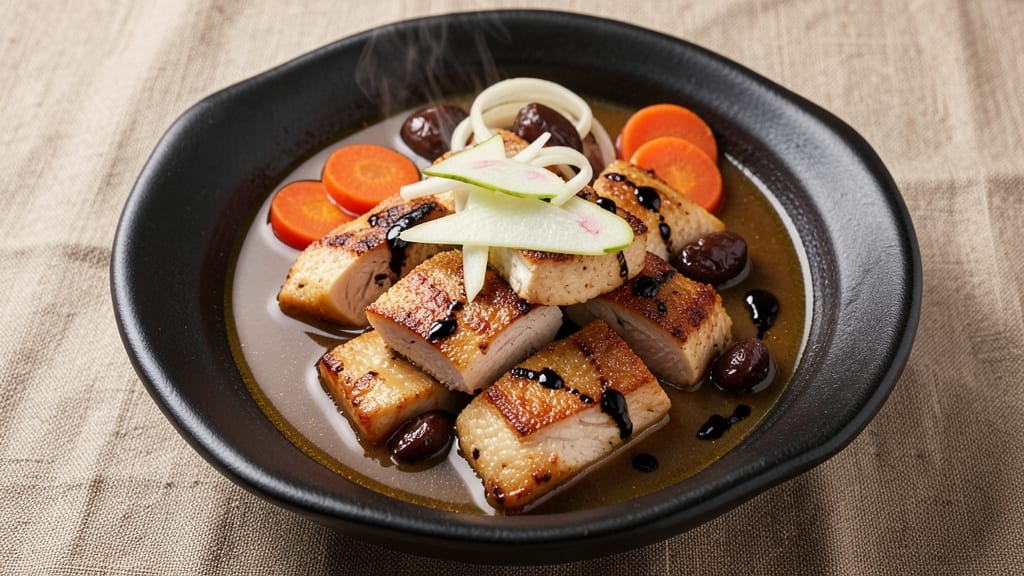
This black garlic chicken soup recipe transforms ordinary chicken broth into a rich, umami-packed masterpiece using fermented garlic’s deep, sweet complexity. The slow-cooked process develops layers of flavor that store-bought broths simply can’t match, while black garlic adds a subtle, caramelized depth that elevates every spoonful.
What starts as simple ingredients becomes a comforting, restaurant-quality meal that’s perfect for chilly evenings or when you crave something hearty yet refined.
The secret lies in balancing black garlic’s intense umami with traditional seasonings—ginger, star anise, and a touch of soy sauce—to create harmony without overpowering. Unlike regular garlic, black garlic’s fermented sweetness mellows into a velvety richness that pairs beautifully with tender chicken and vegetables.
This isn’t just soup; it’s a flavor experience that turns a weeknight into a culinary moment.
By simmering the broth low and slow, you’ll extract every ounce of flavor from the chicken and aromatics, resulting in a broth so rich it coats your spoon.
The black garlic infuses the liquid with its signature deep color and complex taste, while the vegetables absorb the essence of the soup. Serve it with steamed rice or noodles to soak up every last drop of that velvety, umami-filled goodness.
This recipe delivers more than just warmth—it’s a testament to how simple ingredients, when treated with care, can create something extraordinary. Whether you’re feeding a family or treating yourself, the result is a bowl of soup that feels like a hug in edible form.
Let’s get started on crafting this deeply satisfying dish.
Ingredients for black garlic chicken soup
Transform simple ingredients into a deeply umami-rich black garlic chicken soup masterpiece.
| Ingredient | Amount | Notes |
|---|---|---|
| Chicken Breast 🍗 | 1 ½ lb | Boneless, skinless, cut into 1-inch pieces |
| Black Garlic 🧄 | ¼ cup | Fermented, minced for depth |
| Chicken Broth 💧 | 6 cups | Homemade or high-quality low-sodium |
| Carrots 🥕 | 3 medium | Peeled, cut into 1-inch rounds |
| Daikon Radish 🥕 | 1 whole | Peeled, cut into 1-inch slices |
| Fresh Ginger 🌿 | 1 inch | Peeled, sliced into thin coins |
| Star Anise 🌶️ | 2 whole | For aromatic depth |
| Soy Sauce 🍶 | 1 tbsp | Light or dark, for umami balance |
| Sesame Oil 🫒 | 1 tsp | Toasted, for finishing aroma |
| Green Onions 🧅 | 3 whole | Sliced, for garnish |
| Salt 🧂 | 1 tsp | Diamond Crystal preferred |
| White Pepper 🌶️ | ½ tsp | Freshly ground for subtle heat |
| Rice Vinegar 🍶 | 1 tsp | For brightness |
| Sesame Seeds 🌾 | 1 tsp | Toasted, for garnish |
Black garlic is the heart of this dish—look for deep purple-black cloves at specialty markets or Asian grocery stores like H Mart. The fermentation process gives it that signature sweet, molasses-like depth that regular garlic can't replicate. If you can't find it fresh, Honey Garlic Gourmet sells pre-packaged black garlic online. For the chicken, free-range or organic makes the broth richer, but any boneless breast will work. The broth is non-negotiable—homemade is ideal, but Kirkland Signature or Pacific Foods low-sodium versions save time without sacrificing quality. Star anise is key for that subtle licorice note—buy whole pods and crush them lightly between your palms before adding.
No black garlic? Double the regular garlic and ferment it for 2 weeks (though it won't be identical). Substitute daikon for regular radish if needed—it's milder but adds sweetness. The ginger should be freshly grated for maximum punch, but if you're using pre-minced, add an extra teaspoon. Soy sauce swaps? Coconut aminos work 1:1, but you'll lose some depth. For the carrots, baby carrots are fine, but organic heirloom varieties have more natural sweetness. The sesame oil is for finishing—use the toasted variety from Trader Joe's for best flavor. And if you're short on time, pre-cut frozen ginger works in a pinch (just thaw first).
This soup tastes even better the next day as flavors meld—make a double batch for leftovers. Store in airtight containers for 4-5 days in the fridge, or freeze for 3 months. The black garlic keeps for 6 months unopened at room temperature, but once opened, refrigerate it. For serving, keep the broth hot and the toppings (green onions, sesame seeds) separate until the last minute to preserve their freshness. The sesame seeds toast beautifully in a dry pan for 30 seconds—worth the extra minute for that nutty aroma.
Why You'll Love This Recipe
- No Chopping Needed: I swear by this—just dice the chicken and toss in the pre-sliced veggies from the fridge. That black garlic? Already minced in its jar. Twenty minutes max, and zero stress.
- Sweet-Savory Magic: The black garlic turns the broth into liquid gold—deep, molasses-like richness that clings to tender chicken. Daikon’s crunch and carrots’ caramelized bite? It’s like a hug in a bowl.
- Lunchbox Hero: Between us, this soup reheats like a dream. Pack it cold for work or warm it up in minutes—still tastes fresh. My kids grab it before soccer practice without complaint. (A win in my book.)
- Budget Booster: Chicken breast stretches over two meals, and black garlic lasts weeks in the pantry. Carrots and daikon are cheap staples, so you’re basically getting gourmet flavor for pennies. My wallet thanks me.
Step-by-step instructions for black garlic chicken soup
Here's how to transform simple ingredients into a deeply flavorful soup where fermented black garlic takes center stage.
Sear the Chicken for Maximum Flavor
Heat a large soup pot over medium-high heat until hot. Add the 1.5 lb chicken breast cut into 1-inch pieces and cook undisturbed for 3-4 minutes per side until the exterior develops a golden-brown crust. This searing step creates the Maillard reaction that forms the foundation of your soup's depth.
Don't overcrowd the pot—cook in batches if needed to maintain even browning. As the chicken releases its juices, you'll notice the aroma intensifying. Once properly seared, remove the chicken pieces and set them aside on a plate. You'll return them to the pot later, but for now, let's build that aromatic base.
Build the Umami-Packed Base
In the same pot, add 1 tablespoon soy sauce, 2 whole star anise, 1-inch fresh ginger sliced into thin coins, and 1 whole daikon radish cut into 1-inch slices. Stir to combine and cook for 2 minutes until the aromatics begin to release their essential oils and the soy sauce caramelizes slightly.
Add the 3 medium carrots cut into 1-inch rounds and the 6 cups chicken broth. Bring the mixture to a gentle boil, then immediately reduce heat to medium-low. Let it simmer uncovered for 10 minutes to allow the flavors to meld together. You'll notice the broth developing a rich, golden hue and an enticing aroma that combines sweet, earthy, and umami notes.
Incorporate the Black Garlic and Season
Add the 0.25 cup minced black garlic to the simmering broth. Stir gently to distribute it evenly throughout the liquid. The black garlic will dissolve gradually, releasing its deep, complex flavors. Add the 1 teaspoon salt and 0.5 teaspoon white pepper, stirring until fully dissolved.
Return the seared chicken pieces to the pot and bring the soup back to a gentle simmer. Cook for 15-20 minutes until the chicken is fully cooked through and tender enough to pierce easily with a fork. The carrots and daikon should also be tender but still hold their shape. If the broth begins to reduce too much, add ½ cup water to maintain the proper consistency.
Finish with Brightness and Garnish
Remove the pot from heat and stir in 1 teaspoon rice vinegar and 1 teaspoon sesame oil. The vinegar adds a bright, tangy note that cuts through the richness of the black garlic and chicken, while the sesame oil contributes a nutty aroma. Taste and adjust seasoning if needed—you might find you need a touch more salt or vinegar to balance the flavors.
Ladle the soup into serving bowls and garnish each portion with 3 whole green onions sliced and 1 teaspoon toasted sesame seeds. The green onions add a fresh, crisp contrast to the rich soup, while the sesame seeds provide a textural element and additional nutty depth. Serve immediately while hot to fully appreciate the complex interplay of flavors.
Pro Tips For Making Black Garlic Chicken Soup
- Slice Chicken Thin: Black garlic’s sweet, jammy flavor needs time to shine—don’t bury it under thick chunks of chicken. Cut the breasts into ½-inch slices against the grain so they cook fast and stay tender. (Yes, even if you’re impatient like me, this isn’t the step to rush.)
- Mince Black Garlic: Skip the whole cloves—black garlic’s magic happens when it’s finely minced. Use a knife or pulse it briefly in a food processor until it’s paste-like. This blends smoothly into the broth instead of sitting in clumpy, underused bits. (Your future self will notice the difference.)
- Simmer, Don’t Boil: Black garlic burns faster than you’d think. Once the chicken and veggies hit the pot, keep the heat at a gentle simmer—small bubbles, not rolling waves. Too much heat turns the black garlic bitter, and that’s a flavor train wreck you won’t recover from.
- Add Daikon Last: Daikon radish turns mushy if it soaks in broth too long. Toss it in just 5 minutes before serving so it stays crisp with a satisfying bite. (I learned this the hard way after serving soup with sad, limp daikon—no one wants that.)
Pro cooking tips for great black garlic chicken soup
Black Garlic Infusion
Black garlic is the star of this soup, so handle it with care—mincing it just before adding to the broth ensures maximum flavor release. I like to use a microplane for fine control, but a sharp knife works too.
The key is to add it when the broth is simmering gently, not boiling—this prevents the delicate flavors from escaping as steam. If you notice the broth turning too dark, reduce heat immediately to preserve that deep umami without bitterness. 💫
Low-and-Slow Simmering
Never rush the simmering process—this is where the magic happens. Maintain a gentle bubble (just small ripples) at medium-low heat for at least 20 minutes after adding chicken. I use a digital thermometer to keep temps between 185-195°F—this range extracts maximum collagen from the chicken for that velvety texture.
If your broth reduces too quickly, add ¼ cup water at a time rather than all at once to avoid diluting flavors.
Star Anise Technique
Whole star anise needs proper treatment to release its full aroma. Lightly crush the pods between your palms before adding to the pot—this breaks the essential oil sacs without pulverizing them. Remove the pods after 10 minutes of simmering (they can become bitter if overcooked).
I strain the broth through a fine-mesh sieve to eliminate any lingering fragments, but you can also fish them out with tongs. This step prevents that licorice aftertaste that ruins an otherwise perfect soup. ⚡
Chicken Doneness Check
Use a meat thermometer to verify doneness—chicken should reach 165°F internal temperature in the thickest part. I also do the "fork test": pierce the largest piece and check for clear juices (no pink).
If your chicken cooks unevenly, remove it early and finish in the broth off the heat for 5 minutes to absorb flavors without overcooking. This is especially important when working with breast meat that can dry out.
Vinegar Timing
The rice vinegar should be the very last addition—adding it too early causes the acid to break down the black garlic's delicate compounds. Stir it in just before serving to preserve that bright, tangy contrast.
I also recommend having a small bowl of extra vinegar at the table for guests who prefer more acidity. This final touch elevates the soup from good to extraordinary with minimal effort. 💛
Equipment Upgrades
For next-level results, invest in a heavy-bottomed Dutch oven—it distributes heat evenly and prevents scorching. A fine-mesh tamis strainer makes removing star anise effortless, and a ladle with a strainer attachment helps portion garnishes perfectly.
I also keep a small saucepan nearby to toast sesame seeds separately for maximum aroma—just 30 seconds on low heat makes all the difference. These tools might seem like extras, but they transform this soup from homemade to restaurant-quality. 🔥
Nutrition facts
Frequently asked questions
Can I use regular garlic instead of black garlic in this recipe?
You can substitute, but the flavor will be completely different. Regular garlic has a sharp, pungent taste that won't provide the same deep, sweet umami profile. For a similar effect, ferment regular garlic for 2-3 weeks in a warm place (like a spice cabinet) before using. If you're in a hurry, try 1 teaspoon garlic powder plus ½ teaspoon onion powder for a milder alternative, but the black garlic's unique caramelized depth will be missing.
How do I know when the chicken is fully cooked?
Use a meat thermometer to check the thickest part of the chicken—it should reach 165°F. If you don't have one, cut into the largest piece: the juices should run clear, and there should be no pink remaining. For extra safety, remove the chicken when it hits 160°F and let it finish in the warm broth off the heat for 5 minutes to absorb flavors without overcooking.
Can I make this soup ahead of time?
This soup actually tastes better the next day as the flavors meld. Store in an airtight container in the fridge for 4-5 days or freeze for 3 months. Reheat gently on the stove over medium-low heat, stirring occasionally. If the broth seems too thick after reheating, add ¼ cup water at a time until it reaches your preferred consistency. The black garlic will keep its flavor, though the texture may soften slightly.
What if my broth tastes too bitter?
Bitterness usually comes from overcooking the star anise or black garlic. If this happens, immediately remove the star anise pods and reduce the heat. To balance the flavor, add ½ teaspoon sugar or 1 teaspoon honey to round out the taste. A splash of rice vinegar (up to 1 teaspoon) can also help brighten the broth. If the bitterness persists, you may need to start fresh with a new batch of broth.
Can I add noodles or rice to this soup?
Yes! For a heartier meal, add 4 ounces dried udon or ramen noodles during the final 5 minutes of cooking, or 1 cup cooked jasmine rice to each bowl before serving. If using rice, cook it separately and add it to the bowl after ladling the hot soup over it. For noodles, use low-sodium varieties to avoid over-salting the broth. Serve with extra green onions and sesame seeds for garnish.