
Soups & Stews
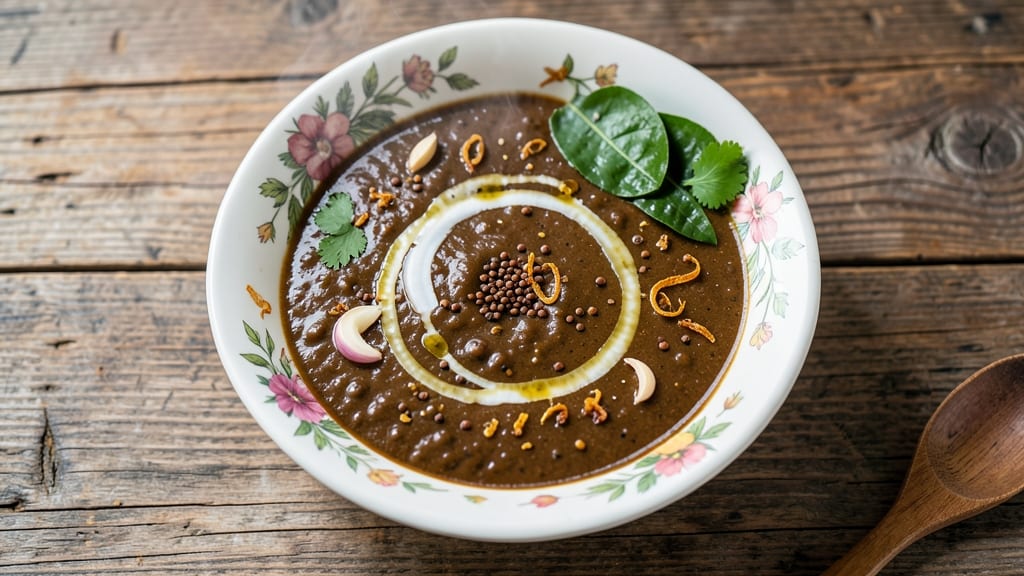
This black gram soup recipe delivers the deep, earthy comfort of South Indian cuisine in a single pot, where nutty black lentils transform into a velvety, spiced broth that warms both body and soul.
The secret lies in slow-cooking the lentils until they dissolve into a rich, almost custard-like texture, while aromatic spices like cumin, coriander, and curry leaves build layers of flavor that linger long after the last spoonful.
I developed this version to capture the soul-soothing essence of traditional preparations while adapting it for modern kitchens—where every ingredient earns its place in this hearty, vegan masterpiece.
The beauty of this recipe is its simplicity: no complicated techniques, just soaking the black grams overnight to soften them, then simmering them with vegetables, tomatoes, and a carefully balanced blend of spices until the broth becomes thick and luxurious.
The key to success is patience—letting the flavors meld over low heat for at least 45 minutes transforms humble ingredients into something extraordinary. This isn’t just soup; it’s a one-pot meal that feels like a hug on a chilly day, perfect for those who crave depth without the heaviness.
What makes this soup truly special is its versatility—serve it as a standalone dish with a swirl of coconut cream and crispy shallots for garnish, or pair it with steamed rice and papadums for a complete South Indian feast.
The aroma alone, rising from the pot as it simmers, will have everyone gathering around the table. Each spoonful delivers a perfect balance of earthy, nutty, and slightly tangy notes, making it a recipe that’s as comforting as it is satisfying.
For those new to black gram, don’t be intimidated—this recipe is foolproof and forgiving. The lentils’ natural creaminess means even slight variations in cooking time won’t ruin the dish, and the spices can be adjusted to suit your taste.
Whether you’re preparing it for a family dinner or a cozy weekend meal, this soup promises to become a staple in your rotation. Let’s get cooking—your taste buds will thank you.
Ingredients for black gram soup
Fifteen simple ingredients transform into one-pot South Indian comfort.
| Ingredient | Amount | Notes |
|---|---|---|
| Black Gram (Urad Dal) 🌾 | 1 cup | Soaked overnight, drained |
| Coconut Oil 🫒 | 2 tbsp | For tempering, not refined |
| Cumin Seeds 🌿 | 1 tsp | Toasted until fragrant |
| Curry Leaves 🌿 | ¼ cup | Fresh, packed |
| Garlic Cloves 🧄 | 5 cloves | Minced, not pressed |
| Ginger 🌿 | 1 inch | Fresh, peeled, grated |
| Onion 🧅 | 1 medium | Finely chopped |
| Tomatoes 🍅 | 2 medium | Ripe, chopped |
| Green Chili 🌶️ | 1 whole | Slit lengthwise, optional |
| Turmeric Powder 🌿 | ½ tsp | Freshly ground preferred |
| Coriander Powder 🌿 | 1 tsp | Freshly ground preferred |
| Salt 🧂 | 1 tsp | Adjust to taste |
| Coconut Milk 🥥 | ½ cup | Full-fat for creaminess |
| Lemon Juice 🍋 | 1 tbsp | Freshly squeezed |
| Fresh Coriander Leaves 🌿 | ¼ cup | Chopped, for garnish |
Black gram is the star here—look for whole urad dal at Indian markets or bulk bins for the best texture. Trader Joe's carries it, but if you're local, Whole Foods bulk section often has it too. The coconut oil matters for that authentic tempering flavor—avoid refined oils; they lack the rich, nutty taste. Curry leaves can be tricky to find outside Indian stores, but substitute with 2 tbsp fresh bay leaves if needed. Fresh ginger and garlic are non-negotiable though—frozen won't cut it for this dish.
No curry leaves? Fresh bay leaves or even a pinch of dried curry powder works in a pinch. Short on coconut milk? Full-fat cashew cream gives the same richness. The green chili is optional but adds that signature South Indian kick—remove seeds for less heat. If you're using canned tomatoes, San Marzano is ideal, but any ripe variety works. The turmeric and coriander powders should be freshly ground if possible—pre-ground spices lose potency fast. For the tomatoes, roasting them briefly before adding deepens the flavor (trust me on this).
This soup tastes even better the next day—double the batch if you can. Keeps for 4-5 days in the fridge, or 3 months frozen. Store in airtight containers with a layer of coconut milk on top to preserve freshness. The coconut cream garnish? Add it just before serving—it melts into the soup and makes everything taste like a celebration. Fresh coriander leaves? Toss them in at the end for that bright, herbal finish.
Why You'll Love This Recipe
- No-Soaking Needed: I’ll admit, I used to dread soaking dal—but black gram here? Just a quick rinse and you’re good. That first sizzle of cumin in coconut oil turns it into something magical without the wait.
- Garlic-Curry Magic: Between us, the garlic and curry leaves are the stars. The moment they bloom in hot oil, your kitchen smells like a spice market, and every spoonful delivers that crisp, aromatic punch that makes you reach for more.
- Weeknight to Party: Make a big batch on Sunday—it’s my go-to for lazy nights or when unexpected guests show up. The soup thickens beautifully, so it’s hearty enough for a meal but light enough to feel special. (Yes, even on a Tuesday night.)
- Budget-Busting Protein: A cup of black gram feeds four for under $2. It’s the kind of recipe where you’re not just eating—you’re stretching your grocery money without sacrificing flavor. Leftovers? Even better—taste just as rich the next day.
Step-by-step instructions for black gram soup
Here's how to create this hearty, earthy soup that warms you from the inside out.
Pressure Cook the Black Gram Until Tender
Start by placing the soaked and drained 1 cup black gram in your pressure cooker with 2 cups of water. Seal the lid and cook on medium-high heat until the pressure builds up, then reduce to low heat and cook for 15-20 minutes from the time the pressure stabilizes. You'll know it's done when the beans become soft and mushy—they should break apart easily when pressed between your fingers.
I like to give it a quick stir halfway through cooking to ensure even cooking. If you don't have a pressure cooker, you can use a regular pot and simmer for 45-60 minutes with the lid on, stirring occasionally to prevent sticking. The key is patience—rushing this step will leave you with hard beans in your soup.
Temper the Spices for Maximum Flavor
In a small pan, heat the 2 tablespoons coconut oil over medium heat. Add the 1 teaspoon cumin seeds and let them sizzle for 30 seconds until they turn golden and fragrant. Add the 0.25 cup curry leaves and let them crisp up for another 30 seconds—this releases their aromatic oils.
Next, add the 5 minced garlic cloves, 1 inch grated ginger, and 1 slit green chili. Sauté for 1-2 minutes until the raw smell disappears and everything turns golden. Be careful not to burn the garlic—it should smell sweet and inviting, not bitter. Pour this spice mixture into the cooked black gram and mix well. This step is where all the magic happens—those toasted spices infuse the soup with deep, complex flavors.
Build the Soup Base with Onions and Tomatoes
In the same pan, add the 1 finely chopped onion and sauté over medium heat for 3-4 minutes until it turns translucent and just starts to golden at the edges. Add the 2 chopped tomatoes, 0.5 teaspoon turmeric powder, 1 teaspoon coriander powder, and 1 teaspoon salt. Cook for another 5 minutes until the tomatoes soften and the mixture turns into a thick paste.
Add this onion-tomato mixture to the black gram and mix thoroughly. The soup should start looking thicker and more cohesive. If it looks too dry, add ½ cup water to help it blend smoothly. Let it simmer for 5 minutes on low heat to allow all the flavors to meld together. This is where the soup transforms from a simple bean mixture into something truly comforting and flavorful.
Finish with Creamy Coconut Milk and Fresh Herbs
Stir in the 0.5 cup coconut milk and simmer for another 3-4 minutes until the soup reaches your desired consistency. The coconut milk adds a lovely creaminess that balances the earthy flavors of the black gram. Taste and adjust the seasoning with more salt if needed—this is where you can really customize the soup to your preference.
Finally, stir in the 1 tablespoon lemon juice and 0.25 cup chopped fresh coriander leaves. The lemon juice brightens up the soup, cutting through the richness, while the coriander adds a fresh, herbal note. Let the soup sit for 5 minutes off the heat before serving—this allows the flavors to settle and become even more harmonious. Serve hot with steamed rice or crusty bread for the ultimate comfort meal.
Pro Tips For Making Black Gram Soup
- Temper the Cumin: Toast the cumin seeds in coconut oil until they sizzle just before turning golden—around 30 seconds on medium heat. If you let them burn, they’ll taste bitter, and that’s the last thing you want in a delicate black gram soup. I learned this the hard way after making a batch that tasted like a smoky campfire instead of a fragrant dal.
- Soak the Dal Right: Give the black gram a 4–6 hour soak in warm water (not boiling) with a pinch of salt—this softens the skins and cuts cooking time by half. Skipping this step means your soup will turn mushy or stay gritty, and neither is ideal. (Yes, even if you’re impatient like me.)
- Mash Half the Dal: Once cooked, mash about 60% of the black gram into a smooth paste while leaving the rest whole—this creates texture contrast that’s actually noticeable. I used to skip this, and the soup felt flat until I tried it. Use a wooden spoon or potato masher for the best grip.
- Bloom Curry Leaves First: Add the curry leaves and garlic to the hot oil after the cumin cools slightly—let them bloom for 10 seconds before adding anything else. This prevents them from burning and ensures their flavors meld into the soup instead of turning acrid. (Your nose will thank you.)
Regional styles of these flavors
Kerala-Style Avial
In Kerala, this soup transforms into avial, a celebratory dish where black gram is cooked with coconut milk, yogurt, and an assortment of seasonal vegetables like pumpkin, ash gourd, and drumsticks.
The key difference? Grated coconut is added to the tempering along with the coconut oil, creating a naturally creamy texture without dairy. I love adding roasted coconut powder to the final mix for extra richness—it’s a game-changer for depth. 🥥
Tamil Nadu’s Black Gram Rasam
In Tamil Nadu, black gram is often used in rasam, a tangy, spiced soup served with rice. Here, the black gram is cooked with tomato, tamarind, and asafoetida (hing) to create a lighter broth.
The soup is finished with a tempering of mustard seeds, curry leaves, and dried red chilies—this version is thinner, more liquidy, and packed with umami. I find that adding a pinch of black pepper enhances the warmth perfectly. 🌶️
Andhra’s Urad Dal Pappu
Andhra Pradesh takes black gram soup to hearty new heights with pappu, a thick, almost porridge-like preparation. Unlike the soupy versions, this one is cooked until the black gram disintegrates completely, creating a velvety consistency.
It’s often served with raw mango pickle and steamed rice for a sharp, sweet contrast. The secret? Pressure cooking the dal with a splash of tamarind juice right from the start—this balances the earthiness with tang. 🍽️
Karnataka’s Saaru Style
Karnataka’s saaru version is a lighter, more aromatic take on black gram soup. Here, the black gram is cooked with ginger, garlic, and a generous amount of curry leaves, then finished with a tempering of sesame seeds and peanuts for crunch.
The soup is often garnished with crispy shallots and a drizzle of ginger oil—this adds a smoky, nutty dimension that’s uniquely Karnataka. I like to serve it with bisi bele bath (mixed lentil rice) for a complete meal. 🌿
Maharashtrian Dal Khichdi Twist
In Maharashtra, black gram soup is sometimes incorporated into dal khichdi, a comforting mix of lentils and rice. The black gram is cooked with moong dal, rice, and ghee for a richer, creamier texture.
The soup is finished with mustard seeds, cumin, and a touch of jaggery—this sweet-savory balance makes it a favorite during festivals. I’ve found that adding a pinch of asafoetida while cooking the dal enhances the digestibility. 💛
Modern Fusion Adaptations
For a contemporary twist, try blending the soup into a creamy black gram dip—perfect for veggie platters. I mix in roasted garlic, smoked paprika, and a splash of lime for a smoky, tangy kick.
Another fun idea? Freeze the soup in ice cube trays and use it as a base for instant soups later—just add hot water and garnish. The possibilities are endless when you play with textures and flavors! ✨
Nutrition facts
Frequently asked questions
Why do I need to soak black gram overnight?
Soaking overnight (8-10 hours) softens the black gram's tough outer skin, ensuring it cooks evenly and becomes creamy rather than mushy. This step also reduces cooking time significantly and prevents the soup from becoming too thick or grainy. Pro tip: Use double the water (2 cups per 1 cup black gram) for soaking to speed up the process.
Can I substitute black gram with other lentils?
While black gram is ideal, you can use toor dal (split pigeon peas) in a pinch, though the texture and flavor will differ. For a creamier result, blend ½ cup cooked moong dal with the black gram after cooking. Never substitute with red lentils—they dissolve too quickly and won't create the same velvety consistency.
How do I fix soup that's too thick or too thin?
For thick soup, stir in ¼ cup warm water or coconut milk gradually until reaching your desired consistency. If it's too thin, simmer uncovered for 5-10 minutes to reduce the liquid. The coconut milk at the end helps balance both scenarios—add it last to avoid over-thickening. For extra creaminess, blend ½ cup of the soup and stir it back in.
What's the best way to store leftover black gram soup?
Store in an airtight container in the fridge for 4-5 days or freeze for 3 months. For reheating, warm on low heat with 1-2 tbsp water or coconut milk to restore creaminess. The soup actually tastes better the next day as flavors meld! To prevent a skin forming, press plastic wrap directly onto the surface before sealing.
Can I make this soup without coconut oil?
Yes, but the flavor will differ. Use ghee or sesame oil for a richer taste, or neutral oil like avocado oil if avoiding coconut. For authenticity, toast 1 tsp sesame seeds with the cumin seeds during tempering. The coconut oil's nutty aroma is key to the South Indian profile—it's worth tracking down for the best results.