
Soups & Stews
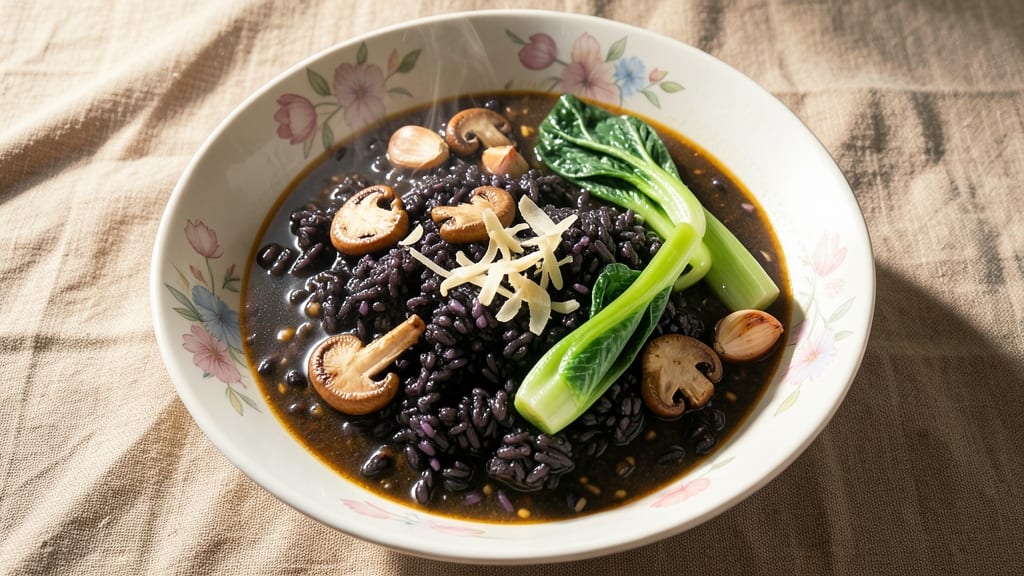
This black rice soup recipe delivers a velvety, umami-rich broth infused with the deep earthiness of forbidden rice. The key lies in soaking the rice overnight to soften its chewy texture, then simmering it with aromatic vegetables and protein until the flavors meld into a comforting, restaurant-quality bowl.
Every spoonful carries layers of savory depth and subtle sweetness—perfect for chilly evenings or as a nourishing meal starter.
The beauty of this soup is its versatility—whether you use chicken broth for classic warmth, miso for umami intensity, or tofu for a vegetarian twist, the black rice transforms any base into something extraordinary.
The result is a dish that’s both visually striking with its deep purple hue and deeply satisfying in every bite, balancing hearty textures with a silky broth. Ready in under an hour, it’s a weeknight hero that feels like a celebration.
Ingredients for black rice soup
Earthy forbidden rice meets aromatic broth and umami depth in this restaurant-worthy bowl.
| Ingredient | Amount | Notes |
|---|---|---|
| Black Rice (Forbidden Rice) 🌾 | 1 cup | Uncooked, soaked overnight |
| Chicken Broth 💧 | 4 cups | Low-sodium preferred |
| Shiitake Mushrooms 🍄 | 8 oz | Fresh, stems removed |
| Baby Bok Choy 🥬 | 4 whole | Trimmed, halved lengthwise |
| Garlic Cloves 🧄 | 4 cloves | Minced, aromatic |
| Fresh Ginger 🌿 | 1 tbsp | Grated, zesty |
| White Miso Paste 🍶 | 2 tbsp | High-quality, fermented |
| Sesame Oil 🫒 | 1 tbsp | Toasted, aromatic |
| Green Onions 🧅 | 3 whole | Sliced, garnish |
| Tofu (Firm) 🧀 | 8 oz | Cubed, pressed |
| Olive Oil 🫒 | 1 tbsp | Extra-virgin, for sautéing |
| Diamond Crystal Kosher Salt 🧂 | ½ tsp | Adjust to taste |
| White Pepper 🌶️ | ¼ tsp | Freshly ground |
| Fresh Cilantro 🌿 | ¼ cup | Chopped, garnish |
Black rice is the soul of this dish—look for high-quality forbidden rice at specialty stores like Whole Foods or Asian markets. The deep purple hue comes from anthocyanins, which also boost antioxidant benefits. Soaking overnight is non-negotiable; it transforms the rice’s chewy texture into a silky, velvety bite. For shiitake mushrooms, fresh is ideal but dried works in a pinch—just rehydrate first. The miso paste should be white or red, not instant—authentic fermented umami is key here. Tofu? Firm or extra-firm holds up best during simmering, so press it for 15 minutes before cubing.
No chicken broth? Vegetable broth or kombu-infused water delivers similar depth. Substituting miso? Soy sauce or mushroom powder at half the amount mimics the savory notes. Fresh ginger is non-negotiable for brightness, but if you’re out, ginger powder at one-third the amount works. The sesame oil adds aroma—toasted, not flavored—so don’t skip it. For a vegetarian twist, swap tofu for tempeh or edamame. Baby bok choy can be replaced with spinach or napa cabbage, but the texture will differ slightly. Green onions and cilantro are purely for garnish, but if you’re missing one, use scallions or Thai basil instead.
This soup tastes even better the next day as flavors meld. Store in an airtight container for 4-5 days in the fridge or freeze for 3 months. Reheat gently on the stove with a splash of water to restore silkiness. For meal prep, portion into soup bowls or mason jars—the rice holds its shape beautifully. Garnish with extra sesame seeds or chili oil for a restaurant-quality finish. The broth reduces slightly upon reheating, so add a splash of water if it thickens too much.
Why You'll Love This Recipe
- No-Fuss Simmer: The broth barely needs stirring—just toss in the pre-soaked black rice, shiitake slices, and garlic, then let it bubble. Honestly, I’ve made this while scrolling through my phone; the rice absorbs the flavor without babying it.
- Umami Bomb: That first spoonful of shiitake-infused broth? It’s the kind of deep, earthy taste that makes you pause mid-sip. The bok choy wilts into crisp-tender perfection, and the black rice? It’s like a chewy, nutty hug in a bowl.
- Weeknight to Potluck: Same recipe, different vibes—serve it steaming in mugs for a cozy night in or ladle it into a big bowl for guests. Between us, I’ve taken this to book club twice, and no one’s ever asked for seconds quietly.
- Leftovers That Don’t Suck: The flavor actually improves the next day—better than takeout, I swear. Reheat with a splash of water, and it’s just as good, if not more, than the first round. (Yes, even on a Tuesday night.)
Step-by-step instructions for black rice soup with earthy depth
This method transforms simple ingredients into a profoundly flavorful soup where umami-rich broth meets nutty black rice.
Sauté Aromatics for Foundation Flavor
Heat the 1 tablespoon olive oil in a large pot over medium heat until shimmering. Add the 4 cloves minced garlic and 1 tablespoon grated ginger, cooking for 1-2 minutes until fragrant but not browned. This step builds the aromatic base that carries through the entire soup.
Add the 8 ounces shiitake mushrooms, sliced, and cook for 5-6 minutes until they release their moisture and develop golden edges. The mushrooms should soften slightly but retain texture—overcooking turns them mushy. Remove them from the pot and set aside temporarily.
Develop the Umami Broth
In the same pot, add 2 tablespoons white miso paste and stir vigorously for 30 seconds to dissolve completely. Pour in the 4 cups chicken broth and bring to a gentle simmer. Return the mushrooms to the pot and add the 1 cup soaked black rice. Simmer uncovered for 20 minutes, stirring occasionally to prevent sticking.
The black rice should absorb the broth gradually, developing a deep purple hue. I like to press down gently on the rice with a spoon during the first 10 minutes—this prevents it from clumping and ensures even cooking. The broth should reduce slightly but remain generous enough to coat the rice.
Incorporate Tofu and Vegetables
Add the 8 ounces cubed, pressed tofu and 4 halved baby bok choy to the pot. Stir gently to distribute the tofu evenly. Simmer for an additional 10-12 minutes until the rice is tender and the bok choy wilts slightly. The tofu should be heated through but not dry—it should absorb the broth's richness.
Season with 0.5 teaspoon Diamond Crystal kosher salt and 0.25 teaspoon white pepper, adjusting to taste. The miso already contributes significant saltiness, so taste before adding more. The soup should balance earthy, savory, and slightly sweet notes from the black rice.
Finish with Sesame Oil and Garnishes
Remove the pot from heat and stir in 1 tablespoon sesame oil—this adds a nutty aroma and subtle heat. The oil should emulsify into the broth, creating a glossy finish. Ladle the soup into bowls, reserving some broth for garnishing if needed.
Top each serving with 0.25 cup chopped fresh cilantro and 3 sliced green onions. The cilantro brightens the dish with freshness, while the green onions add a crisp contrast. Serve immediately while the broth is steaming and the rice maintains its perfect texture.
Rest and Serve for Optimal Texture
Let the soup rest for 5 minutes before serving. This allows the flavors to meld and the rice to finish absorbing any remaining broth. The final soup should be thick enough to coat a spoon but still liquid enough to sip easily—this balance is key to the perfect mouthfeel.
Each bowl should deliver a harmonious blend of textures: tender black rice, silky tofu, al dente bok choy, and umami-rich broth. The earthy fragrance of the black rice pairs beautifully with the miso's depth, creating a soup that's both comforting and sophisticated.
Pro Tips For Making Black Rice Soup
- SOAK THE RICE FIRST: Black rice needs a good 30-minute soak—yes, even if the package says "quick-cooking." I learned this the hard way when my soup turned into a gluey mess because the grains absorbed too much liquid at once. Rinse it first, then soak in warm water to soften the tough outer layer and keep those grains distinct.
- SAUTÉ MUSHROOMS LOW AND SLOW: Shiitake mushrooms release their umami when cooked gently. After slicing them, cook on medium-low heat for 5-6 minutes until they’re just tender—not crispy, not mushy. High heat turns them bitter, and that’s a flavor train wreck in a soup that should be rich and earthy.
- CHOP GARLIC SLIGHTLY LARGE: Tiny garlic minces burn before they infuse the broth. Use ¼-inch slices or a few whole cloves smashed with the side of your knife—just enough to perfume the soup without dominating it. You want aroma, not a mouthful of charred bits.
- ADD BOK CHOY LAST MINUTE: Bok choy wilts faster than you think, and overcooking turns it into sad, limp leaves. Toss the baby heads into the simmering broth for just 2-3 minutes—until the stems soften but the leaves stay bright. If you’re impatient, blanch them first, but I’ve found the soup’s residual heat finishes them perfectly when added late.
Dietary considerations for black rice soup
Gluten-Free Adaptations
This soup is naturally gluten-free as long as you use a certified gluten-free miso paste and check your broth label. I always opt for San-J Tamari or White Miso from Koda Farms—both are gluten-free and packed with authentic umami.
For extra safety, stir in 1 teaspoon cornstarch mixed with 1 tablespoon water during the final 5 minutes of simmering to thicken the broth slightly, if needed. 🌾
Vegetarian & Vegan Options
Skip the chicken broth and use a robust vegetable broth or kombu-infused water for depth. For protein, swap tofu for tempeh (marinated in 1 tbsp soy sauce and 1 tsp sesame oil) or edamame for a lighter texture.
I also add ½ cup sliced king oyster mushrooms to mimic meaty consistency. The miso and shiitakes provide all the umami you need!
Low-Sodium Considerations
Store-bought broths can be salty, so opt for low-sodium chicken broth or homemade versions. Reduce the miso to 1 tbsp and omit added salt until tasting—this soup already has rich flavor from the black rice and mushrooms.
If you need extra sodium, a pinch of kelp flakes adds mineral depth without overpowering. Always taste before serving!
High-Protein Boost
For extra protein, add ½ cup cooked lentils (simmered until tender) or 4 oz shredded chicken (poached in broth). I also like crispy fried tofu bits on top for texture contrast.
The black rice and tofu already provide 15g protein per serving, so these additions make it a hearty meal. Garnish with sesame seeds for crunch and extra nutrition. 💪
Antioxidant Enhancements
Black rice is already packed with anthocyanins, but you can boost nutrition further by adding ½ cup chopped spinach (wilted into the soup) or 1 tbsp chia seeds (sprinkled on top).
For extra antioxidants, stir in 1 tsp turmeric during the final 5 minutes of cooking. The result? A vibrant, nutrient-dense bowl that tastes as good as it looks. 🌱
Nutrition facts
Frequently asked questions
Why does black rice need to be soaked overnight?
Soaking black rice for at least 8 hours (or overnight) is essential because it's much harder than white rice. This process softens the grains and prevents them from becoming mushy or clumping during cooking. The result is a perfectly tender, velvety texture that absorbs the broth beautifully. Skipping this step can lead to a gritty, uneven bite in your soup.
Can I use brown rice instead of black rice?
While you can substitute brown rice, the flavor and texture will differ significantly. Black rice has a distinct nutty, earthy taste and deep purple hue that brown rice lacks. For a similar earthy profile, try wild rice or a mix of black and brown rice. The soup will still be delicious, but the visual impact and unique flavor will be lost.
How can I make this soup spicier?
Add heat by stirring in ½ teaspoon red pepper flakes with the miso paste or drizzle with 1 teaspoon chili oil at the end. For a smoky kick, include 1 teaspoon smoked paprika when sautéing the garlic. Garnish with sliced jalapeños or a dash of Sriracha for extra spice. Adjust to taste—black rice soup can handle bold flavors!
What if my soup turns out too thick?
If the broth reduces too much, simply add ½ cup hot water or broth and stir gently. For a silkier texture, mash a few black rice grains with a spoon to release starch. If the rice is undercooked, simmer uncovered for another 5-10 minutes while stirring occasionally. The ideal consistency should coat a spoon lightly but remain ladle-friendly.
Can I prepare this soup ahead of time?
This soup actually tastes better the next day as flavors deepen! Store in an airtight container in the fridge for up to 4 days or freeze for 3 months. Reheat gently on the stove with a splash of water to restore silkiness. The black rice holds its texture well when reheated, making it perfect for meal prep. Just add fresh garnishes before serving.