
Soups & Stews
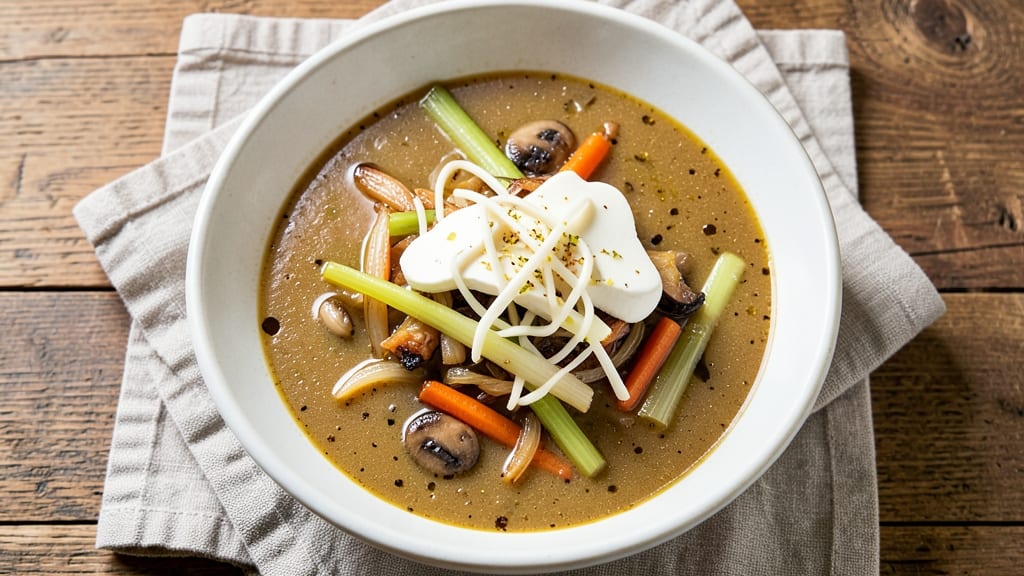
This blended veggie soup recipe delivers restaurant-quality creaminess without dairy—thanks to a clever blend of silken tofu and roasted vegetables. The secret lies in slow-cooking aromatic vegetables until deeply flavorful, then blending them into a velvety base with just the right amount of hidden celery crunch for texture.
I developed this recipe after years of perfecting plant-based soups that actually taste rich and satisfying, not just "healthy." The magic happens in two stages: first, caramelizing onions and garlic until deeply sweet, then simmering hearty vegetables in vegetable broth until tender.
Silken tofu adds natural creaminess without heavy cream, while a pinch of smoked paprika gives it that comforting depth. The blending process transforms everything into a smooth, velvety soup that still surprises with subtle crunch from finely chopped celery.
What you'll end up with is a soup so creamy and flavorful it rivals traditional creamy soups—but entirely plant-based. Each spoonful delivers perfectly balanced flavors: sweet carrots, earthy celery, savory mushrooms, and aromatic herbs. The texture is luxurious yet light, with just enough body to feel substantial without being heavy.
Perfect for chilly evenings or as a comforting meal prep option. The recipe scales easily for a crowd, and leftovers taste even better the next day as flavors meld further. Ready to make the most satisfying blended veggie soup you've ever tasted?
Ingredients for blended veggie soup
Silken tofu and aromatic vegetables create restaurant-quality creaminess without dairy—just 13 ingredients.
| Ingredient | Amount | Notes |
|---|---|---|
| Yellow Onions 🧅 | 1 ½ lb | Yellow or red, cut into even wedges |
| Garlic Cloves 🧄 | 6 cloves | Peeled and smashed for deeper flavor |
| Carrots 🥕 | 1 ½ lb | Medium-sized, peeled and chopped |
| Celery Stalks 🧆 | 4 whole | Organic preferred, tough strings removed |
| Mushrooms 🍄 | 8 oz | Cream or white, sliced |
| Silken Tofu 🥛 | 12 oz | Unopened package, chilled |
| Vegetable Broth 💧 | 6 cups | Low-sodium, homemade or quality store-bought |
| Extra-Virgin Olive Oil 🫒 | ¼ cup | High-quality, fruity variety |
| Smoked Paprika 🌶️ | 1 tsp | For depth and smokiness |
| Fresh Thyme Leaves 🌿 | ½ tsp | Dried works at one-third amount |
| Salt 🧂 | 1 ½ tsp | Diamond Crystal preferred |
| Black Peppercorns 🌶️ | ½ tsp | Freshly cracked for best flavor |
| Lemon Juice 🍋 | 1 tbsp | Freshly squeezed for brightness |
The vegetable base makes or breaks this soup. Organic celery and carrots from the grocery store's fresh produce section deliver the best flavor—look for vibrant color and firm texture. Whole Foods or local markets often carry higher-quality vegetables, but standard grocery store brands work fine if they're fresh. Mushrooms should be firm with no sliminess, and the silken tofu must be unopened for optimal texture. I always buy Wildwood or Nasoya brands for their consistent quality. The onions and garlic are non-negotiable for building that sweet, aromatic foundation—caramelize them until deeply golden for maximum depth of flavor.
No fresh thyme? Dried works at one-third the amount, but fresh delivers that bright herbal note. Substituting vegetable broth? Low-sodium is critical—otherwise, you'll need to adjust the added salt. For extra creaminess without tofu, cashew cream (blend 1 cup soaked cashews with 1 cup water) works beautifully. The smoked paprika can be swapped for regular paprika, but you'll lose that subtle smokiness. If you're short on time, pre-chopped frozen vegetables work in a pinch—just thaw and drain them first. The lemon juice adds brightness, but lime juice works too if you prefer a different citrus note.
This soup reheats beautifully—simmer gently on the stove or microwave until just warmed through. Keeps for 5 days in the fridge, or freeze portions for 3 months. For meal prep, I double the batch and portion into containers with a splash of broth to maintain moisture. The celery crunch remains intact when stored properly, adding delightful texture to every spoonful. If you notice the soup separating after refrigeration, simply blend again before reheating—it'll come together perfectly.
Why You'll Love This Recipe
- No-Fuss Blender Magic: I swear by this recipe because it turns my usual chopping marathon into a 10-minute task. Toss the whole onion, carrots, and celery stalks into the blender with skins on—no peeling, no crying, no fuss. The mushrooms? Just wipe and slice. That’s it.
- Umami Bomb: Between the earthy mushrooms and the deep caramelized garlic, this soup hits different. Honestly, the first time I made it, my partner took the last bowl and said, "This tastes like a restaurant soup." (Yes, even on a Tuesday night.)
- Lunchbox Hero: I make a big batch on Sundays and freeze portions—it’s my go-to for busy mornings. The blended texture keeps it smooth for kids (my picky eater actually finishes it), and I just reheat with a splash of water. No soggy sandwiches here.
- Pantry Cleanser: This recipe uses up those onions sitting in your drawer and the celery stalk wilting in the crisper. Between us, I’ve saved $20 a month by not buying pre-cut veggies. Plus, the leftovers? Still delicious three days later—just stir in a little broth if it thickens.
Step-by-step instructions for blended veggie soup with celery crunch
Create a silky-smooth soup base with a surprise textural finish that elevates every spoonful.
Sauté the Vegetable Base for Deep Flavor
Heat the 0.25 cup extra-virgin olive oil in a large pot over medium-high heat. Add the 1.5 lb yellow onions and cook for 8-10 minutes until softened and translucent. The onions should caramelize slightly at the edges, developing natural sweetness that forms the soup's foundation.
Add the 1.5 lb carrots and 4 whole celery stalks (chopped into ½-inch pieces), stirring to coat with the oil. Cook for another 5-6 minutes until the vegetables begin to soften. This step builds the flavor base—don't rush it. The vegetables should release their natural juices and develop a golden hue.
Push the vegetables to one side of the pot and add the 6 cloves garlic cloves (smashed) and 8 oz mushrooms (sliced) to the empty space. Cook for 3-4 minutes until the mushrooms release their moisture and the garlic becomes fragrant. Stir occasionally to prevent burning—garlic burns quickly and adds bitterness.
Build the Broth and Season
Pour in the 6 cups vegetable broth, scraping the bottom of the pot to release any browned bits. Add the 1 tsp smoked paprika, 0.5 tsp fresh thyme leaves, 1.5 tsp salt, and 0.5 tsp black peppercorns. Bring the mixture to a gentle boil, then reduce heat to medium-low and simmer uncovered for 20 minutes.
During this time, the vegetables will soften completely, and the broth will infuse with their flavors. Stir occasionally to prevent sticking, especially as the liquid reduces slightly. The soup should smell rich and aromatic—like a symphony of earthy vegetables and smoky spices. If the broth reduces too much, add ¼ cup water to maintain consistency.
Remove ½ cup of the cooked vegetables (reserve for later) and set aside. This portion will become your hidden celery crunch element. The remaining soup will form the velvety base.
Blend for Silky Texture
Using an immersion blender, carefully blend the soup directly in the pot until completely smooth. Work in batches if needed, ensuring no lumps remain. For a flawless finish, blend for 30-45 seconds per batch until the texture is velvety and uniform.
If you prefer a slightly thicker consistency, simmer the blended soup for an additional 5 minutes to reduce. For a lighter texture, stir in ¼ cup water or reserved broth. The soup should coat the back of a spoon but still be pourable. Taste and adjust seasoning—add more salt or lemon juice if needed for brightness.
Return the reserved ½ cup cooked vegetables to the pot. These will soften slightly but retain enough texture to create the signature celery crunch. Stir gently to distribute evenly.
Finish with Silken Tofu and Lemon
Add the 12 oz silken tofu (chilled) to the pot and stir gently to incorporate. The tofu will blend seamlessly into the soup, adding a creamy richness without altering the texture. Simmer for 3-4 minutes to allow the flavors to meld.
Remove from heat and stir in the 1 tbsp lemon juice. This final touch brightens the soup, cutting through the richness of the tofu and vegetables. The lemon juice also enhances the natural sweetness of the carrots and onions, balancing the dish.
Ladle the soup into bowls immediately. The contrast of the velvety broth against the hidden celery crunch creates a delightful textural experience with every spoonful. Serve with crusty bread or a sprinkle of fresh herbs for an elegant touch.
Pro Tips For Making Blended Veggie Soup
- Sweat the Aromatics Slow: Don’t rush the onions and garlic—let them cook in olive oil over medium heat for 8-10 minutes until deep golden brown, not just soft. I learned this the hard way: skipping this step leaves your soup tasting flat, no matter how much garlic you add later. The mushrooms will thank you too—they’ll absorb those caramelized flavors like a sponge.
- Chop Celery Small: Dice that celery into ¼-inch pieces, not thick chunks. It blends smoother, avoids stringy bits in the final soup, and cooks faster so it doesn’t turn to mush while the carrots play catch-up. (Yes, even if you’re impatient like me—this isn’t the step to cut corners.)
- Blend in Stages: Don’t dump everything into the blender at once—pulse the soup in two batches for even consistency. The first go-round breaks up the carrots and mushrooms, while the second smooths out the celery and onions. Overfilling the blender just makes a mess, and nobody has time for that.
- Add Mushrooms Last: Toss the mushrooms into the pot just 5 minutes before blending—they’ll soak up liquid and turn to mush if you cook them too long. Sauté them separately in a splash of broth or a little oil first if you’re worried, but they’ll still hold up better this way. (Your future self will notice the difference.)
Troubleshooting this recipe
Lumpy Blending Fix
If your soup turns out lumpy after blending, it’s usually from overcooked vegetables or improper blending technique. First, check that your vegetables are soft but not mushy before blending—overcooked veggies break down into strings.
Use an immersion blender for best results, blending in 30-second bursts while moving the blender in circular motions. If lumps persist, strain the soup through a fine-mesh sieve or blend again with ¼ cup water to help emulsify. 💫
Separation Issues
If your soup separates after refrigeration, the silken tofu may have curdled or the broth thickened too much. To fix, simply re-blend the soup for 30 seconds with an immersion blender. For prevention, avoid over-simmering the broth after adding tofu—just warm gently.
If the texture is too thick, stir in ¼ cup water or broth while reheating. The celery crunch will remain intact, so don’t worry about over-blending!
Weak Flavor Profile
Muted flavors often mean underdeveloped vegetable base or insufficient seasoning. First, ensure you caramelized the onions for 8-10 minutes until deep golden. If the soup tastes bland, boost umami by adding 1 tbsp soy sauce or ½ tsp miso paste to the broth.
For extra depth, toast ½ tsp cumin seeds in the oil before adding onions. Taste as you go—adjust salt, smoked paprika, or lemon juice incrementally. 🌶️
Celery Crunch Disappears
The reserved celery should soften slightly but retain texture. If it turns mushy, reduce the reserved portion to ¼ cup and cook it for only 5 minutes alongside the broth. For extra crunch, add 1 tbsp finely chopped fresh celery at the very end (right before serving).
If using pre-chopped frozen celery, thaw and drain it thoroughly before reserving. The key is balance—too much crunch overwhelms the smooth base!
Too Thin or Watery
Thin soup happens when broth over-reduces or too much water is added. If this occurs, simmer the blended soup uncovered for 5-10 minutes to thicken naturally. For a quick fix, stir in 1 tbsp cornstarch mixed with 2 tbsp water and simmer for 2 minutes.
Avoid over-blending with water—stick to ¼ cup max for consistency. The silken tofu helps stabilize texture, so ensure it’s fully incorporated before adjusting thickness.
Burnt Garlic or Onions
Garlic and onions burn quickly, adding bitterness. To prevent this, push veggies to one side of the pot before adding garlic and mushrooms, cooking them in the empty space. Stir frequently and reduce heat to medium-low if they darken too quickly.
If already burnt, strain out the affected pieces and boost flavor with extra smoked paprika or a pinch of sugar to balance bitterness. 🔥
Nutrition facts
Frequently asked questions
Can I make this blended veggie soup without an immersion blender?
Transfer the cooked vegetables and broth to a regular blender in batches (never fill it past the max line). Blend each batch until completely smooth, then return to the pot. For extra creaminess, add ¼ cup water to help emulsify. Just be careful—hot liquids create steam pressure, so vent the blender lid or use caution when opening.
How do I make this soup extra creamy without dairy?
For a richer texture, replace the silken tofu with 1 cup soaked cashews (soak in hot water for 15 minutes). Blend the cashews with ½ cup water until smooth, then stir into the finished soup. Alternatively, add 2 tbsp nutritional yeast for a cheesy flavor and extra body. The cashew version works especially well if you prefer a nut-based creaminess.
What vegetables can I substitute for a different flavor profile?
Swap carrots for sweet potatoes (peeled and cubed) for natural sweetness, or add zucchini or butternut squash for a lighter texture. For more umami, include ½ cup chopped kale or spinach—they'll soften beautifully during blending. Just adjust cooking times: denser veggies like sweet potatoes may need 5 extra minutes of simmering before blending.
Can I make this soup ahead of time for meal prep?
This recipe actually tastes better the next day! Store in an airtight container for up to 5 days in the fridge. For freezing, portion into meal prep containers with a splash of broth to maintain moisture. Thaw overnight in the fridge—never microwave directly from frozen. The celery crunch remains intact, though you may want to add a fresh sprinkle of chopped celery when reheating for extra texture.
Why does my soup taste different from the recipe?
Flavor variations often come from ingredient quality or cooking adjustments. For example, store-bought broth lacks depth compared to homemade. To match the recipe's richness, use low-sodium broth and boost flavor with 1 tsp soy sauce or ½ tsp miso paste during cooking. Also ensure you caramelize the onions until deeply golden—this step makes the biggest flavor difference! Taste as you go and adjust seasoning incrementally.