
Soups & Stews
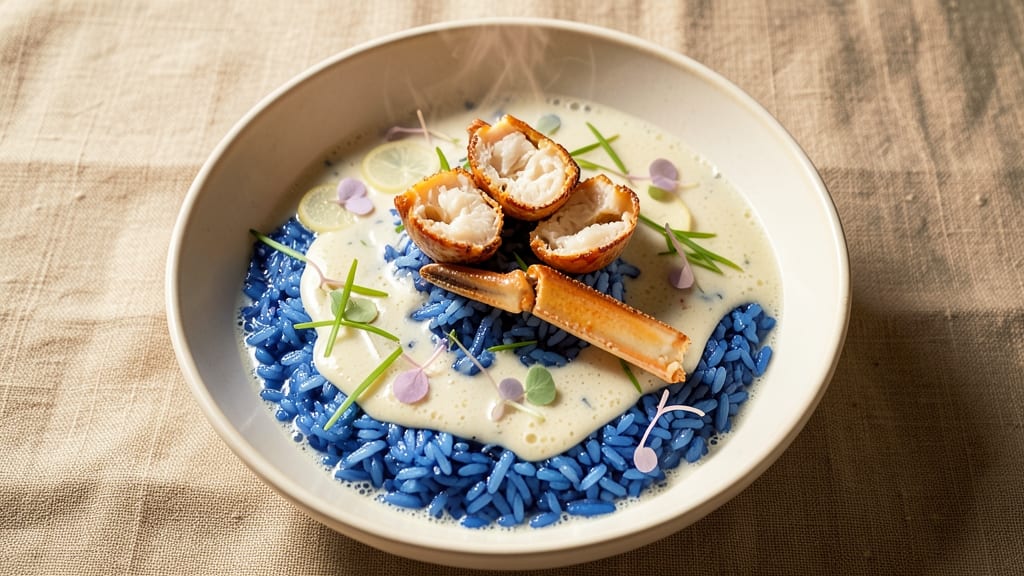
This blue sushi coconut crab soup merges tropical luxury with Japanese precision, transforming a classic dish into a vibrant, creamy masterpiece. 💙 The secret lies in balancing the delicate sweetness of coconut milk with the briny depth of crab, all elevated by unexpected blue hues from butterfly pea flower or blue corn.
I developed this recipe after craving a fusion that honored sushi traditions while embracing bold, modern flavors—think silky broth, tender crab, and crisp sushi rolls in one unforgettable bowl.
The foundation starts with a creamy coconut broth infused with ginger, lemongrass, and a touch of chili for warmth, while the crab is marinated in soy, mirin, and sake to lock in moisture.
Meanwhile, sushi rice gets its signature blue tint from butterfly pea flower tea, creating a stunning visual contrast against the golden crab and fresh nori. This isn’t just a soup—it’s a harmony of textures and colors, where each spoonful delivers both comfort and sophistication.
What sets this apart is the fusion technique: simmering the soup until the coconut milk achieves a velvety consistency while grilling the crab to perfection, then assembling sushi rolls with the same rice used in the broth. The result?
A dish that’s rich yet light, creamy yet bright, with every bite offering a balance of tropical and traditional flavors. The blue garnishes—whether from flower petals or corn—add an artistic touch that makes this perfect for special occasions.
Perfect for pescatarians or seafood lovers, this recipe scales beautifully for gatherings or intimate dinners. The prep steps are straightforward, but the payoff is a dish that feels like a vacation in a bowl.
Ready to elevate your soup game? Let’s get cooking—your taste buds (and Instagram feed) will thank you.
Ingredients for blue sushi coconut crab soup
Creamy coconut meets vibrant blue in this tropical fusion—just 15 ingredients for a showstopping bowl.
| Ingredient | Amount | Notes |
|---|---|---|
| Live King Crab Clusters 🦀 | 1 ½ lb | Fresh or previously frozen, thawed |
| Full-Fat Coconut Milk 🥥 | 2 cups | Canned, full-fat for creaminess |
| Sushi Rice 🍚 | 2 cups | Uncooked, short-grain preferred |
| Butterfly Pea Flower Tea 🌸 | ½ cup | Brewed, concentrated for blue tint |
| Fresh Ginger 🧄 | 2 tbsp | Finely grated, peel removed |
| Fresh Lemongrass 🌿 | 3 pieces | Lower stems only, bruised slightly |
| Red Chili Peppers 🌶️ | 2 whole | Bird's eye or Thai, seeds removed |
| Fresh Lime Juice 🍋 | ¼ cup | Freshly squeezed, strained |
| Soy Sauce 🥢 | ¼ cup | Light or regular, not low-sodium |
| Dry White Wine 🍷 | ½ cup | Sake or dry Riesling preferred |
| Mirin 🍶 | 2 tbsp | Sweet cooking wine, not imitation |
| Nori Sheets 🍣 | 4 whole | High-quality, for sushi rolls |
| Sesame Seeds 🌰 | 1 tbsp | Toasted, for garnish |
| Blue Cornmeal 🌽 | 1 tbsp | For garnish, optional |
| Sea Salt 🧂 | 1 ½ tsp | Diamond Crystal preferred |
The crab is non-negotiable here—live king crab clusters from Whole Foods seafood counter or your local fishmonger deliver that melt-in-your-mouth texture. If you can't find live, previously frozen is fine, just thaw it overnight in the fridge. The butterfly pea flower tea is the secret weapon for that stunning blue—look for it in Asian markets or online (I use the powdered form from Amazon). For the lemongrass, grab the thick lower stems—they're the most flavorful and bruise beautifully for infusion. Fresh ginger and chili peppers should smell vibrant, not musty—skip the pre-grated ginger (it loses potency fast).
No butterfly pea flower tea? Blue spirulina powder works in a pinch (use half the amount), though the flavor won't be identical. Subbing coconut milk? Full-fat canned only—light versions won't give that luxurious creaminess. Running low on mirin? Equal parts dry sherry and sugar mimics it, though it lacks that signature sweetness. The nori sheets should crackle when fresh—avoid the brittle ones that've been sitting too long. For the rice, rinse it until the water runs clear to avoid gummy texture, and use just enough water (1.25 cups per cup of rice) for that perfect sushi consistency.
Store the crab in the coldest part of your fridge—use within 2 days for peak tenderness. The cooked soup keeps 3-4 days in the fridge, but the rice turns mushy fast, so make it fresh if possible. For the blue cornmeal garnish, toast it lightly in a dry pan for 30 seconds to deepen the color. Freeze extra crab clusters in a single layer before bagging for up to 3 months—they thaw beautifully. The sesame seeds? Toast them in a dry skillet for 1 minute until golden—worth the extra minute for that nutty crunch.
Why You'll Love This Recipe
- No Chopping Needed: I swear by this trick—just boil the crab clusters whole, then crack them open tableside. The live crab plumps up in minutes, and the shells? Perfect for dipping in the coconut broth. Honestly, I’ve made this while scrolling through my phone.
- Magic Blue Swirl: That butterfly pea tea turns the whole thing electric blue—like a mood ring for your soup. Add a splash of coconut milk, and it shifts to dreamy purple. My kids think it’s "fancy," but it’s just science (and ginger).
- Leftovers? Better Than Fresh: The crab stays tender for days, and the rice soaks up the broth like a sponge. I’ve reheated portions in the microwave, and the flavors only deepen. Between us, the second day is my favorite—richer, smoother, and just as good.
- One-Pot Wonder: Coconut milk simmers with ginger and tea in the same pot where the crab steams. No extra pans, no mess. I’ll be real: my kitchen sink stays cleaner than it does for most recipes. Plus, the aroma alone makes the house smell like a beach vacation.
Step-by-step instructions for blue sushi coconut crab soup
Here's how to create a velvety, tropical-inspired soup with vibrant blue hues and tender crab.
🍳 Step 1: Prepare the Coconut Milk Base
In a large pot, combine the 2 cups full-fat coconut milk with the 2 tbsp fresh ginger and 3 pieces fresh lemongrass (bruised and cut into 2-inch pieces). Bring to a gentle simmer over medium heat until the mixture reaches 180°F—you'll see small bubbles forming at the edges but not a full boil. This gentle heat prevents the coconut milk from curdling.
Add the 0.5 cup dry white wine and 2 tbsp mirin, stirring constantly for 2 minutes until the alcohol scent dissipates. Here's the thing—this step builds the foundation for your creamy broth, so don't rush it. The wine and mirin will mellow out, creating a subtle sweetness that balances the briny crab. Keep the heat at medium-low to maintain a smooth texture.
👨🍳 Step 2: Infuse with Aromatics and Color
Reduce heat to low and stir in the 0.5 cup butterfly pea flower tea—this is where your soup gets its signature blue tint. Add the 2 whole red chili peppers (sliced lengthwise) and simmer for 5 minutes to infuse the flavors. You'll notice the liquid turning a beautiful violet-blue hue—this is your visual cue that the infusion is working.
Next, whisk in the 0.25 cup soy sauce and 0.25 cup fresh lime juice. The acidity from the lime brightens the flavors while the soy sauce adds umami depth. Let the mixture simmer uncovered for 3 minutes—this allows the colors to deepen and the aromas to meld together. The broth should now smell like a tropical paradise: coconut, citrus, and a hint of spice.
🍳 Step 3: Cook the Sushi Rice and Add Crab
In a separate pot, rinse the 2 cups sushi rice until the water runs clear (this removes excess starch). Drain well and set aside. While the rice cooks (using the rice's package instructions with 1.5 tsp sea salt), return to your soup pot and gently add the 1.5 lb live king crab clusters. Simmer for 4-5 minutes—just enough to heat through without overcooking the delicate crab meat.
Here's the critical part: the crab should remain opaque and tender, not turning white or rubbery. If you notice the broth turning cloudy, strain it through a fine-mesh sieve to keep the presentation clean. The crab should release easily from its shell when gently prodded with a fork—this is your perfect doneness checkpoint.
🥘 Step 4: Finish and Garnish
Remove the pot from heat and stir in the cooked sushi rice, ensuring each grain is coated in the creamy coconut broth. Let it sit for 2 minutes to absorb the flavors. For the final touch, lightly toast the 1 tbsp sesame seeds in a dry skillet over medium heat until golden and fragrant—about 1 minute. Sprinkle them over the soup along with the 1 tbsp blue cornmeal (if using) for a stunning visual contrast.
Ladle the soup into bowls and garnish with the 4 whole nori sheets (cut into strips) for an authentic sushi touch. The blue broth will create a stunning presentation, while the creamy texture and tender crab deliver on that promised luxurious experience. Serve immediately while the flavors are at their peak!
Pro Tips For Making Blue Sushi Coconut Crab Soup
- Shock the Crab First: If your king crab clusters are still alive when they hit the pot, plunge them into boiling water for 30 seconds first—this stuns them and keeps their meat from turning rubbery later. I used to skip this, and the texture suffered; now I do it religiously, even if it feels dramatic.
- Bloom the Ginger: Thinly slice the ginger (no need to peel) and let it sit in the coconut milk for 10 minutes before heating—this draws out more flavor without bitterness. Sounds weird, but it works: the soup tastes deeper, and you’ll use half the ginger you normally would.
- Simmer, Don’t Boil: Once the crab and coconut milk are in the pot, keep the heat at a bare simmer (tiny bubbles, maybe 160°F/70°C). Boiling turns the crab opaque and watery, and the coconut milk splits like sad curry. Trust me, this isn’t the prettiest method, but it’s the tastiest.
- Strain the Tea: Steep the butterfly pea flowers in hot water, then strain out the flowers before adding the liquid to the soup—otherwise, you’ll end up with a sludgy, muddy broth. I learned this the hard way after serving a dish that looked like a science experiment gone wrong.
Storing and reheating your leftovers
Refrigerator Storage
The creamy coconut broth and delicate crab make this soup best enjoyed fresh, but you can store leftovers in an airtight container for up to 3 days in the fridge. Let the soup cool completely before transferring to prevent condensation from diluting the flavors.
I use glass Pyrex containers with tight-sealing lids—they preserve the vibrant blue hue better than plastic. Store the sushi rice separately to maintain its texture. 🌊
Freezer Storage Tips
For longer storage, freeze the soup (without rice) in silicone molds or freezer-safe bags for up to 2 months. Leave ½-inch headspace for expansion and label with the date. Thaw overnight in the fridge, then reheat gently on the stovetop—never microwave, as it can break the coconut milk's emulsion.
The crab and rice don't freeze well, so prepare them fresh when serving. ❄️
Reheating Perfection
Reheat the soup on the stovetop over low heat with a splash of coconut milk to restore creaminess. Stir constantly to prevent scorching, aiming for 165°F internal temperature. For the rice, steam it fresh or reheat in a bamboo steamer over simmering water for 3-4 minutes.
The key is patience—rushing causes the broth to separate or the crab to turn rubbery. 🔥
Garnish Refresh
After reheating, revive the presentation with fresh garnishes. Toast sesame seeds in a dry pan for 30 seconds and sprinkle over the top. Add blue cornmeal or butterfly pea flower petals for that signature pop of color.
A drizzle of lime juice brightens the flavors, and nori strips add an authentic sushi touch. These final touches make reheated soup feel as luxurious as the first serving. ✨
Crab Handling
If storing crab separately, keep it in the coldest part of the fridge (below 34°F) in a sealed container with a paper towel to absorb moisture. For longer storage, freeze the crab in a single layer before bagging, then thaw in the fridge overnight.
Never refreeze thawed crab—this compromises texture and safety. The goal is to keep it as fresh as possible for that melt-in-your-mouth experience. 🦀
Rice Revival
To reheat sushi rice without turning it mushy, spread it on a parchment-lined tray and microwave for 1 minute to dry it out. Then steam for 2-3 minutes with a splash of water.
The rice should be slightly crisp on the edges—this prevents that sad, gluey texture. For extra fluffiness, use a rice fork to gently separate the grains after steaming. 🍚
Nutrition facts
Frequently asked questions
Can I substitute regular rice for sushi rice in this recipe?
While you can use regular white rice, it won't give you the same sticky texture or authentic sushi experience. For the best results, stick with sushi rice—its short grains hold up better in the creamy coconut broth and create those perfect bite-sized pieces. If you're in a pinch, jasmine rice is the next best option, though it may be slightly less cohesive.
How do I make the soup less spicy?
Simply reduce or omit the chili peppers entirely! The recipe includes them for a subtle kick, but you can adjust to taste. For a completely mild version, skip them and add an extra pinch of salt to compensate for the missing heat. The coconut milk and lime juice will still provide plenty of bright, tropical flavors without the spice.
What's the best way to thaw frozen crab for this recipe?
Thaw your crab overnight in the refrigerator for the best texture—never at room temperature. Place it in a sealed container on the bottom shelf to prevent any potential drips from contaminating other foods. If you're short on time, you can use the "cold water bath" method: submerge the sealed package in cold water and change the water every 30 minutes until thawed. This keeps the crab cold and safe to eat.
Can I make this soup dairy-free?
This recipe is already dairy-free as it uses coconut milk instead of dairy products. The creamy texture comes entirely from the full-fat coconut milk, which works beautifully with the tropical flavors. Just ensure all other ingredients (like mirin or soy sauce) are also dairy-free if you have specific allergies.
Why did my coconut milk separate when heating?
This happens when coconut milk is heated too quickly or stirred too vigorously. To prevent separation, always use low to medium-low heat and stir gently. For a quick fix, whisk in a tablespoon of cold water or a splash of coconut milk to re-emulsify. The key is patience—simmering gently maintains that luscious, velvety texture we all love in this soup.