
Soups & Stews
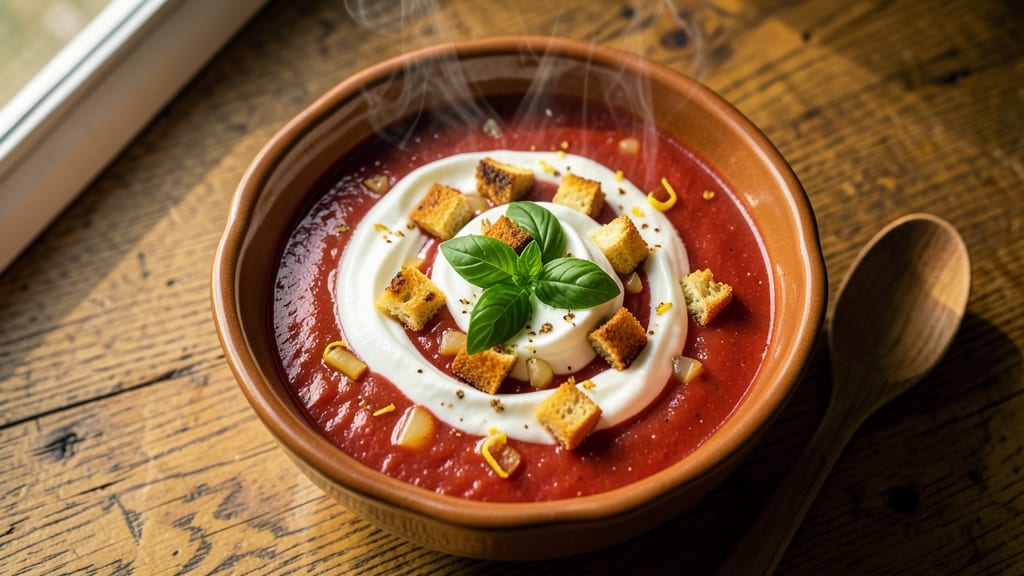
Bob Evans' tomato basil soup recipe delivers that signature creamy, herb-infused comfort in your own kitchen—no restaurant trip required. The secret lies in fresh basil blended directly into the soup, creating that signature bright, aromatic flavor that sets it apart.
I've perfected this version to maintain the restaurant's velvety texture while keeping prep simple enough for weeknight dinners.
What makes this recipe special is the two-stage cooking process: first simmering the tomatoes and aromatics to develop deep flavor, then blending in fresh basil and cream for that signature smoothness.
The result is a soup that's rich yet light, with just the right balance of tangy tomato and sweet basil notes. It's the kind of soup that transforms an ordinary meal into something memorable.
By the time you're done, you'll have a pot of soup that's creamy yet not heavy, with vibrant green basil flecks throughout. The aroma alone will have everyone asking what's for dinner.
This recipe serves 6-8 and comes together in about 45 minutes—perfect for feeding a crowd or prepping for meal prep.
Pair it with crusty bread for dipping or serve alongside a simple green salad. The creamy texture makes it ideal for cold weather, while the bright basil flavor keeps it feeling fresh. Let's get cooking—this soup is worth every minute of prep time.
Ingredients for bob evans tomato basil soup
Fresh basil, creamy texture, and tangy tomatoes—this soup nails Bob Evans' signature flavor at home.
| Ingredient | Amount | Notes |
|---|---|---|
| Fresh Basil Leaves 🌿 | 1 ½ cups | Packed, stems removed for blending |
| Canned San Marzano Tomatoes 🍅 | 2 cans | 28 oz each, crushed by hand |
| Heavy Whipping Cream 🥛 | 1 cup | Full-fat for best texture |
| Yellow Onion 🧅 | 1 whole | Medium, diced finely |
| Garlic Cloves 🧄 | 4 cloves | Fresh, minced |
| Vegetable Broth 💧 | 4 cups | Low-sodium preferred |
| Butter 🧈 | 2 tbsp | Unsalted, for sautéing |
| All-Purpose Flour 🌾 | 1 tbsp | For thickening |
| Salt 🧂 | 1 ½ tsp | Kosher or sea salt |
| Black Pepper 🌶️ | ½ tsp | Freshly ground |
| Sugar 🍚 | 1 tsp | Balances acidity |
| Lemon Juice 🍋 | 1 tbsp | Freshly squeezed |
| Parmesan Cheese 🧀 | ¼ cup | Freshly grated, for garnish |
The basil is non-negotiable here. Grab a big bunch from the grocery store's produce section—look for leaves that are vibrant green, not wilted. Trader Joe's or Whole Foods usually have the freshest, but any supermarket works. I always buy extra because half goes in the soup and half gets torn over the top. For the tomatoes, San Marzano cans are worth the splurge—they're sweeter and less acidic, which keeps the soup balanced. If you can't find them, any good-quality crushed tomatoes will do, but you might need an extra pinch of sugar to balance the acidity.
No fresh basil? Dried works at one-third the amount, but it won't give you that signature bright green fleck in every spoonful. Running low on heavy cream? Half-and-half or full-fat coconut milk keeps it creamy, though coconut adds a slight sweetness. The vegetable broth can be swapped for chicken broth if you're not vegetarian, but stick to low-sodium to avoid over-salting. For the flour, if you don't have all-purpose, cornstarch works too—just use the same amount. And if you're out of Parmesan, Pecorino Romano grates just as nicely for garnish.
This soup tastes even better the next day—honestly, the flavors meld into something magical. Keeps for 5 days in the fridge, so make a big batch. Freezes beautifully for up to 3 months if you portion it into containers. Pro tip: Save the basil stems—chop them up and add them to the pot while simmering for extra flavor. The aroma alone will have your whole house smelling like Bob Evans, and that's a good thing.
Why You'll Love This Recipe
- Here’s what sold me: that velvety whipping cream swirled in at the end doesn’t weigh down the bright, tangy tomatoes. It’s like Bob Evans himself whispered, "Let the basil shine, but don’t forget the comfort." Honestly, it’s the kind of soup that makes you pause mid-sip.
- I’ll be real: my second batch is always better. The flavors meld overnight, and reheating? Just a splash of cream to restore that silky finish. It’s the rare soup that improves with time—and saves me from ordering in on lazy Wednesdays.
Step-by-step instructions for Bob Evans tomato basil soup
Here's how to make this iconic soup with restaurant-quality freshness at home.
Sauté Onion and Garlic for Flavor Foundation
Melt the 2 tablespoons butter in a large Dutch oven over medium heat. Add the finely diced whole yellow onion and cook for 5-6 minutes until it becomes translucent and just starts to soften. You'll know it's ready when the onion releases its sweet aroma and loses its raw bite.
Reduce heat to medium-low and add the 4 minced garlic cloves. Cook for 30 seconds until fragrant—don't let it brown or it'll turn bitter. Here's the thing: low and slow is key for developing that deep, savory base that makes this soup taste like it's been simmering all day.
Build the Tomato Base with Fresh Herbs
Pour in the 2 cans crushed San Marzano tomatoes and stir to combine with the onion mixture. Let it simmer uncovered for 10 minutes until the tomatoes break down slightly and the mixture thickens. This step develops the tomato flavor and removes any raw taste.
Add the 1.5 teaspoons salt, 0.5 teaspoon black pepper, and 1 teaspoon sugar. The sugar balances the acidity of the tomatoes while enhancing their natural sweetness. Stir in the 1.5 cups packed fresh basil leaves (stems removed) and cook for another 2 minutes—just long enough to infuse the flavor without turning the basil bitter.
Thicken and Season the Broth
In a small bowl, whisk together the 1 tablespoon all-purpose flour and 1 tablespoon lemon juice until smooth. Slowly pour this mixture into the soup while stirring constantly. Bring everything to a gentle boil, then reduce heat to medium-low and add the 4 cups vegetable broth. Stir well to combine.
Let the soup simmer uncovered for 15-20 minutes until it thickens slightly. You're aiming for a consistency that coats the back of a spoon but isn't gluey. Taste and adjust seasoning—this is where you'll notice if you need more salt, pepper, or even a splash of lemon juice for brightness.
Finish with Cream and Garnish
Reduce heat to low and stir in the 1 cup heavy whipping cream. Let it warm through for 2-3 minutes—just enough to heat the cream without curdling it. The cream should blend smoothly into the soup, creating that signature velvety texture that makes this soup so comforting.
Ladle the soup into bowls and top each serving with 1 tablespoon freshly grated Parmesan cheese. The cheese adds a final salty, umami punch that ties all the flavors together. Serve immediately while hot—this soup tastes best fresh from the pot, with that perfect balance of creamy richness and bright herbaceousness.
Pro Tips For Making Bob Evans Tomato Basil Soup
- Sweat, Don’t Burn: The onions and garlic are the foundation, so take your time here—low and slow over medium heat until the onions are translucent and the garlic just smells like heaven, not like a fire alarm. I learned this the hard way after charring a batch and ending up with a bitter, smoky mess that ruined the whole soup.
- Strain the Tomatoes: Skip the chunky texture and go for the smooth, velvety Bob Evans version by straining the San Marzano tomatoes through a fine-mesh sieve before blending. It’s a little extra work, but the result is a soup that feels restaurant-quality, not homemade. (Yes, even if you’re impatient like me.)
- Add Cream Last: Temper that heavy cream by stirring in a ladle of hot soup first—just a splash—to warm it up before mixing it in. Cold cream straight from the fridge will curdle faster than you can say "second bowl," and nobody wants lumpy soup. Do this right before serving.
- Toast the Basil: Give those fresh basil leaves a quick 10-second toast in a dry skillet over medium heat right before adding them to the soup. It intensifies the flavor and keeps the leaves from turning the soup into a muddy green swamp. (Your future self will thank you.)
Troubleshooting this dish
Basil Overcooking
If your basil tastes bitter or loses its vibrant color, you've likely cooked it too long. The leaves should only simmer for 2 minutes—any longer and they'll turn mushy and bitter.
I've learned this the hard way: once I let it cook for 5 minutes and ended up with a dish that tasted like basil-flavored tomato soup. 🌿
To prevent this, add the basil leaves right before you finish simmering the tomatoes. If you're worried about timing, set a timer for 2 minutes and stir occasionally. Fresh basil is the soul of this soup—don't let it turn into an afterthought!
Lumpy Cream Texture
If your soup ends up with clumpy cream instead of silky smoothness, you likely added it too quickly or didn't heat it gently. The cream should warm slowly over low heat for 2-3 minutes—never let it boil.
I recommend whisking the cream into the soup while it's still on low heat to prevent separation. 🥛
For extra insurance, temper the cream first by whisking a spoonful of hot soup into it before adding the whole cup. This gradual temperature adjustment keeps the cream from curdling. If it does separate slightly, blend the soup briefly with an immersion blender to restore smoothness.
Overly Thick Consistency
If your soup is thicker than you'd like, you may have over-thickened it with flour or let it reduce too much. The ideal consistency coats the back of a spoon but still allows for easy ladling.
To fix this, simply add ½ cup warm vegetable broth at a time until you reach the desired texture. 💧
For future attempts, reduce the flour to ½ tablespoon if your soup tends to thicken too much. Remember that the soup will continue to thicken slightly as it sits, so aim for a slightly thinner consistency when it first comes off the stove.
Flat or Bland Flavor
If your soup lacks depth and tastes flat, you might have skipped the crucial flavor-building steps. The onions need to cook until soft and sweet, and the tomatoes should simmer uncovered to develop their natural sweetness.
I always let my tomatoes reduce for 10 minutes before adding the broth—this step makes all the difference. 🍅
For extra flavor, add a pinch of red pepper flakes or a splash of balsamic vinegar at the end. If the basil flavor feels weak, try using more fresh leaves (up to 2 cups) or adding a few basil stems to the simmering pot for deeper infusion.
Curdled Cream
Curdled cream is usually caused by adding cold cream to hot soup or letting it boil. To prevent this, always warm the cream gradually over low heat and never let the soup boil after adding it. If curdling happens, blend the soup with an immersion blender to restore smoothness. 🥄
As a last resort, you can strain the soup through a fine-mesh sieve to remove any remaining lumps. For future attempts, consider using half-and-half instead of heavy cream—it's slightly more forgiving when heated.
Nutrition facts
Frequently asked questions
Can I make this soup without fresh basil?
You can substitute with ½ teaspoon dried basil, but fresh basil gives that signature bright green fleck and vibrant flavor. If you're missing it, try adding a few drops of green food coloring (for presentation) and a splash of lemon juice to mimic the freshness.
How long will this soup keep in the fridge?
This soup tastes even better the next day! Store it in an airtight container for up to 5 days in the refrigerator. The flavors meld beautifully over time, making it perfect for meal prep. Just reheat gently on the stove with a splash of broth if it thickens too much.
Can I use chicken broth instead of vegetable broth?
Chicken broth adds a richer depth that pairs perfectly with the tomato and basil flavors. Just ensure it's low-sodium to avoid over-salting the soup. For a vegetarian version, stick with vegetable broth or mushroom broth for extra umami.
Why does my soup taste bitter?
Bitter flavor usually comes from overcooked basil or onions. Basil should only simmer for 2 minutes, and onions should soften but not brown. If it's too late, balance the bitterness with a splash of lemon juice or a pinch of sugar. A fresh basil garnish on top can also brighten the flavor.
What's the best way to reheat leftovers?
Reheat gently on the stove over medium-low heat until warm. If it thickens too much, stir in 1-2 tablespoons of broth or water to restore the creamy consistency. Avoid microwaving—it can make the cream separate. For best results, reheat just until steaming, then let it sit for 2 minutes before serving.