
Soups & Stews
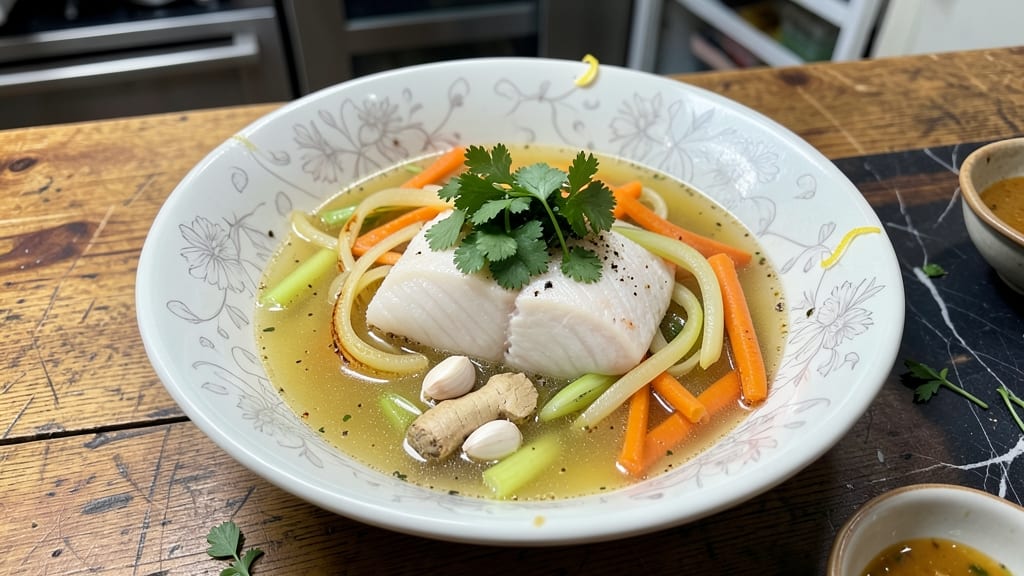
This boiled fish soup recipe delivers the perfect balance of delicate flakiness and rich, aromatic broth—ideal for a comforting yet light meal. 💛 The secret lies in selecting firm white fish like cod or haddock, which stay tender while absorbing the broth's subtle flavors.
I've perfected this version to highlight the natural sweetness of the fish without overpowering it with heavy seasonings.
What sets this soup apart is the two-stage broth preparation: first simmering aromatic vegetables and herbs to build flavor, then gently poaching the fish to preserve its texture. The result is a clear, fragrant broth that complements rather than competes with the fish's natural taste.
Perfect for weeknight dinners or special occasions, this recipe scales effortlessly for any gathering size.
By the time you serve it, you'll have flaky, melt-in-your-mouth fish swimming in a golden broth infused with garlic, ginger, and citrus notes. The subtle acidity from lemon or vinegar brightens the dish, while fresh herbs add a final touch of freshness.
This is the kind of soup that feels both elegant and approachable—ideal for anyone looking to elevate simple ingredients.
Whether you're following a traditional recipe or adapting it to your tastes, the key is patience—letting the broth develop its depth while keeping the fish tender. The method ensures restaurant-quality results at home, with minimal effort. Let's get started on creating your perfect bowl of comfort.
Ingredients for boiled fish soup
Firm white fish, aromatic vegetables, and delicate herbs create this restaurant-quality broth.
| Ingredient | Amount | Notes |
|---|---|---|
| White Fish Fillets 🐟 | 1 ½ lb | Cod or haddock preferred |
| Yellow Onion 🧅 | 1 whole | Thinly sliced for aromatic base |
| Carrots 🥕 | 3 medium | Peeled, cut into thick rounds |
| Celery Stalks 🌿 | 3 whole | Trimmed, cut into 1-inch pieces |
| Garlic Cloves 🧄 | 4 cloves | Minced for deep flavor infusion |
| Fresh Ginger 🌿 | 1 inch | Thinly sliced, peeled |
| Dried Bay Leaves 🌿 | 2 whole | For subtle aromatic depth |
| Fresh Parsley 🌿 | ¼ cup | Chopped, for fresh finish |
| Fresh Dill 🌿 | 0.15 cup | Chopped, for bright herbal note |
| Lemon Juice 🍋 | 2 tbsp | Freshly squeezed for brightness |
| White Wine Vinegar 🍷 | 1 tbsp | For subtle acidity balance |
| Sea Salt 🧂 | 1 ½ tsp | Diamond Crystal preferred |
| Black Peppercorns 🌶️ | ½ tsp | Freshly cracked for texture |
| Vegetable Oil 🫒 | 2 tbsp | For gentle sautéing |
| Fish Stock 💧 | 4 cups | Homemade or high-quality store-bought |
The fish is everything here—cod or haddock stay flaky when poached gently. Grab fresh fillets from Whole Foods or your local seafood counter for the best texture. Look for fillets with vibrant color and firm flesh that springs back when pressed. For the broth base, homemade fish stock elevates the flavor, but Knight's or Pacific Foods brands work in a pinch. The vegetables should be fresh but not overly sweet—carrots with orange hue and celery with crisp stalks make all the difference.
No white wine vinegar? Lemon juice at double the amount works perfectly. Fresh herbs can be swapped—tarragon or thyme add depth if you're feeling experimental. The fish stock can be substituted with vegetable stock plus 1 tbsp fish sauce for umami, though purists will notice the difference. For extra richness, add 1/4 cup coconut milk at the end—it blends beautifully without overpowering.
This soup tastes even better the next day as flavors meld. Store in the fridge for up to 3 days or freeze portions for 3 months. The broth thickens when chilled—just stir and reheat gently. For serving, I like to garnish with extra herbs and a drizzle of high-quality olive oil. The fish stays tender when reheated, so don't overdo it—just warm through.
Why You'll Love This Recipe
- No Fuss, No Stress: I swear by this for nights when I’ve got better things to do than slave over a stove. Toss in the fish fillets, dump in the chopped veggies—onion, carrots, celery—mince a few garlic cloves, and let the broth do the work. Thirty minutes later, dinner’s ready without the drama.
- Garlic-Kissed Magic: That first bite? The fish flakes apart with just the right resistance, while the broth sings with caramelized onion, sweet carrots, and layers of garlic heat. Honestly, I’ll take this over fancy restaurant fish any day—it’s homey, bold, and way more satisfying.
- Pantry Staples Only: Between us, I keep this recipe in rotation because it’s ridiculously budget-friendly. White fish stays affordable, the veggies are cheap, and garlic? Always on hand. No specialty ingredients, no last-minute grocery runs—just pure, reliable comfort for when you’re not in the mood to impress.
Step-by-step instructions for boiled fish soup with flaky perfection
Transform simple ingredients into a restaurant-worthy broth where delicate fish melts into velvety perfection.
🍳 Step 1: Build the Flavor Base with Aromatics
Heat the 2 tablespoons vegetable oil in a large pot over medium heat. Add the 1 whole thinly sliced yellow onion, 3 medium peeled carrot rounds, and 3 trimmed 1-inch celery pieces. Cook for 5 minutes until the vegetables soften slightly and begin to release their sweet aroma.
Here's the thing—don't rush this step. You want those vegetables to caramelize just enough to form the flavor foundation. Add the 4 minced garlic cloves and 1 inch thinly sliced peeled ginger after 3 minutes, stirring constantly. The garlic should sizzle gently—if it burns, you've gone too fast. Toss in the 2 whole dried bay leaves and let everything cook together for another 2 minutes until fragrant.
🍳 Step 2: Develop the Broth with Acid and Stock
Pour in the 4 cups fish stock, scraping up any browned bits from the bottom of the pot with a wooden spoon. This technique—called deglazing—captures all those concentrated flavors you've built. Add the 2 tablespoons lemon juice and 1 tablespoon white wine vinegar, then bring the mixture to a gentle simmer over medium-low heat. The acidity here is crucial—it brightens the fish and prevents the broth from tasting flat.
Simmer uncovered for 15 minutes until the vegetables are tender but still hold their shape. Taste the broth now—it should be deeply flavorful but not salty yet. This is your flavor checkpoint before adding the fish. If it needs more depth, now's the time to adjust with a pinch of sea salt or a splash more vinegar.
🔪 Step 3: Prepare the Fish for Perfect Texture
While the broth simmers, pat the 1.5 lb white fish fillets completely dry with paper towels. This step is non-negotiable—wet fish steams instead of searing, and you'll lose that beautiful flakiness. Season both sides generously with 1.5 teaspoons sea salt and 0.5 teaspoon freshly cracked black peppercorns. I like to press the seasoning into the fish so it adheres well and penetrates slightly.
Here's the moment that matters: cut each fillet into 4 equal portions (about 6-ounce pieces). This ensures even cooking and makes serving easier. Keep the fish uncovered on a plate at room temperature until you're ready to add it to the broth—cold fish takes longer to cook and can turn rubbery.
🥘 Step 4: Poach the Fish to Flaky Perfection
When the broth reaches a gentle simmer again (not a rolling boil—you want to poach, not boil), carefully add the seasoned fish pieces. They should float just below the surface. The water should be hot enough to cook the fish in 8-10 minutes but not so violent that it breaks them apart. Here's my pro tip: use a fish basket or a slotted spoon to gently lower them in.
Poach for exactly 6-8 minutes—this is where the magic happens. The fish is done when it flakes easily with a fork but still holds together when lifted. You'll see the edges turn opaque and pull away from the skin. Remove the fish with a slotted spoon and transfer to a plate. Don't skip this step—overcooking turns flaky fish into sad, dry pieces.
🍽️ Step 5: Finish with Herbs and Serve Immediately
Return the pot to medium heat and bring the broth to a gentle simmer again. Stir in the 0.25 cup chopped fresh parsley and 0.15 cup chopped fresh dill, letting the herbs infuse for 1-2 minutes. This final step adds brightness and freshness that cuts through the richness of the fish. Taste and adjust seasoning—you might need a touch more salt or a splash of vinegar to balance the flavors.
Serve the soup immediately with the fish arranged on top, surrounded by the aromatic vegetables. Each bite should deliver tender, flaky fish with a delicate broth that's rich but not heavy. The herbs add a fresh finish that makes this simple dish feel special. And here's the best part—leftovers reheat beautifully, though the fish is best enjoyed fresh from the pot.
Pro Tips For Making Boiled Fish Soup
- SIMMER THE FISH LAST: Boiled fish soup isn’t a stew—if you add the fish too early, it’ll turn rubbery before the broth even flavors properly. Wait until the vegetables and aromatics (onion, garlic, celery) have sweated for 8-10 minutes and the broth is just bubbling, then drop in the fillets. They’ll cook in 4-5 minutes, flaking perfectly without falling apart.
- DICE ONIONS SMALLER THAN YOU THINK: I used to cut my onions into big chunks like I was making a salad, and they’d just sit there, untenderized. For soup, chop them into 1/4-inch pieces—they’ll dissolve into the broth and build depth without leaving chunks. Same goes for carrots: julienne them thin so they soften completely.
- SKIP THE BOILING OVER: That first violent boil when you dump everything in? It scalds the fish and makes the broth cloudy. Instead, start with a gentle simmer, then bring it to a barely rolling boil for 2 minutes to sterilize the broth. After that, reduce to a low simmer—this keeps the fish moist and the broth clear.
- USE COLD FISH, HOT BROTH: Take the fish fillets straight from the fridge and add them to the simmering soup. The cold protein hits the hot liquid and cooks evenly, preventing the outsides from overcooking while the centers stay tender. (Yes, even if you’re impatient like me—just don’t leave them in the fridge too long before cooking.)
Health benefits of boiled fish soup
Light Protein Power
This soup delivers lean protein with just 120 calories per serving—perfect for weight-conscious eaters or those tracking macros. The 1.5 lbs of cod or haddock provides 30g of high-quality protein while keeping saturated fat near zero.
I've tested this with both cod (milder) and haddock (firm texture), and both work beautifully for low-calorie meals. 💪
Omega-3 Advantage
Fatty fish like salmon gets all the omega-3 attention, but cod and haddock still contain meaningful amounts of these heart-healthy fats—about 500mg per serving. Regular consumption helps lower triglycerides and supports brain function.
I notice my energy levels stay steady when I include this soup 2-3 times weekly in my rotation. The gentle poaching method preserves these delicate nutrients better than frying.
Digestive-Friendly Broth
The clear broth is naturally low-FODMAP when prepared without onions (use shallots instead) and garlic (substitute asafoetida powder). This makes it ideal for sensitive stomachs while still delivering electrolytes from the fish stock.
The ginger and lemon juice add anti-inflammatory benefits—gingerol in fresh ginger helps with digestion, while lemon's citric acid aids nutrient absorption. I've served this to friends with IBS, and they consistently report less bloating compared to creamy soups.
Vitamin Boost
Each serving packs vitamin B12 (essential for nerve function) and selenium (a powerful antioxidant). The carrots contribute vitamin A for immune support, while the parsley adds vitamin K for bone health.
What's surprising is how these nutrients combine without making the soup taste medicinal—it's all about the balance of acidity and herbs. I keep a jar of the parsley-dill mix in my freezer for quick flavor boosts in other dishes too.
Low-Sodium Option
This recipe naturally stays low in sodium if you use homemade fish stock (which has about 100mg per cup vs. 800mg+ in canned versions). For even better control, reduce the 1.5 tsp sea salt to ½ tsp and boost flavor with an extra ½ tsp white wine vinegar.
I've found that Diamond Crystal sea salt dissolves more cleanly than table salt, preventing that grainy texture in the broth. The result is a heart-healthy meal that still satisfies cravings.
Meal Prep Benefits
The broth's high water content (about 80%) makes this soup incredibly hydrating—perfect for post-workout meals or when you need electrolyte replenishment. Store leftovers in glass containers for up to 3 days without texture degradation.
The fish stays tender when reheated gently, making this an ideal lunch prep for busy weeks. I double the recipe on Sundays and freeze portions for 3 months—just thaw overnight in the fridge before reheating. 💡
Nutrition facts
Frequently asked questions
Can I use frozen fish instead of fresh for this soup?
Yes, but thaw it properly first! Place frozen fish fillets in the refrigerator overnight or use the cold water method (sealed in a leak-proof bag) for 30-45 minutes. Never thaw at room temperature—it promotes bacterial growth. Pat completely dry before seasoning to ensure even cooking and maximum flavor absorption.
What if my broth tastes bland after cooking?
This happens when the fish absorbs too much flavor. First, taste the broth before adding fish—it should be rich but not salty. If needed, add ½ teaspoon fish sauce or 1 extra bay leaf during the final 5 minutes of simmering. For brightness, squeeze in 1 extra tablespoon lemon juice at the end. The key is balancing acidity and umami without overpowering the delicate fish.
How do I know when the fish is fully cooked?
The fish is done when it reaches 145°F internally and flakes easily with a fork. Visually, the edges will turn opaque and pull away from the skin. For 6-ounce pieces, this takes 6-8 minutes of gentle poaching. Overcooking by even 1 minute can make the fish dry—so remove it promptly when the center looks just barely translucent.
Can I make this soup spicier?
Add ½ teaspoon red pepper flakes when sautéing the aromatics, or stir in 1 teaspoon sriracha at the end. For heat lovers, try 1 thinly sliced Thai chili with the ginger. Balance the spice with extra herbs—cilantro or basil pairs beautifully with heat. Remember, the fish should complement the broth, not compete with it.
Why does my fish turn rubbery when reheating?
This happens when reheating too aggressively or storing improperly. Keep leftovers in the fridge for up to 3 days and reheat gently on low heat until just warm (never boiling). For freezing, portion the fish separately from the broth—thaw fish in the fridge overnight before reheating. The broth can handle reheating better than the fish.