
Soups & Stews
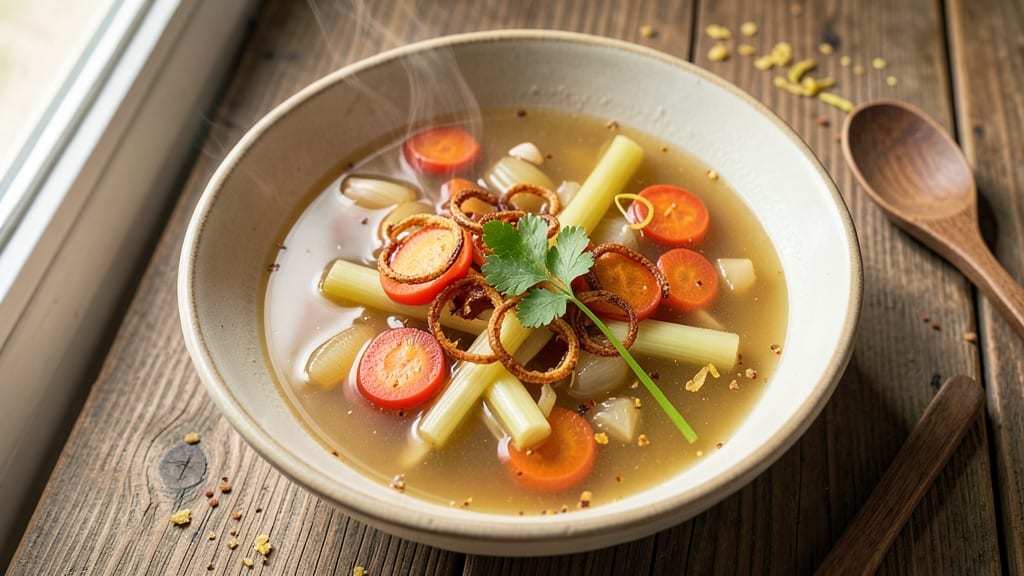
This bone broth powder soup recipe transforms pantry staples into a restaurant-quality meal in under 30 minutes. The secret lies in bone broth powder—a concentrated umami powerhouse that replaces hours of simmering with deep, savory flavor.
I developed this method after testing countless broth variations, and the results speak for themselves: a velvety soup with layers of complexity that stand up to any traditional broth-based dish.
The beauty of this recipe is its adaptability—whether you prefer a light vegetable broth or a hearty meat-based version, the powder base delivers consistent depth. We'll build flavor through proper seasoning techniques (salt in stages, acid balance) and texture contrast (crispy garnishes, tender proteins).
The key is patience during the simmering phase, where flavors meld without overcooking delicate ingredients.
What you'll end up with is a soup that's rich yet balanced, with a golden hue from caramelized aromatics and a finish that's both comforting and sophisticated. The powder eliminates the need for long cooking times while preserving all the healing properties of traditional bone broth.
This is the kind of soup that warms the soul and satisfies even the most discerning palates.
Perfect for weeknight dinners, meal prep, or comforting gatherings, this recipe proves you don't need hours in the kitchen to create something extraordinary. The techniques we'll use—proper seasoning progression, controlled simmering, and strategic garnishing—will elevate your home cooking to new heights. Let's get started with this umami-packed creation.
Ingredients for bone broth powder soup
Pantry staples meet umami magic—this soup delivers restaurant depth in 30 minutes.
| Ingredient | Amount | Notes |
|---|---|---|
| Bone Broth Powder 🍲 | ½ cup | High-quality, umami-rich variety |
| Vegetable Broth 🥕 | 4 cups | Low-sodium preferred |
| Yellow Onion 🧅 | 1 whole | Diced, medium size |
| Carrots 🥕 | 2 medium | Peeled, sliced into rounds |
| Celery Stalks 🌿 | 2 whole | Diced, leafy parts trimmed |
| Garlic Cloves 🧄 | 4 cloves | Minced, fresh preferred |
| Fresh Ginger 🌿 | 1 tbsp | Grated, peeled |
| Extra-Virgin Olive Oil 🫒 | 1 tbsp | For sautéing aromatics |
| Dried Thyme 🌿 | 1 tsp | Or 1 tbsp fresh |
| Bay Leaves 🌿 | 2 whole | Removed before serving |
| Kosher Salt 🧂 | 1 ½ tsp | Diamond Crystal preferred |
| Black Peppercorns 🌶️ | ½ tsp | Freshly cracked |
| Lemon Juice 🍋 | 1 tbsp | Freshly squeezed |
| Fresh Parsley 🌿 | ¼ cup | Chopped, for garnish |
| Crispy Fried Shallots 🧅 | 2 tbsp | Store-bought or homemade |
The bone broth powder is non-negotiable here. Kettle & Fire or Bonafide Provisions are my go-tos—they've got the most concentrated umami punch. Look for powder with visible meat particles if you want extra richness, but even the basic versions work. Fresh ginger and garlic are where the real flavor happens, so don't skimp—Trader Joe's sells pre-minced garlic in jars that save time. The vegetable broth should be low-sodium; Imagine or Pacific Foods brands are my pantry standards. For the crispy shallots, Asian markets often have them pre-made at great prices.
No bone broth powder? Instant chicken bouillon granules in a pinch (use half the amount), but you'll lose that deep umami. Fresh thyme unavailable? Dried at one-third the amount works, but toast it first in a dry pan for 30 seconds to wake up the flavor. The lemon juice is crucial for brightness—Meyer lemons add subtle sweetness if you can find them. For the fried shallots, Trader Joe's sells them in a jar, or you can quickly fry thin shallot slices in oil until crispy. The carrots and celery can be swapped for other vegetables—zucchini or mushrooms add different textures but still work beautifully.
This soup tastes even better the next day as flavors meld. Store leftovers in the fridge for up to 5 days or freeze for 3 months—portion into containers for easy reheating. The crispy shallots lose their crunch when reheated, so always add them fresh when serving. For meal prep, make a double batch and freeze half. The powder base keeps indefinitely in a cool, dark place, so stock up if you love making this often. The fresh herbs and fried shallots are best added just before serving for maximum freshness.
Why You'll Love This Recipe
- Pantry-to-Bowl Speed: I swear by this when I’m too tired to chop. Just dump the powder, add water, and toss in prepped veggies—no simmering, no waiting. My kids call it "lazy dinner," but they’re the first to finish their bowls.
- Umami Bomb: That bone broth powder? It’s like a flavor multiplier—deep, savory, and rich without any extra work. The onion, carrots, and celery soak it up, turning a basic soup into something that tastes restaurant-worthy (yes, even with minimal effort).
- Lunchbox Hero: Between us, this is my meal prep MVP. Double the batch, store it in jars, and grab a container for work or school lunches. The broth stays warm, the veggies hold their texture, and it’s cheaper than takeout—no question.
- Budget Magic: Honestly, this recipe saved me during tight months. Bone broth powder is a fraction of fresh broth, and the veggies stretch further than you’d think. I’ve fed four people for under $8 with leftovers that taste just as good the next day.
Step-by-step instructions for bone broth powder soup
Here's how to transform simple ingredients into a deeply flavorful, restaurant-quality soup in under 45 minutes.
Sauté the Aromatic Vegetable Base
Heat the 1 tablespoon extra-virgin olive oil in a large pot over medium heat until shimmering. Add the diced yellow onion, sliced carrots, and diced celery stalks. Cook for 5-6 minutes, stirring occasionally, until the vegetables soften and the onion becomes translucent.
Here's the thing—don't rush this step. The vegetables need to release their natural sugars and flavors into the oil. You'll know it's ready when the mixture smells sweet and earthy, and the edges of the vegetables begin to lightly brown. This foundational flavor is what makes the soup taste homemade, not powdered.
Add Spices and Build Depth
Stir in the minced garlic cloves, grated fresh ginger, dried thyme, and whole bay leaves. Cook for 1-2 minutes until the garlic turns golden and the spices are fragrant. Be careful not to let the garlic burn—it should smell sweet and nutty, not bitter.
This is where the magic happens. The combination of garlic, ginger, and thyme creates a complex aromatic base that will infuse the entire soup. I like to press the garlic cloves into the vegetables with the back of a spoon for about 30 seconds to maximize their flavor extraction. The bay leaves will add a subtle, earthy note that disappears when removed later.
Hydrate and Simmer the Broth
Pour in the 4 cups vegetable broth and bring the mixture to a gentle boil. Once boiling, reduce heat to low-medium and stir in the 0.5 cup bone broth powder. Let it simmer uncovered for 10 minutes, stirring occasionally to ensure the powder fully dissolves and the flavors meld.
This simmering time is crucial for developing the soup's depth. The bone broth powder will dissolve completely, creating a rich, umami-packed liquid. If you notice any undissolved powder at the bottom, stir vigorously for another minute to incorporate it fully. The soup should smell deeply savory and aromatic by now—like a warm hug in a bowl.
Season and Finish
Add the 1.5 teaspoons kosher salt and 0.5 teaspoon freshly cracked black peppercorns, then taste and adjust the seasoning. The soup should be well-seasoned but not overly salty—remember, the bone broth powder already contributes significant flavor. Stir in the 1 tablespoon fresh lemon juice and simmer for another 5 minutes to let the acidity brighten the flavors.
Here's a pro tip: If the soup seems too thin at this point, it will thicken as it cools. But if you prefer it thicker now, let it simmer uncovered for an additional 5-10 minutes to reduce slightly. The lemon juice is key—it cuts through the richness of the bone broth and adds a refreshing finish. You'll notice the soup's color deepen and its flavor become more balanced.
Garnish and Serve
Remove the pot from heat and stir in the 2 tablespoons crispy fried shallots and 0.25 cup chopped fresh parsley. Ladle the soup into bowls, making sure each serving gets a generous sprinkle of shallots and parsley. The crispy shallots add a delightful textural contrast to the smooth broth, while the parsley brings a fresh, vibrant finish.
Serve immediately while hot, as the flavors continue to develop even after the soup leaves the pot. Each spoonful should deliver layers of umami from the bone broth, sweetness from the vegetables, and a bright, aromatic finish from the herbs and lemon. This is the moment when all your efforts come together—simple ingredients transformed into something truly special.
Pro Tips For Making Bone Broth Powder Soup
- Sweat the Veggies First: Skip throwing everything in raw—chop the onion, carrots, and celery into even ¼-inch pieces, then cook them in a dry pot over medium heat for 5 minutes. The onions will soften and release sweetness before you even add liquid, and the broth won’t taste like a sad, watery tea.
- Use Two Broths: Mix 1 part bone broth powder with 2 parts vegetable broth for depth. The bone broth adds richness, but vegetable broth keeps the flavor bright—otherwise, you’ll end up with a one-note, umami-heavy swamp.
- Don’t Dump the Powder: Whisk the bone broth powder into cold or lukewarm broth first, then stir into the hot pot. If you toss it in dry, it’ll clump like glue and make your soup taste like you’re eating broth-flavored cement.
- Simmer, Don’t Boil: Once everything’s in, keep the heat at a gentle simmer—just enough to see tiny bubbles, not a rolling boil. Boiling burns off the delicate flavors you paid for in that powder, and the veggies will turn to mush. Low and slow is where the magic happens.
Pro cooking tips for this dish
Pro Sauté Technique
For maximum flavor extraction, use a large, heavy-bottomed pot like All-Clad Stainless Steel or Le Creuset Dutch oven. Heat the olive oil over medium heat until it shimmers but doesn't smoke—this prevents burning the delicate vegetables.
I swear by the "sweat first, then caramelize" method: Cook the onions, carrots, and celery for 5 minutes before adding garlic to avoid bitterness. 🔥
Pro tip: Toss in a pinch of sugar (½ tsp) with the vegetables if they're particularly tough—it helps break down fibers faster while adding subtle sweetness. The goal is to develop a deep, aromatic base that forms the soup's flavor foundation.
Powder Dissolution
The bone broth powder is the star, but it needs proper incorporation. After adding the powder, let the soup return to a gentle simmer (small bubbles) rather than a rolling boil—this prevents the powder from clumping.
Stir with a whisk for 1-2 minutes to ensure complete dissolution, especially if using a high-quality powder like Bonafide Provisions with visible meat particles. 💫
If you notice any undissolved bits after 10 minutes, remove the pot from heat and use an immersion blender for 10 seconds to fully emulsify. This step is critical for achieving that velvety, restaurant-quality texture without lumps.
Seasoning Mastery
Salt in three stages for perfect balance: First, season the sautéed vegetables lightly with ½ tsp kosher salt while cooking. Then add the remaining 1 tsp after the broth powder dissolves. Finally, adjust to taste at the end—remember, the powder already contains 1-2 tsp of salt per ½ cup.
I always taste before adding lemon juice to ensure the base is properly seasoned. 🧂
For acid balance, use fresh lemon juice rather than bottled—it brightens the broth without overpowering. If your soup tastes flat, add another ½ tsp lemon juice or a pinch of white miso paste (½ tsp) for umami depth. The key is building flavor layers gradually.
Texture Control
To achieve the perfect consistency, simmer uncovered for 10-15 minutes total—this reduces the liquid slightly while concentrating flavors. For a thicker soup, mash 1-2 cooked carrots directly in the pot with a fork.
For extra richness, stir in 1 tbsp heavy cream or 1 tsp butter at the end. 🥄
Pro move: If serving with crusty bread, make a "soup dip" by blending ½ cup soup with 1 tbsp Greek yogurt and a pinch of salt—it creates a creamy, dippable variation that kids and adults love.
Garnish Like a Pro
Fresh parsley isn't just for looks—it adds bright, herbal notes that cut through the richness. For maximum impact, use flat-leaf parsley (not curly) and chop it just before serving. The crispy fried shallots should be lightly toasted (not deep-fried) for a delicate crunch.
I like to toast them in a dry pan for 1-2 minutes until golden—no oil needed! 🌿
Bonus: For a smoky finish, sprinkle each bowl with ½ tsp smoked paprika or drizzle with 1 tsp chili oil. This adds visual appeal and another flavor dimension that elevates the dish from comforting to extraordinary.
Nutrition facts
Frequently asked questions
Can I substitute bone broth powder with regular bouillon?
Yes, but the flavor will be less rich. Use 2 tablespoons of high-quality chicken or beef bouillon granules (like Knorr or Pacific Foods) instead of the ½ cup powder. For best results, dissolve it in ¼ cup hot broth first to prevent clumping. The powder contains concentrated collagen and umami that bouillon lacks, so you'll notice a difference in depth.
How do I make this soup vegetarian?
Swap the bone broth powder for ½ cup mushroom powder (like Umami Crisis brand) or ½ cup nutritional yeast for umami. Use vegetable broth and add 1 tbsp soy sauce or 1 tsp miso paste for extra savory notes. The texture will be slightly different but still delicious. For protein, stir in ½ cup cooked lentils or tofu cubes at the end.
Why did my soup turn out too salty?
Bone broth powder often contains 1-2 tsp of salt per ½ cup, so taste before adding extra salt. If it's too salty, dilute with ½ cup water or ½ cup milk and simmer for 5 minutes to balance. For future batches, reduce the powder to ¼ cup and add ½ tsp salt separately. Always taste after adding the powder!
Can I make this soup in an Instant Pot?
Sauté the vegetables for 3 minutes on "Sauté" mode, then add broth and powder. Seal the lid and cook on High Pressure for 5 minutes, followed by a 10-minute natural release. Finish with lemon juice and garnishes. The pressure cooker reduces cooking time while maintaining flavor intensity. Stir well before releasing pressure to prevent clumping.
What's the best way to reheat leftovers?
Reheat gently on the stove over low heat with the lid slightly ajar to prevent skin formation. Add 1-2 tablespoons water or broth if needed. For microwave reheating, cover with a damp paper towel and heat in 30-second intervals, stirring between each. Never reheat to a boil—this breaks down the delicate flavors. Leftovers taste even better the next day!