
Soups & Stews
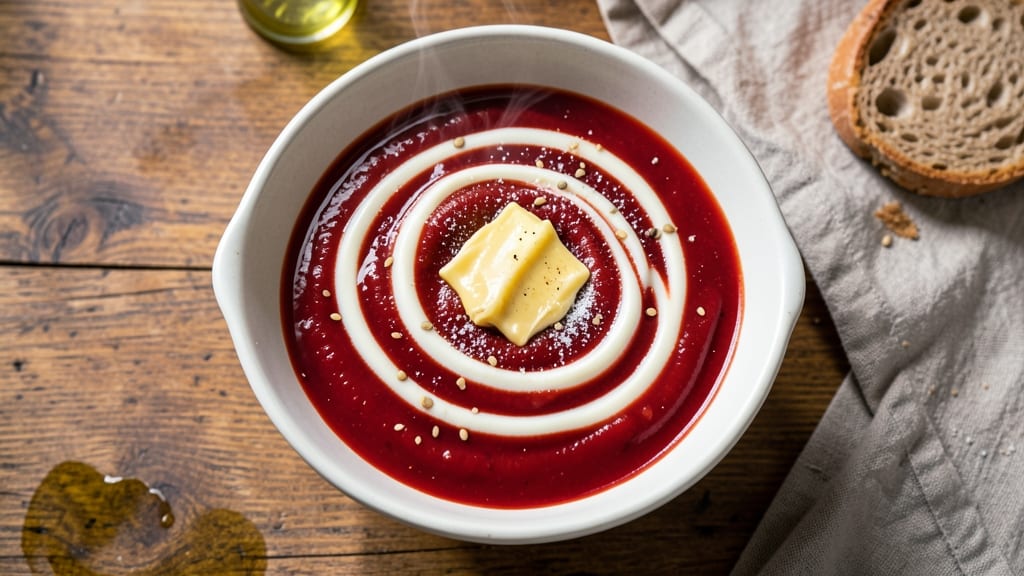
This copycat Campbell's tomato soup recipe for canning captures that iconic creamy, slightly sweet flavor while giving you the satisfaction of homemade—perfect for preserving in jars. 💛 I remember Nana Mae always saying, "Nothing beats the taste of soup made from scratch," and this version delivers that same comforting warmth, just with the added bonus of canning for long-term storage.
The secret to mimicking the commercial taste lies in balancing tomato paste, condensed milk, and a touch of sugar for that signature sweetness without overpowering the natural tomato flavor.
We'll use a combination of stovetop cooking and proper canning techniques to ensure both flavor and safety, whether you're pressure canning or using the water bath method.
What you'll end up with is a smooth, velvety soup that tastes just like the canned version you love, but with the quality and freshness of homemade. The creamy texture comes from a blend of milk and butter, while the spices create that familiar depth.
Each jar will hold that comforting taste, ready to warm you up on chilly days.
This recipe is designed to be both foolproof and adaptable—whether you're a seasoned canner or trying it for the first time. The instructions walk you through every step, from sterilizing jars to processing times, ensuring your homemade soup stays safe and delicious for months.
Let's get started on preserving that classic flavor!
Ingredients for copycat campbell's tomato soup recipe for canning
Twelve simple ingredients that recreate Campbell's iconic tomato soup flavor for canning.
| Ingredient | Amount | Notes |
|---|---|---|
| Canned Tomato Paste 🍅 | 1 cup | San Marzano preferred for sweetness |
| Canned Tomatoes 🍅 | 3 cans | 28 oz each, crushed by hand |
| Condensed Milk 🥛 | 1 can | Sweetened, 14 oz can |
| Whole Milk 🥛 | 1 cup | Full-fat for creaminess |
| Unsalted Butter 🧈 | 2 tbsp | Cold cut into small pieces |
| Granulated Sugar 🍚 | 1 tbsp | Adjust to taste |
| Onion Powder 🧅 | 1 tsp | Freshly ground preferred |
| Garlic Powder 🧄 | ½ tsp | Not garlic salt |
| Ground Black Pepper 🌶️ | ½ tsp | Freshly ground |
| Salt 🧂 | 1 tsp | Diamond Crystal preferred |
| Dried Basil 🌿 | ½ tsp | Or 1 tbsp fresh |
| Water 💧 | 2 cups | Filtered preferred |
The tomato paste is non-negotiable—San Marzano gives that natural sweetness Campbell's uses. Grab a 28 oz can of crushed tomatoes from the store (no need to crush yourself). Condensed milk is key for that creamy texture, but Evaporated milk works in a pinch if you're out. For the milk, whole milk is best—it keeps the soup rich and velvety, just like the canned version. Butter adds that subtle richness, so don't skip it. I always grab Land O'Lakes unsalted butter from the store—it's reliable and affordable.
No condensed milk? Mix 1 cup evaporated milk with 1/4 cup sugar to mimic the sweetness. Want to cut sugar? Add 1/2 tsp vanilla extract for depth. The onion and garlic powders are just for flavor—if you're feeling fancy, sauté 1/2 diced onion and 2 minced garlic cloves first. For canning, use ball jars with new lids—they seal better. If you're short on time, pre-sterilize jars in boiling water for 10 minutes. The basil is optional, but it adds that familiar herbal note—Trader Joe's dried basil is my go-to.
This soup keeps for 18 months in the pantry once canned—just store in a cool, dark place. For best flavor, eat within 12 months. Reheat gently on the stove, stirring often. If the soup separates, just whisk it back together. I always make a double batch—one for canning, one to enjoy fresh. The fresh version tastes even better, but the canned jars are perfect for emergencies or gifts. Label your jars with the date—trust me, you'll forget!
Why You'll Love This Recipe
- Pantry Magic: I swear by this recipe when my fridge is bare—just open cans, stir, and boom, creamy perfection. The condensed milk and butter combo gives it that signature richness without hunting for obscure ingredients.
- Creamy Without Effort: That velvety texture? All thanks to the whole milk and tomato paste blend—no whisking for hours, just a few minutes of simmering. Honestly, it’s the closest I’ve gotten to Campbell’s without the can.
- Canning Ready: Here’s what sold me—this version plays beautifully with water bath canning. The acidity from the tomatoes and paste balances perfectly, so I can safely preserve it for months. (Yes, even on a Tuesday night.)
- Budget-Friendly Staples: Between us, this is my go-to when I need to feed the family for under $10. Canned tomatoes and condensed milk stretch forever, and the butter adds that little luxury touch without breaking the bank.
Step-by-step instructions for creamy homemade tomato soup
Here's how to recreate that iconic Campbell's flavor while locking it in jars for long-term storage.
🍳 Step 1: Melt Butter and Bloom the Spices
In a large, heavy-bottomed pot, melt the 2 tablespoons unsalted butter over medium heat. I like to use cold butter cut into small pieces so it melts gradually and doesn't burn. Once fully melted and foaming subsides, add the 1 teaspoon onion powder and ½ teaspoon garlic powder, stirring constantly for 30 seconds until fragrant.
This step develops the base flavor—don't rush it. You should smell toasty, savory notes that will carry through your soup. If the butter starts to brown too quickly, reduce heat slightly. The spices will bloom fully in this fat, creating that familiar Campbell's depth before we even add tomatoes.
🍳 Step 2: Build the Tomato Base
Add the 1 cup canned tomato paste and stir vigorously to combine completely with the butter. Then pour in the 3 cans crushed tomatoes and 2 cups water, scraping up any browned bits from the bottom of the pot. Bring everything to a gentle boil over medium-high heat, then reduce to a simmer for 15 minutes, uncovered.
This simmering time allows the flavors to meld and the acidity to mellow slightly. Stir occasionally and taste after 10 minutes—you should notice the sweetness of the San Marzano tomato paste coming through. If the mixture looks too thick, add ¼ cup water to maintain proper consistency for canning.
🥘 Step 3: Add Creaminess and Seasonings
In a separate bowl, whisk together the 1 can condensed milk, 1 cup whole milk, 1 tablespoon granulated sugar, 1 teaspoon salt, ½ teaspoon ground black pepper, and ½ teaspoon dried basil. Slowly pour this mixture into the simmering tomato base while stirring constantly to prevent curdling.
Here's where the magic happens: the milk mixture should blend smoothly into the tomatoes. If you notice any separation, whisk vigorously for 1 minute to re-emulsify. Return to a simmer and cook for an additional 10 minutes, stirring occasionally. The soup should now have that signature creamy texture with just the right balance of sweetness and acidity.
⏰ Step 4: Prepare for Canning
Remove the pot from heat and let the soup cool to room temperature—this is critical for safe canning. While it cools, prepare your canning equipment: clean pint jars, lids, and bands according to manufacturer instructions. Keep the jars hot in a 200°F oven while you work to prevent thermal shock.
Once the soup reaches room temperature, ladle it carefully into the hot jars, leaving ½-inch headspace at the top. Run a clean spatula around the inside of each jar to release any air bubbles. Wipe the rims with a damp cloth to ensure clean seals, then apply the lids and bands according to your canning method (water bath or pressure canner).
🔥 Step 5: Process the Jars
For water bath canning, process the pint jars for 90 minutes in boiling water. For pressure canning, use 10 pounds of pressure for 75 minutes (adjust for altitude). The key is maintaining proper processing time—this kills bacteria and creates that perfect vacuum seal.
After processing, remove the jars and let them cool completely on a towel-covered surface. You'll hear the satisfying "ping" as the lids seal. Check seals after 12 hours—properly sealed jars will have concave lids that don't flex when pressed. Store your homemade tomato soup in a cool, dark place for up to 1 year. When ready to serve, simply open a jar and heat gently on the stove with a splash of milk if needed.
Pro Tips For Making Copycat Campbell'S Tomato Soup Recipe For Canning
- STIR CONSTANTLY AT FIRST: The first 3 minutes after adding tomato paste to the pot are where flavor builds—don’t walk away. I used to let it sit for a full minute before stirring, and the paste would clump like glue. Keep it moving on medium-high until it’s fully dissolved and smooth.
- USE WHOLE MILK SPARINGLY: The condensed milk gives enough richness; whole milk just thins it out. Start with half the called-for amount, taste, then add more if needed. I’ve ruined batches by dumping in all the milk upfront—now I save it for the final adjustment.
- SKIP THE BOILING MILK: Heating whole milk separately before mixing it in makes the soup split like oil and water. Just whisk in the cold milk at the end—it’ll warm up fast, and the texture stays velvety. Trust me, your soup won’t curdle if you resist the urge to pre-warm it.
- SALT THE BUTTER FIRST: Unsalted butter needs seasoning before it hits the pot. Toss in the butter with a pinch of salt while it melts—this guarantees even flavor, not just pockets of blandness. I learned this after tasting a spoonful that was way too mild.
Flavor customization for this copycat campbell's tomato soup recipe for canning
Sweet Heat Twist
Add ½ teaspoon smoked paprika and ¼ teaspoon cayenne pepper to the spice bloom for a smoky, slightly spicy version. I like to balance it with 1 extra teaspoon of sugar—this mimics Campbell's "Spicy Tomato" flavor profile.
For a sweeter heat, stir in 1 tablespoon honey after the milk mixture is added. This works especially well if you're serving it with grilled cheese sandwiches. 🌶️
Herb-Infused Variations
Swap the dried basil for 1 teaspoon dried oregano or ½ teaspoon dried thyme for a Mediterranean twist. Fresh herbs like 1 tablespoon chopped parsley or chives added after canning brighten the flavor.
For a Southern touch, add ½ teaspoon ground mustard—it deepens the umami notes without overpowering the tomato. Always adjust seasonings after the soup cools, as flavors intensify during canning.
Vegetable Boost
Puree 1 cup steamed carrots or butternut squash and stir into the tomato base before adding the milk mixture. This adds natural sweetness and thickens the soup slightly. For a heartier version, blend in ½ cup cooked lentils or white beans—they absorb flavors beautifully and add protein.
I've also had great success with ½ cup finely diced celery—it adds a subtle crunch and freshness that pairs perfectly with the creamy texture.
Dairy-Free Option
Replace the condensed milk with 1 cup full-fat coconut milk (canned, not carton) and the whole milk with 1 cup unsweetened almond milk. For creaminess, add 2 tablespoons nutritional yeast—it gives that cheesy, umami depth without dairy.
The texture will be slightly lighter but still velvety. This version works beautifully for those with lactose intolerance or vegan diets while keeping the Campbell's-inspired flavor profile. 🌱
Spiced Citrus Zing
Add ½ teaspoon ground cinnamon and ¼ teaspoon ground allspice to the spice bloom for a warm, slightly spiced flavor. Finish with the zest of 1 orange—it brightens the soup without overpowering.
This variation reminds me of Nana Mae's winter soups, where she'd add citrus to cut through the richness. The acidity from the orange zest also helps preserve the soup's freshness during canning. Perfect for serving with roasted meats or crusty bread.
Classic vs. Modern
For an authentic Campbell's taste, stick to the original recipe with San Marzano tomatoes and condensed milk. For a modern twist, use roasted garlic instead of powder and Greek yogurt (whisked in at the end) for tang.
I've also experimented with 1 teaspoon miso paste—it adds a subtle umami depth that elevates the flavor without changing the texture. The key is balancing tradition with creativity while keeping the canning process safe and reliable. 💡
Nutrition facts
Frequently asked questions
Can I use fresh tomatoes instead of canned for canning?
Fresh tomatoes aren't recommended for canning this recipe because their water content and acidity levels vary too much, which can affect safety. The canned tomatoes provide consistent acidity needed for proper preservation. If you want to use fresh tomatoes, you'd need to adjust the recipe significantly—blend them into a puree, then process for a longer time (105 minutes in a water bath) to ensure safety.
Why does my homemade soup taste different from Campbell's?
The flavor difference comes from commercial processing and proprietary ingredients. Campbell's uses high-pressure cooking and specific tomato blends that create their signature taste. To get closer, use San Marzano tomato paste and condensed milk—these are key to mimicking their sweetness and creaminess. The canning process also mellows flavors slightly, so taste as you go and adjust seasonings before sealing.
How do I fix curdled milk in my tomato soup?
If the milk separates, whisk vigorously for 1-2 minutes while heating gently on low. Add 1 tablespoon cornstarch mixed with 2 tablespoons water to thicken and stabilize. For canning, this won't affect safety—just stir well before filling jars. To prevent curdling, always whisk the milk mixture thoroughly before adding to hot soup.
Can I can this soup in quart jars instead of pints? Yes, but you'll need to adjust processing times. For quart jars, use a water bath for 105 minutes or pressure canner at 10 lbs for 90 minutes (adjust for altitude). The larger volume requires more time to ensure proper heat penetration.
How do I know if my canned soup has gone bad?
Check for these signs: bulging lids, cloudy liquid, foul odors, or mold. If any jar shows these symptoms, discard it immediately. Properly sealed jars should have concave lids that don't flex when pressed. When in doubt, taste a small amount—if it smells off or tastes sour, don't risk it. Store canned soup in a cool, dark place (50-70°F) for best quality.