
Soups & Stews
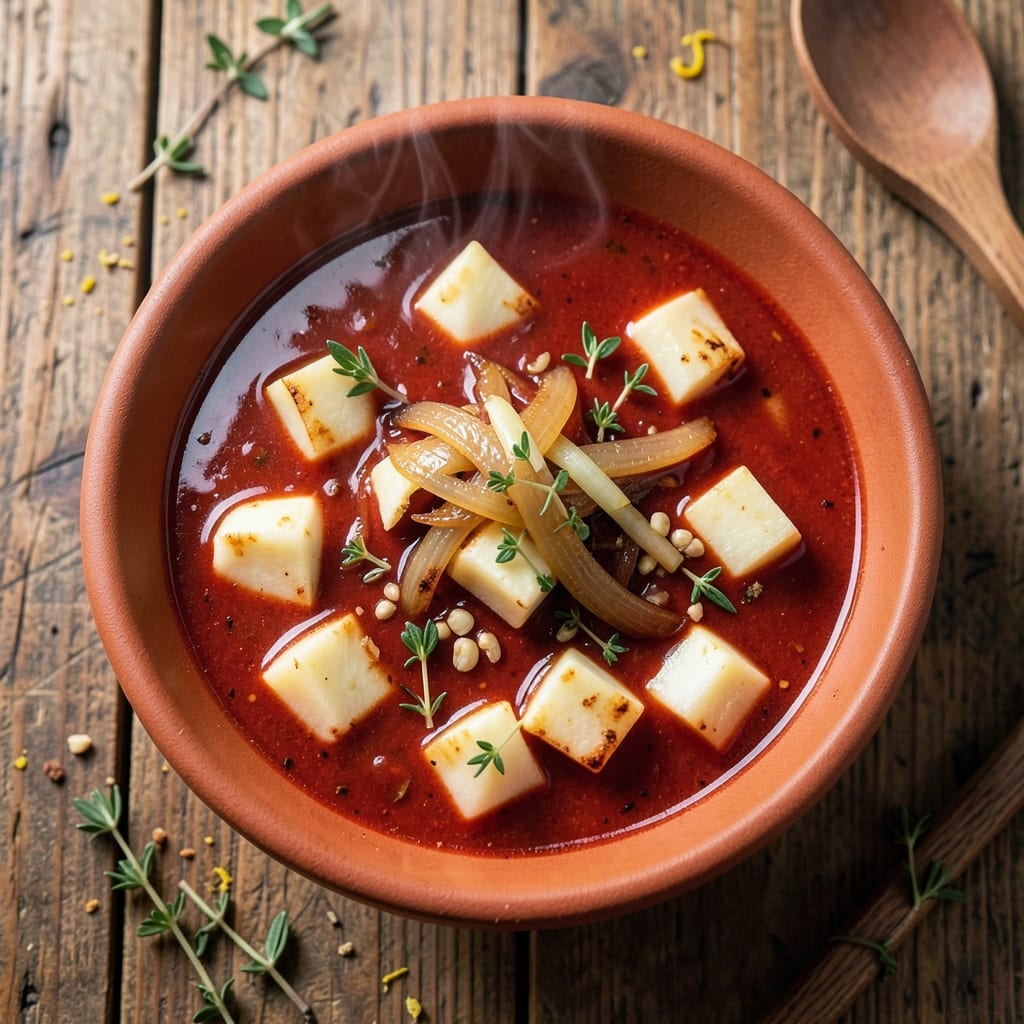
This African yam soup recipe delivers the rich, earthy flavors of West Africa in every spoonful—where tender yams and leafy greens simmer in a fragrant blend of palm oil, ginger, and aromatic spices. The secret lies in slow-cooked depth, where smoky palm oil infuses warmth while fresh herbs brighten the broth, creating a harmonious balance that feels both comforting and sophisticated. Perfect for chilly evenings or family gatherings, this soup transforms simple ingredients into a restaurant-worthy dish with minimal effort.
The beauty of this recipe is its adaptability—whether you're following traditional methods or modernizing with dietary preferences. We'll blend yams until silky, incorporate leafy greens for nutrients, and layer spices like thyme, garlic, and ginger for complexity. The result? A velvety, hearty soup that's as nourishing as it is flavorful, with a texture that's both creamy and satisfying. Every bite carries the essence of West African cuisine, made approachable for home cooks.
What sets this recipe apart is the smoky palm oil, which adds a distinct depth that store-bought substitutes can't replicate. Paired with fresh herbs like cilantro or parsley, the soup becomes a vibrant, aromatic experience that's easy to customize—add shrimp for a pescatarian twist or extra vegetables for a vegan version. The slow simmer ensures flavors meld perfectly, while the final garnish of herbs elevates each bowl to something truly special.
Ready in about 1 hour, this soup is ideal for meal prep or last-minute dinners. The instructions are straightforward, yet the result is undeniably impressive, proving that authentic African flavors belong in every kitchen. Let's get cooking—your taste buds will thank you.
Ingredients for african yam soup
Rich palm oil, earthy yams, and aromatic ginger create this velvety West African masterpiece.
| Ingredient | Amount | Notes |
|---|---|---|
| Yams 🍠 | 2 lbs | Peeled and cubed, medium dice |
| Red Palm Oil 🫒 | ½ cup | Smoky, authentic variety preferred |
| Yellow Onion 🧅 | 1 whole | Diced, medium size |
| Fresh Ginger Root 🌿 | 2 tbsp | Grated, finely minced |
| Garlic Cloves 🧄 | 4 cloves | Peeled, minced |
| Fresh Thyme Sprigs 🌿 | ½ oz | Or 2 tbsp dried thyme |
| Fresh Cilantro 🌿 | ¼ cup | Chopped, stems removed |
| Fresh Parsley 🌿 | ¼ cup | Chopped, for garnish |
| Spinach Leaves 🌱 | 4 cups | Fresh or frozen, chopped |
| Vegetable Broth 💧 | 4 cups | Low-sodium preferred |
| Coconut Milk 🥥 | 1 cup | Full-fat for creaminess |
| Ground Black Pepper 🌶️ | ½ tsp | Freshly cracked |
| Salt 🧂 | 1 ½ tsp | Diamond Crystal preferred |
| Lemon Juice 🍋 | 1 tbsp | Freshly squeezed |
The red palm oil is non-negotiable for authentic flavor—look for African specialty stores or well-stocked international markets like Whole Foods or H Mart for the real deal. Mazola or other vegetable oils won't cut it; the smoky depth is what transforms this into a restaurant-quality dish. Yams should be firm, not waxy—Trader Joe's or Latin markets often carry them year-round. Fresh ginger and thyme are best, but if you're using dried, toast the spices in the oil first to wake up their flavors. For the spinach, frozen works perfectly—just thaw and drain well before adding.
No palm oil? Smoked paprika at 1/2 tsp plus a pinch of liquid smoke can mimic some depth, though it won't be identical. Substituting coconut milk? Full-fat canned coconut milk gives the best creaminess—light versions will make the soup thinner. Fresh herbs wilt fast, so if you're prepping ahead, store them wrapped in damp paper towels in the fridge for up to 3 days. The lemon juice brightens the soup at the end—don't skip it, even if you're not a fan of citrus in savory dishes. For extra protein, stir in 1 cup cooked lentils or chickpeas at the end.
This soup tastes even better the next day as flavors meld—portion into containers with a thin layer of oil on top to preserve freshness. Keeps for 4-5 days refrigerated or 3 months frozen. For meal prep, freeze in individual portions so you can thaw just what you need. The palm oil solidifies when chilled, so gently reheat on low heat and stir until fully melted before serving. Garnish with extra herbs and a drizzle of palm oil right before eating for that restaurant touch.
Why You'll Love This Recipe
- One-Pot Magic: I swear by this recipe—just chop, simmer, and you’re done. No fancy techniques here, just yams softening in rich red palm oil while onions and ginger melt into the pot. My lazy Sundays thank me every time.
- Rich & Earthy: That first spoonful? Pure satisfaction. The red palm oil gives it a deep, almost smoky warmth, while the garlic and ginger add layers of heat and depth. It’s not just soup—it’s a flavor explosion in a bowl.
- Meal Prep Hero: Make a big batch on Sunday, and you’ve got lunches for the week. The soup only gets better as it sits—flavors meld, textures improve. I freeze portions too; just reheat and serve. My go-to for busy days.
- Budget-Friendly Staple: Yams are cheap, palm oil lasts forever, and onions/ginger stretch a long way. A single pot feeds four for under $10, and leftovers taste just as good cold the next day. My wallet and taste buds win.
Step-by-step instructions for African yam soup
Master this West African classic with rich palm oil and aromatic ginger—each step builds depth of flavor.
Sauté Aromatics in Palm Oil Until Fragrant
Heat the 0.5 cup red palm oil in a large pot over medium heat until it shimmers but doesn't smoke—this should take about 3-4 minutes. The oil's natural color will deepen as it warms, releasing its characteristic nutty aroma.
Add the 1 whole yellow onion and cook for 5 minutes until softened and translucent. Stir frequently to prevent browning. Then add the 2 tbsp grated fresh ginger root and 4 cloves minced garlic, cooking for another 2-3 minutes until the raw garlic scent disappears and the mixture becomes fragrant. This aromatic base forms the soul of your soup—don't rush this step.
Brown the Yams and Build the Base
Increase heat to medium-high and add the 2 lbs cubed yams in a single layer. Let them sear undisturbed for 3-4 minutes until they develop a golden crust on all sides. This caramelization adds depth to the soup's flavor profile.
Stir the yams gently to coat them in the oil mixture, then pour in the 4 cups vegetable broth. Bring to a gentle boil, then reduce heat to low, cover partially, and simmer for 20 minutes until the yams are tender but not falling apart. You'll know they're ready when they pierce easily with a fork but still hold their shape.
Incorporate Herbs and Spinach
Add the 0.5 oz fresh thyme sprigs and 0.5 tsp ground black pepper, stirring to distribute evenly. Simmer uncovered for 5 minutes to allow the thyme's earthy notes to infuse the broth. Then stir in the 4 cups spinach leaves and cook for 2-3 minutes until wilted and vibrant green—this ensures perfect texture without bitterness.
Remove from heat and stir in the 1 cup coconut milk, blending until smooth. The coconut milk adds a velvety richness that balances the soup's earthy flavors. Season with the 1.5 tsp salt, adjusting to taste—West African cuisine often relies on bold seasoning, so don't be shy.
Finish with Ginger-Lemon Brightness
Return the soup to low heat and stir in the 1 tbsp lemon juice, allowing it to simmer for 2 minutes to meld with the other flavors. This final touch brightens the dish and cuts through the richness of the palm oil and coconut milk.
Ladle the soup into bowls and garnish with 0.25 cup chopped fresh cilantro and 0.25 cup chopped fresh parsley. The fresh herbs add a pop of color and a refreshing contrast to the hearty soup. Serve immediately while the yams are tender and the broth is steaming hot—this dish tastes best fresh from the pot.
Pro Tips For Making African Yam Soup
- PEEL YAMS AFTER COOKING: I used to peel yams raw and they’d oxidize into an unappetizing gray sludge by the time I got to cooking. Now I peel them after boiling—just slip the skins off under cold water while they’re still hot. The flesh stays bright, and you avoid that weird metallic taste that ruins the soup’s depth.
- LOW AND SLOW WITH OIL: Red palm oil burns faster than you’d think. After frying your onions and ginger, drop the heat to medium-low—not simmer, not boil, but a steady, quiet bubble. This lets the oil infuse without turning bitter, and your soup won’t taste like a smoky campfire.
- GRATE GINGER FINE: Those big chunks of ginger you see in recipes? Skip them. Use a microplane or the smallest holes of a box grater—you want it almost paste-like. It dissolves faster, flavors the oil immediately, and prevents that "ginger surprise" where you take a bite and it’s all sharp edges.
- SAVE THE YAM WATER: Don’t drain that starchy yam water after boiling—strain it into your soup instead. It thickens the broth naturally and adds a subtle sweetness that store-bought stock can’t match. Just skim off any foam first, or your soup will taste soapy. (Yes, I’ve learned this the hard way.)
Best sauces and condiments for this recipe
Smoky Palm Oil
The star of this soup is red palm oil, which brings an unmistakable smoky, almost caramelized depth that store-bought substitutes can't replicate. For authentic flavor, use African red palm oil—available at specialty stores like Whole Foods or H Mart—and heat it gently until it shimmers but doesn’t smoke. This releases its nutty aroma and prepares it to carry the soup’s rich flavors. If you can’t find palm oil, a mix of ½ tsp smoked paprika and a pinch of liquid smoke can mimic some of the depth, though it won’t be identical. 🫒
Ginger-Lemon Brightness
Fresh ginger and lemon juice are the secret weapons that lift this soup from hearty to extraordinary. Start by grating 2 tbsp fresh ginger root—its sharp, zesty notes mellow beautifully during simmering. Finish with 1 tbsp freshly squeezed lemon juice, which brightens the dish and cuts through the richness of the palm oil and coconut milk. The acidity also helps balance the earthy flavors of the yams and spinach, creating a harmonious finish. Trust me, this step makes all the difference! 🍋
Creamy Coconut Milk
For that velvety texture, 1 cup full-fat coconut milk is non-negotiable. It adds a luxurious creaminess that rounds out the soup’s bold flavors without overpowering them. Light coconut milk won’t give the same richness, so opt for the canned variety—just stir it in at the end and blend until smooth. If you’re avoiding dairy, coconut milk is a perfect plant-based alternative that still delivers on comfort and depth. 🥥
Herbaceous Garnishes
Fresh herbs are the final flourish that elevate this soup to restaurant-quality. Top each bowl with ¼ cup chopped fresh cilantro and ¼ cup chopped parsley—their bright, slightly peppery notes contrast beautifully with the smoky palm oil. For extra flair, drizzle a thin layer of palm oil over the top right before serving. This not only adds visual appeal but also enhances the soup’s aromatic profile. Pro tip: Store herbs wrapped in damp paper towels in the fridge to keep them fresh for garnishing. 🌿
Spicy Kick Options
If you love heat, add 1-2 tbsp of grated fresh scotch bonnet or habanero pepper when sautéing the aromatics. For a milder option, use ½ tsp cayenne pepper or a dash of hot sauce at the end. The key is to balance the spice with the soup’s richness—start with a small amount and adjust to taste. A little heat goes a long way in West African cuisine, so don’t be afraid to experiment! 🌶️
Protein Boosts
For a heartier bowl, stir in 1 cup cooked lentils, chickpeas, or shrimp at the end of cooking. If using shrimp, add them in the last 2-3 minutes of simmering to avoid overcooking. For a vegetarian twist, black-eyed peas or tofu work beautifully. These additions not only add protein but also soak up the flavorful broth, making every spoonful even more satisfying. 💪
Nutrition facts
Frequently asked questions
Can I substitute sweet potatoes for yams in this recipe?
While sweet potatoes will work, they won't give the same authentic texture or flavor. Yams have a creamier, slightly nutty taste that's essential for this West African dish. If you must substitute, use orange-fleshed yams (like those from Latin markets) or add 1/2 tsp cinnamon to mimic the earthy depth.
How do I make this soup vegan?
Replace the vegetable broth with 4 cups vegetable or mushroom broth>, and use 1 cup coconut milk> (already vegan). For extra protein, add 1 cup cooked lentils or chickpeas>. The palm oil is naturally vegan, so no other substitutions are needed. The result will be just as rich and satisfying!
Why does my soup taste bitter?
Bitterness usually comes from overcooked spinach or too much lemon juice. Add spinach just 2-3 minutes before the end, and reduce lemon juice to 1/2 tbsp>. For extra flavor without bitterness, try kale or collard greens> instead. The palm oil should be heated gently—if it smokes, it can add a bitter note.
Can I make this soup in an Instant Pot?
Yes! Sauté the aromatics as directed, then add all ingredients except coconut milk. Cook on high pressure for 8 minutes>, then quick-release. Stir in coconut milk at the end. The Instant Pot version cooks faster but may need 1 extra tbsp broth> to prevent sticking.
What's the best way to reheat leftovers?
Reheat gently on low heat> with a splash of water or broth to restore creaminess. Never microwave directly from the fridge—this can make the soup watery. For best results, reheat just until hot, then stir in a drizzle of palm oil to revive the flavors.