
Soups & Stews
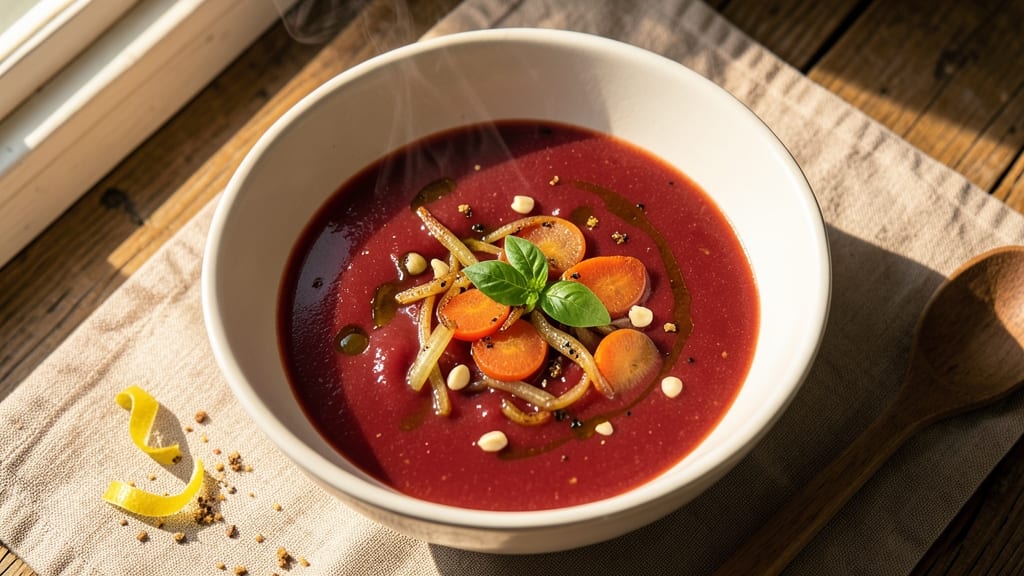
America's Test Kitchen tomato soup delivers the perfect balance of velvety texture and bright acidity that separates great soup from good. This recipe transforms simple ingredients into a restaurant-quality bowl through precise techniques—simmering, blending, and emulsifying—that create a smooth, rich consistency without breaking the bank.
The secret lies in the slow reduction of tomatoes and careful seasoning, ensuring every spoonful is both comforting and refined.
What sets this recipe apart is its foolproof approach to achieving that signature ATK velvety finish. By cooking the tomatoes and aromatics until deeply flavorful, then blending with a touch of cream and butter, we create a soup that's rich yet light, with just enough acidity to brighten the palate.
The key steps—like simmering the soup uncovered to develop depth and blending while warm to prevent separation—are critical for that professional touch.
You'll end up with a bowl of soup that's creamy yet bright, with a glossy sheen and perfect mouthfeel—neither too thin nor too heavy. The aroma alone will fill your kitchen with warmth, while the first sip delivers that satisfying balance of sweetness, acidity, and umami.
This isn't just tomato soup; it's a perfectly executed dish that rivals any restaurant version.
Serve it with crusty bread for dipping or a sprinkle of fresh basil for garnish, but the real magic is in the method itself. Whether you're feeding a family or meal prepping for the week, this recipe delivers consistent, restaurant-quality results—every single time.
Let's get started on creating your best tomato soup yet.
Ingredients for america's test kitchen tomato soup
Restaurant-quality tomato soup starts with these 14 ingredients—simple yet transformative.
| Ingredient | Amount | Notes |
|---|---|---|
| Extra-Virgin Olive Oil 🫒 | ½ cup | High-quality, fruity variety |
| Yellow Onion 🧅 | 1 whole | Medium-sized, diced finely |
| Carrots 🥕 | 2 medium | Peeled, sliced into 1/4-inch pieces |
| Celery Stalks 🌿 | 3 whole | Trimmed, sliced into 1/4-inch pieces |
| Garlic Cloves 🧄 | 4 cloves | Peeled, smashed |
| Canned San Marzano Tomatoes 🍅 | 28 oz | Crushed or whole, high-quality |
| Low-Sodium Chicken Broth 💧 | 4 cups | Homemade or high-quality store-bought |
| Heavy Cream 🥛 | ½ cup | Full-fat for best texture |
| Unsalted Butter 🧈 | 2 tbsp | Cold, cut into small pieces |
| All-Purpose Flour 🌾 | 1 tbsp | For thickening |
| Diamond Crystal Kosher Salt 🧂 | 1 ½ tsp | Adjust to taste |
| Freshly Ground Black Pepper 🌶️ | ½ tsp | Freshly cracked |
| Sugar 🍚 | 1 tsp | Balances acidity |
| Fresh Basil Leaves 🌿 | ¼ cup | Chopped, for garnish |
The tomatoes are non-negotiable—San Marzano delivers the sweetness and acidity that elevates this soup. Trader Joe's and Whole Foods stock the best cans, but any high-quality crushed tomatoes work in a pinch. Fresh basil? Grow your own or grab from a farmers market—it’s worth the splurge for that bright, fresh finish. For the broth, homemade is ideal, but Pacific Foods low-sodium chicken broth is a solid shortcut. The carrots and celery should be crisp—no wilted stalks here. Organic produce from the grocery store’s fresh section keeps things vibrant.
No heavy cream? Full-fat coconut milk mimics the richness, though it adds a subtle coconut note. Short on butter? Olive oil works in a pinch, but the cold butter pieces are key for that velvety emulsion later. The flour is just for thickening—Bob’s Red Mill all-purpose is my go-to, but any brand works. Fresh basil wilt fast, so store it in a damp paper towel in the fridge. For the sugar, raw cane sugar dissolves faster than refined, but white sugar does the job. The garlic? Roast it first for a sweeter, deeper flavor—just toss the cloves in olive oil at 400°F for 10 minutes before adding to the pot.
This soup tastes even better the next day—reheat gently on the stove with a splash of broth to restore creaminess. Stores for 5 days in the fridge or 3 months frozen. For meal prep, freeze in 1-cup portions—perfect for quick lunches. Garnish with extra basil and a drizzle of olive oil right before serving. The secret to restaurant-quality texture? Blend while warm and emulsify with the butter—don’t skip this step!
Why You'll Love This Recipe
- No-Fuss Sauté: I swear by the slow-cooked base of onion, carrots, and celery—simmered in olive oil until they’re practically caramelized. No blender, no fuss, just a deep, sweet flavor that builds effortlessly while you chop tomatoes.
- Garlic Bomb Depth: That first hit of minced garlic in olive oil? Chef’s kiss. The ATK method lets it bloom without burning, then layers it into the soup for a slow, rich punch that lingers. Honestly, I’ll take this over store-bought any day.
- Leftovers That Shine: Make a double batch and freeze half—thawed, it’s just as good, if not better. The flavors meld overnight, and reheating it with a splash of water keeps it silky smooth. My lazy Sunday lunches depend on this.
- Budget Pantry Hero: Onion, carrots, celery, garlic—these are the cheap staples that make magic. No specialty ingredients, no markup. I’ve fed four people for under $8 with this, and they always ask for seconds. (Yes, even on a Tuesday night.)
Step-by-step instructions for america's test kitchen tomato soup
Here's how to craft a velvety tomato soup with flawless texture and balanced acidity every time.
Sauté the Aromatic Vegetables
Heat the 0.5 cup extra-virgin olive oil in a large, heavy-bottomed pot over medium heat. Add the 1 whole diced yellow onion, 2 medium sliced carrots, and 3 whole sliced celery stalks. Cook for 8-10 minutes, stirring occasionally, until the vegetables soften and begin to caramelize slightly—this builds deep, sweet flavor.
The reason we use olive oil here is its high smoke point and ability to enhance the natural sweetness of the vegetables. You'll know they're ready when they release their fragrance and the edges turn just slightly golden. If the oil starts to smoke excessively, reduce the heat to medium-low to prevent burning the delicate vegetables.
Add Garlic and Tomatoes
Push the vegetables to one side of the pot and add the 4 smashed garlic cloves, stirring for 30 seconds until fragrant. Pour in the 28 oz canned San Marzano tomatoes (crushed or whole) and bring the mixture to a gentle simmer. Let it cook uncovered for 15 minutes, stirring occasionally, until the tomatoes break down and the flavors meld.
This step is where the magic happens—the tomatoes release their natural acids and sugars, creating a rich base. The garlic should infuse the soup with its aromatic essence without becoming bitter. If you notice the mixture sticking to the pot, add a splash of low-sodium chicken broth to keep everything moist and prevent burning.
Build the Roux and Thicken the Soup
Reduce the heat to low and whisk in the 2 tbsp cold unsalted butter and 1 tbsp all-purpose flour until fully combined. Cook for 2-3 minutes, stirring constantly, until the mixture thickens slightly and the raw flour taste disappears. This creates a smooth, velvety base for the soup.
The roux is the secret to that luxurious texture—it gently thickens the soup without making it heavy. If you're worried about lumps, make sure the flour is fully dissolved into the butter before adding the broth. This step also helps balance the acidity of the tomatoes, creating a harmonious flavor profile.
Simmer with Broth and Seasonings
Gradually whisk in the 4 cups low-sodium chicken broth, then add the 1.5 tsp diamond crystal kosher salt, 0.5 tsp freshly ground black pepper, and 1 tsp sugar. Bring the soup to a gentle simmer and cook uncovered for 20-25 minutes, stirring occasionally, until it thickens to your desired consistency.
The sugar here isn't just for sweetness—it counteracts the acidity of the tomatoes, ensuring a perfectly balanced flavor. If the soup becomes too thick, add a splash of hot water or broth to loosen it. The key is to let it simmer gently; a rolling boil can break down the vegetables too much, resulting in a mushy texture.
Finish with Cream and Fresh Basil
Reduce the heat to low and stir in the 0.5 cup heavy cream. Simmer gently for 5 minutes, then remove from heat. Stir in the 0.25 cup chopped fresh basil leaves, adjusting the seasoning with additional salt or pepper if needed. Let the soup rest for 10 minutes before serving to allow the flavors to fully develop.
The cream adds a luxurious richness, but don't worry—it blends seamlessly with the tomato base. The fresh basil brightens the dish with its herbal notes, while the resting period ensures the soup reaches its peak flavor. Serve warm with crusty bread or grilled cheese for the ultimate comfort experience.
Pro Tips For Making America'S Test Kitchen Tomato Soup
- Sweat, Don’t Burn: The onions, carrots, and celery in this soup need time—at least 10 minutes over medium-low heat. I used to rush it, and the vegetables ended up tasting raw or bitter. Keep the heat steady and stir occasionally; you’re building flavor, not caramelizing.
- Slice Celery Thin: This isn’t just about looks. Thinly sliced celery (about 1/8-inch) cooks faster and blends more smoothly, avoiding that grainy texture in the final soup. Use a sharp knife or mandoline—your future self will notice the difference.
- Salt the Pot Early: Add a pinch of salt to the pot before adding the vegetable-oil mixture. It seasons the oil as it heats, which translates to richer flavor in the soup. Skipping this step means you’re missing out on a subtle but noticeable depth—trust me, it matters.
- Blend in Batches: If you’re using a standard blender, work in two batches. Overfilling it leads to splatter and a motor that sounds like it’s about to give up. Pour the soup into the blender halfway, pulse until smooth, then repeat. Your kitchen—and your blender—will thank you.
Troubleshooting great america's test kitchen tomato soup
Lumpy Blending Fix
If your blended soup looks lumpy, it’s usually from over-blending cold ingredients or not straining properly. First,
Tomato Acidity Too Strong
If your soup tastes overwhelmingly acidic, balance it with a pinch of sugar (start with ½ tsp) or a splash of heavy cream (another 1 tbsp). Simmering the tomatoes uncovered for an extra 5-10 minutes also helps mellow their sharpness. For future batches, reduce the canned tomatoes by 2 oz and add 1 extra cup of broth to dilute the acidity naturally.
Soupy Texture (Too Thin)
A thin soup often means the roux didn’t thicken enough or the broth was added too quickly. To fix it, whisk in 1 tbsp cornstarch mixed with 2 tbsp cold water and simmer for 3-5 minutes until it thickens.
For prevention, cook the roux (butter + flour) for 4-5 minutes until it turns a light golden color before adding broth. If the soup is still too thin, reduce it uncovered over medium-high heat for 10-15 minutes, stirring occasionally.
Greasy or Oily Surface
If your soup has a greasy sheen, it’s likely from over-blending or adding too much butter/cream. To fix it, skim off the excess fat with a paper towel or fat separator spoon.
For future batches, blend the soup in short bursts (2-3 seconds at a time) to avoid emulsifying too much fat. If the soup tastes greasy, add 1 extra cup of broth and simmer for 5 minutes to redistribute flavors.
Vegetables Too Soft/Mushy
Mushy vegetables usually mean overcooking or cutting them too small. For next time, slice the carrots and celery into ¼-inch pieces (not smaller) and cook them for no more than 8-10 minutes before adding tomatoes.
If your soup is already mushy, blend it longer to break down the texture, or strain it to remove any large pieces. A splash of lemon juice (1 tsp) can also brighten the flavor and mask any bitterness from overcooked veggies.
Grainy or Chalky Taste
A chalky taste usually means the flour didn’t dissolve properly in the roux. To fix it, whisk the flour and butter together until fully combined before adding broth. For future batches, cook the roux for 3-4 minutes until it smells nutty (not floury).
If the taste persists, stir in 1 extra tbsp of tomato paste to deepen the flavor and mask the chalkiness. 🌟
Nutrition facts
Frequently asked questions
Why does America's Test Kitchen tomato soup use a roux?
The roux (butter + flour) creates that signature velvety texture without making the soup heavy. It gently thickens while adding depth, balancing the tomato acidity. Skipping it often results in a thinner, less luxurious consistency.
Can I make this soup without heavy cream?
Yes! Use ½ cup full-fat coconut milk for richness or ¼ cup Greek yogurt for tang. For a dairy-free option, blend in 1 tbsp nutritional yeast after cooking. The texture will be slightly lighter but still delicious.
How do I fix soup that's too acidic?
Stir in ½ tsp sugar or 1 tbsp heavy cream to balance. Simmer uncovered for 5-10 extra minutes to mellow the tomatoes. For future batches, reduce tomatoes by 2 oz and add 1 extra cup broth.
Can I prep this soup ahead of time?
Make it 3 days ahead and store in the fridge. Reheat gently with a splash of broth to restore creaminess. For freezing, cool completely, then freeze in 1-cup portions for up to 3 months. Thaw overnight in the fridge.
What's the secret to that perfect velvety texture?
Blend the soup while still warm (not hot) to prevent separation. Add cold butter pieces at the end to emulsify naturally. For extra smoothness, strain through a fine-mesh sieve after blending. The key is patience—don't rush the blending process!