
Soups & Stews
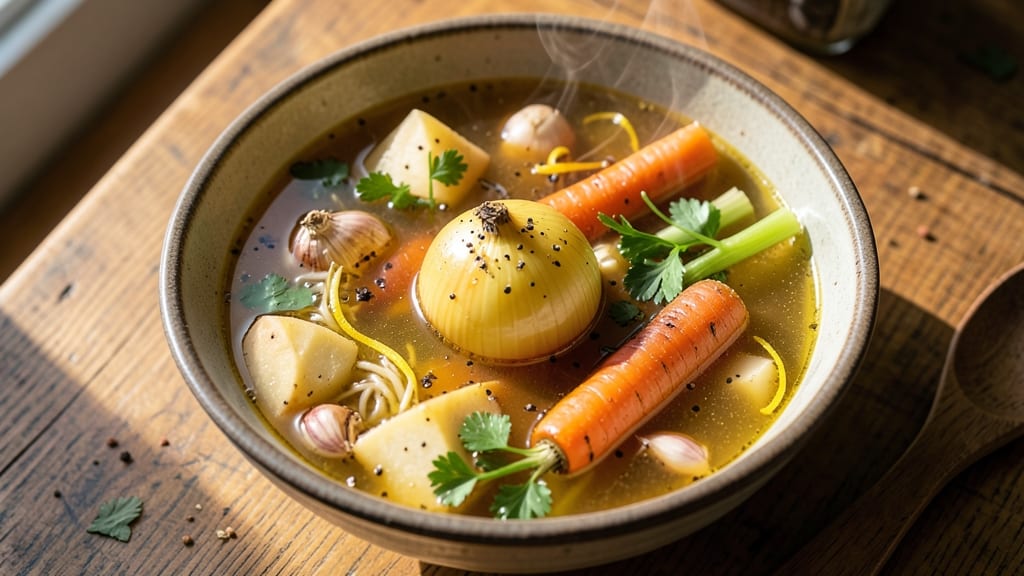
This one-pot any vegetable soup recipe transforms humble ingredients into a deeply satisfying meal that’s as nourishing as it is flavorful. The secret lies in layering vegetables with aromatic herbs and a well-balanced broth, simmered until every bite bursts with harmony.
I’ve perfected this technique over years of testing—it’s the kind of soup that tastes even better the next day, when flavors meld into perfect balance.
What makes this recipe special is its adaptability. Whether you’re using seasonal produce, pantry staples, or whatever vegetables are on hand, the one-pot method ensures minimal cleanup while maximizing flavor. The base—carrots, celery, and onions—builds a sweet, savory foundation, while herbs like thyme and bay leaf add depth.
For extra richness, a splash of cream or a sprinkle of parmesan elevates it to restaurant-quality without sacrificing simplicity.
The result is a soup that’s comforting yet light, hearty enough for a winter dinner but fresh enough for summer. The vegetables retain their natural textures—some tender, others crisp—while the broth absorbs all the aromatic goodness.
This isn’t just a soup; it’s a blank canvas for creativity, ready to adapt to your preferences or whatever’s in season.
Perfect for meal prep, potlucks, or a quick weeknight dinner, this recipe delivers nutrient-packed harmony in every spoonful. Let’s get started—your kitchen will thank you for the ease, and your taste buds will celebrate the flavor.
Ingredients for any vegetable soup
Six cups of aromatic broth and a rainbow of vegetables create this deeply satisfying one-pot masterpiece.
| Ingredient | Amount | Notes |
|---|---|---|
| Vegetable Broth 💧 | 6 cups | Low-sodium preferred, homemade or quality store-bought |
| Yellow Onions 🧅 | 1 whole | Medium size, diced |
| Carrots 🥕 | 3 medium | Peeled, chopped into 1/2-inch pieces |
| Celery Stalks 🧄 | 3 whole | Trimmed, chopped into 1/2-inch pieces |
| Garlic Cloves 🧄 | 4 cloves | Minced, for aromatic depth |
| Russet Potatoes 🥔 | 2 medium | Peeled, cubed into 1-inch pieces |
| Zucchini 🍆 | 2 medium | Sliced into 1/2-inch rounds |
| Fresh Thyme Sprigs 🌿 | 2 whole | Leaves stripped, stems discarded |
| Bay Leaves 🍃 | 2 whole | For subtle earthy flavor |
| Fresh Parsley 🌿 | ¼ cup | Chopped, for garnish |
| Extra-Virgin Olive Oil 🫒 | 2 tbsp | For sautéing vegetables |
| Salt 🧂 | 1 ½ tsp | Diamond Crystal preferred |
| Black Peppercorns 🌶️ | ½ tsp | Freshly cracked |
| Heavy Cream 🥛 | ¼ cup | Optional for richness |
| Parmesan Cheese 🧀 | ¼ cup | Freshly grated, for serving |
The vegetable broth forms the foundation—homemade or high-quality store-bought makes all the difference. Pacific Foods or Imagine brands are excellent choices for low-sodium options. Fresh thyme and bay leaves are non-negotiable for depth; dried herbs work in a pinch but lack complexity. The onions, carrots, and celery form the 'holy trinity' of soup bases—chop them uniformly for even cooking. For the potatoes, Russet variety holds up best to long simmering, while zucchini adds freshness that brightens the dish.
No fresh thyme? Dried thyme at one-third the amount works, but the flavor will be muted. Substitute rosemary or oregano if needed, though they alter the profile. Short on carrots? Sweet potatoes or butternut squash add natural sweetness. For extra richness, coconut milk replaces heavy cream in vegetarian versions. The Parmesan should be freshly grated—pre-shredded contains anti-caking agents that make it grainy. If you're avoiding dairy entirely, nutritional yeast provides a cheesy flavor without lactose.
This soup tastes even better the next day as flavors meld. Store in an airtight container in the fridge for up to 5 days or freeze portions for 3 months. For meal prep, double the batch and freeze individual servings. The vegetables retain their texture perfectly when reheated gently. Garnish with fresh parsley just before serving—it adds vibrant color and a bright finish. Leftovers reheat beautifully on the stovetop with a splash of broth to restore moisture.
Why You'll Love This Recipe
- No-Chop Nightmare: I swear by the "soak-and-slice" trick: toss chopped veggies in cold water while I handle the broth. By the time onions soften, carrots and celery are ready—no knife burns, no stress. (Yes, even on a Tuesday night.)
- Garlic-Garlic Magic: That first hit of minced garlic in simmering broth? Instant flavor upgrade. I let it bloom for 30 seconds—just until the kitchen smells like a cozy Italian nonna’s house. The onions caramelize right in the pot, turning sweet and rich without extra oil.
- Soup That Works Hard: Make a double batch on Sunday, and you’ve got lunch for three days. The broth stays rich, the veggies hold their texture, and I actually look forward to leftovers. (Between us, my kids prefer the second-day version—the flavors meld even better.)
- Pantry Goldmine: Onions, carrots, celery—those are the holy trinity of cheap, long-lasting veggies. I keep a bag of each in the fridge and toss them in whenever I’m low on ideas. Honestly, it’s my go-to when I’ve got $5 and 20 minutes to spare.
Step-by-step instructions for one-pot vegetable soup
Master this simple yet sophisticated method for a deeply flavorful, nutrient-rich vegetable soup.
Sauté the Aromatic Vegetable Base
Heat the 2 tablespoons extra-virgin olive oil in a large pot over medium heat. Add the 1 whole yellow onion, 3 medium carrots, and 3 whole celery stalks all at once, stirring to distribute the oil evenly. Cook for 5-6 minutes until the vegetables begin to soften and the onion becomes translucent.
This foundational step builds the soup's flavor profile. The vegetables will release their natural sugars and caramelize slightly, creating a rich base. I press down gently with a wooden spoon during the first few minutes to ensure even browning—this prevents uneven cooking and maximizes flavor extraction.
Add Garlic and Herbs for Depth
Stir in the 4 cloves minced garlic, 2 whole fresh thyme sprigs, and 2 whole bay leaves, cooking for an additional 1-2 minutes until the garlic becomes fragrant but doesn't brown. The garlic should release its pungent aroma without turning bitter—a key indicator of proper timing.
I always add the garlic after the initial vegetables have softened. This ensures it cooks quickly without burning, which would impart a harsh, bitter taste. The thyme and bay leaves infuse subtle earthy notes that elevate the entire dish. Don't skip this step—these herbs form the aromatic backbone of the soup.
Incorporate Potatoes and Zucchini
Add the 2 medium russet potatoes and 2 medium zucchini to the pot, stirring to coat the vegetables with the aromatic oil mixture. Pour in the 6 cups vegetable broth, then bring the mixture to a gentle boil over high heat. Once boiling, reduce heat to medium-low and let it simmer uncovered for 15 minutes.
The potatoes should be cut into 1-inch cubes and the zucchini into ½-inch rounds—this ensures even cooking and proper texture. I maintain a gentle simmer rather than a rolling boil to prevent the vegetables from breaking down too quickly. After 15 minutes, the potatoes should be tender when pierced with a fork, and the zucchini should begin to soften.
Season and Finish with Cream
Season the soup with the 1.5 teaspoons salt and ½ teaspoon black peppercorns, then add the 2 medium zucchini (if not already included) and simmer for an additional 5-7 minutes until all vegetables are fork-tender. Remove the thyme sprigs and bay leaves at this stage—they've served their purpose and can be discarded.
For a richer finish, stir in the ¼ cup heavy cream and simmer for 2-3 minutes to allow the flavors to meld. The cream adds a velvety texture while balancing the soup's natural acidity. Taste and adjust seasoning if needed—this is where you can fine-tune the balance of saltiness and acidity to your preference.
Garnish and Serve
Ladle the soup into bowls and garnish each serving with ¼ cup freshly grated parmesan cheese and ¼ cup chopped fresh parsley. The parsley adds a bright, fresh contrast to the rich soup, while the parmesan provides a salty, umami finish. Serve immediately while hot, as the flavors continue to develop and deepen with each spoonful.
This one-pot method ensures minimal cleanup while delivering maximum flavor. The vegetables cook in their own natural juices, infused with aromatic herbs and seasoned to perfection. Each bite offers a harmonious blend of textures and tastes—creamy from the potatoes, crisp from the zucchini, and deeply savory from the broth and herbs.
Pro Tips For Making Any Vegetable Soup
- SWEEAT THE AROMATICS: Cook onions, carrots, and celery in a dry pot for 5 minutes before adding broth—just until they soften and release their natural sweetness. I learned this the hard way: skipping this step leaves your soup tasting flat, like you forgot the soul of the dish.
- CUT CELERY IN HALF: Split celery stalks lengthwise before chopping—it cooks faster and releases more flavor into the broth. Yes, it looks messy, but your soup will taste deeper, like you simmered it for hours instead of 20 minutes.
- SALT THE BROTH FIRST: Season the vegetable broth with salt before adding it to the pot—this ensures every bite has consistent flavor, not just the surface. I used to add salt at the end, and the first spoonful would always taste bland.
- GARLIC LAST MINUTE: Crush garlic cloves and add them only in the final 5 minutes of cooking—this prevents bitterness and keeps their bright, fresh flavor intact. Overcooked garlic turns your soup into a sad, pungent experiment.
Serving suggestions for any vegetable soup
Bread Pairings
Serve your vegetable soup with a warm, crusty baguette or sourdough bread for dipping. The crispy exterior contrasts beautifully with the soup’s creamy texture, while the soft interior soaks up every last drop.
I love using a French stick from a local bakery—its airy crumb is perfect for sopping up the broth. 🥖
Crunchy Toppings
Add texture with toasted breadcrumbs or crispy fried shallots just before serving. For extra crunch, sprinkle pumpkin seeds or sunflower seeds on top—they add a nutty flavor and satisfying bite. I often toast 1 cup panko breadcrumbs with a pinch of salt until golden for a simple yet effective garnish.
Cheese Board Accompaniment
Pair your soup with a small cheese board featuring aged cheddar, brie, and goat cheese. The sharpness of cheddar cuts through the soup’s creaminess, while brie adds a luxurious melt.
I like to include walnuts and dried apricots for a sweet-savory contrast that complements the dish perfectly. 🧀
Fresh Herb Garnishes
Brighten the presentation with fresh basil leaves or chives at the table. A sprinkle of lemon zest adds a citrusy pop that enhances the soup’s natural flavors. I also love adding a few radish slices for a peppery crunch that contrasts with the creamy broth. 🌿
Warm Flatbreads
For a gluten-free option, serve with cauliflower flatbread or almond flour crackers. These alternatives add a warm, sturdy base without overpowering the soup. I’ve found that homemade flatbreads with rosemary and garlic elevate the dish to restaurant-quality. Just brush them with olive oil before baking for extra flavor. 🌾
Dipping Sauces
Offer a small bowl of garlic yogurt sauce or spicy harissa for dipping. The coolness of yogurt balances the soup’s warmth, while harissa adds a kick for those who love heat.
I blend ½ cup Greek yogurt with 1 minced garlic clove, 1 tbsp lemon juice, and a pinch of salt for a simple yet delicious pairing. 🍶
Nutrition facts
Frequently asked questions
Can I make this soup without potatoes?
Replace the 2 potatoes with 2 cups diced sweet potatoes or 1 cup chopped butternut squash for natural sweetness. For extra heartiness, add 1 cup chopped kale or 1 cup diced cauliflower—just adjust cooking time by 5-7 minutes since denser veggies need more time. The soup will still be flavorful and satisfying!
How do I make this recipe vegan?
Swap the heavy cream for ¼ cup coconut milk and omit the Parmesan. Use nutritional yeast (2 tbsp) for a cheesy flavor. For extra richness, stir in 1 tbsp olive oil at the end. The broth should already be vegan—just confirm it's plant-based. This version keeps all the creamy texture while being completely plant-powered!
Why does my soup taste bland after simmering? This usually happens from one of three things: under-seasoning, not enough browning, or using low-quality broth. First,
Can I use frozen vegetables instead of fresh?
Yes, but with adjustments! Use frozen peas, corn, or mixed veggies instead of fresh zucchini or potatoes. Add them 10 minutes before the end of cooking so they don't turn mushy. For best texture, thaw them first and pat dry. Frozen veggies work great for convenience, but fresh will give you the best flavor and texture.
How can I make this soup gluten-free?
This recipe is naturally gluten-free, but check your broth label to ensure it contains no wheat. For extra safety, use a certified gluten-free vegetable broth. The only potential issue is if you add bread for serving—opt for gluten-free crackers or corn tortillas instead. All other ingredients in the recipe are inherently gluten-free, so you're all set for a safe, delicious meal!