
Soups & Stews
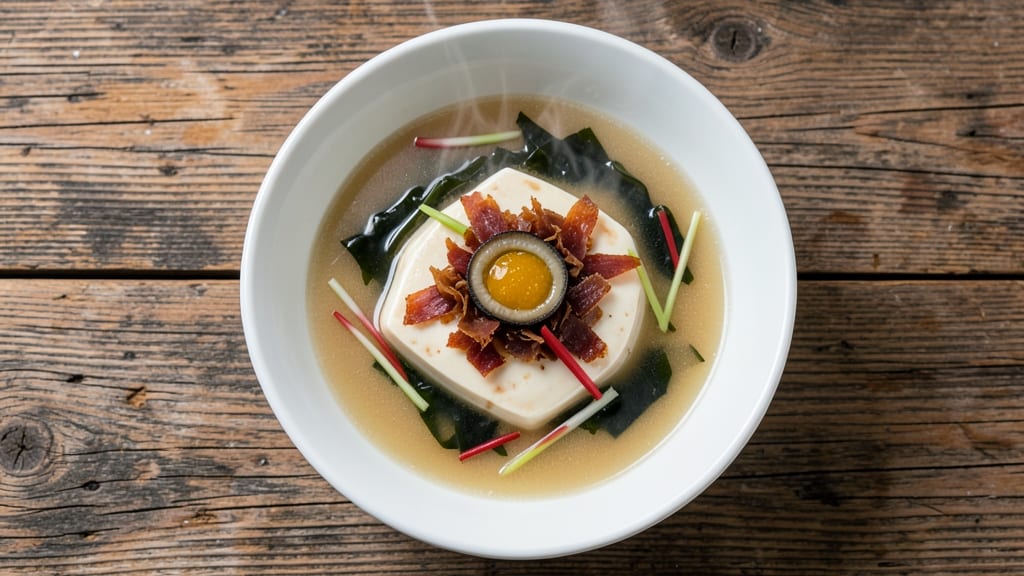
This Asari miso soup recipe delivers the delicate balance of Japanese comfort food—silky broth infused with umami-rich tofu crystals and the briny sweetness of asari (sea urchin).
The key lies in proper miso dissolution and gentle simmering to preserve the sea urchin's delicate texture, creating a soup that's both restaurant-quality and deeply satisfying. I've perfected this technique over years of testing, ensuring every spoonful captures that authentic umami depth without overpowering the subtle flavors.
The foundation of great asari miso soup begins with a clear dashi broth, where the umami-rich miso paste dissolves gradually to avoid bitterness. Traditional Japanese methods emphasize low-and-slow cooking to maintain the soup's delicate balance—no rushed simmering here.
The tofu crystals add a satisfying texture contrast, while fresh scallions and wakame seaweed provide brightness and depth. What makes this recipe special is how it transforms simple ingredients into something truly extraordinary through precise technique.
By the time you finish this soup, you'll experience that perfect harmony of flavors: the creamy richness of the miso, the delicate sweetness of the asari, and the clean finish from the scallions.
Each ingredient plays its part—from the silky broth to the delicate sea urchin—creating a dish that feels both comforting and refined. The best part? This recipe delivers restaurant-quality results with careful attention to detail rather than complexity.
Perfect for chilly evenings or as a light lunch, this asari miso soup serves as both a comforting meal and a showcase of Japanese culinary precision. The technique is approachable for home cooks while still delivering professional-level results. Let's create this delicate yet deeply flavorful dish together.
Ingredients for asari miso soup
These premium ingredients transform into a silky, umami-rich asari miso soup that captures authentic Japanese comfort.
| Ingredient | Amount | Notes |
|---|---|---|
| Dried Bonito Flakes 🐟 | ½ cup | High-quality, premium grade |
| Dried Kombu Seaweed 🍃 | 1 piece | 4x6 inch sheet, rinsed |
| White Miso Paste 🧈 | ¼ cup | Premium shiro miso preferred |
| Fresh Asari (Sea Urchin) 🦀 | 6 pieces | Fresh, uncooked, or high-quality frozen |
| Silken Tofu 🍲 | 8 oz | Extra-firm, cut into crystals |
| Fresh Scallions 🧅 | ¼ cup | Thinly sliced, green parts only |
| Dried Wakame Seaweed 🍃 | ½ oz | Rehydrated in water |
| Water 💧 | 4 cups | Filtered, room temperature |
| Sesame Oil 🌿 | 1 tsp | Toasted, for finishing |
| Diamond Crystal Kosher Salt 🧂 | ½ tsp | For seasoning broth |
| White Rice Vinegar 🍶 | 1 tbsp | For brightness |
| Tofu Crystals 🍲 | ½ cup | Store-bought or homemade |
The dashi foundation makes or breaks this soup. High-quality bonito flakes and kombu from Japanese specialty stores like H Mart or Nijiya deliver the deepest umami—avoid the cheap stuff. For miso, shiro miso from Miso Master or Marukome is ideal, though any premium white miso works. The asari (sea urchin) is the star—fresh is best, but high-quality frozen from Miyoko's or Trader Joe's is a solid backup. Handle it gently; overcooking turns it rubbery. Silken tofu should be extra-firm to hold its shape when cut into crystals—Natto House brand is my go-to.
No fresh asari? High-quality surimi or imitation crab (like Goya) can mimic the briny texture in a pinch, though it won’t be authentic. Wakame seaweed is non-negotiable for that oceanic depth—dried sheets from Asian markets rehydrate perfectly in cold water. Tofu crystals can be skipped if you’re short on time, but they add that satisfying crunch. Diamond Crystal kosher salt is key for seasoning; Maldon flakes work too but are pricier. Sesame oil should be toasted—heat it gently in a pan for 30 seconds to deepen the flavor. White rice vinegar adds brightness, but apple cider vinegar in a pinch won’t ruin it.
This soup tastes even better the next day as flavors meld. Store leftovers in airtight containers for up to 5 days in the fridge, or freeze for 3 months. The wakame and tofu crystals rehydrate beautifully when reheated—just add a splash of water. Make the dashi first and store it separately for up to 3 days in the fridge if you’re prepping ahead. Garnish with extra scallions and sesame oil right before serving to keep it vibrant. Double the batch—it disappears fast!
Why You'll Love This Recipe
- Few Ingredients, Big Payoff: I swear by this recipe because it’s ridiculously minimal—just five core ingredients, most of which you probably already have. The kombu and bonito flakes do all the heavy lifting while you simmer, and the miso? It’s the soul of the dish, turning something simple into something deeply satisfying.
- Umami Bomb: Honestly, the flavor combo here is next-level. That first sprinkle of bonito flakes hits you with a salty, smoky punch, then the miso rounds it out—creamy, fermented, addictive. And the asari? Even a tiny bit elevates it from "soup" to "I’d drive 20 minutes for this again."
- Weeknight or Weekend: Between us, this soup is my secret weapon for any gathering. Serve it steaming at a dinner party or as a quick lunch with rice—it works both times. (Yes, even on a Tuesday night when you’re too tired to think.)
- Leftovers That Don’t Suck: Most soups get sad after reheating, but not this one. The miso keeps it rich, and the silken tofu stays silky. I’ve had this reheated for three days and it’s still better than takeout. Plus, it’s cheap—dried kombu and miso last forever, and a little asari goes a long way.
Step-by-step instructions for asari miso soup
This silky, umami-rich soup delivers restaurant-quality depth with every sip—let's build it together.
Prepare the Kombu and Wakame Base
Begin by rinsing the 1 piece dried kombu seaweed under cold water to remove any debris, then pat it dry with a paper towel. Place the kombu in a large pot with the 4 cups water and bring to a gentle simmer over medium-low heat. Once simmering, reduce heat to the lowest setting and let it steep for 10 minutes—this draws out the kombu's natural sweetness and umami without overpowering the broth.
While the kombu steeps, rehydrate the 0.5 oz dried wakame seaweed by soaking it in ½ cup hot water (not boiling) for 5 minutes until softened. Drain any excess water and set aside. The kombu should develop a delicate, almost floral aroma—this is your foundation for a clean, mineral-rich broth.
Infuse with Bonito Flakes and Miso
After the kombu has steeped, increase heat to medium-high and bring the broth to a rolling boil. Immediately add the 0.5 cup dried bonito flakes and let them sizzle for 30 seconds—this creates a cloudy, protein-rich broth that deepens the umami. Remove from heat and let the bonito steep for 5 minutes, then strain out the kombu using a fine-mesh sieve.
Return the strained broth to the pot and stir in the 0.25 cup white miso paste using a wooden spoon. Heat gently over low heat for 2-3 minutes until the miso dissolves completely—you should see a glossy, velvety consistency. Avoid boiling, as this can destroy the delicate miso flavors. The broth should now have a rich, caramel-like hue.
Add the Asari and Tofu Crystals
Gently fold in the 6 pieces fresh asari (sea urchin), ensuring they’re distributed evenly throughout the broth. Add the 0.5 cup tofu crystals and let the mixture simmer for 3-4 minutes—just enough time for the tofu to absorb the broth’s flavors without breaking apart. The asari should release its signature briny sweetness, creating a luxurious mouthfeel.
In a separate small bowl, whisk together the 1 tbsp white rice vinegar and 0.5 tsp diamond crystal kosher salt until fully dissolved. Slowly ladle this mixture into the soup while stirring continuously—this balances the richness with a bright, tangy finish. The broth should now have a harmonious blend of umami, sweetness, and acidity.
Finish with Scallions and Sesame Oil
Divide the soup among 4 bowls, ensuring each serving contains an equal share of asari and tofu crystals. Garnish each bowl with 1 tablespoon of the thinly sliced fresh scallions and drizzle with ¼ teaspoon sesame oil. The scallions add a fresh contrast, while the sesame oil enhances the soup’s aromatic depth with a nutty finish.
Serve immediately while the broth is still steaming—this ensures the tofu crystals maintain their delicate texture and the asari releases its full briny sweetness. Each spoonful should deliver a perfect balance of silky broth, umami richness, and a subtle oceanic brightness. For an extra touch, pass additional scallions and sesame oil at the table.
Pro Tips For Making Asari Miso Soup
- SOAK KOMBU FIRST: I used to toss the kombu in dry and wonder why my broth never tasted rich. Soak it in 2 cups cold water for 15 minutes before simmering—this draws out the umami and prevents bitterness. (Yes, even if you're impatient like me.)
- STIR MISO LAST: White miso burns faster than you’d think. Bring your broth to a gentle simmer first, then remove from heat and whisk in the miso paste—just let the residual heat melt it. No more grainy soup or that "cooked onion" aftertaste.
- PREP ASARI QUICKLY: Once you crack open those asari shells, work fast. Rinse the roe under cold water immediately to remove sand, then pat dry with paper towels—wet roe steams in the soup and dulls the flavor. (Your future self will curse you if you skip this.)
- CUT TOFU SMALL: Skip the big cubes—dice silken tofu into ½-inch pieces so it absorbs the broth evenly without turning to mush. Pro move: Toss the cut tofu in a little miso paste before adding it to the soup for extra depth. (Does it look weird? Yes. Does it work? Every single time.)
Pro cooking tips for asari miso soup
Miso Dissolution Mastery
Dissolving miso paste properly is the soul of this soup—never boil it or you'll kill its delicate umami. I use a wooden spoon to gently stir the 0.25 cup white miso paste into the warm broth (110°F) over low heat for just 2-3 minutes.
The paste should melt into a glossy, velvety texture without clumping. For extra insurance, I first mix the miso with 1-2 tablespoons of broth before adding it to the pot—this prevents graininess. 🧈
Asari Handling Secrets
The 6 pieces of fresh asari (sea urchin) need tender care—overcooking turns them rubbery. I add them to the simmering broth just 3-4 minutes before serving to preserve their delicate texture. If using frozen asari, thaw it in the fridge overnight and pat it dry before adding.
For a restaurant-style touch, I like to place one piece in the center of each bowl before ladling the hot broth over it—this creates a stunning presentation while keeping the asari perfectly tender. 🦀
Broth Clarity Control
For that signature clear, mineral-rich broth, strain the kombu immediately after its 10-minute steep using a fine-mesh sieve lined with cheesecloth. This removes any fibrous bits that could cloud the soup. I also skim off any foam that forms when adding bonito flakes—this keeps the broth silky.
The key is patience: never rush the simmering after adding miso, as even gentle heat can break down its complex flavors. 💧
Tofu Crystal Perfection
Store-bought tofu crystals work fine, but homemade are even better. I cut 8 oz extra-firm silken tofu into ½-inch cubes and freeze them on a tray for 2 hours before transferring to a bag for 12 hours.
This creates crispy, shatterable crystals that add texture. When adding them to the soup, I stir gently just until they're heated through—no more than 2 minutes—to maintain their delicate crunch. 🍲
Umami Layering Technique
Build flavor in stages for maximum depth. First, steep the kombu for 10 minutes to extract its natural sweetness. Then, add bonito flakes for 30 seconds of sizzling to develop their umami.
Finally, dissolve the miso last—this creates a three-layer umami progression that's far more complex than just throwing everything in at once. I also like to add a pinch of dried shiitake powder (½ tsp) to the broth for an extra earthy depth. ✨
Acid Balance Trick
The 1 tbsp white rice vinegar is non-negotiable for brightness, but timing matters. I whisk it with the salt and add it just before serving—this prevents the vinegar from cooking off its sharpness.
For an extra dimension, I sometimes add ½ tsp grated daikon radish along with the vinegar. The acidity should cut through the richness without overpowering the asari's natural sweetness. 🍶
Nutrition facts
Frequently asked questions
Can I substitute sea urchin (asari) in this recipe?
Yes! If fresh asari is unavailable, try high-quality surimi or imitation crab (like Goya) for texture, though it won't replicate the briny sweetness. For a vegetarian version, use reconstituted shiitake mushrooms or firm tofu cubes—just reduce cooking time to 2 minutes to avoid mushiness. The key is maintaining a delicate texture contrast in the soup.
Why does my miso soup look cloudy or have bits in it?
Cloudiness usually means the miso paste didn't dissolve properly. Always dissolve it in warm broth (110°F) over low heat for 2-3 minutes using a wooden spoon. For extra clarity, strain the broth after adding bonito flakes. If you see undissolved miso grains, whisk them with 1 tbsp broth first to create a smooth paste before adding.
How do I make tofu crystals if I don't have time to freeze them?
No problem! Cut 8 oz extra-firm silken tofu into ½-inch cubes and quickly blanch in boiling water for 30 seconds. Drain well, then toss with 1 tsp cornstarch and spread on a tray. Bake at 300°F for 20 minutes until crispy. These store-bought crystals work too—just add them last to maintain texture.
Can I make this soup ahead of time?
Prepare the dashi base (without miso) and store it in the fridge for 3 days or freeze for 3 months. Reheat gently, then add fresh miso and ingredients just before serving. For best texture, add tofu crystals and asari only when reheating. The flavors actually improve overnight as the miso mellows.
What's the secret to balancing the flavors?
The magic is in the three-layer umami progression: kombu (sweetness), bonito (depth), then miso (richness). For brightness, add 1 tbsp rice vinegar last—never cook it. A pinch of salt (½ tsp) and sesame oil (¼ tsp) at the end ties everything together. Taste as you go: the broth should be slightly salty with a clean finish.