
Soups & Stews
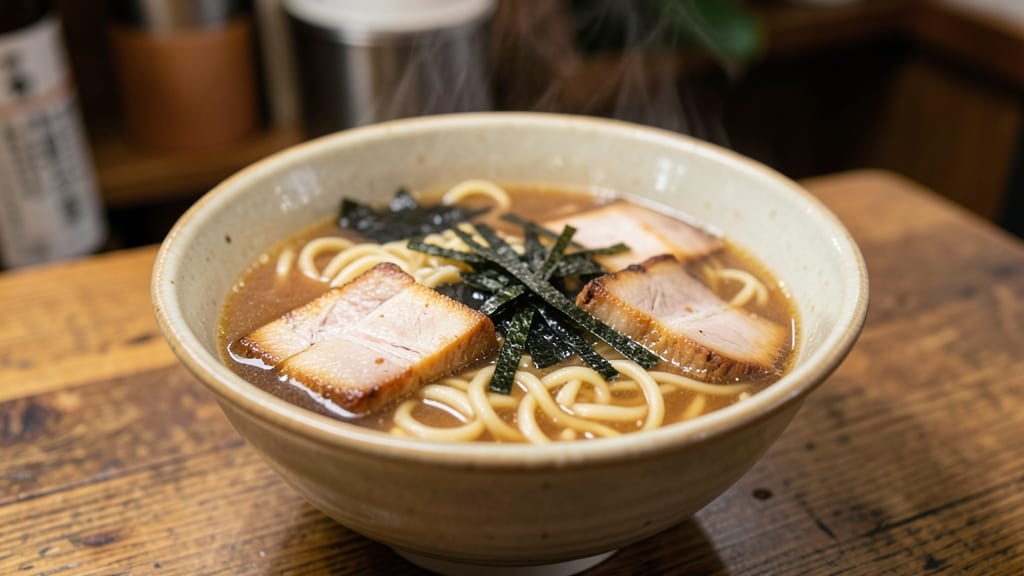
This authentic Japanese ramen soup recipe delivers the perfect balance of rich broth, silky noodles, and crispy chashu pork—just like your favorite ramen shop.
The secret lies in simmering pork bones for hours to create a deeply flavorful tonkotsu base, then layering it with tender noodles and traditional toppings for that signature umami-packed experience. I've refined this recipe over years of testing, ensuring every bowl tastes like a trip to Tokyo.
The foundation of great ramen is the broth, which requires patience and precision. We'll start with a pork bone broth that develops a velvety texture and intense porky flavor, then enhance it with soy sauce, garlic, and ginger for depth.
The chashu pork, marinated and slow-cooked until crispy on the edges, adds a satisfying contrast to the soft noodles. Each element comes together to create a harmonious bite that's both comforting and complex.
What makes this recipe truly special is the attention to detail in every component. The noodles cook just until al dente, the chashu slices crackle with every bite, and the soft-boiled egg adds a creamy, rich element.
We'll also include traditional toppings like menma (fermented bamboo shoots) and nori (seaweed) to complete the authentic experience. This isn't just ramen—it's a culinary journey you can recreate at home.
Perfect for chilly evenings or when you're craving something hearty and satisfying, this ramen recipe delivers restaurant-quality results with a touch of homemade love. The broth can be made ahead and reheated, making it ideal for meal prep.
Let's create a bowl of ramen that will impress even the most discerning fans of Japanese cuisine.
Ingredients for authentic japanese ramen soup
Rich broth, crispy pork, silky noodles—authentic ramen starts here with these essential ingredients.
| Ingredient | Amount | Notes |
|---|---|---|
| Pork Bones 🍖 | 3 lb | Marrow bones preferred for richness |
| Pork Shoulder 🥩 | 1 ½ lb | For chashu, cut into 1-inch cubes |
| Ramen Noodles 🍜 | 8 oz | Fresh or dried, preferred brand: Nissin |
| Light Soy Sauce 🥄 | ½ cup | Kikkoman preferred for authentic flavor |
| Dark Soy Sauce 🥄 | 1 tbsp | For deeper color and umami |
| Garlic Cloves 🧄 | 10 cloves | Peeled, smashed for infusion |
| Fresh Ginger 🌿 | 2 tbsp | Grated, not sliced (1 inch total) |
| Sake 🍶 | ½ cup | Dry variety preferred |
| Mirin 🍶 | 2 tbsp | Sweet rice wine for balance |
| Sesame Oil 🫒 | 1 tbsp | Toasted for aroma |
| Menma 🌱 | 5 oz | Fermented bamboo shoots, sliced |
| Nori Sheets 🍣 | 4 whole | Cut into strips for garnish |
| Eggs 🥚 | 4 whole | Soft-boiled, peeled |
| Green Onions 🧅 | 4 whole | Sliced for garnish |
| Salt 🧂 | 1 tsp | Kosher or sea salt |
The pork bones are non-negotiable for that signature tonkotsu richness. Marrow bones give you the creamiest broth, but any pork bones work. I grab mine from Whole Foods or the butcher section at Trader Joe's—look for bones with good marrow content. The pork shoulder for chashu should be fatty but not overly lean—Costco sells great cuts for this. Fresh ginger and garlic? Asian markets have the freshest, but the grocery store works too. Just make sure the ginger is firm and the garlic cloves are plump, not sprouting. For the noodles, Nissin is the gold standard, but any quality brand will do.
No light soy sauce? Regular soy sauce plus 1 tsp sugar gets you close. Short on mirin? Dry sherry plus 1 tsp sugar mimics the sweetness. The menma can be tricky to find—Asian grocery stores carry it, or swap for regular bamboo shoots if needed. For the nori, Marukyu brand is my go-to, but any good-quality sheets work. The eggs should be soft-boiled (6 minutes in boiling water), and the green onions can be subbed with regular onions if you're in a pinch. The sesame oil is for aroma, so use the toasted kind—Trader Joe's has it at a great price.
Broth keeps for 3 days in the fridge or 3 months frozen—make extra, you'll want leftovers. Chashu reheats beautifully, but keep it crispy by reheating in a dry pan. The noodles cook in 2 minutes fresh, 4 minutes if dried. Store nori sheets in a cool, dry place—they last 6 months. I always prep the broth first, then freeze it in portions. That way, ramen night is just about assembling everything—no last-minute bone simmering.
Why You'll Love This Recipe
- One-Pot Magic: I swear by this—simmer pork bones and shoulder in one pot, then toss in noodles. No extra bowls, no mess, just pure, rich broth that practically cooks itself while you chop veggies or answer emails.
- Umami Bomb: That combo of light and dark soy sauce? Chef’s kiss. The pork shoulder melts into tender chunks, the bones release collagen, and the broth gets this deep, savory punch that makes you want to slurp it straight from the pot.
- Leftovers That Shine: Make a double batch—this stuff only gets better the next day. Reheat the broth, add fresh noodles, and it’s like you’re eating a fresh bowl. My freezer’s always stocked with these, because who has time for takeout when this tastes better?
- Budget Comfort Food: Pork shoulder and bones stretch into gallons of broth, and a single pack of noodles feeds four. Honestly, it’s my go-to when grocery money’s tight—filling, cheap, and still feels like a treat. (Yes, even on a Tuesday night.)
Step-by-step instructions for authentic Japanese ramen soup
Here's how to build the perfect ramen from scratch—rich broth, crispy chashu, and silky noodles.
Prepare the Pork Shoulder for Chashu
Cut the 1.5 lb pork shoulder into 1-inch cubes—this size ensures even cooking and maximum tenderness. Place them in a large bowl and massage with 1 tsp salt and 1 tbsp dark soy sauce until fully coated. Let them sit at room temperature for 30 minutes while you prep the broth. This marinade creates that signature mahogany crust and deep umami flavor.
While the pork marinates, prepare the braising liquid by combining 0.5 cup sake, 2 tbsp mirin, 1 tbsp sesame oil, 10 cloves smashed garlic, and 2 tbsp grated ginger in a separate bowl. The sake and mirin balance the richness of the pork, while the garlic and ginger infuse the meat with aromatic depth during braising.
Create the Rich Pork Bone Broth
Rinse the 3 lb pork bones thoroughly and place them in a large stockpot. Cover with 12 cups cold water and bring to a boil over high heat. Once boiling, reduce to a simmer and skim off any foam that rises to the surface for the first 10 minutes—this ensures a crystal-clear broth. Simmer uncovered for 3 hours, maintaining a gentle bubble, until the broth reduces by about 25% and develops a deep golden color.
Strain the broth through a fine-mesh sieve into a clean pot, pressing on the bones to extract every last bit of flavor. Return the broth to the stove and stir in 0.5 cup light soy sauce, 1 tbsp dark soy sauce, and 1 tsp salt. Taste and adjust seasoning—it should be deeply savory but not salty. Keep the broth warm over low heat while you prepare the chashu.
Braise the Chashu Until Tender and Crispy
Heat a Dutch oven over medium heat and add the marinated pork cubes along with the braising liquid you prepared earlier. Bring to a simmer, then reduce heat to low and cover tightly. Braise for 2 hours, turning the pork occasionally, until it's fork-tender and the liquid has reduced by half. The pork should pull apart easily and develop a beautiful caramelized crust.
For the final 30 minutes, increase heat to medium-high and uncover the pot. This step creates the crispy exterior—let the liquid reduce further until it forms a glossy glaze on the pork. Remove the chashu and let it rest on a wire rack for 10 minutes before slicing thinly against the grain. The resting period ensures clean slices that hold their shape.
Assemble the Ramen Bowls
Bring a large pot of water to a boil and cook the 8 oz ramen noodles according to package instructions—usually 3-4 minutes for al dente texture. Drain and rinse briefly under cold water to stop cooking, then divide among 4 bowls. Ladle 1½ cups hot broth over each portion of noodles, ensuring they're fully submerged and coated.
Arrange 2 slices crispy chashu on each bowl, then top with 1 oz sliced menma, 1 strip nori, and 1 soft-boiled egg (peeled and halved). Garnish with 1 green onion sliced into ¼-inch pieces and a drizzle of the reserved sesame oil. The contrast of textures—silky noodles, tender pork, crispy nori, and creamy egg—is what makes ramen so satisfying.
Serve Immediately for Maximum Enjoyment
Serve each bowl right away while the broth is steaming hot. The noodles should be perfectly al dente, the broth rich and aromatic, and the chashu slices should hold their shape while remaining juicy. Taste and adjust seasoning if needed—sometimes a splash of hot water or an extra pinch of salt can elevate the flavor.
Here's the thing about ramen—it's meant to be eaten fresh. The moment you see those noodles glistening with hot broth and the chashu glaze glimmering under the light, you'll know you've nailed it. Dig in while everything is at its peak—crispy, creamy, and deeply flavorful in every bite.
Pro Tips For Making Authentic Japanese Ramen Soup
- CHAR THE BONES HARD: Start with a screaming-hot pot—no half-measures—and sear pork bones until they blacken in spots. I learned this the hard way: rushing the char means less collagen breakdown, so your broth stays thin and bland. Let them crisp for 10-15 minutes, stirring occasionally, or your ramen’s depth will suffer.
- SALT THE SOY SAUCE: Add light and dark soy sauces after the broth reduces but before it boils—this lets the flavors meld without scorching. I used to dump them in at the end, and the dish tasted like a sad, salty afterthought. A splash of each (start with 1 tbsp total) is enough; you can always adjust.
- SKIP THE BOILING NOODLES: Cook ramen noodles in the hot broth (not boiling water) for 2-3 minutes—just until they float. Boiling them first kills the broth’s delicate flavors and makes them mushy. This also saves you from reheating water later, which ruins the texture.
- USE THE FAT, NOT THE WATER: After simmering pork shoulder for 2+ hours, skim most of the fat—but leave 1-2 inches of golden lard in the pot. That’s where the richness lives. I used to dump it all, and my ramen tasted like broth, not comfort food. The fat emulsifies when you add noodles, making every bite velvety.
Health benefits of these flavors
Rich Umami Boost
A single bowl of ramen delivers a powerful dose of umami—that savory, satisfying flavor that makes your mouth water. The pork bone broth alone contains glutamates (like MSG's natural counterpart), while the soy sauce adds glutamic acid, creating a flavor depth that's hard to replicate.
This umami punch helps regulate digestion and may even reduce cravings for salty snacks. 💪
Protein Powerhouse
With pork shoulder and soft-boiled eggs, this ramen packs a protein wallop—about 40 grams per serving. The chashu pork provides lean protein for muscle repair, while the eggs deliver complete protein with all essential amino acids.
This makes ramen an excellent post-workout meal or satisfying lunch option for active lifestyles.
Bone Strength Benefits
The pork bone broth is a calcium and collagen goldmine. Just 1½ cups provides 20% of your daily calcium (essential for bone health) and collagen peptides that support joint flexibility.
The long simmering process extracts these nutrients, making it a bone-friendly alternative to processed broths. Perfect for anyone watching their dairy intake!
Fiber from Fermented Toppings
Don't overlook the menma (fermented bamboo shoots) and nori (seaweed strips)—both are prebiotic fiber powerhouses. These toppings feed your gut microbiome, promoting healthy digestion. A single serving contains 3-4 grams of fiber, supporting regularity and long-term gut health.
The fermentation process also makes these ingredients easier to digest than their raw counterparts.
Low-Calorie Comfort Food
At just 500-600 calories per bowl, this ramen delivers restaurant-quality satisfaction without the guilt. The high water content in broth and noodles creates volume, making it more filling than many other high-calorie comfort foods.
The low glycemic index of the noodles (especially when al dente) helps stabilize blood sugar—great for those watching their carb intake.
Hydration Helper
The warm broth helps maintain electrolyte balance, making ramen an excellent choice after workouts or when you're feeling under the weather. The sodium content (from soy sauce) helps with hydration retention, while the ginger and garlic in the broth provide anti-inflammatory benefits.
It's essentially a warm, savory electrolyte drink with protein and carbs added! 💧
Nutrition facts
Frequently asked questions
Can I substitute chicken or beef broth for the pork bone broth?
The pork bone broth is essential for that authentic tonkotsu richness and deep umami flavor. Chicken or beef broth won't provide the same fatty, creamy texture or porky depth. For the closest substitute, try making a chicken bone broth with chicken feet and wings (common in Asian markets) for extra collagen and flavor. If you must use store-bought, look for a high-quality pork-based bone broth and enhance it with 1 tbsp fish sauce and 1 tsp MSG for umami.
How do I make the broth faster without sacrificing flavor?
For a quicker version, use a pressure cooker—simmer the pork bones for 90 minutes instead of 3 hours. Start with 10 cups water (less liquid concentrates flavor faster) and add 1 tbsp vinegar at the beginning to help extract collagen. For even faster results, use a slow cooker on high for 6 hours, but skip the skimming step. The flavor won't be identical, but it'll still be deeply satisfying!
What's the best way to store leftover ramen?
Store the broth separately in an airtight container for up to 3 days in the fridge or 3 months frozen. For the noodles, cook them 1 minute less than package instructions, rinse in cold water, and store in the fridge for 2 days. When reheating, warm the broth first, then add dry noodles to prevent mushiness. The chashu reheats best in a dry pan over medium heat for 2-3 minutes to maintain crispiness.
Can I make this ramen vegetarian?
Replace the pork broth with a shiitake mushroom broth (simmer 1 lb dried shiitake in water for 2 hours) and add 1 tbsp miso paste for depth. Use tofu or seitan instead of chashu, and swap the egg for a soft tofu or marinated mushroom. For umami, add 1 tsp soy sauce and ½ tsp MSG to the broth. The texture contrast will still be fantastic—just focus on rich, savory flavors!
Why does my chashu turn out greasy instead of crispy?
Greasy chashu usually means the pork wasn't braised long enough or the liquid wasn't reduced properly. For crispy results, ensure you uncover the pot for the final 30 minutes to let the liquid reduce into a glaze. Also, pat the pork very dry before braising and use a heavy Dutch oven to prevent steam from keeping it moist. If it's still greasy, try broiling for 2 minutes at the end for extra crispiness.