
Soups & Stews
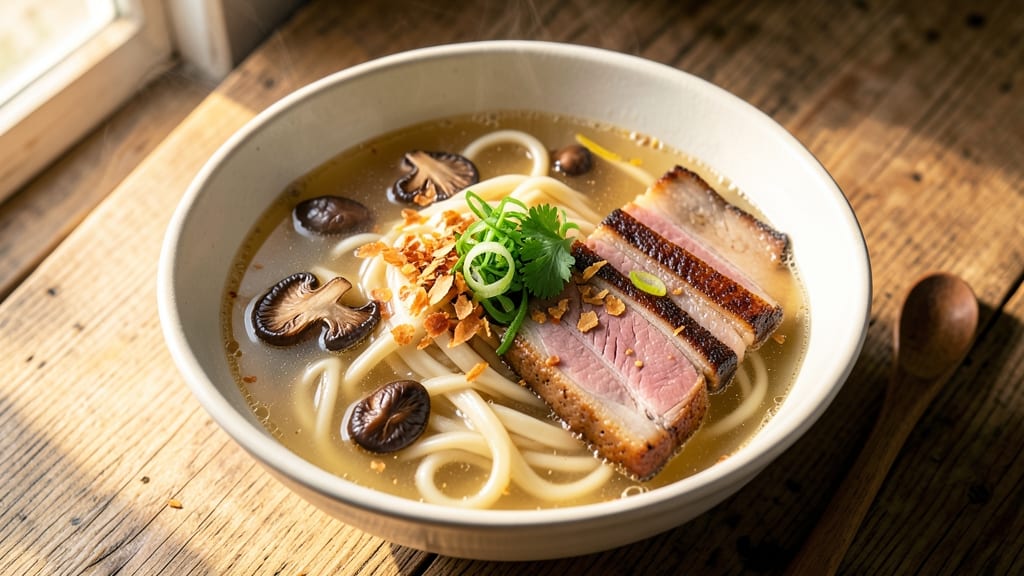
This authentic udon noodle soup recipe delivers the comforting, umami-rich flavors of Japan’s most beloved comfort food, where perfectly chewy noodles glide effortlessly through a deeply savory broth. 💛 The secret lies in the dashi base—simmered with kombu and bonito flakes—creating a foundation so flavorful it transforms simple ingredients into something extraordinary.
What sets this apart is the balance: tender udon noodles, silky broth, and carefully chosen toppings that elevate each bite without overpowering the delicate harmony.
Mastering udon requires patience, but the process is straightforward once you understand the key techniques: toasting the udon noodles briefly before cooking them ensures that signature slippery texture, while simmering the broth just until it reaches peak flavor—never boiling—preserves its depth.
The broth isn’t just seasoned; it’s built layer by layer, starting with the aromatic dashi and finishing with soy sauce, mirin, and a touch of sugar for that perfect umami-sweet balance.
What you’ll end up with is a bowl of udon that’s rich in tradition yet approachable for home cooks. The noodles maintain their signature chewiness, the broth is fragrant with layers of umami, and the toppings—tempura, green onions, and nori—add texture and visual appeal.
This isn’t just soup; it’s a culinary experience that transports you to a bustling Tokyo ramen shop, one slippery noodle at a time.
The beauty of this recipe lies in its adaptability. While the traditional version uses pork, you can easily swap in mushrooms or tofu for a vegetarian take, or add a dash of chili oil for heat.
The method stays true to its roots while allowing room for personal touches—because the best udon is the one that feels just right for you.
Ingredients for authentic udon noodle soup
Pantry staples meet Japanese tradition—these ingredients transform into slippery, umami-packed udon perfection.
| Ingredient | Amount | Notes |
|---|---|---|
| Dried Udon Noodles 🍜 | 8 oz | Thick wheat noodles, uncooked |
| Kombu Seaweed 🍃 | 1 piece | Dried, 8x10 inches |
| Bonito Flakes 🐟 | ½ cup | High-quality, dried |
| Dried Shiitake Mushrooms 🍄 | 4 whole | Rehydrated for broth |
| Pork Belly 🐖 | 1 lb | Thinly sliced, optional |
| Green Onions 🧅 | ¼ cup | Thinly sliced, white and green parts |
| Nori Sheets 🍣 | 4 sheets | Dried seaweed, cut into strips |
| Soy Sauce 🍶 | ½ cup | Japanese-style, preferably Koikuchi |
| Mirin 🍶 | ¼ cup | Sweet cooking rice wine |
| Sake 🍶 | ¼ cup | Dry, preferably junmai |
| White Sugar 🍚 | 1 tbsp | Adjust to taste |
| Sesame Oil 🌿 | 1 tbsp | For finishing, toasted |
| Neutral Oil 🫒 | 2 tbsp | For tempura batter |
| Tempura Flour 🍚 | ½ cup | Light, for crispy tempura |
| Ice Water ❄️ | ½ cup | For tempura batter |
The kombu and bonito flakes are non-negotiable for that authentic dashi flavor. Look for kombu at Asian markets—it should be dark, dry, and smell ocean-fresh. Bonito flakes? Marukome or Hekuran are top-tier choices, but any high-quality brand works. The dried shiitake mushrooms add depth, so don’t skip soaking them first. For the pork belly, ask your butcher to thinly slice it—it should be paper-thin for that melt-in-your-mouth texture. If you’re vegetarian, swap in extra mushrooms or tofu for protein.
No mirin? Substitute 2 tbsp sugar + 1 tbsp sake, but it won’t be the same. Running low on soy sauce? Tamari works too, just use half the amount. The tempura flour is key—Trader Joe’s or King Arthur brands are reliable. For the udon noodles, Maruchan or Nisshin are trusted brands, but any dried udon will do. Pro tip: Toast the noodles for 30 seconds in a dry pan before cooking to get that signature slippery texture. And if you’re feeling adventurous, add a dash of chili oil or sesame seeds for extra flavor.
Store dried kombu and bonito flakes in an airtight container for up to 6 months. The udon noodles keep indefinitely in a cool, dry place, but once cooked, they’re best eaten fresh. Leftover broth? Freeze it for up to 3 months—it’s perfect for next-day noodles or even ramen. Tempura batter should be used immediately, but you can prep the flour mix ahead. The nori sheets stay crisp in a sealed bag for weeks, so stock up if you’re making this often.
Why You'll Love This Recipe
- I swear by this trick: just boil the udon for the time on the package, no pre-soaking. The kombu and shiitake mushrooms soften in the broth while the noodles cook—zero extra steps, same chewy perfection.
- No-Soaking Needed: I swear by this trick: just boil the udon for the time on the package, no pre-soaking. The kombu and shiitake mushrooms soften in the broth while the noodles cook—zero extra steps, same chewy perfection.
- Umami Bomb: Between the bonito flakes (that smoky, salty dance) and the pork belly (rich, melt-in-your-mouth fat), this broth is ridiculously flavorful. Honestly, I’ve made it with cheaper cuts before, but the pork belly? That’s the secret weapon.
- Office Lunch Hero: Pack it in a thermos the night before—still warm, still delicious. The udon holds up better than you’d think, and the mushrooms add texture even cold. (Yes, I’ve survived on this for three straight workweeks.)
Step-by-step instructions for authentic udon noodle soup
Here's how to build a bowl of restaurant-quality udon with that signature silky broth and perfect texture.
🔥 Step 1: Build the Umami-Packed Broth
Start by rehydrating the 4 whole dried shiitake mushrooms in 4 cups hot water for 20 minutes. While they soak, toast the 0.5 cup bonito flakes in a dry skillet over medium heat for 1-2 minutes until fragrant—this unlocks their deep umami flavor. Set aside.
In a large pot, combine the rehydrated mushrooms (with their soaking liquid), 1 piece kombu seaweed, 0.5 cup soy sauce, 0.25 cup mirin, 0.25 cup sake, and 1 tbsp white sugar. Bring to a gentle simmer over medium-low heat and cook uncovered for 30 minutes, skimming any foam that rises to the surface. The kombu will infuse the broth with oceanic depth while the mushrooms add earthy richness.
🍳 Step 2: Prepare the Pork Belly and Tempura Toppings
While the broth simmers, slice the 1 lb pork belly into ¼-inch thick pieces. Heat 2 tbsp neutral oil in a separate pan over medium-high heat until shimmering, then cook the pork belly for 4-5 minutes per side until golden and slightly crispy. Transfer to a plate and set aside.
For the tempura topping, whisk together 0.5 cup tempura flour and 0.5 cup ice water in a bowl until smooth—this cold water creates a light, airy batter. Cut the 4 sheets nori into ½-inch wide strips and slice the 0.25 cup green onions into 1-inch lengths. Keep everything chilled until ready to use.
👨🍳 Step 3: Cook the Udon Noodles Perfectly
Bring a fresh pot of water to a rolling boil and add the 8 oz dried udon noodles. Cook for 4-5 minutes until they float to the surface—this means they're perfectly al dente. Drain immediately and rinse briefly under cold water to stop the cooking process. The noodles should be tender but still hold their shape when pressed between fingers.
Divide the cooked udon among four bowls, then ladle the hot broth evenly over each portion. The broth should cover the noodles completely, creating that signature "slippery" texture when you stir.
🥘 Step 4: Assemble and Finish with Crispy Toppings
Return the pork belly to the hot oil and cook for an additional 1 minute to reheat. Arrange a few pieces over each bowl of udon. Drizzle with 1 tbsp sesame oil and sprinkle with sliced green onions for freshness.
Here's where it gets fun—work quickly to create the tempura topping. Heat 1 tbsp neutral oil in a small skillet over medium-high heat until smoking. Working in batches, dip the nori strips into the tempura batter, letting excess drip off, then fry for 10-15 seconds until golden and crispy. Immediately transfer to paper towels to drain.
🍽️ Step 5: Serve with Perfect Presentation
Top each bowl with the crispy nori tempura, arranging it artistically on top of the pork belly. The contrast of silky noodles, rich broth, crispy pork, and delicate tempura creates the perfect balance of textures and temperatures. Serve immediately while everything is at its peak—udon tastes best piping hot with that first spoonful of broth.
Real talk: Don't skip the sesame oil drizzle—that's what ties all the flavors together. And if you're feeling fancy, add a few drops of toasted sesame oil right before serving for an extra layer of nutty aroma that'll make your kitchen smell amazing.
Pro Tips For Making Authentic Udon Noodle Soup
- SOAK KOMBU FIRST: Toss that kombu into cold water 10 minutes before boiling—it’ll release its umami punch without burning. I used to add it at the start and ended up with bitter broth. Cold water = gentle extraction.
- SLICE PORK BELLY THIN: Cut pork belly against the grain into ¼-inch slices—thin enough to cook fast, thick enough to stay tender. Thick chunks turn rubbery; I learned this after serving chewy slabs to skeptical friends.
- DON’T OVERCOOK SHIITAKES: Rehydrate dried shiitakes in hot water for 15 minutes max, then slice—any longer and they’ll turn to mush. I once left them soaking overnight (bad idea), and the texture was sad.
- USE BONITO LAST: Toss bonito flakes into the simmering broth just before serving—they dissolve fast and add aroma. Add them early, and you’ll end up with a fishy sediment at the bottom. Trust me, timing matters.
Essential equipment for perfect results
Broth Pot Essentials
Your 4-quart stainless steel pot is non-negotiable for even heat distribution—All-Clad or Cuisinart brands are my go-tos. The wide base prevents scorching when simmering the kombu and mushrooms. I’ve ruined broths in thin aluminum pots where hot spots develop. 🌡️
Add a fine-mesh skimmer (like the OXO Good Grips model) to remove kombu and foam without disturbing the broth’s delicate surface. A wooden spoon for stirring preserves the broth’s integrity—metal can react with the kombu’s minerals over time.
Noodle Prep Tools
A colander with large holes (like the Chicago Metallic strainer) prevents udon from sticking together when draining. I also keep a timer handy—udon cooks in 4-5 minutes but burns quickly if left unattended. 🏃♂️
For that signature slippery texture, toast the noodles in a nonstick skillet (I use GreenPan) for 30 seconds per side before cooking. This step is worth the extra pan—it transforms store-bought udon into restaurant-quality.
Tempura Setup
Tempura requires precision, so grab a deep-fry thermometer (like the Thermoworks model) to maintain 350°F oil temperature. A small skillet (8-inch) works best for frying nori strips—it heats oil faster than large pans. 🔥
Keep your tempura batter chilled in the fridge until ready to use. I store it in a resealable plastic bag with measurements marked on the side. A pair of tongs helps flip the crispy nori without breaking it.
Serving Essentials
Wide, shallow bowls (like Japanese lacquerware or melamine) elevate presentation while keeping noodles from sticking. I serve with chopsticks and a small plate for toppings—this mimics izakaya style. 🍜
For extra authenticity, add a small ceramic dish with extra sesame oil and chili flakes. A slotted spoon makes it easy to serve broth without disturbing toppings. Pro tip: Keep a small bowl of ice water nearby to refresh chopsticks between uses.
Nutrition facts
Frequently asked questions
Can I make udon noodle soup without pork?
Swap the pork belly for thinly sliced shiitake mushrooms or tofu for a vegetarian version. For extra flavor, marinate mushrooms in soy sauce and mirin before cooking. The broth's umami will still shine, and you can add crispy tempura shrimp or extra nori for protein.
Why does my udon broth taste bitter?
Bitterness usually comes from overcooking the kombu or mushrooms. Remove the kombu after 10 minutes of simmering (it releases flavor quickly) and don't boil the broth—keep it at a gentle simmer. A pinch of sugar or extra mirin can also balance harsh flavors. Skim foam regularly to prevent bitterness from developing.
How do I get my udon noodles slippery like in restaurants?
The secret is toasting the dried noodles first! Heat them in a dry pan for 30 seconds per side until lightly browned, then cook as directed. This removes excess starch, creating that signature slippery texture. Pro tip: Rinse cooked noodles briefly under cold water to stop cooking and enhance that silky quality.
Can I make this udon ahead of time?
Broth can be made up to 3 days ahead and stored in the fridge—it actually gets better! Cook the noodles fresh, but assemble bowls just before serving. For tempura, fry it fresh (it loses crispness when reheated). Keep toppings like green onions separate until the last minute for maximum freshness.
What's the difference between udon and ramen?
Udon uses thick wheat noodles (about ½-inch wide) while ramen features thinner, springy wheat noodles. The broth also differs: udon relies on kombu and bonito for delicate umami, while ramen often includes chili oil or miso. Udon is typically served in a lighter broth than ramen's rich, pork-based tonkotsu.