
Soups & Stews
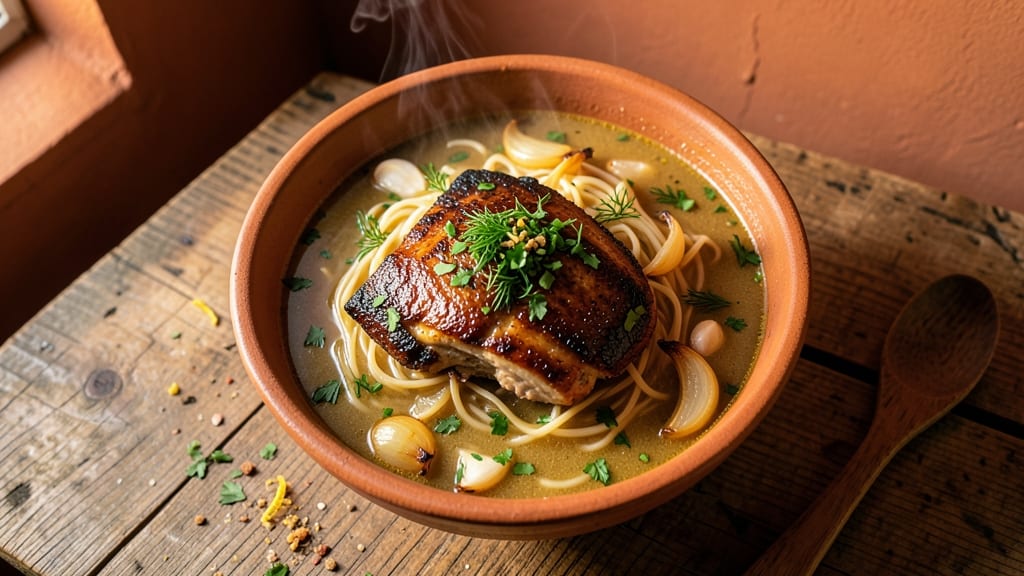
This ash reshteh soup recipe brings the comforting essence of Persian home cooking to your kitchen with its fragrant herb broth and tender noodles. The dish, traditionally served during Nowruz and family gatherings, combines slow-cooked lamb or beef with delicate noodles and fresh herbs for a heartwarming bowl of flavor.
What makes ash reshteh special is its balance of earthy spices, tender meat, and bright herbs that create a symphony of tastes in every spoonful.
The secret to authentic ash reshteh lies in the slow simmering of the broth, which develops deep, complex flavors over time. You'll start by browning meat for rich depth, then simmering it with onions, garlic, and a blend of warming spices like cinnamon and turmeric.
The noodles are added last to absorb the aromatic broth, while fresh herbs like parsley and dill brighten the dish just before serving.
By the time you're done, you'll have a steaming bowl of soup with tender meat, delicate noodles, and a fragrant broth that's both comforting and sophisticated. The dish is traditionally served with warm, crusty bread to soak up every last drop of that flavorful liquid.
Each spoonful delivers layers of savory, spiced, and herby notes that make this Persian classic a centerpiece for any meal.
Perfect for family dinners, holiday celebrations, or cozy weeknight meals, this ash reshteh recipe delivers restaurant-quality results at home. The process may take a few hours, but the reward is a dish that feels like a warm embrace in a bowl. Let's get started on creating this Persian masterpiece.
Ingredients for ash reshteh soup
Six servings of Persian comfort with lamb, noodles, and fragrant herbs waiting for you.
| Ingredient | Amount | Notes |
|---|---|---|
| Lamb Shoulder 🐑 | 2 lb | Bone-in for richer flavor |
| Yellow Onions 🧅 | 2 whole | Medium size, thinly sliced |
| Garlic Cloves 🧄 | 6 cloves | Peeled, lightly crushed |
| Fresh Parsley 🌿 | ½ cup | Chopped, stems included |
| Fresh Dill 🌿 | ¼ cup | Chopped, stems removed |
| Reshteh Noodles 🍜 | ½ lb | Persian thin noodles |
| Ground Cumin 🌿 | 1 tbsp | Toasted for deeper flavor |
| Ground Turmeric 🌶️ | 1 tsp | Freshly ground preferred |
| Ground Cinnamon 🌿 | ½ tsp | Sweet variety recommended |
| Salt 🧂 | 1 ½ tsp | Kosher or sea salt |
| Black Pepper 🌶️ | ½ tsp | Freshly ground preferred |
| Vegetable Oil 🫒 | ½ cup | For browning meat |
| Water 💧 | 8 cups | For simmering broth |
| Lemon Juice 🍋 | 1 tbsp | Freshly squeezed |
The lamb shoulder is the heart of this soup—bone-in cuts add richness you can't get from boneless. Look for well-marbled pieces at your local Middle Eastern market or butcher shop (they'll know exactly what you need). If you can't find lamb, beef chuck works as a substitute, though the flavor will be slightly different. The onions? Yellow onions give the best balance of sweetness and bite—red onions can make the broth too sharp. Slice them thinly while you're prepping everything else—they'll soften beautifully during the long simmer.
No fresh dill? Dried dill at one-third the amount gets you close, but fresh has that bright, herby punch that's essential. Running short on reshteh noodles? Fine egg noodles or angel hair pasta work in a pinch, though they won't have the same delicate texture. The spices are non-negotiable—toast the cumin seeds whole in a dry pan for 30 seconds before grinding for maximum flavor. For the broth, low-sodium vegetable bouillon can add depth if you're short on time, but homemade is always better. And that lemon juice? Freshly squeezed brightens everything up—bottled won't cut it here.
This soup tastes even better the next day as flavors meld together. Store leftovers in the fridge for up to 4 days, or freeze for 3 months in airtight containers. I like to double the batch and freeze half—perfect for lazy weeknights. The noodles absorb the broth beautifully, so add them just before serving if you're reheating. For serving, warm naan or lavash bread is traditional, but crusty sourdough works too. The broth keeps well for 5 days in the fridge if you want to make it ahead and add noodles later.
Why You'll Love This Recipe
- One-Pot Magic: I swear by this soup—just toss everything in one pot, let it simmer, and walk away. The lamb shoulder melts into tender shreds while the onions caramelize right in the broth, so you’re not stuck with a million dishes to clean.
- Herb-Packed Punch: That fresh parsley and dill? They’re the secret weapon. You chop them at the end, and suddenly you’ve got bright, zesty notes cutting through the rich lamb and garlic. Honestly, the aroma alone makes my kitchen smell like a Persian restaurant.
- Weeknight Workhorse: Between us, this is my go-to when I’ve got friends over but zero energy. It’s hearty enough for a dinner party but simple enough for a Tuesday—just reheat leftovers the next day, and it tastes just as good. (Yes, even on a Tuesday night.)
- Budget-Friendly Feast: Lamb shoulder stretches further than you’d think, and onions/garlic/herbs are cheap staples. I make a big pot, freeze half, and still have enough for lunches all week. That’s $15 worth of flavor for days—no takeout needed.
Step-by-step instructions for ash reshteh soup
This Persian classic delivers rich lamb broth, fragrant herbs, and delicate noodles in every spoonful.
Brown the Lamb Shoulder for Deep Flavor
Heat the 0.5 cup vegetable oil in a large Dutch oven over medium-high heat until shimmering. Pat the 2 lb lamb shoulder completely dry with paper towels—this ensures maximum browning. Working in batches if needed, sear the lamb on all sides until deeply golden brown, about 8-10 minutes per side. You want that beautiful Maillard reaction happening to build rich flavor.
Once browned, remove the lamb and set it aside. The goal here is to develop a deep, caramelized crust that will infuse the broth with incredible depth. Don't rush this step—patience now means flavor later. If the oil starts smoking before the lamb browns, reduce the heat slightly and give it time.
Sauté Aromatics Until Fragrant
In the same Dutch oven, add the 2 whole yellow onions and cook over medium heat for 8-10 minutes, stirring occasionally, until softened and golden. This step builds flavor by caramelizing the onions—you'll know they're ready when they smell sweet and the edges start to brown.
Add the 6 cloves garlic cloves and cook for another 1-2 minutes until fragrant. Then stir in the 1 tbsp ground cumin, 1 tsp ground turmeric, and 0.5 tsp ground cinnamon, toasting for 30 seconds until the spices release their aromas. This aromatic base forms the flavor foundation of your soup—don't skip the toasting step.
Simmer the Lamb and Build the Broth
Return the browned lamb to the pot and add the 8 cups water. Bring to a boil, then reduce heat to low and cover partially. Simmer for 1.5 hours, skimming off any foam that rises to the surface. This slow cooking breaks down the collagen in the lamb, creating a rich, velvety broth.
After 1.5 hours, remove the lamb from the broth and strain it through a fine-mesh sieve, pressing on the solids to extract maximum flavor. Return the strained broth to the pot and discard the lamb bones. Taste and adjust seasoning with the 1.5 tsp salt and 0.5 tsp black pepper—this is where you ensure the broth has perfect balance before adding the delicate noodles and herbs.
Finish with Herbs and Noodles
Bring the broth back to a gentle simmer and add the 0.5 lb reshteh noodles. Cook for 3-4 minutes until the noodles are tender but still have a slight bite. Then stir in the 0.5 cup fresh parsley and 0.25 cup fresh dill, along with the 1 tbsp lemon juice. The herbs should be added just before serving to preserve their bright flavors.
Taste and adjust seasoning one final time. The lemon juice brightens the rich broth and cuts through the richness of the lamb. Ladle the soup into bowls, garnishing each serving with a sprinkle of fresh dill and a drizzle of lemon juice if desired. Serve immediately while the noodles are still al dente and the broth is steaming hot.
Pro Tips For Making Ash Reshteh Soup
- Brown the Lamb Slow: Don’t rush the searing—this soup’s depth comes from the Maillard reaction. Cut the lamb into 1.5-inch chunks, pat them very dry, and cook in batches over medium-high heat with 1 tablespoon of oil until deep golden brown (about 5 minutes per side). I learned this the hard way: pale meat means bland broth, no matter how long you simmer.
- Char the Onions Properly: Ash reshteh relies on caramelized onions for that smoky, sweet base. Thinly slice 3 onions, spread them in a single layer on a dry pan, and cook on low heat for 20-25 minutes, stirring occasionally. They’ll turn dark brown, almost black in spots—this isn’t burning, it’s the flavor. Skip the oil; the onions release their own moisture.
- Salt the Broth Late: Add salt only after the lamb has simmered for at least 45 minutes. The collagen needs time to break down and release flavor before the broth hits full seasoning. I used to salt early and ended up with a broth that tasted flat until the very end—now I wait, and the depth of flavor is unmistakable.
- Use Dill Sparse and Late: Fresh dill is potent—add just 1 tablespoon at the very end of cooking, right before serving. Too much too soon turns the soup bitter. If you’re using stems (which add texture), finely chop them separately and add them 10 minutes before the end. Parsley can handle more heat, but dill demands respect.
Serving suggestions for leftovers
Bread Pairings
Warm, crusty barbari bread is the traditional Persian companion to ash reshteh—its chewy texture soaks up the fragrant broth beautifully. I recommend picking up a fresh loaf from your local Middle Eastern market or baking a batch using barbari bread flour (available online).
For a quicker option, warm pita bread or lavash works perfectly, especially if you're short on time.
If you're serving this during a holiday gathering, consider offering saffron-infused rice as a side. The subtle floral notes of saffron complement the earthy spices in the soup. For a modern twist, crusty sourdough or focaccia adds a nice contrast with their open crumbs and tangy flavor.
Garnish Ideas
Fresh herbs are essential for finishing ash reshteh. I always garnish each bowl with an extra sprinkle of chopped dill and a few parsley leaves right before serving.
For added texture, fry thin onion slices in neutral oil until golden and place them on top—they add a delightful crunch that balances the soft noodles. 🌿
For a pop of color and brightness, drizzle each serving with a few drops of lemon juice and a pinch of flaky sea salt. If you're feeling adventurous, add a small dollop of Persian yogurt (or regular Greek yogurt) for creaminess and a tangy contrast.
The yogurt also helps cool the palate between rich spoonfuls.
Drink Pairings
A Persian black tea served in traditional glass teacups is the classic accompaniment to ash reshteh. The tannins in the tea cleanse your palate between bites, while the sweetness balances the soup's savory depth.
For a caffeine-free option, pomegranate juice (freshly squeezed, if possible) adds a refreshing tartness that cuts through the richness.
If you prefer alcohol, a dry white wine like Iranian white wine or a crisp Sauvignon Blanc works beautifully. The acidity in these wines complements the lamb and spices without overpowering the dish.
For beer lovers, a light lager or wheat beer provides a neutral backdrop that lets the soup's flavors shine.
Make-Ahead Serving
Ash reshteh tastes even better the next day as the flavors meld together. Prepare the broth and meat ahead of time, then store it in an airtight container in the refrigerator for up to 4 days.
When ready to serve, simply reheat the broth, add the noodles and fresh herbs, and adjust seasoning with a splash of lemon juice. This makes it perfect for meal prep—just assemble and serve when you're ready. ⏰
For a crowd, consider making the broth in large batches and freezing it in quart-sized freezer bags. When you're ready to serve, thaw overnight in the fridge, then add the noodles and herbs just before serving.
This approach is especially useful for holiday gatherings like Nowruz, where large quantities are needed. The key is to always add the noodles and herbs fresh to maintain their vibrant flavors.
Nutrition facts
Frequently asked questions
Can I substitute chicken or beef for the lamb in ash reshteh?
While lamb is traditional, chicken thighs (bone-in for flavor) or beef chuck work beautifully. For chicken, increase simmering time to 45 minutes to ensure tender meat. Beef requires 2 hours of simmering. Adjust seasoning slightly—beef may need extra salt and a pinch of sugar to balance its richness.
Why does my ash reshteh broth taste bland?
Bland broth usually means insufficient browning or simmering time. Always brown the meat thoroughly until deeply caramelized, and simmer uncovered for the full 1.5 hours to develop depth. Skim foam during simmering, and finish with a splash of lemon juice and fresh herbs. For extra richness, toast the spices longer or add a bay leaf while simmering.
What's the difference between ash reshteh and other Persian soups?
Ash reshteh stands out for its delicate noodles and fresh herbs, unlike heartier soups like ghormeh sabzi (with kidney beans) or fesenjan (walnut-pomegranate). The broth is lighter than stews but richer than simple broths. Its noodles distinguish it from meat-focused soups, while the lemon juice finish sets it apart from spicier Persian dishes.
How do I find reshteh noodles if I can't find them locally?
Look for Persian markets or order online from specialty stores like Bazaar Spices or Middle Eastern Grocers. As a substitute, use fine egg noodles or angel hair pasta—they'll be slightly thicker but still delicious. For authenticity, check Amazon or Etsy for reshteh noodles shipped from Iran or California. The texture difference is subtle but noticeable!
Can I make ash reshteh in an Instant Pot or slow cooker?
Yes! For the Instant Pot, brown the lamb first, then add aromatics and water. Cook on high pressure for 30 minutes, then release pressure naturally. For a slow cooker, follow the same steps but cook on low for 6-8 hours. The noodles should be added just before serving in both methods to prevent mushiness. The broth may be slightly less concentrated, so reduce by 1 cup if needed.