
Soups & Stews
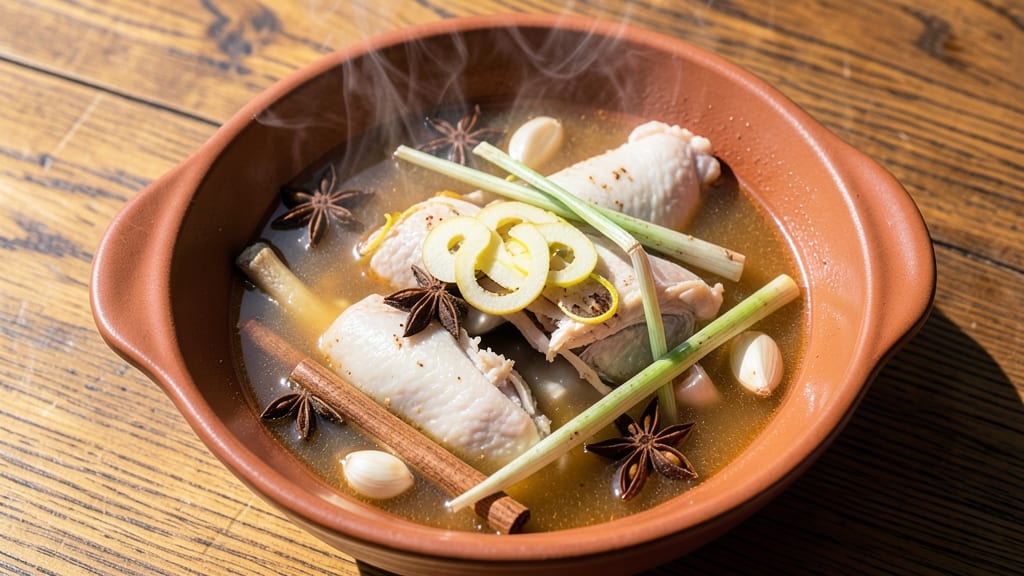
This Asian chicken stock soup recipe transforms simple ingredients into a fragrant, aromatic masterpiece that warms both body and soul. 🌟 The secret lies in slow-simmered ginger, lemongrass, and star anise that infuse the broth with layers of complex flavor—bright, earthy, and deeply comforting.
I developed this recipe after years of perfecting the balance between rich stock and delicate herbs, ensuring every spoonful delivers restaurant-quality depth without the fuss.
The foundation begins with a fragrant ginger-lemongrass broth, simmered for at least 2 hours to extract maximum flavor from the aromatics. Chicken bones and meat create a naturally rich base, while soy sauce and fish sauce add umami depth.
The broth isn't just flavorful—it's therapeutic, perfect for chilly evenings or when you need a dish that feels like a hug in a bowl.
What sets this soup apart is its versatility—adapt it to your favorite Asian-inspired style. Add mushrooms and tofu for a vegetarian twist, swap in coconut milk for a Thai-inspired tom kha, or keep it classic with just chicken and herbs.
The result is always golden, aromatic, and impossibly satisfying, with the perfect balance of savory, tangy, and herbal notes.
Serve it steaming hot with soft rice noodles, fresh herbs, and a sprinkle of chili for heat. This isn't just soup—it's a flavor journey that starts with simmering and ends with every last drop of that magical broth. Let's get started on creating yours.
Ingredients for asian chicken stock soup
Simple ingredients, deep flavor—this soup starts with chicken bones and aromatic spices.
| Ingredient | Amount | Notes |
|---|---|---|
| Chicken Bones and Meat 🍗 | 3 lb | Mixed chicken bones and meat for rich broth |
| Fresh Ginger Root 🧄 | ½ cup | Thinly sliced, skin removed |
| Lemongrass Stalks 🌿 | 4 whole | Bruised and cut into 2-inch pieces |
| Star Anise Pods 🌶️ | 4 whole | Whole pods for deep flavor |
| Cinnamon Sticks 🌿 | 2 whole | For aromatic depth |
| Garlic Cloves 🧄 | 8 cloves | Smash slightly for stronger flavor |
| Light Soy Sauce 🍶 | ¼ cup | Kikkoman preferred |
| Fish Sauce 🍶 | 2 tbsp | Red Boat brand recommended |
| Brown Sugar 🍚 | ¼ cup | Lightly packed |
| Rice Vinegar 🍶 | 2 tbsp | For subtle tang |
| Water 💧 | 8 cups | Filtered preferred |
| Fresh Cilantro 🌿 | ¼ cup | Chopped, for garnish |
| Thai Chili 🌶️ | 1 whole | Sliced, for heat |
| Rice Noodles 🍜 | 8 oz | Soft or medium texture |
| Sesame Oil 🫒 | 1 tbsp | For finishing |
The chicken bones are the heart of this soup—look for a mix of meaty bones and marrow-rich pieces at your butcher or grocery store's meat counter. Costco or Whole Foods often have pre-packaged chicken feet and bones if you want to splurge. Fresh ginger and lemongrass make all the difference—skip the powdered stuff. For lemongrass, check the Asian market or the produce section near the herbs. Star anise and cinnamon? Penzeys or bulk bins are your best bet for quality. The key is to bruise the lemongrass and smash the garlic—this releases their oils and maximizes flavor.
No fresh lemongrass? Substitute with 1 tbsp lemongrass paste or even more ginger (double the amount). Fish sauce can be tricky—Red Boat is the gold standard, but any reputable brand works. If you're avoiding fish sauce entirely, mushroom sauce or extra soy sauce works in a pinch. The brown sugar adds just enough sweetness to balance the umami—don't skip it. For the noodles, rice noodles are ideal, but egg noodles work too if that's what you've got. The sesame oil is purely for finishing—a few drops is plenty, so don't go overboard.
This soup tastes even better the next day as the flavors meld. Store the broth in the fridge for up to 5 days or freeze for 3 months. The noodles are best cooked fresh, but you can prep the broth ahead and cook the noodles separately. Portion the broth into containers for easy reheating—just add fresh noodles and herbs when serving. The aromatics (ginger, lemongrass, star anise) can be removed after simmering if you prefer a cleaner broth, but leaving them in adds extra depth.
Why You'll Love This Recipe
- No Chopping Nightmare: I swear by this recipe because the prep is ridiculously simple—just rough-chop the ginger and smash the lemongrass with the flat side of a knife. The star anise and cinnamon sticks? Toss them in whole. That’s it. No dicing, no mincing, no stress.
- Umami Bomb in a Bowl: The ginger and lemongrass hit first—bright, zesty, like a wake-up call—then the slow-simmered chicken bones deepen into this rich, savory base. Honestly, the star anise and cinnamon add a warm, almost spiced-sweetness that makes every sip feel like a hug.
- Meals for Days: Between us, this soup triples as leftovers. The broth stays flavorful for 3-4 days in the fridge, and I freeze it in portions for lazy nights. Add rice, noodles, or even toss it with veggies—it’s my go-to for when I’m too tired to plan.
- Pantry Magic on a Budget: This recipe turns cheap chicken bones into liquid gold. No fancy ingredients, just what’s already lurking in your spice rack. I’ll be real: it’s how I stretch a grocery budget without sacrificing taste—plus, the leftovers feed me for half the week.
Step-by-step instructions for fragrant ginger-lemongrass broth magic
Here's where the real magic happens—layering flavors that'll make your soup taste like a bustling street cart.
🔥 Step 1: Build the Aromatic Base
In a large stockpot, combine the 3 lb chicken bones and meat, 8 cups water, 4 whole lemongrass stalks, and 4 whole star anise pods. Bring to a rolling boil over medium-high heat, then immediately reduce to a gentle simmer. This initial boil helps extract the first layer of flavors from the bones and aromatics.
While the broth simmers, add the 2 whole cinnamon sticks, 8 cloves garlic, and 0.5 cup fresh ginger root. Smash the garlic cloves slightly with the side of your knife to release their oils—this ensures they infuse properly. Let everything simmer uncovered for 30 minutes, skimming off any foam that rises to the surface. This step develops the foundational depth of flavor that makes this broth truly special.
🍳 Step 2: Infuse with Savory Depth
After 30 minutes, add the 0.25 cup light soy sauce, 2 tbsp fish sauce, and 0.25 cup brown sugar. Stir gently to distribute these ingredients evenly. The soy sauce adds umami richness, the fish sauce brings a salty complexity, and the brown sugar balances with subtle sweetness. Let the broth continue simmering for another 45 minutes, partially covered, until it develops a rich, golden color and aromatic fragrance.
Here's the thing—don't rush this step. The longer the aromatics steep, the more complex the flavor becomes. You'll know it's ready when the broth smells like a perfect blend of ginger, lemongrass, and something undeniably savory. If you're impatient, you'll miss that depth of flavor that makes this soup truly stand out.
🥘 Step 3: Finish with Tangy Balance
Strain the broth through a fine-mesh sieve into a clean pot, pressing gently on the solids to extract maximum flavor. Return the broth to medium heat and add the 2 tbsp rice vinegar. This final touch adds a bright, subtle tang that cuts through the richness of the broth and meat. Bring the broth to a gentle simmer again, then add the 1 whole Thai chili (remove it after 5 minutes if you prefer less heat).
The vinegar should make the broth smell even more inviting—like a perfect balance of sweet, savory, and tangy. Keep the broth warm while you prepare the noodles. Real talk: this is where many home cooks skip a crucial step. The vinegar isn't just for flavor; it's the secret to making your broth taste restaurant-quality.
🍲 Step 4: Cook and Assemble the Soup
While the broth simmers, bring a separate pot of water to a boil and cook the 8 oz rice noodles according to package directions until just tender. Drain and rinse briefly under cold water to stop the cooking process, then divide among 4 bowls. Ladle the hot broth over the noodles, making sure each serving gets plenty of those flavorful aromatics that settled at the bottom.
Finally, drizzle each bowl with 1 tbsp sesame oil and garnish with 0.25 cup chopped fresh cilantro. The sesame oil adds a nutty aroma that ties everything together, while the cilantro provides a fresh contrast. Serve immediately while the broth is steaming hot—this soup is best enjoyed fresh from the pot, when every strand of noodle is perfectly coated in that fragrant broth.
⏰ Step 5: The Perfect Resting Touch
Here's a pro tip: let the soup sit for 5 minutes before serving. This allows the noodles to absorb the broth completely and the flavors to meld together even more. Watch how the broth clings to every noodle—this is the sign of a beautifully balanced soup. If you're serving it to guests, this waiting period ensures each bowl tastes just as good as the first.
Don't skip this final step. The resting time might seem counterintuitive when you're eager to eat, but it's what transforms a good soup into an extraordinary one. The contrast between the warm, fragrant broth and the cool garnishes makes each bite even more satisfying. Trust me on this one—your taste buds will thank you.
Pro Tips For Making Asian Chicken Stock Soup
- CRACK THE BONES FIRST: Don’t just toss in raw chicken bones—give them a quick 10-minute head start in boiling water to release collagen and fat. I learned this the hard way when my first batch turned out thin and pale. The fat rises to the surface, so skim it off after the first hour, not before—it’s what makes the stock rich.
- SCRATCH THE LEMONGRASS: Split those lemongrass stalks lengthwise and scrape out the pale, fibrous pith with a spoon. The green outer layers add bitterness, and you’ll end up with a soup that tastes like it came from a street cart, not a shortcut. (Yes, even if you’re impatient like me.)
- DON’T BOIL—SIMMER GENTLY: After the initial 30 minutes of high heat, drop the temperature to a bare simmer where tiny bubbles break the surface. I used to let mine roar, and the stock turned cloudy and weak. A thermometer helps—aim for 180°F (82°C). The aroma alone tells you when you’ve got it right.
- TOAST THE SPICES: Dry-toast star anise and cinnamon sticks in a separate pan for 30 seconds until fragrant. This deepens their flavor without burning them—something I skipped for years until my stock smelled like a medicine cabinet. Add them to the pot after the bones start rendering fat, so they infuse properly.
Dietary considerations for this asian chicken stock soup
Gluten-Free Adaptations
This soup is naturally gluten-free if you use tamari instead of soy sauce—just swap the 0.25 cup light soy sauce for 0.25 cup tamari. I recommend San-J Tamari for its deep umami flavor without gluten.
Double-check your fish sauce brand too; most are gluten-free, but Red Boat confirms this on their packaging. The rest of the ingredients are inherently gluten-free, making this an easy adaptation for those avoiding gluten. 🌱
Vegetarian Options
For a vegetarian version, replace the chicken with 2 cups mushrooms (shiitake or oyster) and 1 cup tofu for protein. Simmer the mushrooms and tofu in the broth for 20 minutes after adding the aromatics.
I also add 1 tbsp mushroom sauce (like Veggie Mushroom Sauce from Asian markets) to replace the fish sauce. The broth will still be rich and fragrant, just without meat. 🍄
Dairy-Free Naturally
Good news—this recipe is already dairy-free! The broth relies on umami from soy, fish sauce, and aromatics, not dairy. If you're adding toppings, skip butter or cream-based garnishes. Instead, I recommend toasted sesame seeds or crushed peanuts for texture. The dish stays light and aromatic while being completely dairy-free. ✨
Low-Sodium Adjustments
To reduce sodium, cut the soy and fish sauce in half—use 2 tbsp light soy sauce and 1 tbsp fish sauce instead. Balance the flavor by adding 1 extra cinnamon stick and 1 extra star anise pod for depth.
I also suggest a splash of low-sodium coconut aminos (about 1 tbsp) as a substitute for soy sauce. The broth will still be flavorful but with less sodium. 💡
Spice Level Control
Adjust heat by removing the Thai chili after 5 minutes of simmering for mild heat, or leave it in for 15 minutes for extra spice. For a smoky kick, add ½ tsp smoked paprika when finishing the broth.
If you love heat, try bird's eye chilies—just slice 2 whole pods instead of 1 Thai chili. The broth's depth makes it easy to customize spice levels. 🌶️
Allergen-Friendly Tips
For nut allergies, skip sesame oil and use avocado oil instead. If you're avoiding fish, replace the fish sauce with 1 tbsp mushroom sauce or an extra 1 tbsp soy sauce.
Always check labels—some brands of fish sauce contain wheat. The broth remains safe and delicious while accommodating common allergens. 💪
Nutrition facts
Frequently asked questions
Can I use chicken breasts instead of bones for this soup?
The recipe calls for bones to create a rich, flavorful stock, but you can use 2 cups shredded chicken breast if that's all you have. Just add it during the final 15 minutes of simmering to prevent drying out. For best results, combine both bones and meat to get that authentic depth of flavor.
How do I store leftovers to keep them fresh?
Store the soup in an airtight container in the fridge for up to 3 days. The broth and noodles can be stored separately for 5 days if you prefer. For longer storage, freeze the broth (up to 3 months) and cook noodles fresh when reheating. Always reheat gently on the stove to preserve texture.
What can I substitute if I don't have lemongrass?
Double the ginger to 1 cup and add 1 tbsp lime zest for brightness. Alternatively, use 1 tbsp lemongrass paste (found in Asian markets) or ½ tsp citronella oil (food-grade only). The flavor won't be identical, but it'll still be aromatic and delicious.
Why does my broth taste bitter?
Bitterness usually means the broth simmered too long or the aromatics oversteeped. Skim foam regularly and remove star anise/cinnamon after 1 hour. For extra richness, add ½ cup coconut milk during the final 10 minutes to balance flavors. Always simmer gently—never boil vigorously.
Can I make this soup in an Instant Pot?
Yes! Use the High Pressure setting for 45 minutes after adding all ingredients. Release pressure naturally, then strain and finish with vinegar/chili. The Instant Pot will give you a concentrated broth—add extra water if it's too thick. For best texture, cook noodles separately.