
Soups & Stews
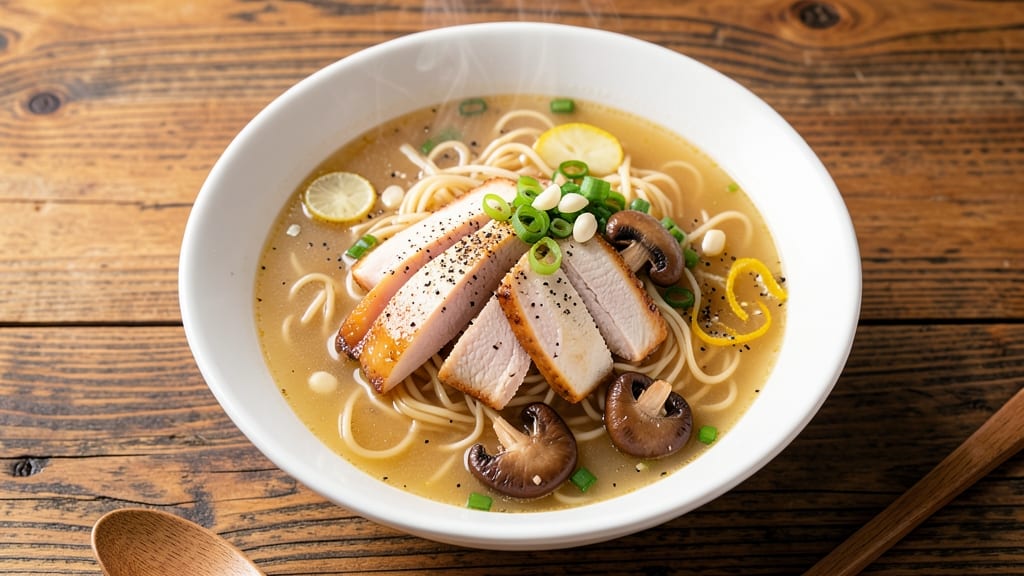
This authentic Chinese chicken noodle soup recipe brings the comforting flavors of a Cantonese home kitchen to your pot. 🌟 The secret lies in a fragrant five-spice broth that simmers for hours, infusing every spoonful with warmth and depth.
What sets this apart is the silky egg ribbon technique—a delicate touch that transforms simple ingredients into a restaurant-worthy dish.
Traditional methods like charring ginger and garlic over a flame unlock complex aromas, while slow-simmering transforms tough chicken into melt-in-your-mouth pieces. The broth isn't just flavorful—it's therapeutic, the kind of soup that soothes both body and soul.
I've streamlined the process without sacrificing authenticity, so you can achieve professional results at home.
By the time you're done, you'll have a steaming bowl of soup with tender chicken, silky egg ribbons, and chewy noodles floating in a rich, fragrant broth. The five-spice blend adds warmth, while fresh herbs brighten each bite.
This is comfort food at its finest—perfect for chilly evenings or when you need a taste of home.
The beauty of this recipe is its versatility. Use store-bought noodles for convenience or fresh egg noodles for authenticity. Adjust the spice level to taste, but don't skip the egg ribbon step—it's the signature touch that elevates this soup from good to unforgettable. Let's get started!
Ingredients for authentic chinese chicken noodle soup
These fifteen ingredients transform your kitchen into a Cantonese home—fragrant, comforting, and packed with tradition.
| Ingredient | Amount | Notes |
|---|---|---|
| Chicken Thighs 🍗 | 1 ½ lb | Bone-in, skin-on preferred |
| Fresh Ginger Root 🧄 | ½ cup | Peeled, julienned or grated |
| Garlic Cloves 🧄 | 8 cloves | Charred over flame for aroma |
| Dried Shiitake Mushrooms 🍄 | ½ oz | Rehydrated in hot water |
| Five-Spice Powder 🌶️ | 1 ½ tsp | Homemade or quality blend |
| Star Anise 🌟 | 1 whole | Removed after simmering |
| Cinnamon Stick 🌿 | 1 whole | Removed after simmering |
| Fresh Chicken Stock 💧 | 6 cups | Homemade preferred |
| Eggs 🥚 | 4 whole | Room temperature for ribbons |
| Egg Noodles 🍜 | 8 oz | Fresh or dried preferred |
| Green Onions 🧅 | ¼ cup | Sliced for garnish |
| Cilantro 🌿 | ¼ cup | Chopped for brightness |
| Sesame Oil 🫒 | 1 tbsp | For finishing touch |
| Soy Sauce 🥄 | 2 tbsp | Light or dark preferred |
| Salt 🧂 | 1 ½ tsp | Adjust to taste |
The ginger and garlic are non-negotiable for that authentic aroma. Buy fresh ginger root—the knobby kind, not paste—and peel it yourself. Whole Foods or Asian markets have the best selection, but regular grocery stores work too. Char the garlic over a flame (or broil it) for a smoky depth that jarred minced can't match. The shiitake mushrooms? Dried is best—rehydrate them in hot water, then use the soaking liquid for extra umami. Five-spice powder is the soul of this soup—Penzeys or Spicewalla have excellent blends, but a mix of cinnamon, star anise, fennel, cloves, and pepper works too.
No fresh ginger? Ginger paste works in a pinch, but it lacks the fresh bite. Short on shiitake? Dried porcini mushrooms are a great swap—just double the amount. The broth is where the magic happens, so don't skimp on stock. Homemade chicken stock is ideal, but Swanson or Pacific brand work fine in a hurry. For the egg ribbons, room-temperature eggs whip up silkier—just let them sit out for 30 minutes. The noodles? Fresh egg noodles are traditional, but store-bought wheat noodles (like Martini or King Noodle) save time without sacrificing texture.
The broth keeps for 4-5 days in the fridge—even better the next day as flavors meld. Freeze portions for up to 3 months if you're making a big batch. For the egg ribbons, work quickly—they start to firm up fast. I like to prep everything ahead except the noodles and garnishes, so assembly is a breeze when guests arrive. The soup reheats beautifully—just bring it to a gentle simmer and let it sit covered for 10 minutes to redistribute the flavors.
Why You'll Love This Recipe
- No-Chop Start: I swear by this trick—soak the dried shiitake mushrooms while the chicken simmers. They plump up in minutes, no knife skills required. Between us, that’s my kind of magic.
- Five-Spice Magic: That little jar of five-spice powder? It’s the secret weapon. Warm, nutty, and just a pinch turns the broth from good to ridiculously good—like a cozy hug in a bowl.
- Lunchbox Hero: Make a double batch on Sunday, and you’ve got flavor-packed lunches for the week. The broth stays rich overnight, and the noodles reheat like a fresh batch—no sad, mushy leftovers here.
- Thighs Over Breasts: Chicken thighs stay juicy while the broth builds depth. Honestly, they’re cheaper than breasts and give you that melt-in-your-mouth texture. Plus, the skin adds a crispy surprise when you bite in.
Step-by-step instructions for authentic Chinese chicken noodle soup
Here's how to build a soup with deep, aromatic layers—just like your favorite Cantonese restaurant.
🔥 Step 1: Build the Five-Spice Broth Foundation
In a large pot, combine the 1.5 lb chicken thighs, 6 cups fresh chicken stock, 0.5 cup peeled and julienned fresh ginger root, 8 charred garlic cloves, 0.5 oz rehydrated dried shiitake mushrooms, 1.5 tsp five-spice powder, 1 whole star anise, and 1 whole cinnamon stick. Bring to a rolling boil over high heat—you'll see bubbles break the surface vigorously.
Once boiling, immediately reduce to medium-low heat and skim off any foam that rises to the surface for the first 5 minutes. This ensures a crystal-clear broth. Let it simmer uncovered for 45 minutes, stirring occasionally. The aroma should be complex—warm, slightly sweet, with hints of clove and cinnamon. The chicken should be fork-tender when pierced with a knife.
🍳 Step 2: Infuse with Umami Depth
Remove the chicken thighs from the broth and let them cool slightly before shredding the meat off the bones using two forks. Discard the bones and skin. Return the shredded chicken to the pot and stir in 2 tbsp soy sauce. Taste the broth and adjust seasoning with the 1.5 tsp salt if needed—it should be savory but not salty.
Here's the thing—this is where the magic happens. The five-spice powder and star anise should be subtly present, not overpowering. If the broth tastes too herbal, add a splash of the chicken stock to dilute. Keep the pot at a gentle simmer (low heat) while you prepare the noodles and egg ribbons.
👨🍳 Step 3: Cook the Egg Noodles Al Dente
While the broth simmers, cook the 8 oz egg noodles in a separate pot of boiling salted water for 1 minute less than the package instructions suggest. Noodles should be tender but still hold some bite—al dente is key. Drain and rinse briefly under cold water to stop the cooking process immediately. Toss the noodles with 1 tbsp sesame oil to prevent sticking.
I know it seems counterintuitive to undercook pasta, but this ensures the noodles finish cooking in the hot broth, absorbing all those delicious flavors. If you overcook them here, they'll turn mushy in the soup.
🥘 Step 4: Create Silky Egg Ribbons
In a heatproof bowl, gently whisk the 4 room-temperature eggs until just combined. Slowly drizzle in ½ cup of the hot broth from the pot while whisking constantly—this tempering prevents scrambled eggs. Once the egg mixture reaches 160°F (or when it's just about to set), pour it back into the simmering broth in a thin stream.
The eggs will immediately form delicate ribbons that curl beautifully in the hot liquid. Let them cook for 2-3 minutes until just set but still silky. Don't overcook—they should melt in your mouth, not be firm. Stir gently to distribute the ribbons evenly throughout the broth.
🍽️ Step 5: Assemble and Garnish
Divide the cooked egg noodles among four deep bowls. Ladle the hot broth with chicken, egg ribbons, and aromatics over the noodles. The broth should cover the noodles completely—this is what makes the soup so comforting. Garnish each serving with 2 tbsp sliced green onions and 1 tbsp chopped cilantro for freshness.
Serve immediately with extra soy sauce and sesame oil on the side for adjusting to taste. The contrast of textures—tender chicken, silky egg ribbons, chewy noodles—paired with the fragrant broth is what makes this soup truly authentic. Enjoy while warm, as the flavors meld beautifully in each spoonful.
Pro Tips For Making Authentic Chinese Chicken Noodle Soup
- PARBOIL CHICKEN FIRST: Skip the raw chicken straight into the pot—it’ll turn your broth murky. Instead, blanch the thighs in boiling water for 3-4 minutes, then shock in ice water. This removes blood and impurities while keeping the meat tender when it finishes cooking in the soup. (Yes, it’s an extra step, but your broth will look like a restaurant’s.)
- SLICE GINGER THIN: Thick chunks of ginger just sit at the bottom like decorative rocks. For real flavor, shave it into matchsticks or thin slivers—about 1/8-inch thick—so it infuses the broth properly. Pro move: Toast the slices in the pot for 30 seconds before adding liquid; it deepens the aroma without burning.
- DON’T SKIP THE MUSHROOM SOAK: Dried shiitakes are like sponges—toss them straight in, and they’ll turn your soup into a mushy swamp. Soak them in hot water for 20 minutes first, then slice and use the soaking liquid (strain out the grit) as part of your broth. This adds umami without turning your noodles into a science experiment.
- LOW AND SLOW AFTER BOIL: Once the broth reaches a rolling boil, drop the heat to a gentle simmer—just small bubbles breaking the surface. A hard boil burns the garlic and turns the five-spice bitter. I’ve ruined batches by keeping it too hot, and the difference is night and day when you nail this. (Your soup will taste like a Cantonese grandma’s, not a rushed weeknight hack.)
Essential equipment for authentic chinese chicken noodle soup
Broth Pot Essentials
A large, heavy-bottomed stockpot (I use my Le Creuset 8-quart) is non-negotiable for even heat distribution. The pot should hold at least 8 quarts to accommodate all ingredients without overcrowding. A tight-fitting lid helps retain moisture during simmering, but leave it off while skimming foam.
For charring aromatics, a gas stove works best—hold garlic cloves over the flame until blackened in spots. If you only have electric, broil them for 3-4 minutes on a baking sheet. 🔥
Precision Tools
A meat thermometer (I swear by Thermoworks Smoke) ensures chicken reaches 165°F without overcooking. For egg ribbons, a candy thermometer or instant-read thermometer helps track the 160°F tempering temp.
A fine-mesh skimmer makes removing foam effortless, while a pair of tongs helps retrieve charred garlic cloves. Don’t skip these—they’re game-changers for texture and safety. ⏰
Noodle Prep Gear
Fresh egg noodles require a wooden noodle board (or cutting board) and a sharp chef’s knife for slicing dough. For store-bought noodles, a colander with large holes prevents clogging when draining. I keep a small bowl of ice water nearby to stop noodle cooking instantly.
A fine-mist spray bottle helps rinse noodles without breaking them. These tools keep prep efficient and mess-free. 💫
Egg Ribbon Kit
Your heatproof mixing bowl (I use CorningWare) must withstand sudden temperature shifts. A whisk with a long handle ensures even tempering. For testing egg consistency, a small ladle lets you dip and check doneness.
Pro tip: Keep a paper towel handy to blot any egg drips—this prevents sticking when pouring into the broth. 🥚
Garnish Station
A sharp pair of kitchen shears makes quick work of slicing green onions into ¼-inch pieces. A microplane zests fresh ginger efficiently, while a small cutting board keeps herbs organized.
I store sesame oil and soy sauce in glass squeeze bottles for easy drizzling. These tools ensure garnishes look restaurant-worthy with minimal effort. ✨
Nutrition facts
Frequently asked questions
Why does this recipe use five-spice powder instead of just ginger and garlic?
The five-spice blend (cinnamon, star anise, fennel, cloves, and pepper) creates the signature aromatic depth found in authentic Chinese soups. While ginger and garlic provide freshness, the spices add warmth and complexity that elevates the broth from good to unforgettable. Think of it as the soul of the dish—subtle but essential.
Can I make this soup vegetarian or vegan?
Replace the chicken with mushrooms or tofu (firm or extra-firm works best), and use vegetable stock instead. For the egg ribbons, try aquafaba (chickpea brine) or silken tofu whipped with a bit of cornstarch—both create silky textures. The broth will still be rich and fragrant with shiitake mushrooms and five-spice.
What's the secret to getting those perfect silky egg ribbons?
Three things: room-temperature eggs, gentle tempering, and quick cooking. Whisk the eggs until just combined, then slowly drizzle in hot broth while whisking constantly to reach 160°F. Pour the mixture back into the simmering broth in a thin stream and cook for only 2-3 minutes—any longer and they'll turn rubbery.
How can I make this soup faster without sacrificing flavor?
Skip the long simmer by using chicken thighs already poached (or rotisserie chicken) and store-bought chicken stock. Char the garlic and ginger in a dry pan over high heat for 2-3 minutes instead of a flame. Simmer the broth for 30 minutes instead of 45, then boost flavor with 1 tsp fish sauce or an extra ½ tsp five-spice. The egg ribbons and noodles take the same time!
What should I do if my broth tastes too bland?
Don't panic! Add a splash of soy sauce (start with 1 tsp and adjust), a pinch of white pepper for depth, or a ½ tsp fish sauce for umami. If it's still lacking, simmer in a whole dried chili (remove before serving) or a small piece of kombu seaweed (also remove) to infuse more flavor. Taste as you go—this is where home cooks shine!