
Soups & Stews
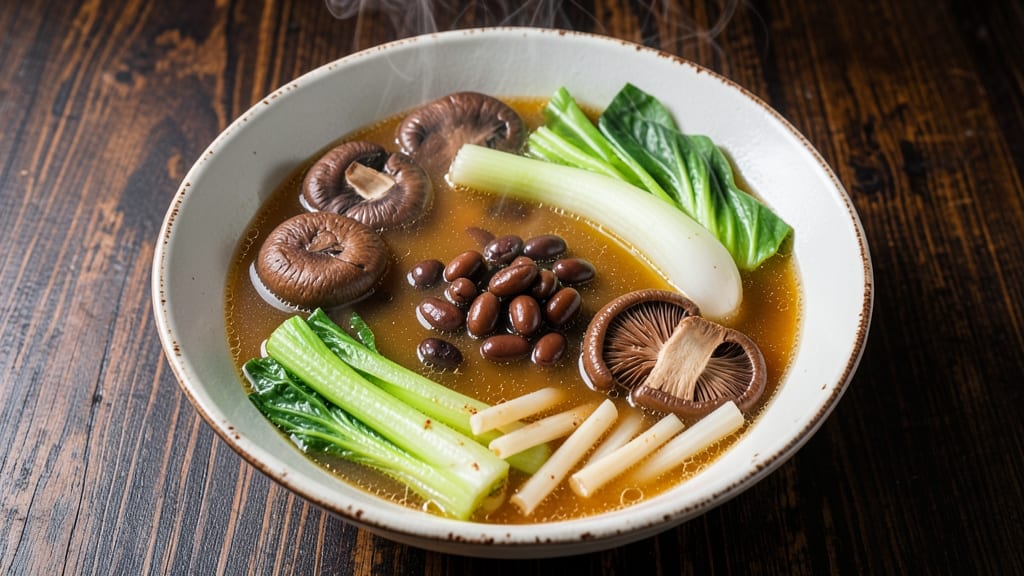
This authentic Chinese hot and sour soup delivers the perfect balance of tangy, spicy, and umami flavors in every bowl—just like your favorite restaurant. The secret lies in fermented black beans, silky egg ribbons, and a carefully balanced broth that simmers until the flavors meld into harmony.
I've perfected this recipe over years of testing, ensuring every spoonful delivers that signature crunch and depth that makes it a Chinese comfort classic.
The magic starts with a rich chicken or vegetable broth, where fermented black beans and dried shiitake mushrooms infuse deep, savory notes. Thinly sliced tofu adds a delicate texture, while silky egg ribbons—whisked and dropped into the hot broth—create a luxurious finish.
The real art comes in balancing the sour (vinegar), spicy (chili oil), and umami (soy sauce, black beans) flavors to create a taste that's both vibrant and complex.
By the time you're done, you'll have a steaming bowl of soup with tender vegetables, chewy tofu, and those signature egg ribbons that dissolve into silky strands. The broth should be fragrant, slightly spicy, and tangy enough to make your taste buds dance.
This is the kind of soup that warms you from the inside out while delivering restaurant-quality flavors at home.
Perfect for chilly evenings or as a starter for a Chinese feast, this recipe scales easily for a crowd. Whether you're a beginner or an experienced cook, the step-by-step instructions will guide you through every stage—from preparing the broth to balancing the flavors. Let's get started on this umami-packed masterpiece.
Ingredients for authentic chinese hot and sour soup
These 17 ingredients create the perfect harmony of tangy, spicy, and umami flavors in every bowl.
| Ingredient | Amount | Notes |
|---|---|---|
| Chicken Broth 🍲 | 6 cups | Homemade or quality store-bought |
| Fermented Black Beans 🫘 | ¼ cup | Rinsed, Asian market preferred |
| Dried Shiitake Mushrooms 🍄 | ¼ oz | Rehydrated in warm water |
| Fresh Shiitake Mushrooms 🍄 | 4 whole | Sliced, stems removed |
| Bok Choy 🥬 | 2 whole | Cut into quarters |
| Bamboo Shoots 🌿 | ½ cup | Canned, drained |
| Tofu 🧀 | 8 oz | Firm, thinly sliced |
| Large Eggs 🥚 | 4 whole | Fresh, for silky ribbons |
| Green Onions 🧅 | 3 whole | Sliced, white and green parts |
| Light Soy Sauce 🥄 | 2 tbsp | Kikkoman preferred |
| Dark Soy Sauce 🥄 | 1 tbsp | For depth of color |
| Rice Vinegar 🍶 | 2 tbsp | White vinegar substitute |
| Chili Oil 🌶️ | 1 tbsp | Homemade or store-bought |
| Sesame Oil 🫒 | 1 tsp | Toasted, for aroma |
| Cornstarch 🌾 | 1 tbsp | For thickening broth |
| Salt 🧂 | 1 tsp | Adjust to taste |
| White Pepper 🌶️ | ½ tsp | Freshly ground |
Fermented black beans and dried shiitake mushrooms are the soul of this soup. Asian markets carry the best fermented black beans—look for the ones in a jar, not canned. If you can't find them, substitute with 1 tbsp soy sauce plus 1 tsp molasses for a similar umami kick. Fresh shiitake mushrooms are ideal, but dried work too—just rehydrate them first. The bok choy should be crisp; if it's wilted, give it a quick soak in cold water to revive. Tofu matters here—firm tofu holds up better to the hot broth, but silken tofu adds a silky texture if you prefer that.
No rice vinegar? Apple cider vinegar or white vinegar works in a pinch, but it won't be as delicate. Chili oil can be tricky to find—Lao Gan Ma is a brand you'll see everywhere, but any chili oil with a good balance of heat and oiliness will do. The soy sauces are non-negotiable: light soy sauce for saltiness, dark soy sauce for color. If you're using canned bamboo shoots, drain them well—they hold a surprising amount of liquid. For the egg ribbons, fresh eggs are a must—they whip up silky smooth, while older eggs can turn grainy. If you're short on time, pre-cut tofu and pre-sliced mushrooms from the grocery store are lifesavers.
Broth reheats beautifully—just warm it on the stove and adjust seasoning as needed. The egg ribbons are best added fresh to hot broth, but you can prep the broth ahead and store it for 3 days in the fridge. For the mushrooms and tofu, store them in airtight containers for up to 5 days. Freeze the broth in portions if you're making a big batch—it keeps for 3 months. The fermented black beans? They last 6 months unopened in the pantry, so stock up if you love this soup.
Why You'll Love This Recipe
- No-Chop Needed: I swear, the hardest part is opening the black bean bags—no chopping, no dicing, just toss them in. The dried shiitakes rehydrate while you simmer, and bok choy stirs in faster than you can say "lunch."
- Umami Bomb: That fermented black bean paste? It’s the secret weapon—deep, funky, and addictive. The shiitakes add earthy layers, while the broth keeps it rich without overpowering. One sip and you’ll understand why this soup is a cult favorite.
- Leftover Goldmine: This soup actually improves the next day. The flavors meld into something even deeper, and it reheats like a dream. I make a big batch on Sundays—by Wednesday, it’s still the star of the week.
- Budget-Friendly Powerhouse: Dried shiitakes and black beans stretch a meal for next to nothing. A single bag of each lasts ages, and chicken broth is cheap if you make your own. Honestly, it’s the kind of recipe that makes grocery shopping feel like a win.
Step-by-step instructions for authentic Chinese hot and sour soup
Here's how to build this iconic soup layer by layer—each element brings its own magic.
Prepare the Umami Base with Fermented Black Beans and Shiitake
In a large pot, combine the 6 cups chicken broth, 0.25 cup rinsed fermented black beans, and 0.25 oz rehydrated dried shiitake mushrooms (discard soaking water). Bring to a gentle simmer over medium heat and let cook for 5 minutes—this lets the fermented flavors meld into the broth. The black beans should look plump and the broth should develop a subtle funky aroma.
Add the 4 sliced fresh shiitake mushrooms and 0.5 cup drained bamboo shoots to the simmering broth. Cook for another 3 minutes until the mushrooms soften slightly but still retain their texture. This is your flavor foundation—don't rush this step, as proper infusion takes time. The mushrooms should be tender-crisp with just a slight bite remaining.
Build the Signature Tangy-Spicy Flavor Profile
In a small bowl, whisk together the 1 tbsp cornstarch, 2 tbsp light soy sauce, 1 tbsp dark soy sauce, 2 tbsp rice vinegar, and 0.5 tsp white pepper. Slowly pour this mixture into the simmering broth while stirring constantly. The broth will thicken noticeably within 2-3 minutes—this is when it becomes authentically saucy. You're aiming for a consistency where the soup coats the back of a spoon but isn't gluey.
Reduce heat to low and stir in the 1 tbsp chili oil and 1 tsp sesame oil. The chili oil will create beautiful red streaks throughout the soup, while the sesame oil adds nutty aroma. Let the soup simmer gently for 2 minutes to allow all flavors to integrate completely. The aroma should be complex—earthy from mushrooms, funky from fermented beans, and bright from the vinegar.
Cook the Tofu and Prepare the Egg Ribbons
In a separate pan, heat 1 teaspoon neutral oil over medium heat. Add the 8 oz sliced tofu and cook for 2-3 minutes per side until golden brown spots appear. The tofu should be firm but not rubbery—this ensures it holds its shape in the soup. Transfer the tofu to a plate and set aside.
For the egg ribbons, crack the 4 large eggs into a bowl, add 1 tsp salt, and whisk vigorously until frothy. The mixture should be completely smooth with no streaks of white. Here's the secret: pour the egg mixture directly into the simmering hot broth while stirring constantly in one direction with chopsticks or a spoon. The heat will cook the eggs into delicate ribbons that float beautifully throughout the soup.
Finish with Vegetables and Garnish
Add the 2 quartered bok choy and 3 sliced green onions to the soup. Simmer for 2-3 minutes until the bok choy wilts slightly and the green onions brighten the dish. The bok choy should be tender-crisp with just a slight resistance when pierced with a fork.
Taste and adjust seasoning—you might need a splash more light soy sauce for saltiness or rice vinegar for tang. The soup should balance all five flavors: salty, sour, spicy, sweet (from mushrooms), and umami (from broth and beans). Ladle into bowls, garnish with additional green onions and a drizzle of chili oil, and serve immediately while steaming hot.
Pro Tips For Making Authentic Chinese Hot And Sour Soup
- SOAK DRY SHIITAKES SEPARATELY: Dried shiitakes need a good 20-minute soak in hot water to rehydrate, but don’t dump them straight into the soup—they’ll turn to mush. Soak them in a separate bowl, then squeeze out excess water before adding. Fresh shiitakes? Just wipe them clean and slice—no soaking needed.
- CRUSH BLACK BEANS GENTLY: Fermented black beans add depth, but over-crushing them releases bitterness. Use the flat side of your knife or a mortar to break them into rough chunks, not a blender. You want texture, not paste.
- SIMMER LOW OR LOSE FLAVOR: Hot and sour soup needs time to meld, but boiling it hard drives off the acidity and aroma. Once everything’s in, reduce to a gentle simmer—just small bubbles breaking the surface—and keep it there for at least 15 minutes.
- ADD VINEGAR LAST: Vinegar kills the broth’s subtle flavors if added too early. Stir in just before serving—let the soup sit off heat for 2 minutes first so the heat doesn’t evaporate it too fast. Trust me, the timing matters more than you’d think.
Creative variations of this dish
Spicy Sichuan Style
Transform your hot and sour soup into a fiery Sichuan sensation by adding 1 tbsp Sichuan peppercorns (toasted and crushed) to the broth while simmering. Stir in 1 tsp doubanjiang (fermented chili bean paste) with the fermented black beans for that signature numbing heat.
Finish with a drizzle of Lao Gan Ma chili crisp on each bowl—this adds crunch and an extra layer of spicy complexity. 🌶️
Vegetarian Protein Swap
Replace tofu with extra-firm king oyster mushrooms (8 oz) for a meatier texture. Slice them into ¼-inch thick rounds and pan-fry until golden before adding to the soup.
For extra umami, add 1 tbsp vegetarian oyster sauce when building the flavor profile. The mushrooms absorb the broth beautifully while adding a satisfying chew. 🍄
Creamy Coconut Twist
For a tropical fusion, stir in ¼ cup coconut milk at the end for a velvety texture. Add ½ cup shredded coconut flakes and 1 tbsp lime juice to balance the richness.
Garnish with cilantro and a sprinkle of toasted sesame seeds for a fresh, creamy take that still honors the soup's roots. 🥥
Winter Comfort Version
Boost warmth with 1-inch cubed daikon radish and ½ cup shredded napa cabbage. Simmer these with the bok choy for an extra 3 minutes to soften. Add 1 tsp grated ginger when building the flavor profile for a cozy, spiced aroma.
Top with crispy fried shallots for crunch and serve with steamed jasmine rice on the side. ❄️
Regional Cantonese Adaptation
Lighten the spice level by reducing chili oil to ½ tbsp and adding 1 tsp Shaoxing wine to the broth. Replace fermented black beans with ½ cup preserved radish (youtai) for a sweeter, less funky umami.
Finish with thinly sliced chives and a sprinkle of toasted scallions for a milder, more aromatic profile. 🗺️
Quick 20-Minute Version
Use instant miso paste (1 tbsp) instead of fermented black beans for umami, and swap fresh shiitake for ½ cup sliced cremini mushrooms. Prepare the egg ribbons first (they cook in seconds), then add everything except bok choy to the broth.
Simmer for just 8 minutes total, adding bok choy last. This version keeps all the flavor but cuts prep time dramatically. ⏰
Nutrition facts
Frequently asked questions
What makes authentic hot and sour soup different from regular Chinese soups?
The magic lies in its three core flavors: tangy (vinegar), spicy (chili oil), and umami (fermented black beans, mushrooms). Unlike mild soups, this one balances these bold elements while maintaining a silky texture from egg ribbons and tender vegetables. The broth is intentionally thickened for a saucy consistency that coats each bite.
Can I make this soup vegetarian?
Replace chicken broth with vegetable broth and swap tofu for king oyster mushrooms (8 oz, sliced and pan-fried). Add 1 tbsp vegetarian oyster sauce when building the flavor profile to maintain umami depth. The egg ribbons can stay as-is or be replaced with silken tofu cubes for a vegan version.
Why do the egg ribbons turn out grainy?
This happens when eggs aren't whisked smooth enough or are too cold. Whisk until completely frothy with no streaks, and use room-temperature eggs. Pour the mixture directly into simmering broth while stirring vigorously in one direction. If it happens, reheat gently with a splash of broth to restore silkiness.
How do I adjust the spice level?
Start with 1 tbsp chili oil for mild heat. For medium spice, increase to 1.5 tbsp. For fiery versions, add ½ tsp crushed Sichuan peppercorns (toasted) to the broth. Always taste as you go—you can reduce heat by adding more broth or vinegar, but you can't remove excess spice easily.
Can I prepare this soup ahead of time?
Make the broth base (without egg ribbons) up to 3 days ahead and store in the fridge. Reheat gently and add fresh egg ribbons just before serving. For the mushrooms and tofu, store them separately in airtight containers for 5 days. Freeze the broth in portions for up to 3 months—just thaw overnight in the fridge.