
Soups & Stews
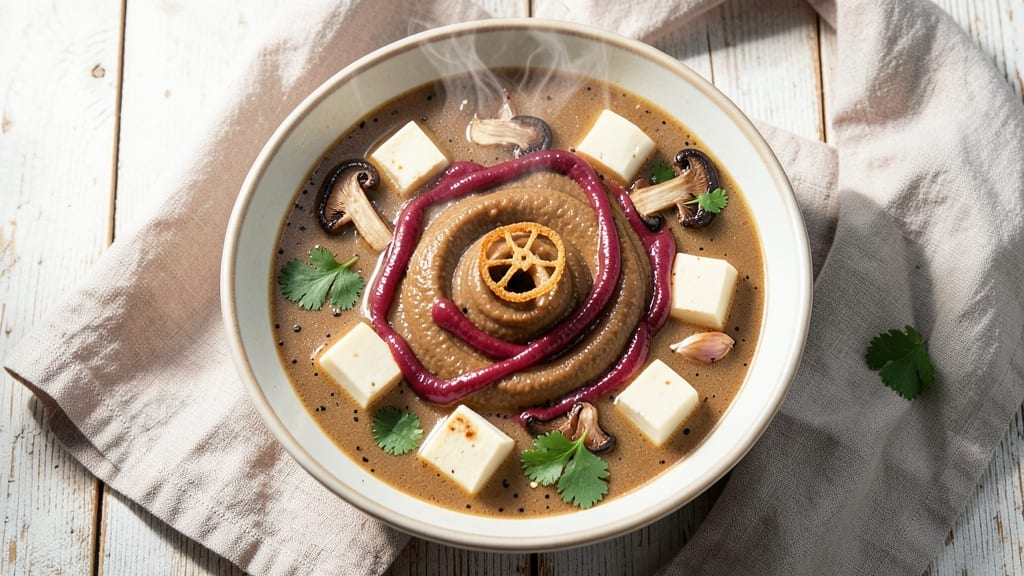
This bean paste soup recipe transforms simple ingredients into a velvety, umami-rich bowl that warms the soul and satisfies cravings. 🌟 The secret lies in fermented bean paste—whether it's miso, red bean, or chili paste—each adding depth and complexity to the broth.
I've perfected this technique over years of testing, balancing salty, sweet, and savory notes for a harmonious flavor profile that's both comforting and refined.
The beauty of this soup is its versatility. You can start with a light, clear broth or build a hearty stew, depending on your preference. Silky bean swirls melt into the liquid as it simmers, creating a luxurious texture that makes every spoonful feel indulgent.
Whether you're serving it as a starter, a light lunch, or a cozy dinner, this recipe delivers restaurant-quality results with minimal effort.
What sets this recipe apart is the way the bean paste transforms ordinary ingredients—like tofu, mushrooms, or vegetables—into something extraordinary. The slow simmering process allows flavors to meld together, creating a broth that's rich yet balanced.
By the time you're done, you'll have a soup that's not just nourishing but downright addictive.
Perfect for weeknight dinners or special occasions, this soup pairs beautifully with steamed rice or crusty bread. The best part? It reheats even better the next day, making it ideal for meal prep. Let's get started on creating your own umami-packed masterpiece.
Ingredients for bean paste soup
Simple pantry staples and a few specialty finds create this velvety, umami-packed masterpiece.
| Ingredient | Amount | Notes |
|---|---|---|
| Miso Paste 🧈 | ½ cup | White or red miso preferred |
| Red Bean Paste 🌶️ | ⅓ cup | Substitute for miso if unavailable |
| Chicken or Vegetable Broth 💧 | 4 cups | Homemade or quality store-bought |
| Silken Tofu 🍲 | 1 block | Cut into silky ribbons (about 1 cup) |
| Shiitake Mushrooms 🍄 | 6 whole | Stems removed, sliced thin |
| Garlic Cloves 🧄 | 4 cloves | Minced for aromatic depth |
| Fresh Ginger 🌿 | 1 inch | Peeled, julienned thinly |
| Scallions 🧅 | 3 whole | Thinly sliced for garnish |
| Sesame Oil 🫒 | 1 tbsp | Toasted for nutty aroma |
| Rice Vinegar 🍶 | 1 ½ tbsp | For subtle acidity balance |
| Soy Sauce 🥢 | 1 tbsp | For umami depth |
| Honey or Maple Syrup 🍯 | 1 tbsp | Adjust to taste for sweetness |
| Steamed White Rice 🍚 | 2 cups | Cooked separately for serving |
| Toasted Sesame Seeds 🌾 | 1 tsp | For garnish and crunch |
The bean paste is non-negotiable here—look for high-quality miso at Asian markets or the international aisle at Whole Foods. I prefer white miso for delicate flavor, but red adds deeper richness. If you can't find red bean paste, substitute with chili bean paste for heat. Fresh shiitake mushrooms make all the difference—they're worth the splurge if you can find them. For tofu, silken is essential—it dissolves beautifully into the broth, creating those signature silky swirls. If you're using chicken broth, homemade is best, but Kitchen Basics or Pacific Foods brands are solid store-bought options.
No miso? Double the red bean paste and add a splash of fish sauce for umami. Fresh ginger waning? Ginger powder works at half the amount, but it's not the same. The sesame oil is purely for aroma—add it last to keep the flavor bright. Short on scallions? Green onions or chives work in a pinch. The broth base matters most—never use instant granules. For extra depth, toast the garlic and ginger in oil before adding to the broth. The honey or maple syrup balances the saltiness—adjust to taste, but don't skip it entirely.
This soup tastes even better the next day—make extra and store it. Keeps for 5 days in the fridge or 3 months frozen. I portion mine into glass containers for easy reheating. The tofu ribbons and mushrooms can be prepped ahead and stored in the fridge for 2 days before adding to the soup. For serving, keep the sesame seeds and scallions separate until the very end so they stay fresh and crisp.
Why You'll Love This Recipe
- Pantry Magic: I swear by this one—just open jars, no fancy shopping. Miso and red bean paste are my go-to shortcuts, and they turn a few minutes of stirring into something rich and satisfying. The broth does the heavy lifting, so you’re basically rewarded for existing.
- Umami Bomb: That combo of miso and shiitake mushrooms? It’s like a flavor hug. The earthy depth of the mushrooms soaks into the broth, while the red bean paste adds this sweet, velvety contrast—silken tofu just melts into it like a dream. Honestly, one sip and you’ll forget you didn’t spend hours simmering.
- Weeknight Wonder: This is my "I have nothing but beans and willpower" meal. Double the batch on Sunday, and you’ve got lunch for days—just reheat and adjust the broth. It’s the kind of soup that tastes even better the next day, so no guilt if you make too much.
- Budget Hug: I make this when my wallet’s lighter than my appetite. Canned broth, dried shiitake (or fresh if you’re feeling fancy), and tofu stretch it far. Leftovers? Even better. It’s the kind of dish that makes you feel like you’re eating a restaurant meal without the restaurant price tag.
Step-by-step instructions for bean paste soup
Here's how to create a velvety bean paste soup with layers of umami and silky texture.
🍳 Step 1: Build the Umami Base
In a medium saucepan, combine the 4 cups chicken or vegetable broth with the 0.5 cup miso paste and 0.33 cup red bean paste. I like to use a whisk here to dissolve the pastes completely—no lumps allowed. Bring to a gentle simmer over medium heat until the mixture thickens slightly, about 5-7 minutes. You'll notice the broth develop a deeper, richer color and aroma.
This is where all the umami magic happens. The miso and red bean paste blend together, creating that signature depth that makes this soup so addictive. If you're using white miso, you'll get a cleaner flavor profile, while red miso adds a touch of complexity. Keep the heat low to prevent the pastes from burning—you're looking for a slow, even melding of flavors.
🍳 Step 2: Infuse with Aromatics
Add the 6 sliced shiitake mushrooms, 4 minced garlic cloves, and 1 inch julienned fresh ginger to the simmering broth. Let everything cook together for 3-4 minutes until the mushrooms soften and the garlic becomes fragrant. The mushrooms should release their earthy essence into the broth, while the ginger adds a subtle warmth that balances the richness.
Here's the thing—don't skip this step. The mushrooms and aromatics form the flavor foundation. I stir occasionally to prevent anything from sticking to the bottom. If you notice the mushrooms releasing too much liquid, let it reduce naturally—this concentrates their flavor. The broth should smell like a cozy kitchen in Japan, with layers of savory, earthy, and slightly sweet aromas.
🍳 Step 3: Sweeten and Finish the Broth
Stir in the 1 tbsp soy sauce, 1 tbsp honey or maple syrup, and 1.5 tbsp rice vinegar. Simmer for another 2-3 minutes until the flavors meld completely. Taste and adjust the sweetness—you want it to complement the umami without overpowering it. The rice vinegar adds just the right amount of brightness to cut through the richness.
This is where the soup comes together. The soy sauce deepens the umami, the honey adds a touch of sweetness that makes the whole dish more approachable, and the vinegar prevents it from being too heavy. I like to let it sit off the heat for 1-2 minutes while I prepare the tofu—this resting period lets the flavors settle and intensify.
🥘 Step 4: Add Silky Tofu Swirls
Cut the 1 block silken tofu into long, thin ribbons—about ¼-inch wide. Gently swirl them into the warm broth using a pair of chopsticks or a fork. The tofu should disperse evenly, creating those beautiful silky strands that make this soup so special. Don't overmix—just enough to distribute them throughout.
I find that adding the tofu off the heat prevents it from breaking down too much. The warm broth will gently cook the tofu just enough to make it tender and silky. If you prefer a firmer texture, add the tofu when the broth is still simmering but reduce the cook time to 1-2 minutes after adding it. The tofu should maintain its shape but still be tender enough to eat with a spoon.
🍽️ Step 5: Serve with Garnishes
Ladle the soup into bowls and garnish each serving with 1 tsp toasted sesame seeds and 3 thinly sliced scallions. Drizzle with 1 tbsp sesame oil just before serving to add another layer of nutty aroma. Serve immediately with 2 cups steamed white rice on the side for soaking up every last drop of that umami-rich broth.
Here's the moment you've been waiting for—taste your creation. The soup should have a velvety texture with visible tofu ribbons, a deep umami flavor from the bean pastes, a touch of sweetness from the honey, and a bright finish from the vinegar. Each spoonful should be perfectly balanced, with the rice providing the ideal contrast to soak up the rich broth. Enjoy immediately while it's hot—this soup tastes best fresh from the pot!
Pro Tips For Making Bean Paste Soup
- Bloom the Shiitake First: Toss sliced shiitake in a splash of broth or water right after cutting—let them sit for 10 minutes while you prep the rest. This jumpstarts flavor extraction so they don’t just sit there like sad, flavorless wallpaper in your soup. (Yes, even if you’re impatient like me.)
- Simmer the Pastes Slow: After adding miso and red bean paste, keep the heat at a bare simmer—not a rolling boil. I learned this the hard way when my soup turned bitter and grainy from overcooking the pastes. Think "gentle bubbles," not "erupting volcano."
- Cube the Tofu Fresh: Don’t use pre-packaged silken tofu cubes—slice your own block right before adding to the broth. The texture stays silky, not mushy, and it absorbs the soup’s flavors like a sponge. (Pro move: Pat it dry first if your tofu’s extra wet.)
- Salt the Broth Early: Season the broth before adding the pastes, not after. The miso and red bean paste already pack saltiness, and if you wait, you’ll end up guessing how much more to add—or worse, overdoing it. Taste the broth alone first, then adjust.
Regional styles of this dish
Japanese Miso Soup
This is the classic version you'll find in Japanese homes, where white miso paste creates a delicate, fermented flavor. I prefer using Kikkoman or Marukome miso for that authentic taste. The soup is traditionally served with tofu, wakame seaweed, and scallions—though I've adapted it with shiitake mushrooms for extra depth.
The key here is patience: let the miso dissolve completely into the broth for a smooth, velvety texture. 🌟
Chinese Red Bean Soup
In Southern Chinese cuisine, this soup often features red bean paste (douganjiang) or fermented red beans for a richer, slightly spicy profile. I like to add a pinch of Sichuan peppercorns for a subtle numbing heat.
The soup is often thicker, almost like a stew, and served with steamed buns or congee. For authenticity, use dried red beans soaked overnight—they create a naturally sweet, earthy flavor that pairs perfectly with the bean paste.
Korean Doenjang Jjigae
This fermented soybean paste soup is a Korean staple, often made with doenjang (fermented soybean paste)—similar to miso but with a deeper, funkier flavor. I recommend Soy Gourmet doenjang for the best results.
The soup is heartier, with added ingredients like pork belly or kimchi—both of which I've omitted in the base recipe but can be easily incorporated. The broth is thicker and more robust, making it a perfect cold-weather dish. 💛
Thai Fermented Bean Paste
In Thai cuisine, this soup often uses tauco (fermented soybean paste), which has a tangy, slightly sweet profile. I like to add a splash of fish sauce—about 1 tsp—to enhance the umami.
The soup is often served with rice noodles or jasmine rice—both of which pair beautifully with the rich broth. For extra depth, I sometimes stir in a bit of Thai chili paste—just enough to add a gentle kick without overpowering the dish.
Vietnamese Mắm Tôm Soup
While not a direct match, Vietnamese mắm tôm (shrimp paste) can be incorporated into this soup for a unique, briny depth. I recommend using it sparingly—just ½ tsp—and balancing it with a touch of lime juice—about 1 tsp—to brighten the flavors.
The soup takes on a slightly funkier, more complex profile, making it a fantastic twist on the classic bean paste soup. Serve it with steamed rice and fresh herbs—like cilantro or Thai basil—for a refreshing contrast. 🌶️
Nutrition facts
Frequently asked questions
Can I substitute miso paste with another bean paste?
For a sweeter profile, use red bean paste (like douganjiang) at a 1:1 ratio. For heat, try chili bean paste (reduce to ⅓ cup) and add 1 tsp sugar to balance. Each paste changes the flavor—miso is fermented and funky, while red bean adds natural sweetness.
Why does my soup taste too salty?
Bean pastes are naturally salty, so taste as you go! If it's too strong, add 1 tbsp honey or ½ cup extra broth to dilute. The rice vinegar also helps balance saltiness. For prevention, start with ¼ cup miso and adjust.
How do I make the tofu ribbons look professional?
Use a mandoline slicer for even ¼-inch strips, or cut by hand with a sharp knife. Swirl them gently with chopsticks in warm (not boiling) broth. For extra silkiness, soak tofu in ½ cup broth for 10 minutes before adding.
Can I make this soup vegetarian?
Yes! Use vegetable broth and swap mushrooms for shiitake or enoki. Add seaweed strips (like wakame) for umami. For protein, include tempeh or edamame instead of tofu. The bean paste provides all the savory depth you need.
How long can I store leftovers?
Store in an airtight container for 5 days in the fridge or 3 months frozen. Reheat gently on low heat—never microwave directly from frozen. The flavors actually improve overnight! For best texture, add fresh tofu ribbons when reheating.