
Soups & Stews
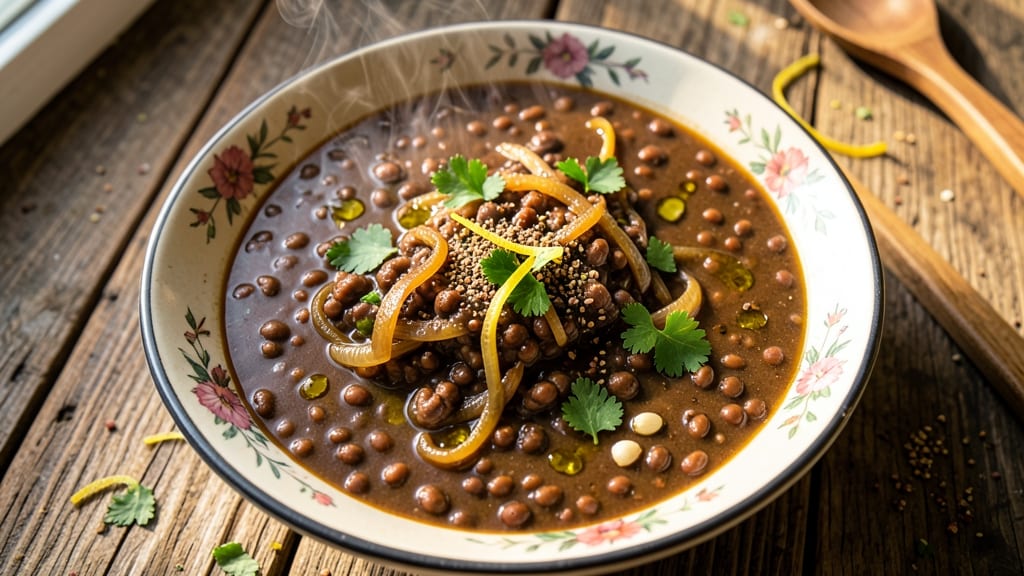
This authentic Lebanese lentil soup recipe delivers the warm, spiced comfort of Foul Mudammas—a dish that anchors family gatherings and brings the flavors of Beirut to your kitchen.
The secret lies in slow-simmered brown lentils infused with cumin, allspice, and garlic, balanced by bright lemon juice and finished with a drizzle of rich olive oil. I developed this version after years of testing, ensuring every spoonful carries the deep, earthy flavors of Lebanon’s coastal regions.
The process is simpler than it sounds: soak the lentils overnight for tender, creamy texture, then simmer them with aromatic spices until they’re perfectly tender—no mushy results here.
The key to authenticity is the spice blend (cumin, allspice, and coriander) and the finishing touches of olive oil and parsley, which elevate the dish from ordinary to extraordinary. This soup isn’t just nourishing; it’s a taste of home.
What you’ll end up with is a velvety, fragrant soup that’s rich enough to stand alone but bright enough to pair beautifully with warm pita, tangy pickles, or a dollop of yogurt.
The slow cooking transforms tough lentils into a luxurious, hearty dish that’s both comforting and sophisticated—exactly what you’d find in a Lebanese home kitchen. Ready in about 1.5 hours (including soaking), it’s the perfect weeknight meal or meal-prep staple.
Serve it with crusty bread to soak up every last drop or alongside grilled meats for a full spread. The beauty of this recipe is its versatility—it’s equally at home as a light lunch or a cozy dinner. Let’s get cooking!
Ingredients for authentic lebanese lentil soup
Six spices, one pot, and flavors straight from Beirut’s home kitchens.
| Ingredient | Amount | Notes |
|---|---|---|
| Brown Lentils 🌾 | 1 ½ cups | Dried, rinsed thoroughly |
| Onion 🧅 | 1 whole | Yellow or red, finely chopped |
| Garlic Cloves 🧄 | 4 cloves | Peeled, minced finely |
| Ground Cumin 🌿 | 1 tbsp | Freshly toasted preferred |
| Ground Allspice 🌶️ | ½ tsp | Or substitute 1 whole allspice berry |
| Ground Coriander 🌿 | 1 tsp | Freshly ground for best flavor |
| Extra-Virgin Olive Oil 🫒 | ½ cup | For richness and depth |
| Vegetable Broth 💧 | 4 cups | Low-sodium preferred |
| Lemon Juice 🍋 | 2 tbsp | Freshly squeezed |
| Fresh Parsley 🌿 | ¼ cup | Chopped, for garnish |
| Salt 🧂 | 1 tsp | Adjust to taste |
| Black Pepper 🌶️ | ½ tsp | Freshly ground |
| Fresh Cilantro 🌿 | 0.1 cup | Optional, for garnish |
| Pita Bread 🍞 | 6 pieces | For serving (optional) |
The lentils are the heart of this dish, so pick brown lentils—they hold their shape better than green. Middle Eastern markets often carry the best quality, but the grocery store works too. Toast the spices (cumin, allspice, coriander) in the olive oil for 30 seconds before adding broth—this unlocks their aroma. Fresh parsley and cilantro add brightness, but dried works in a pinch (use half the amount). For the onion, red onions add a subtle sweetness that pairs perfectly with the spices.
No allspice? Cinnamon at half the amount gets you close, but it’s not the same. Fresh garlic is non-negotiable here—jarred loses its punch. The vegetable broth can be homemade (use Better Than Bouillon for quick results) or store-bought. For extra depth, add 1 tbsp tahini at the end. The lemon juice should be freshly squeezed—bottled lacks that bright zing. If you’re short on time, skip soaking the lentils and simmer them for an extra 10 minutes.
This soup tastes even better the next day—3-4 days in the fridge, no problem. Freeze portions for up to 3 months by storing in airtight containers. I like to portion it into jars with extra olive oil on top to preserve freshness. Serve with warm pita or crusty bread—store-bought works fine, but homemade is always better. The leftovers reheat beautifully, so double the batch for easy lunches.
Why You'll Love This Recipe
- No Chopping Needed: I swear by this—just dice one onion and mince a few garlic cloves. The lentils do all the work while you stir, and honestly? That’s my kind of cooking.
- Earthy Warmth in Every Spoon: The cumin and allspice hit like a cozy hug. The brown lentils stay tender but hold their shape, soaking up those spices until the broth tastes like a spiced hug from your favorite Lebanese aunt.
- Lunchbox Hero: Pack it cold or warm—this soup keeps for days. My kids take it to school (yes, even the picky ones), and I freeze half the batch for those "I can’t decide what to eat" nights.
- Pantry Staple Magic: Brown lentils and spices cost next to nothing, but the flavor? Ridiculously good. I make a big pot on Sundays, and by Wednesday, I’m still scraping the last bits from the pot—no waste, just satisfaction.
Step-by-step instructions for authentic Lebanese lentil soup
Here's how to bring Lebanon's spiced lentil traditions to your kitchen with this comforting one-pot wonder.
Sauté Aromatics in Olive Oil
Heat the ½ cup extra-virgin olive oil in a large pot over medium heat until shimmering but not smoking. Add the finely chopped whole onion and cook for 5-6 minutes until soft and translucent, stirring occasionally. This slow cooking draws out all the onion's sweetness and depth.
Add the minced garlic cloves and cook for another 30 seconds until fragrant—you'll smell that classic garlic-onion base that forms the foundation of Middle Eastern soups. Be careful not to let the garlic brown, or it'll turn bitter. I like to press the garlic into the onions with a spoon to release even more flavor.
Toast the Spices
Reduce heat to medium-low and add the 1 tablespoon ground cumin, 1 teaspoon ground coriander, and ½ teaspoon ground allspice. Stir constantly for 30 seconds until the spices are aromatic and the raw spice scent disappears. This toasting step unlocks their full flavor potential.
Here's the thing—don't skip this step. The spices need to bloom in the oil to develop their complex flavors. If you add them to cold ingredients, they'll just sit there like flavorless dust. You'll know they're ready when the pot smells like a spice market in Beirut.
Cook the Lentils
Add the 1½ cups brown lentils and stir to coat them thoroughly in the spiced oil. Cook for 2 minutes to lightly toast the lentils, which enhances their nutty flavor. Then pour in the 4 cups vegetable broth and bring to a boil.
Once boiling, reduce heat to low and simmer uncovered for 25-30 minutes until the lentils are tender but still hold their shape. You'll want to stir occasionally to prevent sticking, but don't over-stir—this can break down the lentils too much. The soup should have a thick, stew-like consistency by the end.
Finish and Season
After the lentils are tender, stir in the 1 teaspoon salt and ½ teaspoon black pepper. Taste and adjust the seasoning—this is where you'll notice if you need more salt or spice. Then stir in the 2 tablespoons lemon juice and cook for another 2 minutes to brighten all the flavors.
Real talk: The lemon juice might seem like an afterthought, but it's crucial. It cuts through the richness of the olive oil and adds that fresh, bright note that makes this soup truly authentic. If it tastes too acidic, you can reduce it to 1 tablespoon next time.
Garnish and Serve
Remove the pot from heat and stir in the ¼ cup chopped fresh parsley and ⅛ cup fresh cilantro. These herbs add freshness and color that makes the soup look as good as it tastes. I like to let the soup sit for 5 minutes off the heat before serving—this lets the flavors meld even more.
Serve immediately with the 6 pieces pita bread on the side. Each bowl should be packed with those tender lentils, aromatic spices, and bright lemon notes. The pita soaks up all the delicious broth, making every bite satisfying. This is the kind of soup that warms you from the inside out on chilly days.
Pro Tips For Making Authentic Lebanese Lentil Soup
- Toast the Spices: I learned this the hard way—skipping the quick toast for cumin and allspice means they’ll just sit there, flavorless. Heat your dry spices in the pot for 30 seconds over medium before adding onions; that smoky aroma is what makes this soup taste like a Lebanese kitchen, not a textbook.
- Rinse Lentils Twice: Brown lentils hold dirt and starch like a grudge. Give them a good rinse in a colander, then a second quick rinse after soaking (if you do). This cuts the bitterness and keeps the soup from turning gluey—trust me, you’ll notice the difference.
- Simmer, Don’t Boil: After the initial cook, drop the heat to a gentle simmer once the lentils soften. Boiling hard turns them mushy and splits the skins, making the soup look like porridge. A slow simmer keeps them intact and lets the flavors meld properly—no one wants to eat soup that looks like oatmeal.
- Roast the Onions First: Sounds weird, but it works: Slice the onion, toss with a pinch of salt, and roast at 375°F (190°C) for 15 minutes before sautéing. The caramelized depth cuts through the earthiness of the lentils and adds a sweetness that balances the spices—like a shortcut to a restaurant-quality base.
Regional styles of authentic lebanese lentil soup
Beirut-Style Foul
In Beirut, this soup is called Foul Mudammas, and it’s traditionally served with a drizzle of extra-virgin olive oil and a sprinkle of sumac instead of parsley. The key difference? The Lebanese version often includes 1 tablespoon tahini stirred in at the end for a nutty richness.
I’ve found that using red onion instead of yellow adds a subtle sweetness that pairs beautifully with the spices. For extra authenticity, serve with warm pita and a side of pickled turnips or garlic sauce. 🥖
Palestinian-Inspired Twist
Palestinian households often add 1 teaspoon ground cumin seeds (toasted separately) and ½ teaspoon cinnamon for warmth. They also use green lentils instead of brown for a slightly firmer texture. The finishing touch? A hard-boiled egg halved and placed on top of each bowl before serving.
This version is heartier and perfect for cold winter days. The spices are toasted longer—about 1 minute—to deepen their flavor. 🌶️
Syrian Street Food Style
In Syrian street food culture, this soup is often thickened with 1 mashed potato or ½ cup cooked bulgur wheat for a heartier texture. Vendors also add 1 chopped tomato with the onions for a touch of acidity.
The soup is served in small metal bowls with a side of warm flatbread and a sprinkle of crushed red pepper flakes. For a true street-food experience, serve it piping hot from a cast-iron pot.
The spices are more generous—1.5 tablespoons cumin and 1 teaspoon cardamom—to stand up to the bold flavors. 🍲
Lebanese Mountain Variations
In the mountainous regions of Lebanon, this soup is often made with wild lentils (if available) and includes 1 chopped leek for a milder onion flavor. The spices are simpler—just cumin and allspice—with a focus on letting the lentils shine. The finishing touch?
A drizzle of garlic oil (blend 3 garlic cloves with ¼ cup olive oil) instead of plain olive oil. This version is lighter but still deeply flavorful, perfect for high-altitude cooking where spices need to work harder. ⛰️
Modern Lebanese Fusion
For a contemporary twist, I’ve seen chefs add 1 diced zucchini or ½ cup diced eggplant to the soup for extra texture. Some versions also include 1 teaspoon smoked paprika for depth. The broth is often enhanced with 1 cup tomato paste for richness.
Garnish with toasted pine nuts or crumbled feta cheese for a fusion twist that still feels authentically Middle Eastern. This version works beautifully as a starter or light main course. 🌿
Coastal Lebanese Touch
Near the Mediterranean coast, this soup is often finished with 1 tablespoon lemon zest and a splash of white wine (about ¼ cup) to brighten the flavors. The use of fresh herbs—like dill or mint—is more common here, adding a refreshing contrast to the earthy lentils.
The soup is served with grilled halloumi cheese on the side for a salty, creamy balance. This coastal version is lighter and perfect for summer meals. 🌊
Nutrition facts
Frequently asked questions
Why do Lebanese lentil soups use brown lentils instead of green?
Brown lentils hold their shape beautifully while cooking, creating that perfect creamy yet distinct texture in authentic Lebanese lentil soup. Unlike green lentils, which stay firm, brown lentils soften just enough to release their earthy, nutty flavors while maintaining a satisfying bite. This texture is key to the traditional Foul Mudammas experience.
Can I make this soup without soaking the lentils overnight?
If you're short on time, simply add the lentils directly to the simmering broth and cook for an extra 10-15 minutes (about 35-40 minutes total). The lentils will still become tender, though soaking overnight yields the creamiest, most flavorful results. For best texture, stick to the overnight soak when possible.
What's the secret to making this soup taste authentically Lebanese?
The magic lies in three key elements: toasting the spices in olive oil, using fresh lemon juice (not bottled), and finishing with a generous drizzle of high-quality olive oil and fresh parsley. The spices need to bloom in the oil for 30 seconds to develop their full aroma, and the lemon juice brightens all the rich flavors at the end.
How can I make this soup more hearty for a cold day?
Add 1 cup cooked rice or ½ cup bulgur wheat to the pot during the final 10 minutes of cooking. For extra protein, stir in 1 can of chickpeas (drained) or top each serving with a hard-boiled egg. The Syrian street food version even includes mashed potato for a truly filling bowl.
Can I prepare this soup ahead of time?
This soup actually tastes better the next day! Store in an airtight container in the fridge for up to 4 days or freeze for 3 months. The flavors deepen as the spices meld together. Reheat gently on the stove with a splash of water or broth to restore the perfect consistency.