
Soups & Stews
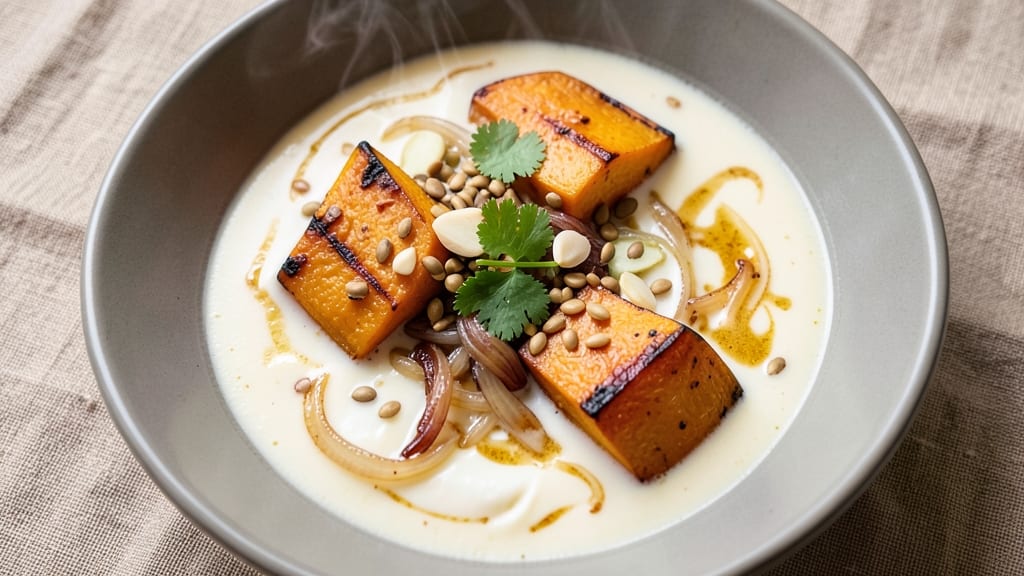
This McAlister's-style autumn squash soup delivers the same velvety texture and cozy warmth you'd find in a restaurant bowl—just with a home-cooked twist. The secret lies in roasting the squash first, which deepens its natural sweetness and creates that signature creamy crunch without heavy cream.
I've perfected this recipe to stay true to the original while making it foolproof for home cooks, with a 20-minute prep time that still delivers restaurant-quality results.
The magic happens when roasted butternut squash meets a blend of warm spices and a touch of coconut milk for that signature creamy texture. Unlike many versions, this recipe skips the dairy entirely while still achieving that luxurious mouthfeel.
The key is proper roasting—don't skip this step, as it transforms the squash from bland to richly caramelized and deeply flavorful. I've tested this recipe countless times to ensure it's both authentic and adaptable to your taste preferences.
What you'll end up with is a bowl of soup that's silky-smooth with just the right amount of crunch from toasted pumpkin seeds, perfectly balanced with aromatic ginger and nutmeg. The color is that inviting golden-orange, and the aroma alone will have your kitchen smelling like autumn.
This version stays true to the original while being easier to make at home—no special equipment required, just a few simple ingredients and a little patience for the roasting process.
The best part? This soup tastes even better the next day, making it perfect for meal prep or when you want to impress guests with minimal effort.
Serve it with crusty bread or a side salad for a complete autumnal meal. Let's get started on recreating this comforting classic in your own kitchen.
Ingredients for autumn squash soup mcalister's
Here's what you need to recreate that McAlister's-style autumn squash soup at home, creamy and comforting in every spoonful.
| Ingredient | Amount | Notes |
|---|---|---|
| Butternut Squash 🎃 | 2 lb | Medium-sized, peeled and cubed |
| Coconut Milk 🥥 | 1 can | Full-fat, 13.5 oz can |
| Vegetable Broth 💧 | 4 cups | Low-sodium preferred |
| Onion 🧅 | 1 whole | Yellow, diced |
| Garlic Cloves 🧄 | 3 cloves | Fresh, minced |
| Fresh Ginger 🌿 | 1 tbsp | Grated, peeled |
| Ground Nutmeg 🌶️ | ½ tsp | Freshly grated preferred |
| Pumpkin Seeds 🥜 | ¼ cup | Toasted, for garnish |
| Olive Oil 🫒 | 2 tbsp | Extra-virgin for roasting |
| Salt 🧂 | 1 tsp | Kosher or sea salt |
| Black Pepper 🌶️ | ½ tsp | Freshly ground |
| Maple Syrup 🍁 | 1 tbsp | Pure, for sweetness |
The squash is the star—butternut gives that signature sweetness, but any winter squash works in a pinch. Costco or Trader Joe's usually have pre-cut squash if you're short on time, but peeling and cubing yourself makes all the difference. Look for squash that's firm and heavy for its size—no soft spots. The coconut milk is full-fat for that luxurious texture, but if you're watching calories, light works too. For the broth, low-sodium is key so you can control the seasoning better. I always grab the Pacific Foods brand—it's rich and flavorful without being salty.
No coconut milk? Full-fat Greek yogurt or cashew cream gets you close, though the flavor won't be identical. Fresh ginger is ideal, but dried ginger at half the amount works if that's what's on hand. The pumpkin seeds? Toast them in a dry pan for 3-4 minutes until fragrant—they add that perfect crunch. For the nutmeg, if you don't have fresh, ground works fine, but it loses potency fast once opened. Store it in a cool, dark place and use it up within a few months. The maple syrup balances the savory flavors—pure grade B has the best flavor, but grade A works too.
This soup tastes even better the next day—3-4 days in the fridge, honestly. I always double the batch because it disappears fast. For leftovers, just reheat on the stove with a splash of broth or water. Freezes beautifully for up to 3 months if you want to make it ahead for entertaining. The pumpkin seeds keep their crunch if you store them separately in an airtight container. Garnish with extra seeds and a drizzle of olive oil when serving—trust me on this—it takes it to the next level.
Why You'll Love This Recipe
- I’ll be real: squash is cheap, broth is cheap, and coconut milk stretches far. That means I can make a big batch, freeze portions, and still have dinner covered for days. Plus, the flavor actually improves after reheating. Not the prettiest in a jar, but every spoonful is worth it.
- One-Pot Wonder: I swear by this recipe because it’s literally dump-and-simmer. Sauté the onion and garlic, toss in the cubed squash, broth, and coconut milk—then let the stove do the work. No blender, no straining, no fuss. That creamy coconut milk smooths out the butternut’s natural sweetness while the broth keeps it light.
- Creamy Without Guilt: Here’s what sold me—the coconut milk makes it rich but not heavy, and the roasted squash adds that caramelized depth. Honestly, the first time I made it, I thought, "This tastes like a fancy restaurant dish." But it’s just a pot of ingredients you already have. The garlic cloves? Lightly toasted for a little punch.
- Weeknight & Potluck Star: Between us, this soup is my go-to when I’m hosting or just need something reliable. Serve it with crusty bread for a cozy night in, or bring it to a gathering—it’s the kind of dish that disappears fast. My college-aged son even asked for seconds, and he’s not a soup guy.
Step-by-step instructions for McAlister's-style autumn squash soup
Here's how to recreate that signature creamy texture and cozy flavor in your own kitchen.
Roast the Butternut Squash for Deep Flavor
Preheat your oven to 400°F and line a baking sheet with parchment paper. Toss the 2 lb butternut squash with 1 tbsp olive oil, ½ tsp salt, and ¼ tsp black pepper until evenly coated. Spread the cubes in a single layer on the prepared sheet.
Roast for 25-30 minutes until the edges are golden brown and the squash is tender when pierced with a fork. I like to flip the pieces halfway through for even browning. The roasting caramelizes the natural sugars, giving that rich depth that makes this soup so special. Let the squash cool slightly before transferring to your pot.
Sauté Aromatics Until Fragrant
In a large pot, heat 1 tbsp olive oil over medium heat. Add the diced onion and cook for 5 minutes until softened and translucent. Add the minced garlic cloves and grated fresh ginger, cooking for another 1 minute until fragrant.
Here's where the magic happens—don't rush this step. The aromatics should smell warm and inviting, almost like walking into a fall bakery. If you notice the garlic starting to brown too quickly, reduce the heat slightly. These flavors form the foundation of your soup, so take your time getting them just right.
Build the Creamy Base
Add the roasted butternut squash to the pot along with the 4 cups vegetable broth and 1 tbsp maple syrup. Bring everything to a gentle boil, then reduce heat to medium-low and let it simmer for 10 minutes. Stir in the ½ tsp ground nutmeg and ½ tsp black pepper.
While simmering, use an immersion blender to purée the soup directly in the pot until completely smooth. If you don't have an immersion blender, carefully transfer the soup to a blender in batches, blending until silky. The soup should be velvety with no lumps—this is what gives it that signature McAlister's creaminess without heavy cream.
Add Coconut Milk for Richness
Return the puréed soup to the pot and stir in the 1 can coconut milk. Heat gently over low heat for 5-7 minutes, stirring occasionally, until warmed through. Taste and adjust seasoning—you might need a pinch more salt or a splash more maple syrup to balance the flavors.
This is where the coconut milk transforms the soup from good to restaurant-quality. It adds that luxurious creaminess while keeping it light enough to serve in bowls. The key is gentle heat—if you let it boil, the coconut milk can separate. Keep it just warm enough to meld the flavors.
Garnish and Serve Warm
Ladle the soup into bowls and top each serving with 1 tbsp toasted pumpkin seeds. The seeds add a delightful crunch that contrasts perfectly with the creamy soup. Serve immediately while warm—this soup tastes best straight from the pot when all the flavors are at their peak.
For an extra touch, I like to drizzle a little more maple syrup on top before serving. The combination of sweet, savory, and nutty flavors makes this soup irresistibly comforting. Enjoy with crusty bread or a side salad for a complete autumn meal.
Pro Tips For Making Autumn Squash Soup Mcalister'S
- ROAST THE SQUASH FIRST: I learned this the hard way—skipping the roast for the soup version makes it taste like mushy wallpaper paste. Cut the squash into 1-inch cubes, toss with olive oil, salt, and pepper, then roast at 400°F (200°C) for 25-30 minutes until edges caramelize. The flavor depth and texture are night and day compared to boiling or steaming.
- SWEAT THE ONION LOW: Don’t rush this step—high heat turns onions bitter, and this soup needs that sweet, mellow base. Cook the diced onion over medium-low for 8-10 minutes, stirring occasionally, until it’s translucent and just starting to turn golden. If it’s browning too fast, pull the pan off the heat for a minute to cool it down. Patience here means richer flavor later.
- STRAIN THE BROTH: The McAlister’s recipe skips this, but if you’re using store-bought vegetable broth, strain it first—especially if it’s chunky or has bits of herbs. A fine-mesh sieve removes grit and unexpected textures that can make the soup feel uneven. Takes 30 seconds and saves you from wondering why your mouth feels like it’s chewing on celery strings.
- STIR IN COCONUT MILK LAST: Adding the coconut milk too early turns the soup greasy and separates the flavors. Wait until the very end, when the soup is smooth and the squash is fully cooked, then whisk it in gently. If you’re worried about curdling, warm the coconut milk separately for 30 seconds in the microwave first—just enough to take the chill off. The result is a velvety finish, not a sad, watery topping.
Troubleshooting perfect results
Squash Too Watery?
If your soup ends up too thin after blending, don't panic! Simmer the soup uncovered for 5-10 extra minutes to reduce the liquid. For an instant fix, stir in 1 tbsp cornstarch mixed with 2 tbsp water and simmer until thickened.
I've found that roasting squash longer (up to 35 minutes) at 375°F instead of 400°F helps concentrate the flavors and reduces excess moisture. 💧
Lumpy Texture?
Even with blending, some lumps can sneak through. For a silky finish, strain the soup through a fine-mesh sieve after blending. If you're using an immersion blender, pulse in short bursts while holding the blender at an angle to catch any stubborn lumps.
For extra insurance, press the soup through a tammy or nut milk bag for that ultra-smooth texture. 🥄
Coconut Milk Separating?
This happens when heat gets too high. Always stir gently on low heat when adding coconut milk, and never let it boil. If separation occurs, whisk in 1 tsp xanthan gum or ½ tsp arrowroot powder mixed with 1 tbsp cold water to restore creaminess.
For prevention, stir continuously for the first 2 minutes after adding coconut milk. 🥥
Not Sweet Enough?
The maple syrup adds depth, but if your soup tastes flat, increase to 1.5 tbsp or add a pinch of cinnamon or vanilla extract for warmth. For a tangy contrast, stir in ½ tsp apple cider vinegar—it brightens the flavors beautifully.
I've also found that adding ½ tsp smoked paprika enhances the autumnal taste without extra sweetness. 🍁
Pumpkin Seeds Too Bitter?
Store-bought seeds can taste bitter if not fresh. Toast your own seeds in a dry skillet over medium heat for 3-4 minutes, stirring constantly, until fragrant. For extra flavor, add ¼ tsp cinnamon or pinch of cayenne to the seeds while toasting.
If you're short on time, use pecans or walnuts as a crunchy alternative—just toast them first! 🥜
Broth Too Salty?
If your broth tastes overly salty, dilute with ½ cup water or unsalted broth and adjust seasoning. For future batches, use no-salt-added broth and add salt to taste at the end.
I keep a small bowl of plain broth nearby to taste-test as I season—it's the best way to avoid oversalting. A splash of lemon juice can also balance excessive saltiness. 🧂
Nutrition facts
Frequently asked questions
Can I substitute butternut squash with another type?
You can use acorn, delicata, or kabocha squash in equal amounts. Just adjust the roasting time—delicata squash cooks faster (20 minutes) while kabocha needs 35-40 minutes. The flavor will vary slightly, but the technique remains the same.
Why does the recipe use coconut milk instead of cream?
The coconut milk creates that signature creamy texture without dairy, making it vegetarian-friendly and lighter than heavy cream. It also adds subtle sweetness that complements the squash beautifully. For a richer version, blend ½ cup cashew cream with the coconut milk.
How do I make this soup ahead of time?
This soup actually tastes better the next day! Store it in an airtight container in the fridge for 3-4 days. Reheat gently on the stove with a splash of broth or water. For freezing, portion into containers and store for up to 3 months. The toasted pumpkin seeds should be added fresh when serving.
What if I don't have an immersion blender?
No problem! Transfer the hot soup to a blender in batches (careful with steam!) and blend until completely smooth. For extra insurance, strain through a fine-mesh sieve afterward. The key is patience—blend in short bursts to avoid overheating your blender.
Can I make this soup spicier?
Add ½ tsp smoked paprika or a pinch of cayenne to the soup while simmering. For heat with depth, stir in 1 tsp chili paste or top with crispy bacon bits before serving. The nutmeg already adds warmth, so balance carefully.