
Soups & Stews
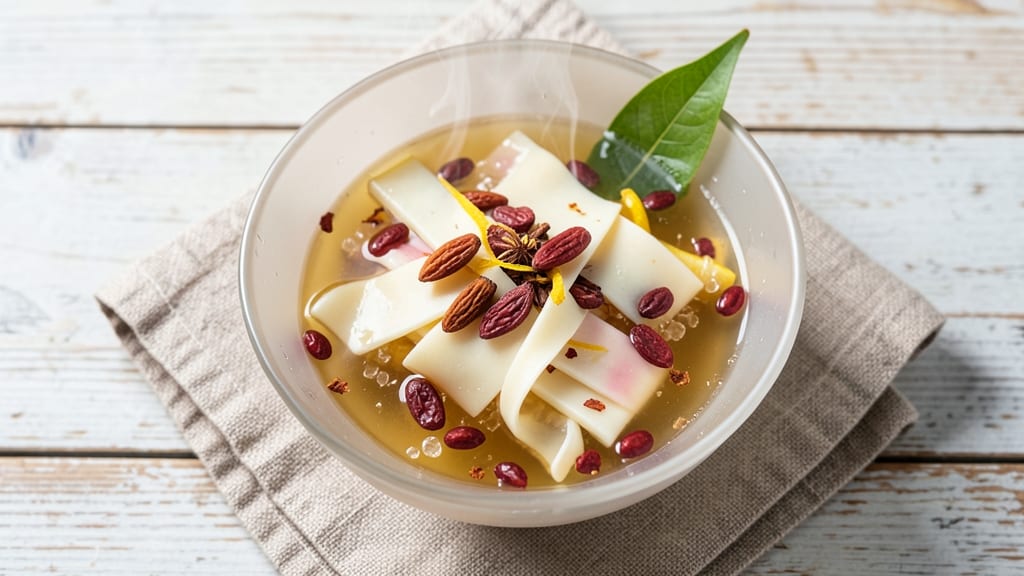
This Ba Wang Hua soup recipe brings the delicate floral aroma of osmanthus blossoms to your kitchen, transforming simple ingredients into a nourishing herbal broth. Traditionally used in Chinese medicine, this soup combines silky tofu ribbons with fragrant blossoms for both flavor and immune-boosting benefits.
The key lies in balancing sweet and herbal notes—just one sip transports you to a bustling Chinese apothecary.
The secret to an authentic Ba Wang Hua soup is simmering the osmanthus blossoms gently to release their floral essence without bitterness. We'll use silken tofu for its delicate texture, which absorbs the fragrant broth beautifully.
This recipe serves as both a comforting meal and a health tonic, perfect for seasonal transitions when immunity needs support.
What makes this fragrant osmanthus broth special is its dual nature: a soothing soup that also packs medicinal properties. The osmanthus flowers lend a subtle sweetness, while the tofu provides plant-based protein.
The result is a clear, aromatic broth that's light yet satisfying—ideal for warm weather or whenever you crave something both nourishing and elegant.
This traditional Chinese herbal soup pairs beautifully with steamed rice or as a standalone meal. The preparation is straightforward but requires patience during the simmering process. Let's create a bowl of comfort that's as good for your body as it is for your soul.
Ingredients for ba wang hua soup
Fragrant blossoms meet delicate tofu in this nourishing herbal broth recipe.
| Ingredient | Amount | Notes |
|---|---|---|
| Silken Tofu 🧀 | 1 lb | Cut into thin ribbons |
| Dried Osmanthus Blossoms 🌸 | 2 tbsp | High-quality, aromatic variety |
| Fresh Ginger Root 🧄 | ½ inch | PEELED, sliced thinly |
| Green Tea ☕ | 1 tbsp | Loose-leaf preferred |
| Rock Sugar 🍬 | 1 tbsp | Or granulated sugar |
| Dried Goji Berries 🍇 | ½ cup | Soaked in hot water |
| Dried Reishi Mushrooms 🍄 | 2 pieces | Sliced thinly |
| Fresh Osmanthus Leaves 🌿 | ¼ cup | Optional, for extra aroma |
| Shaoxing Wine 🍷 | 2 tbsp | Dry, aromatic variety |
| Vegetable Broth 💧 | 4 cups | Homemade or quality store-bought |
| Sesame Oil 🫒 | 1 tsp | For finishing, toasted |
| Salt 🧂 | ½ tsp | To taste, sea salt preferred |
| White Peppercorns 🌶️ | ¼ tsp | Freshly ground |
The osmanthus blossoms are the heart of this soup—look for dried flowers at Asian markets or specialty stores like Penzeys. They should smell intensely floral, not dusty. If you can't find them, jasmine tea bags in a pinch (remove the bag). The silken tofu must be high-quality; Nasoya or House Foods brands are reliable. Fresh ginger is non-negotiable—organic ginger from the produce section has the most zing. For the goji berries, soak them in hot water for 10 minutes before adding to the broth to soften them slightly.
No dried reishi mushrooms? Shiitake mushrooms work in a pinch, but they won't have the same earthy depth. Shaoxing wine can be swapped for dry sherry or mirin if unavailable. The rock sugar adds subtle sweetness—use honey if needed, but reduce to 0.5 tbsp to avoid overpowering. For extra floral notes, add a few drops of orange blossom water (available at Middle Eastern markets). The green tea isn't just for flavor—it adds a light astringency that balances the sweetness. If you're using tea bags, steep two bags in hot water for 2 minutes and strain.
This soup tastes even better the next day as the flavors meld. Store in an airtight container in the fridge for up to 3 days. For longer storage, freeze the broth separately from the tofu—it keeps for 3 months. Reheat gently over low heat, stirring occasionally. The tofu ribbons will absorb the broth beautifully when reheated. Garnish with a drizzle of toasted sesame oil and a sprinkle of white pepper right before serving for maximum aroma.
Why You'll Love This Recipe
- Just Five Ingredients: I swear, this is the kind of soup where you don’t need a grocery list—just the pantry staples you already own. Silken tofu, ginger, and rock sugar? That’s it for the heavy lifting, plus a handful of dried osmanthus blossoms for that je ne sais quoi. Honestly, I’ve made it with whatever tea bags I had on hand, and it still tastes like a little luxury.
- Fragrant Magic: Between us, that osmanthus tea isn’t just flavor—it’s a whole mood. The blossoms steep into the broth like a whisper of spring, while the ginger adds this bright, zesty kick that cuts through the tofu’s softness. Rock sugar? It dissolves into this subtle, caramel-like sweetness that makes the whole thing taste like a dessert you didn’t plan.
- Tea Time or Dinner: Here’s what sold me—this soup works anywhere. Too fancy for a weekday lunch? Add a splash of green tea and serve it chilled in a thermos. Hosting a tea ceremony? The same pot becomes an elegant centerpiece. My daughter even sneaks bites when I “forget” to pack her lunch—(yes, even on a Tuesday night).
- Leftovers That Beg: Between us, this soup improves the next day. The flavors meld like old friends, and the tofu soaks up all the aromatic goodness. I make a double batch on Sundays because reheating it is zero effort—just warm it, maybe add a splash of water, and it’s back to being crave-worthy. Budget-friendly? Absolutely. The ingredients cost pennies, but it feels like a splurge.
Step-by-step instructions for Ba Wang Hua soup
This delicate broth transforms simple ingredients into a fragrant, silky masterpiece.
Prepare the Silken Tofu Ribbons
Drain the 1 lb silken tofu thoroughly and wrap it in a clean kitchen towel. Gently press between your hands to remove excess moisture - this ensures the tofu absorbs the broth beautifully. Using a sharp knife, cut the tofu into thin, delicate ribbons about ¼-inch wide. The thinner you cut them, the more they'll resemble traditional tofu preparations in Chinese cuisine.
Transfer the ribbons to a bowl and set aside. I like to work with them immediately after cutting so they maintain their delicate texture. If you notice any particularly thick pieces, slice them again - consistency is key for that elegant presentation. The ribbons should be uniform in size to ensure even cooking throughout the broth.
Bloom the Aromatics and Infuse the Broth
In a clean pot, combine the 4 cups vegetable broth, 2 tbsp dried osmanthus blossoms, 0.5 inch peeled and sliced fresh ginger root, 1 tbsp green tea, 1 tbsp rock sugar, and 0.5 cup dried goji berries. Bring to a gentle simmer over medium heat and let it steep for 5 minutes. This initial infusion allows the delicate floral and herbal notes to fully develop in the broth.
While the broth simmers, prepare the 2 pieces dried reishi mushrooms by slicing them thinly. Add these to the pot along with the 2 tbsp shaoxing wine and 0.25 cup fresh osmanthus leaves (if using). Reduce heat to low and let the mixture steep for another 10 minutes. You'll notice the broth becoming more fragrant and taking on a beautiful golden hue from the osmanthus blossoms.
Season and Finish the Broth
Strain the broth through a fine-mesh sieve into a clean pot, pressing gently on the solids to extract maximum flavor. Discard the solids. Return the strained broth to medium-low heat and add the silken tofu ribbons. Simmer gently for 8-10 minutes until the tofu is just heated through but still maintains its delicate texture.
Season the broth with 0.5 tsp salt and 0.25 tsp freshly ground white peppercorns. Taste and adjust the seasoning if needed - the rock sugar should provide just enough natural sweetness, but you may want to add a touch more if your broth tastes flat. The soup should be subtly sweet, fragrant, and perfectly balanced.
Create the Signature Fragrance
Remove the pot from heat and let it sit for 2 minutes to allow the flavors to meld. Just before serving, drizzle in the 1 tsp sesame oil and gently stir. The sesame oil adds a nutty depth that complements the floral notes perfectly. The soup should have a delicate aroma that fills your kitchen - this is your cue that the infusion was successful.
Ladle the soup into bowls, being careful to distribute the tofu ribbons evenly. Garnish each serving with a few additional osmanthus blossoms if you have any left. Serve immediately while the broth is still steaming hot, as the delicate flavors are best enjoyed fresh. Each spoonful should deliver a harmonious balance of floral aroma, subtle sweetness, and the silky texture of the tofu.
Pro Tips For Making Ba Wang Hua Soup
- Bloom the Osmanthus: Soak those dried flowers in hot—not boiling—water for 10 minutes first. I used to toss them straight in, and they’d just sit there like sad, shriveled ghosts. A quick soak plumps them up and releases their aroma into the broth, which is half the magic of this soup.
- Slice Ginger Thinly: Use a mandoline or sharp knife to get paper-thin slices—no thicker than 1mm. Thick chunks mean you’ll taste raw ginger instead of a subtle, warming background note. Trust me, your soup will thank you.
- Don’t Overcrowd the Pot: Add silken tofu in batches if needed, or it’ll steam instead of simmer. I learned this the hard way when my first batch turned out mushy. Keep the heat low and let the broth work its way around the tofu.
- Sweeten Last: Stir in rock sugar only in the final 2 minutes—any earlier, and the green tea will turn bitter. I was skeptical until I tried it, but now I swear by it. The tea stays bright, and the sweetness lingers just right.
Make-ahead tips for this recipe
Broth Prep Ahead
Prepare the osmanthus-infused broth 24 hours ahead for maximum flavor development. Combine all broth ingredients except tofu in a pot and simmer for 30 minutes on low heat.
Strain and store in an airtight container in the fridge. The longer it steeps, the more fragrant it becomes—this is where the magic happens! 🌸
Tofu Prep Shortcut
Cut and press the silken tofu ribbons 1 day in advance and store them submerged in vegetable broth in the fridge. This keeps them moist and prevents them from absorbing odors.
When ready to cook, simply drain and gently warm the ribbons in the pre-made broth for 5-7 minutes—no need to cut fresh! 🧀
Freezer-Friendly Components
Freeze the broth separately in ice cube trays for easy portion control. Each cube makes about ½ cup of soup—perfect for single servings. Thaw overnight in the fridge before reheating. The tofu doesn't freeze well, so prepare it fresh when using frozen broth. 🧊
Garnish Assembly
Set up a garnish station with pre-measured toppings: sesame oil, white peppercorns, and a small bowl of extra osmanthus blossoms. Store these in the fridge until serving. This keeps your presentation elegant while saving time during busy weeknights. 🌿
Reheating Perfection
Reheat the broth gently over low heat until steaming, then add the tofu ribbons just before serving. Never microwave—it destroys the delicate floral aroma. For extra richness, add 1 tsp toasted sesame oil at the end. The tofu will absorb the broth beautifully, maintaining its silky texture. ⏰
Meal Prep Timeline
Here's my foolproof schedule: Morning - Prep broth and store. Evening - Cut tofu ribbons and refrigerate. Dinner time - Reheat broth, add tofu, and finish with sesame oil. This 3-step process ensures fresh flavors without last-minute stress. Perfect for busy families! 💪
Nutrition facts
Frequently asked questions
What makes osmanthus blossoms special in this soup?
These delicate flowers are the soul of this herbal soup! Their natural sweetness and floral aroma create a unique balance that's both comforting and invigorating. In traditional Chinese medicine, osmanthus is believed to warm the body and improve circulation—making this more than just a delicious soup, but a health tonic.
Can I substitute dried osmanthus blossoms with something else?
If you can't find osmanthus, try jasmine tea bags (remove the bag) or a few drops of orange blossom water for floral notes. For a different herbal profile, dried rose petals work too, though they'll change the flavor slightly. The key is maintaining that delicate floral aroma—just avoid strong herbs like mint that might overpower the broth.
How do I know when the broth is properly infused?
The broth should have a beautiful golden hue and fill your kitchen with a sweet, floral aroma. Taste it after 10 minutes of simmering—the osmanthus should be noticeable but not overpowering. If it tastes bitter, you may have over-steeped the flowers; reduce simmering time next batch.
Is this soup suitable for vegetarians?
This recipe is completely plant-based, with silken tofu as the protein source. The reishi mushrooms and goji berries add umami depth while keeping it vegetarian-friendly. Just ensure your vegetable broth is also plant-based if needed.
Why does the tofu turn rubbery if simmered too long?
Silken tofu has a delicate texture that breaks down with prolonged heat. The key is gentle simmering for only 8-10 minutes after adding the tofu. Start checking at 8 minutes—it should be warm through but still silky. If you notice it firming up, remove it immediately and serve.