
Soups & Stews
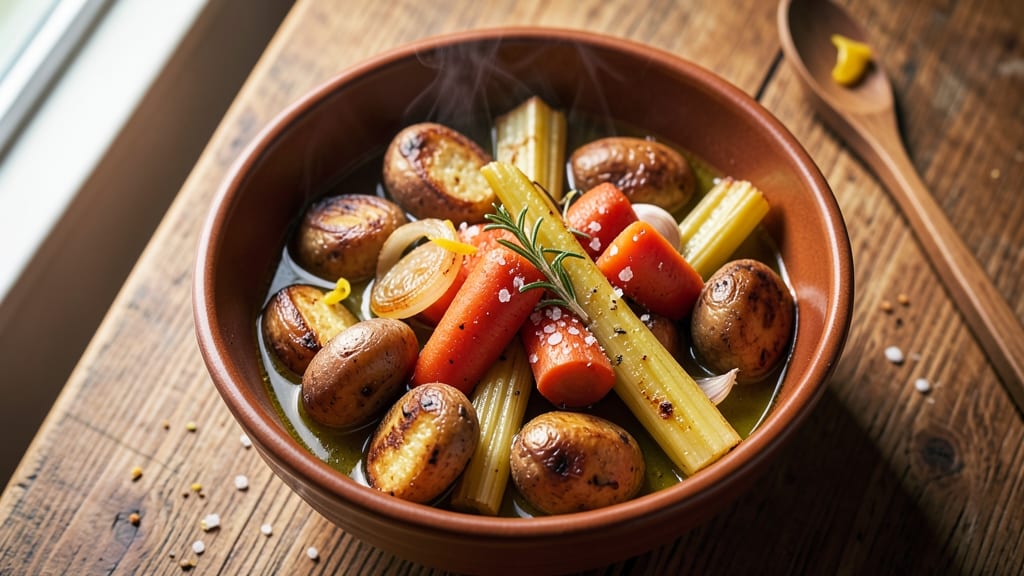
This baked vegetable soup recipe transforms humble ingredients into a deeply flavorful, one-pot masterpiece that requires no stirring—just roasting. The secret lies in caramelizing vegetables at high heat before simmering them in broth, which develops rich, complex flavors without the need for long simmering.
I created this recipe during a particularly busy week when I needed a hands-off meal that still felt special, and it quickly became a staple in my rotation.
The beauty of this method is its simplicity: chop your vegetables, toss them with olive oil and seasonings, then roast until tender before adding broth.
The oven does all the work while you prepare the rest of your meal, and the result is a soup with deep, caramelized notes that make it taste far more elaborate than it is.
This recipe is also vegetarian-friendly, making it perfect for plant-based diets or when you want to keep things light yet satisfying.
What you’ll end up with is a velvety, one-pot soup that’s packed with tender vegetables, aromatic herbs, and a broth so flavorful it could stand on its own.
The vegetables retain their texture while absorbing the rich, savory depths of the roasted aromatics, creating a dish that’s both comforting and elegant. It’s the kind of meal that feels like a hug on a chilly day—warm, hearty, and impossible to resist.
Best of all, this recipe scales effortlessly for a crowd or leftovers that reheat beautifully. Whether you’re meal prepping for the week or simply craving a cozy dinner, this baked vegetable soup delivers restaurant-quality results with minimal effort. Let’s get started!
Ingredients for baked vegetable soup
Roasted vegetables, aromatic herbs, and simple broth create this restaurant-worthy one-pot masterpiece.
| Ingredient | Amount | Notes |
|---|---|---|
| Extra-Virgin Olive Oil 🫒 | ½ cup | High-quality for roasting vegetables |
| Yellow Onion 🧅 | 1 whole | Diced into small pieces |
| Carrots 🥕 | 1 ½ lb | Cut into 1-inch chunks |
| Celery Stalks 🧅 | 3 whole | Chopped into 1-inch pieces |
| Russet Potatoes 🥔 | 2 lb | Cut into 1-inch cubes |
| Garlic Cloves 🧄 | 4 cloves | Minced for aromatic depth |
| Fresh Thyme Leaves 🌿 | ½ cup | Chopped, stems removed |
| Fresh Rosemary 🌿 | ¼ cup | Chopped, woody stems discarded |
| Vegetable Broth 💧 | 4 cups | Low-sodium preferred |
| Canned Crushed Tomatoes 🍅 | 1 can | 28 oz can, no salt added |
| Kosher Salt 🧂 | 1 ½ tsp | Diamond Crystal preferred |
| Freshly Ground Black Pepper 🌶️ | ½ tsp | Freshly cracked for best flavor |
| Dried Bay Leaves 🍃 | 2 whole | For subtle earthy flavor |
| Vegetable Oil Spray 🫒 | 1 tbsp | For greasing baking dish |
| Fresh Parsley 🌿 | ¼ cup | Chopped for garnish |
The vegetables are the heart of this dish, so choose fresh, firm produce—especially the carrots and potatoes. Trader Joe's has excellent organic options, but any grocery store's fresh section works. For the thyme and rosemary, look for vibrant green leaves—wilted herbs won't deliver the same punch. I always buy extra rosemary because it keeps for months in the freezer. The crushed tomatoes should be San Marzano if you can find them—their sweetness balances the earthy vegetables perfectly. If you're short on time, pre-chopped vegetables from the store work fine, though they're pricier.
No fresh thyme? Dried works at one-third the amount, but fresh is ideal. Short on rosemary? Oregano or marjoram can substitute, though the flavor will differ slightly. The vegetable broth is non-negotiable for vegetarian authenticity—Pacific Foods or Imagine brands are my go-tos. For extra richness, stir in 1 tablespoon of nutritional yeast when serving. The bay leaves add depth but can be skipped if you dislike their flavor. If you're making this ahead, add the bay leaves during cooking and remove them before serving—no one wants a leafy surprise.
This soup tastes even better the next day as the flavors meld. Store leftovers in an airtight container in the fridge for up to 5 days, or freeze for 3 months. I always double the recipe and freeze half—perfect for busy weeknights. To reheat, warm on the stovetop over medium heat, stirring occasionally. The vegetables should be tender but not mushy. For extra comfort, serve with crusty bread and a sprinkle of the fresh parsley. The parsley garnish is purely decorative but adds a pop of color—don't skip it!
Why You'll Love This Recipe
- No Chopping Chaos: I swear by this—just rough-chop the veggies (no peeling needed!) and toss them straight onto the sheet pan. The onions and carrots caramelize right alongside the potatoes, so you’re not stuck dicing while dinner burns.
- Caramelized Magic: That extra-virgin olive oil? It’s the star. The onions and celery turn golden and sweet while the potatoes bake into tender, almost custardy bites—like a hug in a bowl. Honestly, the smell alone makes my kitchen feel like a restaurant.
- Lunchbox Hero: Make a double batch on Sunday, and you’ve got effortless lunches for days. The flavors only get better as it sits—perfect for packed lunches or reheating when you’re too tired to cook. (Yes, even on a Tuesday night.)
- Pantry-Friendly Magic: Russets and carrots last forever, and celery keeps for weeks. This soup stretches my grocery budget without sacrificing taste—plus, it’s one of those rare recipes where leftovers taste better the next day. My wallet and my freezer thank me.
Step-by-step instructions for roasted vegetable soup
This method transforms simple vegetables into a deeply flavorful soup with minimal cleanup.
Prep and Roast the Vegetables
Preheat your oven to 400°F. Lightly grease a large baking dish with the 1 tablespoon vegetable oil spray to prevent sticking. In a large bowl, toss together the 1 whole yellow onion, 1.5 pounds carrots, 3 whole celery stalks, and 2 pounds russet potatoes with the 0.5 cup extra-virgin olive oil. Spread the vegetables in an even layer on the prepared baking sheet.
Roast for 30-35 minutes, stirring halfway through, until the vegetables are tender and beginning to brown at the edges. You'll see the carrots soften and the potatoes start to collapse slightly. This roasting step develops deep, caramelized flavors that form the base of your soup. Don't overcrowd the pan—this prevents even browning.
Add Aromatics and Tomatoes
While the vegetables roast, heat the 0.5 cup fresh thyme leaves and 0.25 cup fresh rosemary in a small skillet over low heat for 1 minute to release their essential oils. Remove from heat and let cool slightly. Transfer the cooled herbs to the roasted vegetables in the baking dish.
Pour the 1 can crushed tomatoes over the vegetables, breaking up any large chunks with your hands. Add the 4 cloves minced garlic, 2 whole bay leaves, 1.5 teaspoons kosher salt, and 0.5 teaspoon freshly ground black pepper. Stir gently to combine, ensuring everything is evenly coated with the tomato juice.
Simmer and Develop Flavors
Return the baking dish to the oven and roast for another 15-20 minutes at 400°F, until the tomatoes begin to darken slightly and the vegetables are fully tender. The mixture should smell rich and aromatic—this is when the flavors really start to meld together.
Carefully transfer the entire contents to a large pot. Add the 4 cups vegetable broth and bring to a gentle simmer over medium heat. Let it cook uncovered for 10-12 minutes, stirring occasionally, until the vegetables are fork-tender and the soup has thickened slightly. The soup should coat the back of a spoon but still be spoonable—this indicates the perfect consistency.
Finish and Serve
Remove the 2 whole bay leaves from the soup and discard them. Taste and adjust seasoning if needed—you might want to add a pinch more salt or pepper to balance the flavors. The soup should be rich but not overly salty.
Ladle the soup into bowls and garnish each serving with 1 tablespoon chopped fresh parsley. The bright green color not only looks beautiful but also adds a fresh, herbal note that complements the deep roasted flavors. Serve immediately while hot, with crusty bread for dipping if desired.
Pro Tips For Making Baked Vegetable Soup
- CHAR THE ONIONS LOW: If your onions turn to mush, you’re cooking them too fast. Sauté them on medium-low heat for 8-10 minutes until they’re deep golden and their edges start to crisp—this builds flavor without burning. (Yes, it takes longer, but skimp here and the whole soup tastes flat.)
- CUT POTATOES UNIFORM: Russets break down unevenly, so slice them into ½-inch chunks for consistent cooking. Smaller pieces? They’ll turn to mush. Larger? They’ll stay tough. Aim for the Goldilocks size—no one wants a soup with potato rocks or gluey bits.
- DON’T SKIP THE BROWN: After roasting the veggies, let them sit in the hot pan for 2-3 minutes post-bake. This caramelizes their edges, adding depth. I used to scrape them out too soon—now I wait, and the soup tastes like it simmered for hours, not 30 minutes.
- SWAP WATER FOR BROTH: Ditch the plain water and use vegetable or chicken broth instead. The salt and umami punch cut through the earthiness of roasted carrots and celery, making the soup richer without extra seasoning. (Pro move: Save the veggie scraps for homemade broth later.)
Best sauces and condiments for baked vegetable soup
Creamy Garlic Finish
Elevate your soup with a velvety finish by stirring in ½ cup heavy cream or ½ cup coconut milk during the final 5 minutes of simmering. For extra richness, add 1 tablespoon butter and let it melt into the soup.
This adds a luxurious texture that balances the roasted vegetables beautifully. I love this touch for chilly evenings—it feels indulgent without overpowering the natural flavors. 🥄
Spicy Kick Options
Add heat with 1 teaspoon red pepper flakes or ½ teaspoon cayenne pepper during the roasting phase. For a smoky twist, stir in 1 tablespoon smoked paprika with the crushed tomatoes.
If you prefer a milder heat, try ½ teaspoon chipotle powder—it adds depth without overwhelming the dish. Always taste as you go to adjust to your preferred spice level.
Herb-Infused Oils
Create a flavorful drizzle by infusing ¼ cup olive oil with 2 tablespoons fresh rosemary and 1 tablespoon fresh thyme. Heat the oil gently for 2 minutes, then strain and drizzle over the finished soup.
This adds an aromatic layer that enhances the roasted vegetable flavors. Store any leftover infused oil in an airtight container in the fridge for up to 1 week.
Acidic Brightness
Brighten the soup with a splash of lemon juice or apple cider vinegar—just 1 tablespoon at the end of cooking. This cuts through the richness and adds a refreshing contrast.
I also like adding 1 teaspoon honey to balance the acidity for a subtle sweetness. The combination of acid and sweetness makes the soup taste even more complex.
Cheesy Toppings
For a cheesy twist, sprinkle ¼ cup grated Parmesan cheese or shredded sharp cheddar on top before serving. For a vegetarian-friendly option, use nutritional yeast—it adds a cheesy flavor without dairy.
Let the cheese melt slightly over the hot soup for a gooey finish. This works especially well if you're serving the soup as a starter or light main course.
Crunchy Garnishes
Add texture with toasted breadcrumbs—mix 2 tablespoons panko with 1 teaspoon olive oil and toast in a dry skillet for 2 minutes. Sprinkle over the soup just before serving.
Alternatively, add crispy fried shallots—they bring a sweet, crunchy contrast that pairs perfectly with the roasted vegetables. These toppings make the soup feel even more restaurant-worthy. 🌟
Nutrition facts
Frequently asked questions
Can I use frozen vegetables instead of fresh?
Yes, but with a few adjustments! Use 1.5 cups frozen mixed vegetables (like peas, carrots, and corn) instead of fresh. Add them during the final 10 minutes of simmering to prevent mushiness. Frozen veggies work best when you're short on time, but fresh vegetables develop deeper caramelized flavors during roasting.
How do I make this soup vegan?
Swap the vegetable broth for a vegan broth (like mushroom or lentil-based) and replace the crushed tomatoes with a vegan brand. For richness, stir in ½ cup coconut milk or 1 tablespoon nutritional yeast at the end. The roasted vegetables and herbs will still shine—just omit any dairy-based garnishes like cheese.
Can I make this soup in a slow cooker?
After roasting the vegetables for 30 minutes, transfer everything to a 6-quart slow cooker with the broth. Cook on LOW for 4 hours or HIGH for 2 hours. The slow cooking deepens the flavors even more, making it perfect for busy days. Just skip the final stovetop simmer—it’s already tender!
Why does my soup taste bland?
Blandness usually means the vegetables weren’t roasted enough or the seasoning needs a boost. Next time, roast the veggies 5-10 minutes longer to deepen their flavor. Taste as you go and add more salt, pepper, or a splash of lemon juice to brighten the broth. A pinch of smoked paprika or garlic powder can also add complexity.
How long can I store leftovers?
Store in an airtight container in the fridge for up to 5 days or freeze for 3 months. Reheat gently on the stovetop over medium-low heat, stirring occasionally. For best texture, avoid microwaving—it can make the vegetables soggy. A quick stovetop warm-up preserves the roasted flavors perfectly.