
Soups & Stews
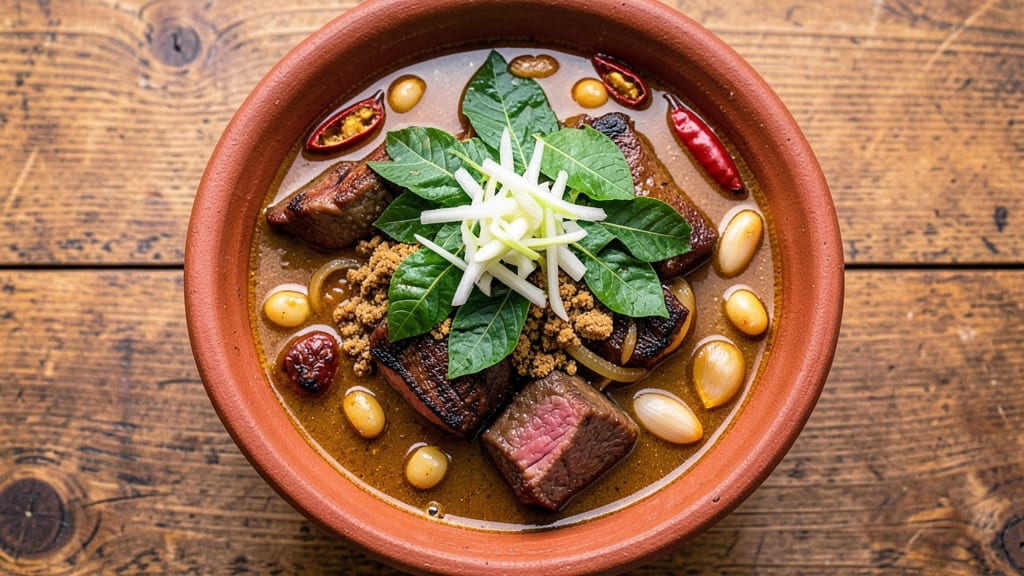
This Banga soup Nigerian recipe delivers the bold, peppery flavors of West Africa's most beloved leafy green soup. 🌟 The secret lies in its aromatic blend of fresh banga leaves, locust beans (iru), and slow-cooked meat or fish, creating a rich, hearty broth that's both comforting and deeply flavorful.
What sets this dish apart is the balance of earthy greens, smoky spices, and tender protein—each bite is a celebration of Nigerian culinary tradition.
Traditionally served with pounded yam, eba, or fufu, this soup transforms simple ingredients into a restaurant-quality meal. The process is straightforward but requires patience—slow simmering allows the flavors to meld into a harmonious, deeply satisfying broth.
Whether you're cooking for family or a special gathering, this recipe delivers authenticity with minimal fuss.
The result is a vibrant, aromatic soup with layers of texture and flavor: tender meat or fish, silky broth, and the distinct peppery bite of banga leaves. The locust bean paste (iru) adds a rich, umami depth that ties everything together.
This is more than just a meal—it's a taste of home, packed with warmth and tradition.
Serve with your choice of starchy sides and watch it disappear. The leftovers keep well, making this an ideal recipe for meal prep or feeding a crowd. Ready to experience the soul of Nigerian cuisine? Let's get cooking!
Ingredients for banga soup nigerian
Sixteen ingredients for a flavor-packed Nigerian classic—earthy, peppery, and deeply satisfying.
| Ingredient | Amount | Notes |
|---|---|---|
| Fresh Banga Leaves 🌿 | 2 cups | Packed, stems removed |
| Locust Beans (Iru) 🌱 | ¼ cup | Soaked overnight, blended |
| Beef or Fish 🥩🐟 | 1 ½ lb | Chuck steak or tilapia fillets |
| Red Palm Oil 🫒 | ½ cup | For rich color and flavor |
| Onions 🧅 | 2 whole | Chopped, medium size |
| Garlic Cloves 🧄 | 6 cloves | Minced, fresh preferred |
| Scotch Bonnet Peppers 🌶️ | 2 whole | Seeds removed, chopped |
| Tomato Paste 🍅 | 2 tbsp | No added salt |
| Ground Black Pepper 🌶️ | 1 tsp | Freshly ground preferred |
| Ground Cumin 🌿 | 1 tsp | Toasted for depth |
| Bay Leaves 🌿 | 2 whole | Fresh or dried |
| Thyme Leaves 🌿 | ¼ cup | Fresh, chopped |
| Salt 🧂 | 1 ½ tsp | Adjust to taste |
| Vegetable Oil 🫒 | ¼ cup | For sautéing |
| Water 💧 | 6 cups | For broth |
The banga leaves are non-negotiable for that signature peppery bite. African markets or specialty stores carry them fresh, but frozen works in a pinch. Locust beans (iru) are the secret weapon—soak overnight to soften, then blend into a smooth paste. For meat, chuck steak delivers rich flavor, while tilapia stays tender. Red palm oil isn’t just for color; it adds a distinct earthy note. If you can’t find it, substitute vegetable oil plus a pinch of smoked paprika.
No scotch bonnet peppers? Habanero or jalapeño work, but reduce heat by removing seeds. The tomato paste can be swapped for fresh tomatoes (1 cup, blended), but paste gives better consistency. Fresh thyme is ideal, but dried at one-third the amount suffices. For extra umami, add 1 tbsp fish sauce if using fish. The broth should be rich but not overly salty—taste as you go. If your locust beans are hard to find, blend 1 cup dried shrimp for a similar depth.
This soup tastes even better the next day as flavors meld. Store in an airtight container for 4-5 days in the fridge. Freezes beautifully for 3 months—portion into containers for easy reheating. Serve with pounded yam, eba, or fufu. The leftovers make fantastic lunches. For a quicker version, use pre-blended iru paste from African stores, cutting prep time in half.
Why You'll Love This Recipe
- No Chopping Marathon: The banga leaves? Just wash and tear them—no fancy knife work needed. Between us, I’ve burned my fingers trying to dice fish before, but here, the real prep is just soaking the iru and frying onions until they’re sweet and golden.
- Rich, Earthy Magic: That red palm oil isn’t just for color—it’s the soul. The iru adds a nutty depth, the banga leaves bring that fresh, almost spinach-like bite, and the beef or fish? Melts into the broth like it’s been simmering all day. (Yes, even on a Tuesday night.)
- Leftovers That Beg for More: This soup actually improves the next day. The flavors marry overnight, and reheating it? Just add a splash of water and a quick stir. My freezer’s full of it—perfect for lazy Sundays or when unexpected guests show up.
- Budget-Friendly Crowd-Pleaser: Iru and banga leaves stretch this dish far, and beef or fish keeps it affordable. Honestly, I make this when I’m feeding my extended family—it’s the kind of meal where everyone’s happy, and the cost per serving won’t make you wince. Plus, the onions caramelize fast, so you’re not standing there forever.
Step-by-step instructions for banga soup Nigerian recipe
Master this West African classic with these precise techniques for rich, aromatic flavors.
🍳 Step 1: Prepare the Protein and Locust Bean Base
Begin by preparing the 1.5 lb beef or fish—cut the beef into 1-inch cubes or use tilapia fillets cut into similar-sized pieces. In a separate bowl, combine the 0.25 cup soaked locust beans (iru) that you've already blended with 1 cup of the 6 cups water reserved from the ingredients. This creates a smooth, slightly gritty base that will thicken your soup beautifully.
Heat 0.25 cup vegetable oil in a large pot over medium-high heat. Add the prepared protein and sear until lightly browned on all sides—about 5-7 minutes for beef, 3-4 minutes for fish. Remove and set aside temporarily. This initial searing builds deep flavor that will infuse throughout the soup.
🍳 Step 2: Build the Flavor Foundation
In the same pot, add 0.5 cup red palm oil and swirl to coat the bottom. Add the 2 whole chopped onions and sauté for 5 minutes until they turn golden brown. This caramelization creates the rich base color and sweetness that defines authentic Banga soup.
Add the 6 cloves minced garlic, 2 whole chopped Scotch Bonnet peppers (seeds removed), 2 tbsp tomato paste, 1 tsp ground black pepper, 1 tsp ground cumin, 2 whole bay leaves, and 0.25 cup chopped thyme leaves. Stir constantly for 2-3 minutes until the raw garlic smell disappears and the spices become fragrant. This aromatic blend forms the soul of your soup.
🥘 Step 3: Simmer the Broth and Incorporate Vegetables
Pour in the remaining 5 cups water and bring to a boil. Add the locust bean mixture and return the protein to the pot. Reduce heat to low-medium and let it simmer uncovered for 20-25 minutes, stirring occasionally. You'll notice the soup gradually thickens as the locust beans release their starch.
After 15 minutes of simmering, add the 2 cups packed fresh banga leaves (stems removed). Stir gently to distribute them evenly. The leaves will wilt and release their vibrant, slightly peppery flavor into the broth. Taste and adjust seasoning with the remaining 0.5 tsp salt if needed—Banga soup should have a balanced harmony of spice, salt, and earthy greens.
⏰ Step 4: Finish and Serve with Precision
Continue simmering for another 5-7 minutes until the banga leaves are tender but still retain some texture—you want them to be easily chewable rather than mushy. Remove the 2 whole bay leaves as they're no longer needed and can become bitter if left too long.
For the perfect finish, stir in the 0.5 cup red palm oil again to create a glossy sheen on the soup. This final touch enhances both the visual appeal and the rich, velvety mouthfeel. Serve immediately with pounded yam, white rice, or fufu to complement the robust flavors of this traditional Nigerian dish.
Pro Tips For Making Banga Soup Nigerian
- Wash Banga Leaves Twice: The first wash removes dirt, but the second—with a splash of salted water—strips out that bitter, grassy aftertaste that sneaks in if you skip it. I learned this the hard way after serving soup that tasted like someone chewed hay before eating.
- Soak Locust Beans Overnight: Dry iru? Soak it for at least 8 hours—yes, even if you’re impatient. Skim off the foam that rises in the first hour, then rinse before cooking. This cuts the bitterness and makes them blend into a smooth, creamy paste instead of gritty chunks.
- Simmer Beef Low and Slow: Banga soup demands patience—don’t rush the beef. After browning, add just enough water to cover, then reduce to a bare simmer (think tiny bubbles, not rolling). I used to crank the heat, and the meat turned tough; now it falls apart with a fork.
- Toast Palm Oil First: Heat the red palm oil on medium-low for 2–3 minutes before adding onions. This deepens its nutty flavor and prevents it from tasting raw or metallic. (Yes, it smells weird at first, but trust the process—your soup will thank you.)
Perfect pairings for this dish
Side Dish Harmony
Pounded yam is the classic companion to Banga soup, creating a perfect textural contrast with its smooth, doughy consistency. For an authentic experience, use 1 cup yam flour mixed with 1 cup water and a pinch of salt, pounding until smooth.
Serve immediately while warm—it loses its perfect elasticity when cooled. 🥔
For a quicker option, white rice works beautifully, especially if you prefer a firmer bite. Cook 1 cup jasmine rice with 1.5 cups water and a pinch of salt, then fluff with a fork. The mild rice balances the soup's bold flavors without overpowering them.
Spicy Condiments
Add a side of shito, a spicy black pepper sauce made from blended black pepper, locust beans, and palm oil. Stir 1 tbsp shito into individual bowls of soup just before serving for an extra kick.
If you can't find shito, mix 1 tsp cayenne pepper with 1 tbsp vegetable oil for a quick substitute. 🌶️
Beverage Pairings
A chilled Maltina, Nigeria's beloved citrus soda, cleanses the palate between bites of rich soup. The sweet, fizzy flavor contrasts perfectly with the soup's earthy depth. For a non-alcoholic option, try ginger beer—its spicy-sweet profile enhances the banga leaves' peppery notes.
Protein Upgrades
Boost the soup's heartiness by adding ½ lb smoked fish or ½ lb shrimp during the final 5 minutes of cooking. The fish adds smoky depth while shrimp brings a delicate sweetness.
For a vegetarian twist, swap the meat for ½ lb mushrooms sautéed with the onions for an umami-rich base.
Garnish Finishes
Brighten the dish with fresh cilantro or parsley sprinkled on top—just 1 tbsp chopped adds a fresh herbal note. For extra richness, drizzle with 1 tbsp red palm oil or a pinch of ground nutmeg before serving. These finishing touches elevate the soup from homemade to restaurant-quality. ✨
Nutrition facts
Frequently asked questions
What makes banga soup different from other Nigerian soups?
Banga soup stands out with its signature peppery banga leaves that give it a unique, slightly bitter kick. Unlike soups like egusi or okra, it relies on locust beans (iru) for thickening and depth, creating a rich, earthy broth. The combination of these ingredients with slow-cooked protein makes it heartier and more aromatic than many other Nigerian soups.
Can I substitute beef with another protein?
For a lighter option, use tilapia or cod fillets (they stay tender). Chicken works too, but remove it after 15 minutes of simmering to prevent drying. For extra richness, add ½ lb smoked fish in the last 5 minutes. Just adjust cooking times based on protein size—fish cooks fastest, beef takes longest.
How do I fix bitter-tasting banga leaves?
Overcooking or using old leaves causes bitterness. Always use fresh, young leaves and add them only after 15 minutes of simmering. If the soup tastes bitter, balance it with 1 tbsp tomato paste or a pinch of sugar. Never boil the leaves—simmer gently to preserve their delicate flavor.
Where can I find banga leaves and locust beans?
Look for banga leaves in African markets or specialty stores—they're often sold fresh. Locust beans (iru) are usually dried and sold in bags. If unavailable, substitute with ½ cup blended dried shrimp for umami depth. For banga leaves, frozen spinach or bitter greens (like collards) work in a pinch, though flavor will differ.
Can I make this soup ahead of time?
Yes! Banga soup tastes even better the next day as flavors meld. Store in an airtight container for 4-5 days in the fridge. For freezing, portion into containers and freeze for up to 3 months. Reheat gently on low heat, adding a splash of water if it thickens too much. The texture may change slightly, but the rich flavors stay intact.