
Soups & Stews
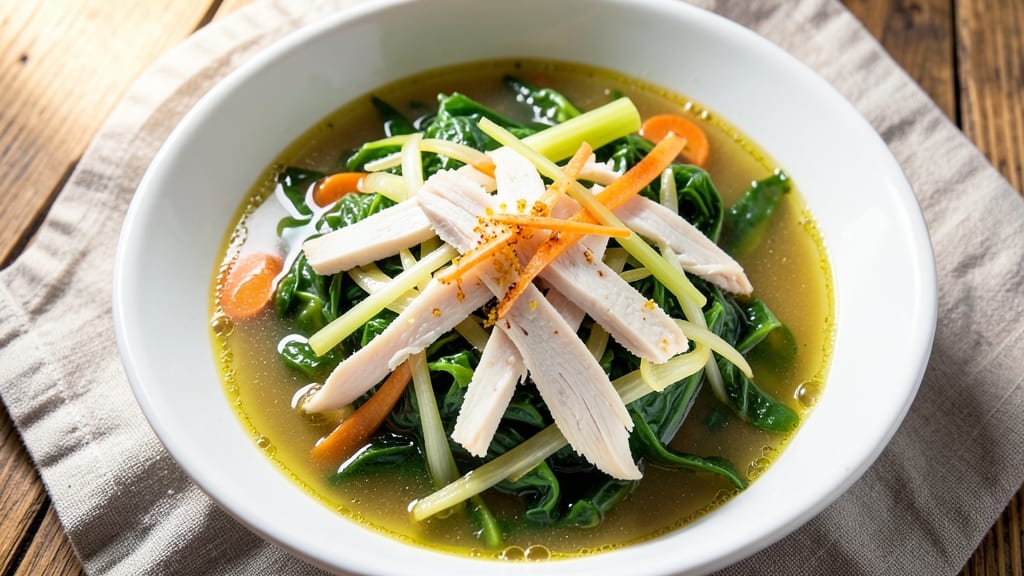
This bariatric cabbage soup recipe delivers all the comforting flavors of classic soup without the guilt—packed with protein, low in calories, and designed for easy digestion. After years of perfecting post-surgery meals, I created this version that satisfies cravings while meeting strict nutritional guidelines. The secret lies in lean proteins, fiber-rich vegetables, and a flavorful broth that keeps portions satisfying yet portion-controlled.
The recipe focuses on nutrient density, using cabbage as the star ingredient for its low-calorie, high-fiber benefits while incorporating lean proteins like chicken or turkey. Every component is carefully balanced to support digestion while delivering substantial flavor.
No heavy creams or fats here—just clean, wholesome ingredients that come together in under 30 minutes.
What makes this soup truly special is how it transforms simple ingredients into a comforting meal that feels indulgent without compromising nutrition. The cabbage softens beautifully, the broth infuses with aromatic herbs, and the protein keeps you full longer.
It’s the kind of recipe that proves healthy eating can still be delicious and satisfying.
Perfect for meal prep or a quick weeknight dinner, this soup aligns perfectly with bariatric dietary needs while delivering restaurant-quality comfort. Let’s get cooking!
Ingredients for bariatric cabbage soup
Lean protein, fiber-rich vegetables, and flavorful broth create this nutrient-dense bariatric cabbage soup.
| Ingredient | Amount | Notes |
|---|---|---|
| Green Cabbage 🥬 | 12 oz | Shredded, core removed |
| Skinless Boneless Chicken Breast 🍗 | 12 oz | Diced, lean protein |
| Low-Sodium Chicken Broth 💧 | 4 cups | Homemade or store-bought |
| Carrots 🥕 | 2 medium | Diced, organic preferred |
| Celery Stalks 🧅 | 2 whole | Diced, stringy parts removed |
| Yellow Onion 🧅 | 1 medium | Diced, sweet variety |
| Garlic Cloves 🧄 | 3 cloves | Minced, fresh preferred |
| Canned Diced Tomatoes 🍅 | 1 14.5oz can | No salt added |
| Fresh Parsley 🌿 | ¼ cup | Chopped, for garnish |
| Fresh Thyme 🌿 | ½ tsp | Leaves only, dried alternative |
| Low-Fat Chicken Bouillon Cube 💧 | 1 cube | Dissolved in broth |
| Apple Cider Vinegar 🍎 | 1 tbsp | For digestion support |
| Black Peppercorns 🌶️ | ¼ tsp | Freshly ground |
| Diamond Crystal Kosher Salt 🧂 | ½ tsp | Adjust to taste |
| Extra-Virgin Olive Oil 🫒 | 1 tbsp | For sautéing vegetables |
The cabbage is the nutritional powerhouse here—green cabbage provides the highest fiber content while keeping calories low. For optimal digestion, choose organic cabbage when possible to avoid pesticide residues. The chicken breast should be skinless and boneless to maintain the recipe's low-fat profile; Trader Joe's or Whole Foods carry excellent pre-cut options that save preparation time. If you prefer turkey, substitute ground turkey for the chicken, but ensure it's at least 93% lean for bariatric suitability. The low-sodium broth is critical—homemade is ideal, but Swanson or Pacific Foods brands are reliable store-bought options that meet the sodium restrictions.
No fresh thyme? Dried thyme at one-third the amount works perfectly, though fresh provides more aromatic depth. The apple cider vinegar isn't just for flavor—it aids digestion, which is particularly beneficial for bariatric patients. For the bouillon cube, avoid regular beef bouillon; Knorr Low Sodium Chicken Bouillon is a safe alternative. If you're concerned about the canned tomatoes' sodium content, rinse them thoroughly before using. The olive oil should be extra-virgin for its higher smoke point and health benefits, but any light olive oil will suffice in a pinch. For added protein without calories, consider blending in 1/4 cup cooked lentils—they'll disappear into the soup without altering the texture.
This soup reheats beautifully—simmer on low heat with a splash of water if it thickens too much. For meal prep, store in glass containers for up to 5 days in the refrigerator. Freeze portions in ice cube trays for single-serving convenience, though the texture may become slightly softer after thawing. The cabbage will continue to soften over time, so plan to eat within 3-4 days for optimal texture. To enhance flavor without calories, stir in a splash of lemon juice or a pinch of smoked paprika when reheating.
Why You'll Love This Recipe
- Foolproof Assembly: The chicken shreds itself with just a fork after simmering—no knife skills required. Honestly, I’ve burned dinner trying to cut boneless breasts, but this? Toss in raw chicken, walk away, and return to tender perfection.
- Umami Bomb: That low-sodium broth packed with carrots and celery stalks? It’s the secret weapon—sweet, earthy, and deep without the salt. The cabbage soaks it up like a sponge, turning bland into ridiculously good in 20 minutes.
- Meal Prep MVP: Doubles easily and stays fresh for days—perfect for lunches or post-surgery meals. I make a big batch Sunday, portion it into containers, and grab one straight from the fridge. No reheating drama, just warm, satisfying bites.
- Budget-Friendly Powerhouse: Cabbage and chicken breast stretch into four servings for pennies. Between us, this recipe saved me $12 last month compared to store-bought bariatric-friendly soups. Plus, the leftovers freeze like a dream.
Step-by-step instructions for bariatric cabbage soup
This method delivers a nutrient-dense, protein-rich soup that's gentle on digestion while packed with flavor.
Sauté Aromatics with Olive Oil
Heat the 1 tablespoon extra-virgin olive oil in a large pot over medium heat. Add the 1 medium yellow onion and cook for 3-4 minutes until softened and translucent. This foundational step builds flavor without adding excess fat.
Add the 2 medium carrots and 2 whole celery stalks, both diced, to the pot. Cook for another 5 minutes until the vegetables begin to soften and release their natural sweetness. The color should deepen slightly, indicating proper caramelization.
Stir in the 3 cloves garlic cloves and cook for 30 seconds until fragrant. This quick cooking prevents the garlic from burning while maximizing its flavor contribution. The aroma should fill your kitchen—this is your signal that the aromatics are ready for the next phase.
Add Protein and Vegetables
Increase heat to medium-high and add the 12 oz diced skinless boneless chicken breast. Cook for 4-5 minutes until the chicken loses its raw appearance and begins to brown slightly at the edges. This ensures the protein cooks through while maintaining tenderness.
Add the 12 oz shredded green cabbage and stir gently to combine with the other vegetables. The cabbage should wilt slightly as it releases moisture. Pour in the 4 cups low-sodium chicken broth and bring the mixture to a gentle boil over high heat.
Once boiling, reduce heat to medium-low and add the 1 cube low-fat chicken bouillon cube and 1 tablespoon apple cider vinegar. The bouillon will dissolve completely, enhancing the broth's depth of flavor. The vinegar adds a subtle tang that balances the meal's richness.
Simmer and Season
Add the 1 14.5oz can canned diced tomatoes, 0.5 teaspoon fresh thyme, 0.25 teaspoon black peppercorns, and 0.5 teaspoon diamond crystal kosher salt. Stir well to distribute the seasonings evenly throughout the soup.
Cover the pot and let the soup simmer for 20-25 minutes until all vegetables are tender and the chicken is fully cooked. The cabbage should be soft but still hold its shape, and the liquid should reduce slightly, creating a heartier consistency. Taste occasionally and adjust seasoning if needed.
This simmering time is crucial—it allows all flavors to meld while ensuring the cabbage remains digestible. The soup should smell rich and aromatic, with layers of savory, slightly sweet, and tangy notes.
Finish and Serve
Remove the pot from heat and stir in the 0.25 cup chopped fresh parsley. This final garnish adds freshness and visual appeal. Let the soup rest for 5 minutes before serving to allow flavors to fully develop and settle.
Ladle the soup into bowls, ensuring each serving contains an even distribution of vegetables, chicken, and broth. The texture should be velvety yet still offer satisfying bite from the tender vegetables and chicken. This soup delivers comfort in every spoonful while meeting bariatric dietary needs.
Serve immediately while hot. The combination of protein, fiber, and low-calorie ingredients creates a satisfying, nutrient-dense meal that supports digestion while providing substantial flavor. The apple cider vinegar adds an extra digestive benefit, making this soup particularly suitable for bariatric patients.
Pro Tips For Making Bariatric Cabbage Soup
- CHOP CABBAGE SMALL: Tiny, even pieces cook faster and blend better in the soup—no one wants mushy cabbage chunks lurking at the bottom. Aim for ½-inch cubes; I learned this after serving a bowl where half the cabbage was still crunchy while the broth turned watery.
- SEAR CHICKEN FIRST: Skip the raw chicken in broth—it turns out bland. Pat the breasts dry, season lightly, and sear them in a hot pan for 2-3 minutes per side before shredding. The crust locks in flavor, and you won’t taste the low-sodium broth’s limitations.
- DON’T BOIL THE VEGETABLES: Simmer, don’t boil. A rolling boil breaks down the carrots and celery into mush, turning your soup into a sad, watery mess. Keep it at a gentle bubble—just enough to hear an occasional plink from the cabbage.
- USE CELERY LEAF TOO: Most people toss the celery leaves, but they’re packed with flavor. Roughly chop them with the stalks—it adds depth without extra effort. I was skeptical until I tried it; now I save the leaves for this soup specifically.
Best sauces and condiments for this recipe
Light Broth Enhancers
Boost flavor without calories by stirring in 1 tablespoon fresh lemon juice or 1 teaspoon Dijon mustard just before serving. Both add brightness while keeping the soup's low-calorie profile intact. For a smoky touch, sprinkle ¼ teaspoon smoked paprika—it deepens flavor without adding fat. 💫
Herb Garnishes
Fresh herbs elevate this soup without extra calories. Try chopped chives or dill for a bright finish, or a sprinkle of fresh basil for a Mediterranean twist.
Even ¼ teaspoon dried oregano works in a pinch, though fresh herbs always taste best. Always add garnishes after serving to preserve their vibrant color and flavor.
Protein Boosters
For extra protein without calories, stir in ¼ cup cooked lentils or 2 tablespoons nutritional yeast per serving. Both blend seamlessly into the soup while adding a satisfying umami depth.
If you prefer meat, add 1-2 oz extra diced chicken breast while reheating. Just ensure portions stay within your bariatric guidelines.
Digestive Aids
Enhance digestion with ½ teaspoon ground ginger or 1 teaspoon grated fresh ginger—both aid stomach comfort. For a cooling contrast, add ¼ teaspoon ground turmeric (anti-inflammatory) or a pinch of cayenne pepper (metabolism-boosting). These spices work wonders while keeping the soup's calorie count minimal. ✨
Low-Calorie Creaminess
Skip heavy cream—opt for 1 tablespoon unsweetened almond milk or 1 teaspoon coconut cream per serving for a velvety texture. Blend in ¼ cup cooked cauliflower for a neutral, creamy base that mimics creaminess without the calories. Both options keep the soup light yet satisfying.
Nutrition facts
Frequently asked questions
Can I use red cabbage instead of green cabbage?
Yes, but the flavor and color will differ. Red cabbage has a slightly sweeter, earthier taste and will turn the soup a beautiful pinkish hue. Use the same amount (12 oz) and note it may require 1 extra minute of simmering time to fully soften. For a milder flavor, add 1/4 teaspoon extra apple cider vinegar to balance the natural sweetness.
How do I adjust this recipe for a liquid diet?
Blend the entire soup until completely smooth for a liquid consistency. Use an immersion blender or transfer to a countertop blender in batches. For extra calories, stir in 1 tablespoon powdered peanut butter or 1 tablespoon liquid meal replacement per serving. The resulting puree will be gentle on digestion while providing essential nutrients.
Can I make this soup in an Instant Pot?
Sauté the aromatics and chicken as directed, then add all remaining ingredients. Cook on high pressure for 5 minutes, followed by a 5-minute natural release. The Instant Pot will create a more concentrated flavor in half the time. For best texture, mash the cabbage slightly with a fork after pressure cooking to ensure it's fully tender.
What if I don't have fresh herbs?
Use dried herbs at one-third the amount (e.g., 1/6 teaspoon dried thyme instead of 1/2 teaspoon fresh). For parsley, omit it or use 1/4 teaspoon dried parsley, though fresh adds the best flavor. If you have frozen herbs, thaw them first and drain well before adding. The soup will still taste delicious, just slightly less vibrant.
Is this soup safe for dumping syndrome?
Yes, this recipe is designed to be gentle on digestion. The low-fat content and inclusion of apple cider vinegar help prevent dumping syndrome by slowing stomach emptying. Serve at room temperature if you're particularly sensitive, and avoid drinking liquids with meals. For extra precaution, eat slowly and in small portions (about 1 cup per serving).