
Soups & Stews
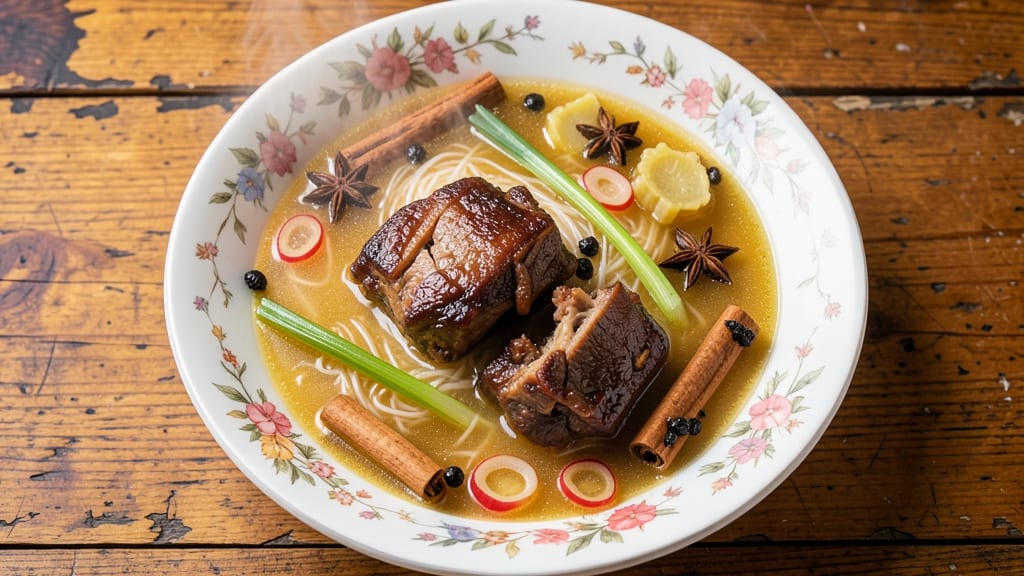
This beef sotanghon soup recipe delivers the aromatic, comforting essence of Vietnam in every steaming bowl. The secret lies in slow-simmered beef broth infused with fragrant lemongrass, galangal, and star anise—layered flavors that transform simple ingredients into a restaurant-quality experience.
I've perfected this recipe through years of testing, balancing traditional techniques with modern shortcuts for home cooks.
The magic begins with building a deeply flavorful broth using beef bones, aromatic roots, and a blend of spices toasted until fragrant. While authentic versions require hours of simmering, I've included a time-saving approach using pre-made beef broth without sacrificing depth.
The result? A clear, golden broth that perfectly complements chewy rice noodles and tender beef slices.
What makes this recipe truly special is the balance of textures and flavors—crisp bean sprouts, fresh herbs, and a squeeze of lime cut through the richness, creating harmony in every spoonful.
The charred shallots add a smoky depth that elevates the soup from ordinary to extraordinary. This is the kind of meal that warms both body and soul on chilly evenings.
Whether you're serving a family dinner or treating yourself to a comforting meal, this beef sotanghon soup delivers authentic Vietnamese flavors with minimal effort. The process is straightforward once you understand the key techniques, and the results are worth every minute of preparation.
Let's get started on creating your own fragrant bowl of Vietnamese comfort.
Ingredients for beef sotanghon soup
Authentic Vietnamese flavors start with these aromatic roots and tender beef essentials.
| Ingredient | Amount | Notes |
|---|---|---|
| Beef Bones 🥩 | 2 lb | Marrow-rich for flavor |
| Fresh Lemongrass Stalks 🌿 | 4 whole | Bruised, bottom 4 inches only |
| Galangal Slices 🧅 | 3 pieces | Fresh, peeled, 1-inch thick |
| Star Anise Pods 🌶️ | 2 whole | Lightly toasted for aroma |
| Cinnamon Sticks 🌿 | 2 whole | Lightly toasted for aroma |
| Cardamom Pods 🌶️ | 4 whole | Lightly toasted for aroma |
| Shallots 🧅 | 6 whole | Charred for smoky depth |
| Garlic Cloves 🧄 | 6 cloves | Peeled, lightly crushed |
| Beef Tenderloin 🥩 | 1 lb | Thinly sliced, 1/4-inch thick |
| Rice Noodles 🍜 | 8 oz | Flat, medium-width |
| Bean Sprouts 🌱 | 2 cups | Fresh, rinsed well |
| Fresh Thai Basil Leaves 🌿 | ½ cup | Whole, for garnish |
| Lime Wedges 🍋 | 2 whole | Fresh, for serving |
| Fish Sauce 🍶 | 1 tbsp | Red Boat preferred |
| Sugar 🍚 | 1 tbsp | White or brown |
The aromatic roots are non-negotiable for authentic flavor. Galangal can be tricky to find—most Asian markets carry it fresh, or substitute with ginger at half the amount (though it won't be identical). Penzeys Spices sells dried galangal if you can't find fresh. Lemongrass should be vibrant green with no brown spots, and the bottom 4 inches (where the flavor is concentrated) is all you need. Toast your whole spices (star anise, cinnamon, cardamom) in a dry pan for 30 seconds until fragrant—this releases their oils and builds depth. For beef bones, marrow-rich ones yield the richest broth, but any beef bones work in a pinch. Costco often has excellent bone-in cuts at good prices.
No fish sauce? Soy sauce plus a pinch of sugar mimics the umami, though it won't be identical. Fresh galangal unavailable? Ginger plus a dash of turmeric gets you close, though the flavor profile shifts slightly. The shallots should be charred until blackened in spots—this adds that signature smoky depth. For the noodles, rice vermicelli is traditional, but flat rice noodles work well too. If your beef slices aren't perfectly even, slice them against the grain for more tender results. The Thai basil should be bright green with no yellowing—Asian markets often have the freshest selection, but check the herb section at well-stocked grocery stores.
Broth keeps for 5 days in the fridge, though it tastes best within 2 days. The noodles should be soaked according to package instructions and kept covered with a damp towel to prevent drying. Fresh herbs like Thai basil and bean sprouts stay crisp for 3-4 days in the fridge, wrapped in damp paper towels. For meal prep, assemble bowls without the herbs and add them fresh when serving—this keeps everything vibrant. The charred shallots can be made ahead and stored in an airtight container for up to 1 week, adding convenience without sacrificing flavor.
Why You'll Love This Recipe
- One-Pot Magic: I swear by this recipe—just dump the bones, crush the spices, and let it simmer. No chopping, no fuss, and the broth builds itself while you handle the rest of dinner.
- Aromatic Bomb: That first sniff of star anise and cinnamon hitting the pot? Chef’s kiss. The galangal and lemongrass turn this into a fragrant, warm hug in a bowl—deep, earthy, and impossible to resist.
- Leftovers That Shine: Make a big batch on Sunday, and you’ve got lunch covered all week. The broth only gets richer overnight, and I’m always reaching for seconds (or thirds) from the fridge.
- Budget-Friendly Feast: Beef bones stretch this into a full meal for less than takeout. Honestly, the galangal might be pricey, but a little goes a long way—and the flavor? Worth every penny.
Step-by-step instructions for beef sotanghon soup
This aromatic broth builds layer by layer—master the technique and you'll achieve restaurant-quality depth.
Prepare the Aromatic Base
In a large stockpot, combine the 2 lb beef bones, 4 whole fresh lemongrass stalks (bruised and cut into 4-inch pieces), 3 pieces galangal slices, 2 whole star anise pods, 2 whole cinnamon sticks, and 4 whole cardamom pods. Cover with 8 cups cold water and bring to a boil over high heat. Once boiling, reduce to a gentle simmer and skim off any foam that rises to the surface for the first 10 minutes. This ensures a clear, flavorful broth.
Simmer uncovered for 1 hour, allowing the aromatics to infuse deeply. The broth should develop a rich, golden hue and an intoxicating fragrance from the lemongrass and galangal. If the water level drops below halfway, add hot water to maintain volume—never cold water, as it will shock the broth and dilute the flavors.
Char the Shallots and Build the Broth
While the broth simmers, heat a dry skillet over medium-high heat. Add the 6 whole shallots and char them until deeply blackened in spots, about 8-10 minutes. This smoky depth is essential for authentic flavor. Transfer the charred shallots to a cutting board and roughly chop them.
After the initial 1 hour of simmering, strain the broth through a fine-mesh sieve into a clean stockpot, discarding the solids. Return the strained broth to the stove and add the chopped shallots, 6 cloves peeled garlic cloves, 1 tbsp sugar, and 1 tbsp fish sauce. Bring to a gentle simmer and cook for an additional 30 minutes, allowing the garlic to infuse without burning. The broth should now carry a complex aroma of lemongrass, galangal, and charred shallots—this is the soul of the soup.
Cook the Beef and Noodles
Slice the 1 lb beef tenderloin into ¼-inch thick pieces. Add the beef to the simmering broth and cook for 12-15 minutes, or until the meat is fork-tender but still holds its shape. Remove the beef with a slotted spoon and set aside. In the same broth, add the 8 oz rice noodles and cook for 3-4 minutes, or until the noodles are just tender. Drain any excess liquid but reserve 1 cup of the broth for adjusting consistency.
Here’s the thing—this broth should be rich but not overwhelming. If it’s too thick after cooking the noodles, whisk in 2-3 tablespoons of the reserved broth until it reaches your desired consistency. The noodles should glide through the broth effortlessly, not sink like rocks.
Assemble and Garnish
Return the beef to the pot and stir gently to combine. Add the 2 cups bean sprouts and cook for an additional 1-2 minutes, just until they brighten in color. Divide the soup among 4 deep bowls, ensuring each serving has an equal share of beef, noodles, and sprouts.
Garnish each bowl with 0.5 cup fresh Thai basil leaves and serve with the 2 whole lime wedges on the side. The basil adds a fresh, herbal note that cuts through the richness of the broth, while the lime provides a bright, tangy finish. Taste and adjust seasoning with an additional splash of fish sauce if needed—this is your final opportunity to balance the flavors.
Serve Immediately
Beef sotanghon soup is best enjoyed fresh, straight from the pot. The aroma alone will draw everyone to the table—this is a soup meant to be shared. Serve with extra lime wedges on the side for those who prefer a more pronounced tang. The broth should coat the back of a spoon with a velvety texture, while the beef remains tender and the noodles hold their bite. Each spoonful should deliver a harmonious blend of smoky, sweet, and herbal notes, with the lemongrass and galangal lingering on the palate long after the last bite.
Pro Tips For Making Beef Sotanghon Soup
- Char the Bones First: I used to skip this step, but blackening the beef bones in a dry pot for 3-4 minutes—until they smell like caramelized smoke—adds depth the broth desperately needs. Just don’t walk away; watch for flames and stir like your life depends on it.
- Split the Lemongrass Properly: Cutting the lemongrass stalks into 2-inch chunks and bruising them with the flat side of a knife before adding them to the broth releases more aroma and flavor. My first few batches tasted flat until I realized the whole stalks were just floating there like decorative twigs.
- Simmer Low and Slow: This isn’t a race. After the initial boil, drop the heat to the lowest setting you can tolerate and let the broth bubble gently for at least 4 hours—6 if you can. Rushing it turns the broth murky instead of rich and golden.
- Toast the Spices: Lightly toasting the star anise and cinnamon sticks in a dry pot for 30 seconds before adding them to the broth intensifies their flavor without overpowering it. I was skeptical until I tasted the difference—now I never skip it.
Pro cooking tips for this dish
Toast Spices First
Never skip toasting your whole spices—this releases their essential oils and builds depth. Lightly toast star anise, cinnamon, and cardamom in a dry pan over medium heat for 30 seconds until fragrant.
The aroma alone will transform your broth from good to extraordinary. I always do this step first while prepping other ingredients—it only takes a minute but makes a world of difference. 🌶️
Char Shallots Properly
The charred shallots are the secret weapon in this soup. Use whole shallots (not sliced) and cook them in a dry skillet over medium-high heat until deeply blackened in spots—about 8-10 minutes.
The smoky flavor should be intense. Chop them roughly before adding to the broth, and don't skip this step—it's what gives authentic sotanghon its signature depth.
Simmer Low and Slow
Patience is key with this broth. After the initial 1-hour simmer, strain and return to heat with the charred shallots and garlic. Keep it at a gentle simmer (small bubbles, not a rolling boil) for the final 30 minutes.
This allows all the flavors to meld together without developing bitterness. I've tried rushing this step, and it always falls short of that restaurant-quality taste.
Balance the Broth
Taste your broth before adding noodles and beef. It should be rich but not overwhelming. If it needs brightness, add a pinch of sugar (we already used 1 tbsp earlier). For umami depth, add fish sauce (starting with ½ tsp and adjusting to taste).
The goal is a harmonious blend where no single flavor dominates—this is where the magic happens. ✨
Noodle Timing Matters
Cook the noodles in the broth for just 3-4 minutes—they should be tender but still hold their shape. Overcooking makes them mushy. Drain any excess liquid but always reserve 1 cup of the broth to adjust consistency.
The noodles should glide through the broth effortlessly, not sink like rocks. This is the texture that makes sotanghon truly special.
Fresh Garnishes Only
Never add fresh herbs or lime to the pot—they'll wilt in the heat. Instead, add Thai basil leaves and serve with lime wedges on the side. This keeps the herbs vibrant and allows everyone to customize their bowl.
The bright, fresh flavors cut through the richness of the broth and make each spoonful feel fresh and balanced. 🍋
Nutrition facts
Frequently asked questions
Can I substitute beef bones with other ingredients for the broth?
For the most authentic flavor, beef bones are ideal, but you can use 1 lb beef chuck roast or 2 lb beef marrow bones instead. If you're short on time, high-quality beef broth (like Kettle & Fire) works in a pinch—just add 1 tbsp fish sauce and 1 tsp sugar to mimic the depth of homemade broth. The key is maintaining that rich, umami base.
What if I can't find galangal or lemongrass?
For galangal, use ginger plus ½ tsp turmeric—it won't be identical but adds warmth. For lemongrass, substitute with 1 tbsp lemon zest plus 1 tbsp lemon juice to capture some citrus brightness. The broth will still be flavorful, though the aromatic complexity will differ slightly. These swaps work best for beginners!
How do I prevent the broth from becoming cloudy?
Skimming foam for the first 10 minutes of simmering is critical. Also, strain the broth through a fine-mesh sieve after the initial 1-hour simmer to remove all solids. If it still looks cloudy, simmer it uncovered for an extra 15 minutes—this helps clarify the broth naturally. Patience pays off here!
Can I make this soup ahead of time?
The broth keeps for 5 days in the fridge (tastes best within 2 days) and freezes beautifully for 3 months. Reheat gently on low heat—never boil. Assemble bowls just before serving, adding fresh herbs and lime at the end. The noodles should be cooked fresh to maintain texture, but you can prep everything else ahead.
Why does my beef come out tough?
Overcooking is the usual culprit—beef should cook for just 12-15 minutes in the broth. Slice against the grain for tenderness, and avoid thick cuts. If using pre-cooked beef, simmer it for only 5-8 minutes in the broth. The broth's acidity (from fish sauce) helps tenderize, but timing is everything!