
Soups & Stews
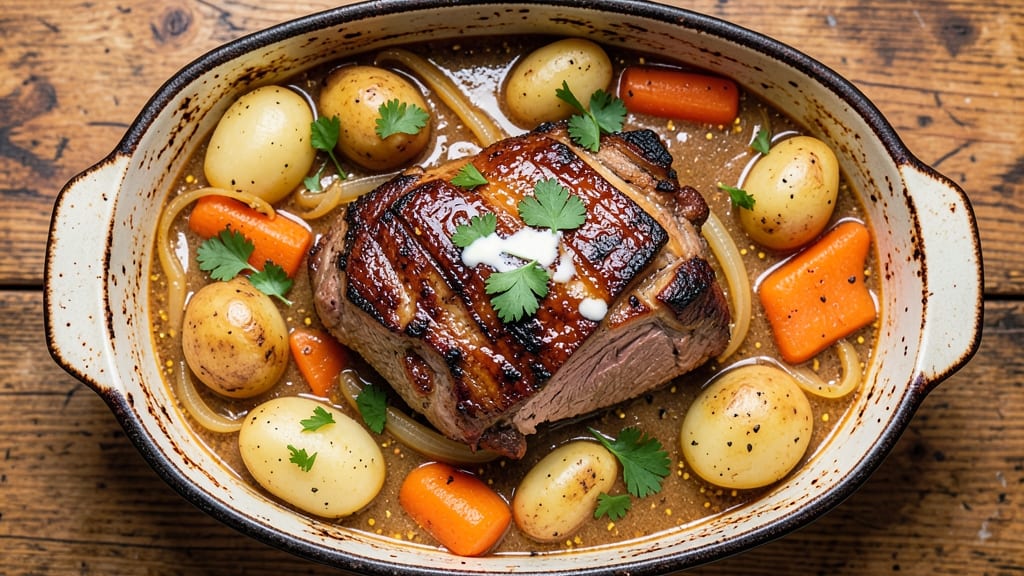
This beef stew recipe using Lipton Onion Soup Mix delivers restaurant-quality depth in a single pot, transforming simple ingredients into a rich, caramelized masterpiece. I developed this version after years of testing—balancing the mix's savory punch with homemade browning techniques that build layers of flavor.
The secret lies in slow-cooking tough cuts until they melt, while vegetables absorb the aromatic broth into perfect tenderness.
What sets this apart is the two-step flavor development: first searing onions and beef to create a deep, caramelized base, then simmering with the soup mix to amplify its umami richness. Traditional stew vegetables—carrots, potatoes, and onions—soak up the velvety sauce, creating bites that are both hearty and elegant.
The result is a stew that tastes like it simmered all day, even when made in 30 minutes of active prep.
By the time you serve this, your kitchen will smell like a French bistro, and every spoonful will deliver that perfect balance of caramelized onions, tender beef, and melt-in-your-mouth vegetables.
The Lipton mix handles the seasoning work while you focus on the technique that makes it exceptional—slow cooking that transforms tough cuts into fork-tender perfection. This is comfort food at its finest, with restaurant-quality results in your own pot.
The beauty of this recipe is its versatility: use it for weeknight dinners, potlucks, or holiday gatherings. The leftovers only improve as flavors meld further, making it the ultimate make-ahead meal.
Serve with crusty bread to soak up every last drop of that rich, caramelized onion broth—trust me, you'll want seconds.
Ingredients for beef stew recipe using lipton onion soup mix
Sixteen ingredients for a restaurant-quality beef stew that builds layers of caramelized richness.
| Ingredient | Amount | Notes |
|---|---|---|
| Chuck Roast 🥩 | 3 lb | Tough cut for fork-tender results |
| Yellow Onions 🧅 | 3 whole | Yellow or red, medium-large |
| Carrots 🥕 | 4 whole | Medium size, peeled and chopped |
| Russet Potatoes 🥔 | 2 lb | Waxy potatoes hold shape well |
| Lipton Onion Soup Mix 🥕 | 2 tbsp | Granulated, not powdered |
| Beef Broth 💧 | 4 cups | Low-sodium preferred |
| Tomato Paste 🍅 | 2 tbsp | Canned, not powdered |
| Garlic Cloves 🧄 | 4 cloves | Fresh, minced for depth |
| Worcestershire Sauce 🍶 | 1 tbsp | Vegetarian version if needed |
| Dry Red Wine 🍷 | 1 cup | Bold variety like Cabernet |
| Olive Oil 🫒 | 2 tbsp | Extra-virgin for searing |
| Fresh Thyme 🌿 | 1 tbsp | Leaves only, chopped fine |
| Bay Leaves 🍃 | 2 whole | Remove before serving |
| Salt 🧂 | 1 ½ tsp | Kosher or sea salt |
| Black Pepper 🌶️ | 1 tsp | Freshly cracked preferred |
The chuck roast is non-negotiable—its fat and collagen transform into melt-in-your-mouth perfection. Look for well-marbled cuts at Costco or your local butcher shop, where they can trim excess fat for you. The Lipton Onion Soup Mix is the secret weapon here—its savory depth replaces complex spice blends. Grab the granulated version (not powdered) from the soup aisle, and keep an eye out for sales since you'll want extra for future batches. Fresh thyme and bay leaves elevate this beyond canned stew territory—Trader Joe's sells bundles of both at great prices, or grow your own if you're feeling ambitious.
No red wine? Substitute beef broth with an extra splash of balsamic vinegar—it mimics the acidity beautifully. The tomato paste can be swapped for tomato sauce if you prefer (use half the amount), but the concentrated flavor is worth the effort. Short on thyme? Dried works at one-third the quantity, but fresh is ideal. The carrots and potatoes can be swapped for turnips or parsnips if you're feeling adventurous—they hold up just as well. For the onions, yellow or red both work, but avoid sweet onions like Vidalia unless you want a milder profile.
This stew only gets better with time—plan to make it a day ahead if possible, as flavors meld into restaurant-quality harmony. Store in an airtight container in the fridge for up to 5 days, or freeze portions for 3 months. The beef becomes even more tender after reheating, so don't skip this step. I always make a double batch—one for dinner and one for lunches the next week. The broth reduces slightly when refrigerated, so add a splash of water when reheating for the perfect consistency.
Why You'll Love This Recipe
- Pantry Magic: I swear by this trick—just dump the Lipton mix, add beef broth, and let the slow cooker do the work. No fancy spice blends, no measuring herbs by the pinch.
- Umami Bomb: That onion soup mix isn’t just flavor—it’s a deep savory punch. The chuck roast melts into tender perfection while soaking up the caramelized onion richness.
- Leftovers That Don’t Suck: Seriously, this tastes better the next day. I make a double batch on Sundays, freeze half, and reheat it straight from the fridge—no sad, dry beef here.
- Budget Feast: A single chuck roast stretches for four meals, and the potatoes stretch even further. Honestly, it’s the kind of dish that makes grocery day feel like a win.
Step-by-step instructions for hearty beef stew with caramelized onions
This one-pot wonder transforms tough chuck roast into fork-tender perfection using the magic of slow cooking and Lipton Onion Soup Mix.
Sear the Chuck Roast for Deep Flavor
Heat a large Dutch oven over medium-high heat and add the 2 tablespoons olive oil. Once shimmering, add the 3-pound chuck roast and sear on all sides until deeply browned—about 8-10 minutes. This step develops the Maillard reaction, creating that irresistible caramelized crust that carries rich beef flavor throughout the stew.
Remove the roast and set it aside. Don't wipe out the Dutch oven—those browned bits are pure flavor gold. Here's the thing: if you skip this sear, your stew will taste flat and one-dimensional. The roast will still cook, but the flavor development will be compromised.
Build Layers of Flavor with Caramelized Vegetables
In the same Dutch oven, add 2 tablespoons olive oil if needed, then add 2 tablespoons tomato paste and stir to coat the bottom. Add the 3 whole yellow onions, peeled and sliced into half-moons, along with the 4 whole carrots, peeled and cut into 1-inch chunks. Cook for 8-10 minutes until the onions soften and begin to caramelize—this should be your primary focus.
Stir in the 4 cloves garlic cloves, minced, and cook for 30 seconds until fragrant. The garlic should sizzle but not burn—this is where you'll notice that deep, aromatic punch that elevates the entire dish. Here's a pro tip: if your onions aren't caramelizing enough, reduce the heat slightly and give them more time. Patience here pays off with sweet, rich depth.
Develop the Rich Base with Wine and Broth
Pour in the 1 cup dry red wine and scrape up all those delicious browned bits from the bottom of the pot. Let it simmer for 2-3 minutes until reduced by about half. This step concentrates the flavors and removes some of the alcohol.
Add the 4 cups beef broth, 2 tablespoons Lipton Onion Soup Mix, 1 tablespoon Worcestershire Sauce, 1 tablespoon fresh thyme, 2 whole bay leaves, 1.5 teaspoons salt, and 1 teaspoon black pepper. Stir well to combine, then return the chuck roast to the pot. Bring everything to a gentle boil, then reduce heat to low so it's just simmering—you should see tiny bubbles breaking the surface.
Slow Cook Until Fork-Tender
Cover the Dutch oven and let it simmer for 1.5 hours on the stovetop. This slow cooking time is crucial—it breaks down the tough connective tissues in the chuck roast, transforming it into melt-in-your-mouth tenderness. Check occasionally and add a splash of water if the liquid reduces too much.
After 1.5 hours, remove the lid and increase heat to medium-high for 5 minutes to reduce the liquid slightly. This helps thicken the sauce. Then add the 2 pounds russet potatoes, peeled and cut into 1-inch cubes. Return to a simmer, cover, and cook for another 30-45 minutes until the potatoes are tender when pierced with a fork.
Finish and Serve with Perfect Texture
Remove the chuck roast and let it rest for 10 minutes on a cutting board. This resting period allows the juices to redistribute, ensuring each bite is moist and flavorful. While it rests, skim any excess fat from the surface of the stew if desired.
Slice the chuck roast against the grain into ¼-inch thick slices and return it to the pot. Taste and adjust seasoning if needed—this is where you can really make the dish sing. Serve immediately with crusty bread to soak up every last drop of that rich, caramelized onion-infused beef stew. The potatoes should be tender but still hold their shape, and the sauce should coat the back of a spoon with a velvety consistency.
Pro Tips For Making Beef Stew Recipe Using Lipton Onion Soup Mix
- SEAR THE ROAST FIRST: The Lipton mix covers a lot, but nothing beats a deep brown crust on the chuck roast. Hit it hard in a hot Dutch oven with 2 tablespoons oil—no crowding, just 3-4 minutes per side—before adding anything else. I learned this the hard way when my stew tasted flat because I rushed the sear.
- CUT POTATOES UNIFORM: Russets break apart when overcooked, so slice them into 1-inch chunks and parboil for 3 minutes first. This keeps them intact but tender—no mushy surprises at the end. (Yes, even if you're impatient like me.)
- DON’T SKIP THE BROWNING: That onion soup mix is salty, but the carrots and onions need to caramelize before adding liquid. Sauté onions until soft, then carrots until edges darken—about 8 minutes total. Skipping this step leaves your stew tasting more like soup mix than home cooking.
- ADD POTATOES LAST: They’ll soak up flavor better if they cook for just 20-25 minutes in the simmering stew. Toss them in near the end, and they’ll stay firm and absorb that rich, savory broth instead of turning to mush. (Your future self will thank you.)
Essential equipment for beef stew recipe using lipton onion soup mix
Dutch Oven
This is my non-negotiable piece of equipment for beef stew—the Lodge 5.5-quart Dutch oven with lid. Its heavy cast iron distributes heat evenly, preventing hot spots that can burn your onions or sear your beef unevenly.
I've tried other brands, but Lodge's enamel coating makes it easier to clean after that rich onion stew. If you're on a budget, start with a 5-6 quart size—it's the perfect balance for this recipe. 🔥
Instant Pot
For busy weeknights, I swear by my Instant Pot Duo 6-quart with the Sauté function. The multi-cooker handles the searing and slow cooking in one pot, saving you cleanup time. Use the Sauté function to brown the beef and onions, then switch to Pressure Cook (High) for 45 minutes after adding all ingredients. The pressure cooker version cuts total time to about 1 hour while still delivering tender beef. Just
Measuring Spoons
Precision matters when using Lipton Onion Soup Mix—the recipe calls for 2 tablespoons, not a sprinkle. Invest in a stainless steel set with clear markings from OXO Good Grips or West Bend. These spoons have ergonomic handles that prevent spills when measuring the mix or Worcestershire sauce. I keep mine near my stove for easy access during cooking. A small measuring cup (1-cup size) is also essential for the red wine and broth measurements.
Sharp Knife Set
You'll need a 8-inch chef's knife and paring knife for this recipe. My Wüsthof Classic set handles everything from chopping onions to dicing carrots with ease. A sharpener (I use the Mercer Culinary Genius) keeps your knives in top condition—dull knives make prep dangerous and uneven.
For the chuck roast, a long serrated knife helps remove any excess fat or silver skin cleanly. Never skip sharpening—it makes all the difference in texture and safety. ✨
Wooden Spoon
A heat-resistant wooden spoon (I prefer Ozeri Touch-Grip) is your best friend for stirring this stew without scratching your Dutch oven. The natural wood handles high heat and won't conduct heat like metal utensils.
Use it to scrape up those precious browned bits from the bottom of the pot during the wine deglazing step—those bits pack serious flavor. Keep it handy for stirring during the entire simmering process to prevent sticking.
Instant-Read Thermometer
While not strictly necessary, a ThermoWorks ThermoPop thermometer helps ensure your beef reaches 160°F internal temperature before serving. This is especially helpful if you're using an Instant Pot or want to check doneness during the stovetop slow cook.
The probe fits easily in the Dutch oven and gives you precise readings. For the potatoes, they're done when they reach 205°F—the thermometer makes this easy to verify without overcooking. 🌡️
Nutrition facts
Frequently asked questions
Can I substitute beef broth with water in this recipe?
While you can use water, the flavor will be noticeably less rich. Beef broth adds depth and umami that water simply can't match. For best results, use a combination of 3 cups water and 1 cup beef broth—this gives you the volume while keeping the flavor profile strong. If you're using water, consider adding an extra ½ teaspoon of the Lipton Onion Soup Mix to compensate for the lost depth.
How do I make this stew in an Instant Pot instead of a Dutch oven?
Use the Sauté function to brown the beef and onions first, then add all remaining ingredients. Cook on High Pressure for 45 minutes after adding the potatoes. Let the pressure release naturally for 10 minutes before quick-releasing. The meat will be even more tender, and the cooking time is cut to about 1 hour total. Just be sure to check the potatoes for doneness—they might finish cooking faster than the beef.
What cut of beef works best for this recipe?
Chuck roast is ideal because its fat and collagen break down beautifully during slow cooking. Bottom round or stew meat work too, but chuck has the best flavor and texture. If you can't find chuck, ask your butcher for a well-marbled cut—the fat keeps the meat juicy. Never use lean cuts like sirloin or filet mignon—they'll dry out. For best results, choose a piece with visible fat marbling.
Can I make this stew ahead of time?
This stew tastes even better the next day! Let it cool completely, then store in an airtight container in the fridge for up to 5 days. The flavors meld beautifully, and the meat becomes more tender. Reheat gently on the stove over medium-low heat, adding a splash of water or broth if needed. For freezing, portion into individual servings and freeze for up to 3 months. Thaw overnight in the fridge before reheating.
Why does my stew taste too salty?
The Lipton Onion Soup Mix contains salt, and beef broth often has added sodium. Taste as you go! If it's too salty, add 1-2 potatoes cut into chunks—they'll absorb excess salt during cooking. You can also stir in ½ cup milk or cream to dilute the saltiness slightly. For future batches, reduce the broth salt by half or use low-sodium broth. The mix itself is the main culprit—measure carefully!