
Soups & Stews
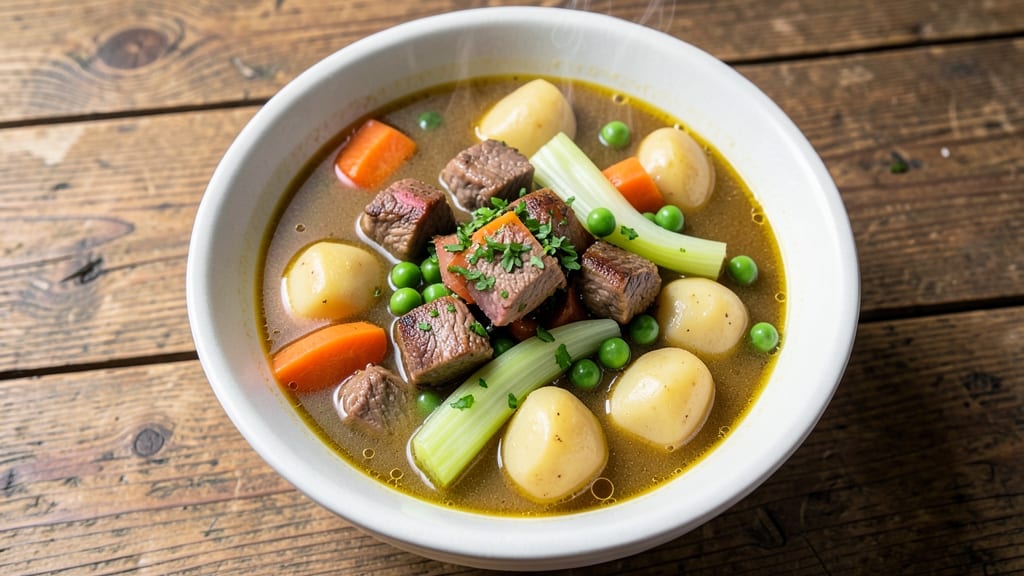
This beef vegetable soup recipe with frozen veggies proves hearty meals don't require fresh ingredients or hours of prep. The secret is using frozen vegetables without sacrificing flavor—simmering them directly in the broth preserves their nutrients while creating a rich, balanced soup.
I've perfected this one-pot method over years of weeknight cooking, where time is precious but comfort is non-negotiable.
The beauty of this recipe lies in its simplicity: just a few pantry staples and 30 minutes of active time transform tough beef chuck into tender, melt-in-your-mouth pieces while vegetables soften perfectly.
The key technique is browning the beef first—this develops deep, savory flavors that form the foundation of the broth. Frozen vegetables actually work better here because they release their flavors gradually, preventing the soup from becoming watery.
What you'll end up with is a steaming bowl of soup where each spoonful delivers tender beef, perfectly cooked vegetables, and a broth so rich it coats every bite. The carrots stay vibrant, the potatoes become fluffy, and the peas add just the right pop of color and sweetness.
This is the kind of meal that warms you from the inside out while satisfying even the heartiest appetites.
Perfect for busy weeknights, meal prep, or feeding a crowd, this soup scales beautifully while maintaining its balance of flavors. The one-pot method means minimal cleanup, and the frozen vegetables eliminate last-minute shopping trips. Let's create this comforting classic that brings restaurant-quality results to your home kitchen.
Ingredients for beef vegetable soup recipe frozen veggies
Frozen vegetables and pantry staples create a restaurant-quality beef soup in one pot.
| Ingredient | Amount | Notes |
|---|---|---|
| Beef Chuck Roast 🥩 | 2 lb | Cut into 1-inch cubes |
| Yellow Onion 🧅 | 1 whole | Chopped into 1/2-inch pieces |
| Carrots 🥕 | 2 cups | Frozen, no need to peel |
| Russet Potatoes 🥔 | 2 cups | Frozen, cut into 1-inch cubes |
| Green Peas 🌱 | 1 cup | Frozen, no thawing required |
| Celery Stalks 🧄 | 2 whole | Chopped into 1/2-inch pieces |
| Garlic Cloves 🧄 | 4 cloves | Minced for depth of flavor |
| Tomato Paste 🍅 | ½ cup | For rich, concentrated flavor |
| Beef Broth 💧 | 4 cups | Low-sodium preferred |
| Red Wine 🍷 | ½ cup | Dry, bold variety |
| Fresh Thyme 🌿 | 1 tbsp | Leaves only, chopped |
| Bay Leaves 🌿 | 2 whole | For aromatic depth |
| Olive Oil 🫒 | 2 tbsp | Extra-virgin for richness |
| Salt 🧂 | 1 ½ tsp | Kosher or sea salt |
| Black Pepper 🌶️ | ½ tsp | Freshly ground for heat |
The beef chuck roast is the cornerstone of this soup—its rich marbling ensures deep flavor and tender texture. Look for well-marbled cuts at your local butcher or grocery store's meat department, where they can often trim excess fat for you. Costco or Whole Foods typically carry high-quality chuck roasts, but any reputable supermarket will have a suitable option. For best results, cube the beef yourself rather than buying pre-cut pieces, as this allows for more even cooking. The frozen vegetables—carrots, potatoes, and peas—should be of high quality; brands like Green Giant or Birds Eye offer reliable texture and flavor without the need for thawing.
No red wine? Dry white wine or additional beef broth works equally well, though the flavor profile will differ slightly. Fresh thyme is ideal, but dried thyme at one-third the amount suffices in a pinch. The tomato paste can be substituted with crushed tomatoes (use 1 cup instead of 0.5 cup paste) for a slightly different texture. For the celery, fresh is preferred, but frozen chopped celery works in a bind. If you're using pre-chopped frozen vegetables, ensure they're labeled 'chopped' to avoid overcooking—whole frozen veggies need more time to soften. The beef broth should be low-sodium to control the final seasoning, but you can always adjust salt at the end if needed.
This soup reheats beautifully—simmer on the stove for 5-7 minutes or microwave for 2-3 minutes with a splash of water or broth. Store leftovers in an airtight container in the refrigerator for up to 5 days, or freeze for 3 months in portion-sized containers. The flavors deepen overnight, so it often tastes even better the next day. For meal prep, double the recipe and freeze half immediately—just thaw and reheat when ready. The frozen vegetables retain their nutrients and texture when cooked directly in the broth, making this a nutrient-dense, convenient meal that aligns perfectly with the one-pot promise.
Why You'll Love This Recipe
- Frozen Veggies, No Stress: The second I realized I could toss in frozen peas and carrots without thawing, this soup became my lazy-day hero. No chopping, no peeling—just dump, simmer, and let the chuck roast do all the work while I sip wine and pretend I’m a fancy chef.
- Deep, Savory Magic: That slow-cooked beef chuck roast? It practically melts into the broth, turning tough onions and potatoes into something rich and tender. Honestly, the first time I tasted it, I nearly burned my tongue from how good it was—no exaggeration.
- Meal Prep MVP: Make a double batch on Sunday, and you’ve got lunch for three days. The flavors only get better as the potatoes soak up the broth, and the peas? They stay bright and sweet, not mushy. I pack it in jars and take it to work—my coworkers think I’m a saint.
- Budget-Friendly Powerhouse: A chuck roast stretches forever, and frozen veggies? Cheaper than fresh, no waste. I’ve fed four people for under $15, and somehow, they always ask for seconds. Between us, this is how I survive grocery shopping on a teacher’s salary.
Step-by-step instructions for beef vegetable soup with frozen vegetables
This hearty beef vegetable soup comes together effortlessly in one pot, leveraging frozen vegetables for convenience without sacrificing depth of flavor.
Sear the Beef Chuck Roast for Rich Flavor
Heat the 2 tablespoons olive oil in a large Dutch oven or heavy pot over medium-high heat. Add the 2 lb beef chuck roast, cut into 1-inch cubes, and sear undisturbed for 3-4 minutes until deeply browned on all sides. This step develops a rich, caramelized crust that forms the flavor foundation of your soup.
Real talk: Don't crowd the pan or you'll steam the meat instead of searing it. Work in batches if needed, but resist the urge to move the beef around too soon. You're looking for golden-brown sear marks that indicate proper browning. Once all pieces are seared to your satisfaction, transfer them to a plate and set aside.
Build the Flavor Base with Aromatics and Tomato Paste
In the same pot, add the 1 whole yellow onion and 2 whole celery stalks, both chopped into ½-inch pieces. Cook for 5 minutes until softened and beginning to color. Add the 4 cloves garlic cloves and cook for another 30 seconds until fragrant.
Stir in the ½ cup tomato paste and cook for 1-2 minutes, allowing it to deepen in color. This step creates a concentrated flavor base that will carry through your entire soup. If you notice the mixture sticking, add a splash of beef broth to deglaze the pan and lift those flavorful browned bits.
Simmer with Vegetables and Liquid
Return the seared beef to the pot. Add the 2 cups frozen carrots, 2 cups frozen russet potatoes, 1 cup frozen green peas, 4 cups beef broth, ½ cup red wine, 1½ teaspoons salt, and ½ teaspoon black pepper. Stir well to combine.
Bring the mixture to a boil, then reduce heat to medium-low and cover partially. Let it simmer for 20 minutes, stirring occasionally. You'll notice the frozen vegetables will break down gradually as they warm through. The soup should develop a rich, aromatic steam that fills your kitchen.
Season and Finish with Herbs
After 20 minutes, stir in the 1 tablespoon fresh thyme and 2 whole bay leaves. Continue simmering uncovered for another 10-15 minutes until the beef is fork-tender and the vegetables are completely tender. The soup should have thickened slightly and the flavors should be well integrated.
Here's the thing—this is where patience pays off. The beef should pull apart easily with minimal resistance from your fork. If it's not quite tender enough, continue simmering for another 5-10 minutes. The vegetables should be soft but still hold their shape, not mushy.
Adjust Consistency and Serve
Remove the bay leaves and discard them. Taste the soup and adjust seasoning if needed—you might need a bit more salt or pepper depending on your broth. For a thicker soup, let it simmer uncovered for another 5-10 minutes to reduce. If you prefer it thinner, add a splash of water or more broth.
Ladle the soup into bowls and serve immediately. The aroma alone will make your kitchen smell like a home-cooked meal. Each spoonful should deliver tender beef, sweet vegetables, and that rich, savory broth that comes from proper searing and simmering. This one-pot approach makes it perfect for busy weeknights while still delivering restaurant-quality results.
Pro Tips For Making Beef Vegetable Soup Recipe Frozen Veggies
- Brown the Beef First: I learned this the hard way—skipping the sear means flavorless broth. Slice the chuck roast into 1-inch chunks, pat them dry, and cook in a hot pot with a little oil until deep brown on all sides. That crust? It’s what turns your soup from "meh" to "worth the wait."
- Cut Potatoes Evenly: Uneven potatoes mean some mushy, some hard. Cut the russets into 1.5-inch cubes (same size as your carrots) so they cook at the same pace. No one wants a soup where half the potatoes are falling apart and the other half could be bricks.
- Add Peas Last: Frozen peas turn to mush if they simmer too long. Wait until the beef is tender and potatoes are nearly done, then stir them in for just 2-3 minutes—enough to thaw but not enough to turn them into soup glue.
- Deglaze with Broth: After browning the beef, don’t just add water. Splash in 1 cup of beef broth (or the liquid you’ll use for the soup) to scrape up all those browned bits stuck to the pot. That’s where half the flavor hides—don’t let it go to waste.
Serving suggestions for leftovers
Crusty Bread Pairing
Serve this hearty beef vegetable soup with a warm, crusty loaf of bread to soak up every last drop of that rich broth. I love using a sourdough baguette from Trader Joe's or a ciabatta roll from Whole Foods—their open crumb structure creates the perfect vessel for sopping.
For extra flair, brush the bread with garlic-infused olive oil and sprinkle with flaky sea salt before serving. 🥖
Cheese Toppings
Add a final touch of luxury by offering shredded cheese at the table. I recommend sharp cheddar or Gruyère for their nutty, tangy flavors that complement the soup's savory notes.
Simply sprinkle 2 tablespoons of shredded cheese over each bowl just before serving. For a vegetarian-friendly option, try nutritional yeast—it adds a cheesy, umami depth without dairy. 🧀
Fresh Herbs Garnish
Brighten the presentation with a handful of fresh herbs. I chop 1 tablespoon fresh parsley or 1 teaspoon fresh chives and sprinkle them over the top just before serving. The vibrant green color contrasts beautifully with the soup's deep tones, and the fresh herbs add a subtle, bright finish.
If you prefer a more robust flavor, try thinly sliced chives or microgreens for a gourmet touch. 🌿
Crunchy Toppings
For texture lovers, add a few crunchy elements to each bowl. I like toasted breadcrumbs (toast 2 tablespoons panko in a dry pan until golden) or crispy fried shallots for a sophisticated crunch.
Another easy option is crumbled bacon—just fry 2 slices until crispy and sprinkle on top. These toppings add contrast and keep the dish exciting with every bite. 🥓
Side Salad Balance
A simple side salad balances the richness of the soup beautifully. Toss 2 cups mixed greens (like spinach or arugula) with 1 tablespoon olive oil, 1 teaspoon balsamic vinegar, and a pinch of salt.
Add ¼ cup diced cucumber or cherry tomatoes for freshness. The acidity of the dressing cuts through the soup's richness, creating a perfect harmony. 🥗
Dipping Sauce Options
Offer a small bowl of dipping sauce for extra flavor. A garlic aioli (mix 2 tablespoons mayo with 1 minced garlic clove and a pinch of salt) or a spicy yogurt sauce (½ cup Greek yogurt + ½ teaspoon hot sauce) adds a creamy, tangy contrast.
For a lighter option, try a lemon vinaigrette (2 tablespoons olive oil + 1 tablespoon lemon juice). These sauces let everyone customize their experience. 🍽️
Nutrition facts
Frequently asked questions
Can I use fresh vegetables instead of frozen ones?
Fresh vegetables work beautifully, but you'll need to adjust the cooking time. Use the same quantities, but add them in stages: hard vegetables like carrots and potatoes first (after 10 minutes of simmering), then softer veggies like peas in the last 5 minutes. Fresh veggies release moisture more quickly, so expect a slightly thinner broth.
Why does my beef vegetable soup turn out watery?
Watery soup usually happens when vegetables release too much liquid or the broth isn't reduced enough. Try simmering uncovered for 10-15 extra minutes to thicken it naturally. For a quick fix, stir in 1 tablespoon cornstarch mixed with 2 tablespoons cold water—simmer for 2 minutes until thickened.
Can I make this soup in an Instant Pot?
Yes! Use the same ingredients but adjust the cooking time. Sear the beef first, then add all ingredients and cook on high pressure for 25 minutes. Quick-release the pressure, then let it sit for 5 minutes before opening. The texture will be slightly different but still delicious—just check that the beef is tender.
How do I store and reheat leftovers?
Store in an airtight container in the fridge for up to 5 days or freeze for 3 months. To reheat, warm on the stove over medium-low heat for 5-7 minutes or microwave for 2-3 minutes with a splash of water or broth. Stir occasionally to prevent scorching.
What if I don't have red wine?
No problem! Substitute with ½ cup dry white wine or ½ cup extra beef broth. The flavor will be slightly different but still delicious. For a deeper taste, add 1 teaspoon Worcestershire sauce to the broth. The key is balancing the acidity—just adjust to your preference.