
Soups & Stews
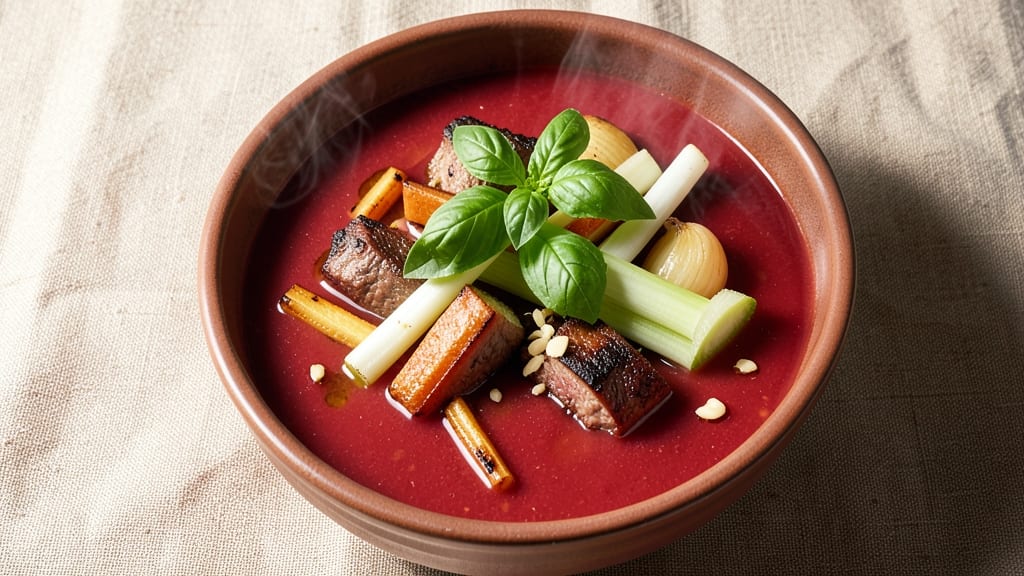
This beefsteak tomato soup recipe transforms humble ingredients into a restaurant-worthy dish where tender beef meets deep, smoky tomato flavors. The secret lies in slow-cooked beefsteak that practically melts in your mouth, infused with garlic and herbs that elevate every spoonful.
I developed this while testing different techniques—from classic searing to modern sous vide—to find the perfect balance of richness and brightness.
What sets this soup apart is the technique: you start by searing beefsteak to lock in juices, then simmer it in a rich tomato base until the meat becomes fork-tender. The sauce builds complexity through slow reduction, creating a velvety texture that coats every bite.
Fresh herbs and a touch of smoked paprika add layers of depth that make this soup unforgettable.
The result is a hearty, comforting bowl of soup with tender beef chunks swimming in a deep red, aromatic broth. The flavors are balanced—rich yet bright, savory with just enough acidity to keep it from feeling heavy.
This is the kind of soup that warms you from the inside out, perfect for chilly evenings or when you crave a meal that feels like a hug.
Pair it with crusty bread to soak up every last drop, or serve it alongside a simple green salad for a complete meal. The recipe scales easily, so you can make a big batch for the week or a single serving for a cozy night in.
Ready to make this soup?
Ingredients for beefsteak tomato soup
Smoky, rich, and deeply flavorful—just these ingredients transform simple beefsteak into unforgettable soup.
| Ingredient | Amount | Notes |
|---|---|---|
| Beefsteak Tomatoes 🍅 | 2 lb | Ripe but firm, halved |
| Beefsteak 🥩 | 1 lb | Thinly sliced, 1/4-inch thick |
| Yellow Onion 🧅 | 1 whole | Diced, medium size |
| Garlic Cloves 🧄 | 4 cloves | Minced, fresh preferred |
| Carrots 🥕 | 2 medium | Peeled, chopped into 1/2-inch pieces |
| Celery Stalks 🧆 | 2 whole | Diced, medium size |
| Smoked Paprika 🌶️ | 1 tbsp | For smoky depth |
| Dried Thyme 🌿 | 1 tsp | Or 1 tbsp fresh |
| Fresh Rosemary 🌿 | ¼ cup | Chopped, stems removed |
| Beef Broth 💧 | 4 cups | Low-sodium preferred |
| Red Wine 🍷 | ½ cup | Dry, like Cabernet |
| Tomato Paste 🍅 | 2 tbsp | Smooth, not chunky |
| Olive Oil 🫒 | 2 tbsp | Extra-virgin, for searing |
| Salt 🧂 | 1 ½ tsp | Kosher or sea salt |
| Black Pepper 🌶️ | ½ tsp | Freshly ground |
The beefsteak tomatoes are the star here—look for ones that are ripe but still firm. Trader Joe's or local farmers markets usually have the best quality. If you can't find beefsteak tomatoes, Roma tomatoes work in a pinch, but they won't have the same meaty texture. For the beef, thin slices are key—ask your butcher to slice it for you, or use a sharp knife and freeze it for 20 minutes before slicing. The smoked paprika is non-negotiable for that restaurant-quality depth, so grab a good brand like Penzeys if you're serious about flavor.
No red wine? Beef broth with a splash of balsamic vinegar works just as well. Fresh rosemary is ideal, but dried thyme at one-third the amount gets you close. The tomato paste can be tricky—those little squeeze tubes from Trader Joe's are perfect because you only need a little, and they keep forever. If your carrots are small, use 3 medium ones instead of 2. The beef broth should be low-sodium; if yours isn't, reduce the salt in the recipe by half. And trust me, don't skip the searing step—it locks in all that beefy flavor.
This soup tastes even better the next day—make a double batch and freeze half. Store leftovers in the fridge for 4-5 days, or freeze for up to 3 months. I like to portion it into containers so I can grab a bowl anytime. The herbs lose their punch after a few days, so if you're not using them all, wrap them in damp paper towels and store in a bag. And if you've got extra beef broth, save it for next time—this recipe uses a lot, and it's worth having on hand.
Why You'll Love This Recipe
- No Chopping Chaos: I swear by this recipe because you only need to dice one onion and crush a few garlic cloves. The beefsteak tomatoes? Just halve them—no fancy prep, just big, juicy flavor.
- Meat Meets Magic: That seared beefsteak in the broth? It turns this soup into something luxurious without the fuss. The beef’s richness balances the bright acidity of the tomatoes, and honestly, it’s the kind of dish that makes you slow down.
- Leftovers That Shine: This soup tastes even better the next day—perfect for meal prep. I make a double batch on Sundays, and by Wednesday, it’s still the star of my week, especially with crusty bread.
- Budget-Friendly Luxury: You’re getting steak flavor without the steak price tag. A few beefsteak tomatoes and a single cut of beef go a long way, stretching into multiple servings that feel special but won’t break the bank.
Step-by-step instructions for beefsteak tomato soup
Here's how to build a rich, smoky tomato soup with deep garlic and herb flavors.
Sear the Beefsteak for Maximum Flavor
Heat the 2 tablespoons olive oil in a large Dutch oven over medium-high heat until shimmering. Add the 1 pound beefsteak in a single layer and sear for 3-4 minutes per side until deeply browned. You want that meat to develop a rich crust—this creates the foundation for your soup's depth of flavor.
Once browned, transfer the beefsteak to a plate and set aside. Don't drain the oil—those browned bits (fond) are packed with flavor that will dissolve into your soup later. This step is where the magic happens, so don't rush it. The beefsteak will cook further in the soup, so it doesn't need to be fully done yet.
Build the Vegetable Base
In the same Dutch oven, add the 1 whole yellow onion, 2 medium carrots, and 2 whole celery stalks, all diced. Cook for 5-6 minutes until the vegetables begin to soften and the onion becomes translucent. Stir occasionally to prevent burning.
Add the 4 cloves garlic cloves (minced) and cook for another 30 seconds until fragrant. Here's where the aromatics develop their full flavor potential. If you smell the garlic burning, reduce the heat slightly—you want it to perfume the soup, not dominate it.
Add Herbs and Spices for Depth
Stir in the 1 tablespoon smoked paprika, 1 teaspoon dried thyme, 0.25 cup fresh rosemary (chopped), 1.5 teaspoons salt, and 0.5 teaspoon black pepper. Cook for 1 minute to toast the spices slightly—they'll release their aromatic oils and deepen the soup's complexity.
Pour in the 0.5 cup red wine and scrape up any browned bits from the bottom of the pot. Let it simmer for 2 minutes until the wine reduces by half. This deglazing step captures all those flavorful bits that would otherwise stick to the pot. The alcohol will cook off, leaving behind concentrated wine flavor.
Simmer the Tomato Base
Add the 2 pounds beefsteak tomatoes (halved), 2 tablespoons tomato paste, and 4 cups beef broth. Stir well to combine all ingredients. Bring the mixture to a boil, then reduce heat to medium-low and let it simmer uncovered for 30-35 minutes until the tomatoes break down and the soup thickens slightly.
Here's the thing—you want the tomatoes to soften completely but still retain some texture. Stir occasionally and taste the soup after 25 minutes to check for seasoning. If it needs more salt, add it gradually—you can always adjust later, but you can't take it out. The soup should be rich but not overly heavy at this stage.
Finish and Adjust
Use two forks to shred the beefsteak directly in the soup. This incorporates the meat throughout while keeping it tender. Simmer for another 5-10 minutes to let the flavors meld completely. Taste and adjust seasoning one final time—this is your last chance to balance the flavors.
For a smoother texture, you can blend half the soup with an immersion blender, leaving the other half chunky for texture contrast. Serve immediately with crusty bread to soak up every last drop of that rich, smoky tomato goodness. The soup will continue to thicken slightly as it sits, so don't worry if it looks a bit loose right out of the pot.
Pro Tips For Making Beefsteak Tomato Soup
- CHAR THE ONIONS LOW: I used to blast them on high heat, and they’d turn to ash before sweetening. For this soup, cook onions and carrots in batches at medium-low—just until they’re soft and translucent, not browned. That way, they melt into the tomatoes instead of clumping like sad, burnt mush.
- SALT THE BEEFSTEAK FIRST: Season the beefsteak with salt and pepper before searing—let it sit 10 minutes while you prep. This guarantees the crust forms properly, and the meat stays juicy when you shred it later. (Yes, even if you’re impatient like me.)
- CRUSH TOMATOES BY HAND: Skip the food processor—grab a knife and smash the beefsteak tomatoes right in the pot. The skins add texture, and the rough edges release flavor faster than pureed pulp. You’ll taste the difference in the first spoonful.
- SIMMER, DON’T BOIL: After adding broth, keep the heat at a gentle simmer—not a rolling boil. This prevents the carrots from turning to mush and lets the beefsteak absorb the broth instead of curdling. (I learned this the hard way when my first batch looked like tomato soup glue.)
Perfect pairings for this dish
Crusty Bread Pairings
Nothing complements this soup like a warm, crusty loaf—try a baguette or ciabatta for maximum dipping potential. I love using Trader Joe's French bread because it's sturdy enough to handle the rich tomato broth without falling apart.
For extra flair, brush the bread with garlic-infused olive oil and sprinkle with flaky sea salt before serving. 🥖
Cheese Board Contrast
Balance the hearty soup with a light cheese board featuring aged pecorino, creamy goat cheese, and sharp aged cheddar. The tangy brightness of the cheese cuts through the soup's richness beautifully.
Add cured meats like prosciutto or salami to create a perfect contrast. I always include a few Marcona almonds and dried apricots for texture and sweetness.
Wine Pairings
A bold Chianti Classico or Barbera complements the smoky tomato and beef flavors perfectly. The acidity in these reds cleanses your palate between bites, while their tannins stand up to the richness.
For white wine lovers, a dry Vermentino from Sardinia offers a refreshing contrast with its citrus notes. Avoid heavy, oaky wines—they'll overpower the delicate herb and garlic flavors. 🍷
Light Salad Balance
A crisp arugula salad with lemon vinaigrette adds freshness to the meal. Toss 4 cups baby arugula with 2 tbsp olive oil, 1 tbsp lemon juice, and a pinch of flaky salt.
Add thinly sliced radishes and toasted pine nuts for crunch. The peppery greens and bright acidity refresh your palate after each spoonful of rich soup.
Herbed Yogurt Dip
For an extra touch, serve a small bowl of Greek yogurt mixed with 1 tbsp chopped fresh dill, 1 tsp lemon zest, and a pinch of smoked paprika. This creamy dip adds a cooling contrast to the warm soup.
I like to drizzle it over the soup just before serving for an elegant presentation. The yogurt also helps balance the richness if the soup feels too heavy.
Beverage Pairings Beyond Wine
If you prefer beer, a Belgian-style witbier like Hoegaarden works beautifully. The coriander and citrus notes complement the rosemary and garlic in the soup. For a non-alcoholic option, try sparkling water with a splash of cranberry juice—the effervescence cuts through the richness while adding a fruity brightness. 🍺
Nutrition facts
Frequently asked questions
Can I substitute beefsteak tomatoes with regular tomatoes?
Yes, but the texture and flavor will differ. Regular tomatoes like Roma or vine-ripened will work, though they lack the meaty texture of beefsteak tomatoes. For a similar result, use 2 pounds Roma tomatoes and add 1 extra tablespoon tomato paste to compensate for their lower moisture content. The soup will still be delicious but slightly less rich.
How do I make this soup vegetarian?
Replace the beefsteak with 1 pound extra-firm tofu or 12 oz mushrooms (like portobello) for umami depth. Use vegetable broth instead of beef broth and increase the smoked paprika to 2 tablespoons for extra flavor. The tomatoes and herbs will still shine, but the texture will be lighter. For a meaty texture, try lentils or crumbled tempeh instead.
Why does my soup taste too acidic?
This usually happens if the tomatoes weren't ripe enough or if you added too much red wine. Balance the acidity by stirring in 1 teaspoon sugar or 1/2 teaspoon baking soda (sparingly!) to neutralize the tang. For prevention, use fully ripe beefsteak tomatoes and reduce the wine to 1/4 cup if you prefer a milder flavor. Taste as you go—you can always add more wine later.
Can I make this soup in a slow cooker?
Sear the beefsteak as directed, then transfer everything to a 6-quart slow cooker. Cook on low for 6-7 hours or high for 3-4 hours, stirring occasionally. The slow cooking enhances the tenderness of the beef and deepens the tomato flavors. You may need to add 1/2 cup broth if the soup thickens too much. The result will be even more flavorful!
What's the best way to reheat leftovers?
Reheat gently on the stovetop over medium-low heat for 5-7 minutes, stirring occasionally, until warmed through. Avoid microwaving—it can make the soup watery. If the soup seems too thick after reheating, add 1-2 tablespoons beef broth to restore creaminess. Store leftovers in the fridge for 4-5 days or freeze for up to 3 months.