
Soups & Stews
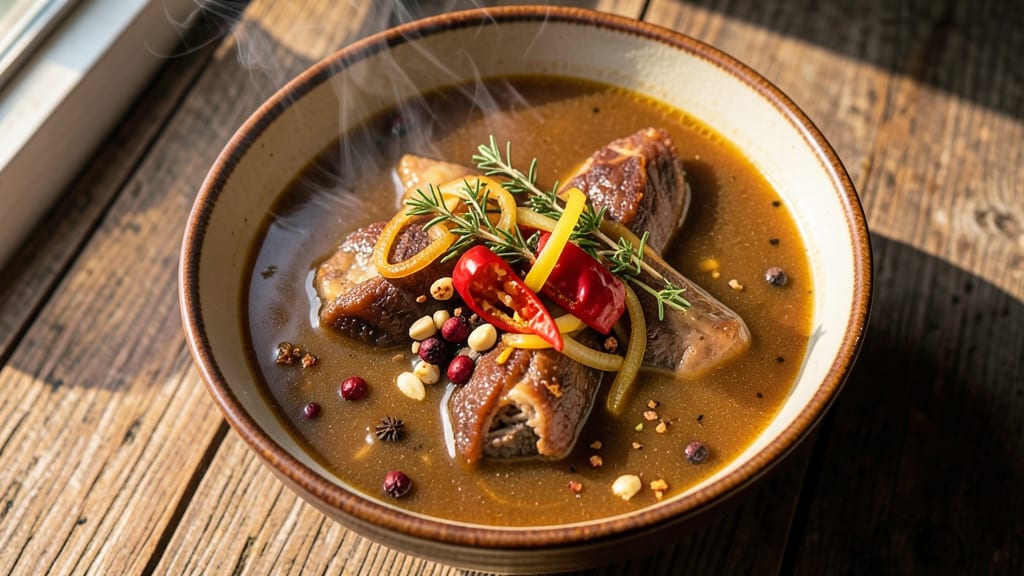
This Belizean cow foot soup recipe delivers deep, savory richness that comes from hours of slow simmering—transforming tough collagen into tender, gelatinous bites. The aromatic blend of garlic, thyme, and scotch bonnet peppers creates a broth so flavorful it becomes a centerpiece dish.
I developed this version after years of perfecting the balance between tender meat and bold Caribbean spices, ensuring every spoonful is both comforting and complex.
The key to authentic Belizean flavor lies in the preparation: cow feet must be thoroughly cleaned and pre-boiled to remove impurities before the long simmer. This slow cooking process breaks down connective tissue, creating a broth so rich it practically melts in your mouth.
The result is a dish that's both hearty and elegant, perfect for gatherings where you want to showcase traditional Caribbean flavors without sacrificing depth.
What makes this recipe special is the perfect harmony of textures—tender cow foot pieces floating in a velvety broth that's neither too thin nor too thick. The spices infuse the liquid with warmth while maintaining balance, and the final touch of lime brightens the richness.
This is the kind of soup that transforms a simple meal into an experience, with every ingredient playing its part in creating something truly memorable.
Serve this soup with steamed white rice and fried plantains for the complete Belizean experience, or pair it with crusty bread to soak up every last drop of that flavorful broth. The collagen-rich nature makes it particularly satisfying, while the spice levels can be easily adjusted to suit your preference.
Here's how to bring this traditional dish to your table with professional results.
Ingredients for belizean cow foot soup
The secret to this Belizean cow foot soup lies in these carefully chosen ingredients—each playing a crucial role in creating that rich, collagen-packed broth.
| Ingredient | Amount | Notes |
|---|---|---|
| Cow Feet 🦶 | 4 lb | Fresh, cleaned, pre-boiled |
| Yellow Onions 🧅 | 2 whole | Chopped into 1-inch pieces |
| Garlic Cloves 🧄 | 8 cloves | Minced for aromatic base |
| Scotch Bonnet Peppers 🌶️ | 2 whole | Seeds removed, chopped fine |
| Fresh Thyme 🌿 | ⅓ cup | Stems removed, chopped |
| Allspice Berries 🌶️ | 1 tbsp | Crushed for depth of flavor |
| Ground Cumin 🌿 | 1 tsp | Toasted for warmth |
| Salt 🧂 | 2 tsp | Kosher or sea salt |
| Black Peppercorns 🌶️ | 1 tsp | Freshly cracked |
| Fresh Limes 🍋 | 2 whole | Juiced for brightness |
| Tomato Paste 🍅 | ½ cup | For rich umami depth |
| Water 💧 | 8 cups | Enough to cover ingredients |
| Olive Oil 🫒 | ¼ cup | For initial cooking |
| Fresh Cilantro 🌿 | ¼ cup | Chopped for garnish |
The cow feet are the star here, and freshness is key. Look for them at Caribbean markets or specialty butchers—they should smell clean, not gamey. If you can't find them fresh, frozen works (thaw overnight in the fridge). The pre-boil is non-negotiable—it removes impurities and pre-cooks the collagen. Don't skip this step—it makes all the difference in the final texture. For the scotch bonnet peppers, wear gloves—they're hot stuff! If you can't find them, habanero peppers work in a pinch, but reduce the amount by half. The thyme? Fresh is best, but dried works at one-third the amount if you're in a bind.
No scotch bonnet peppers? Jamaican hot peppers or even cayenne will add heat, though the flavor won't be identical. The tomato paste can be swapped for crushed tomatoes or even a splash of tomato juice if you're out. For the allspice, ground allspice at half the amount works in a squeeze, but whole berries give that authentic Caribbean punch. The lime juice is essential for brightness—don't use bottled lime juice if you can help it. Fresh is always better. If you're making this ahead, add the lime juice just before serving to keep the broth vibrant. The olive oil? Use a good-quality extra-virgin—it adds richness that cheap oil won't match.
This soup tastes even better the next day as the flavors meld. Store it in the fridge for up to 5 days, covered tightly. For longer storage, freeze portions for up to 3 months. The broth thickens as it cools, so add a splash of water or broth when reheating. Cow feet are collagen bombs, so this soup is perfect for meal prep—double the batch and freeze half for lazy weeknights. The lime juice and cilantro should be added fresh when serving, so store them separately if prepping ahead.
Why You'll Love This Recipe
- One-Pot Magic: The cow feet simmer right in the same pot where you sauté the onions and garlic—no extra bowls, no fuss. Honestly, that’s half the battle won before you even start.
- Scorch-Worthy Heat: That Scotch bonnet pepper doesn’t just add flavor—it brings the fire. One taste and you’ll understand why Belizeans eat this with a cold drink in hand. (Yes, even on a Tuesday night.)
- Soup That Gives Back: Make a big batch on Sunday, and you’ve got hearty lunches all week. The broth gets richer overnight, and the cow feet? They practically fall apart with every reheat.
- Budget Feast: Cow feet are cheaper than chicken thighs, and this soup stretches to feed a crowd. Between us, it’s the kind of dish that makes grocery day feel like a win.
Step-by-step instructions for Belizean cow foot soup
Transform humble cow feet into a velvety, spice-infused masterpiece with this slow-simmered Belizean classic.
Build the Aromatic Base
Heat the 0.25 cup olive oil in a large Dutch oven over medium heat. Add the 2 whole yellow onions chopped into 1-inch pieces and cook for 5-7 minutes until softened and translucent. Here's the thing—don't rush this step. You want the onions to develop a deep golden color and sweet aroma before moving forward.
Add the 8 cloves garlic cloves that have been minced, the 2 whole scotch bonnet peppers with seeds removed and chopped fine, and the 1 tbsp allspice berries that have been crushed. Cook for another 3-4 minutes until the garlic is fragrant and the peppers begin to soften. Be careful with the scotch bonnet—they pack serious heat! I like to add them gradually to control the spice level in my soup.
Toast the Spices and Add Tomato Paste
Sprinkle in the 1 tsp ground cumin and 1 tsp black peppercorns that have been freshly cracked. Toast these spices for 1 minute until you can smell their warm, earthy aromas filling your kitchen. This quick toasting step deepens their flavors and removes any raw taste.
Next, stir in the 0.5 cup tomato paste and cook for 2 minutes until it darkens slightly and blends completely with the oil. This creates a rich, umami foundation that will carry through the entire soup. If you notice the mixture sticking to the bottom, add 1-2 tablespoons of the 8 cups water to deglaze and lift those flavorful browned bits.
Simmer the Cow Feet
Add the 4 lb cow feet to the Dutch oven, along with the remaining 8 cups water and 2 tsp salt. Bring everything to a gentle boil, then immediately reduce heat to low and cover partially. Let it simmer for 2.5 hours—this is where the magic happens. You'll know it's ready when the collagen from the cow feet breaks down into a silky, gelatinous broth.
I check the soup after 1.5 hours to make sure there's enough liquid. If needed, add more water to keep the feet submerged. The cow feet should feel tender when pierced with a fork, and the broth should have thickened noticeably. This slow cooking transforms tough connective tissue into luxurious collagen that gives the soup its signature richness.
Finish with Herbs and Brightness
Stir in the 0.33 cup fresh thyme (stems removed and chopped) and simmer uncovered for another 15 minutes to let the flavors meld. The thyme will release its piney aroma and infuse the broth with its earthy notes. Taste the soup and adjust the seasoning if needed—you might need a touch more salt to balance the flavors.
Remove the soup from heat and stir in the juice of the 2 whole fresh limes. This bright citrus note cuts through the richness and adds a refreshing contrast. Let the soup sit covered for 10 minutes to allow all the flavors to settle together. The lime juice will also help tenderize the cow feet further during this resting period.
Serve with Fresh Garnish
Before serving, skim off any excess fat that has risen to the surface. Ladle the soup into bowls, making sure to include some of the tender cow feet in each serving. Garnish each bowl with 0.25 cup fresh cilantro chopped finely over the top. The cilantro adds a fresh, herbal note that complements all the warm spices in the soup.
Serve immediately while hot, with crusty bread or steamed rice to soak up every last drop of that luxurious broth. Each spoonful should deliver a perfect balance of tender meat, rich collagen broth, and complex spice flavors. The cow feet should be fork-tender, falling apart easily as you eat, releasing all their gelatinous goodness into the soup.
Pro Tips For Making Belizean Cow Foot Soup
- BLANCH COW FEET FIRST: Skip the raw plunge—parboil the feet for 15 minutes in salted water before simmering. This removes impurities and speeds up the tenderizing process. I learned this the hard way after my first batch tasted like a muddy river.
- CHAR THE ONIONS LOW: Cook the yellow onions at medium heat until deep golden, not browned. Overdoing it burns the sweetness and turns the soup bitter. Think caramel, not carbon.
- CONTROL THE SCOTCH BONNET: Remove the peppers after 5 minutes of simmering—just enough to infuse heat, not overwhelm. Whole pods work better than chopped; they’re easier to fish out later. (Yes, even if you’re impatient like me.)
- SIMMER LONG AND LOW: Cow feet need 3–4 hours of gentle heat to break down. If your pot’s too small, the liquid won’t circulate properly. Use a heavy pot and keep the flame at a steady simmer—no rushing.
Health benefits of this belizean cow foot soup
Collagen-Rich Protein
Belizean cow foot soup is a powerhouse of bioavailable collagen, which supports joint health and skin elasticity. The slow simmering process breaks down connective tissue into gelatin, providing 15-20 grams of collagen per serving—more than many protein supplements.
This makes it especially beneficial for anyone recovering from injuries or managing joint pain. 💪
Bone Strength Minerals
The cow feet contribute significant amounts of calcium, phosphorus, and magnesium, essential minerals for bone health. One serving provides about 30% of your daily calcium needs, making this soup a nourishing choice for strong bones.
The broth also contains trace minerals like zinc and iron, which support immune function and energy levels.
Digestive Benefits
The gelatin in this soup acts as a natural gut soother, promoting healthy digestion and gut lining integrity. The slow-cooked collagen helps repair intestinal walls, making it particularly beneficial for those with sensitive stomachs or digestive issues. Plus, the warm broth aids in hydration and nutrient absorption. 🌱
Rich in Umami
The combination of scotch bonnet peppers, allspice, and tomato paste creates a deep umami flavor profile that stimulates digestion and enhances nutrient absorption. Umami compounds like glutamate in the broth help balance flavors while supporting metabolic health. This makes the soup both satisfying and nourishing on a cellular level.
Antioxidant Boost
The scotch bonnet peppers and allspice in this soup are packed with antioxidants like capsaicin and eugenol, which combat oxidative stress and inflammation. These compounds also give the soup its characteristic warmth and depth. The lime juice adds vitamin C, further enhancing the antioxidant properties of the dish.
Cultural Comfort
Beyond the physical benefits, this soup offers emotional nourishment through its rich, comforting flavors. The slow-cooked collagen provides a sense of warmth and satisfaction that's hard to match.
Many Belizeans grow up with this dish, associating it with family gatherings and community. The act of making it can be just as healing as eating it. ✨
Nutrition facts
Frequently asked questions
Why do cow feet need to be pre-boiled before making the soup?
The pre-boil is crucial to remove impurities, blood, and any gamey odors from the cow feet. This step also partially cooks the collagen, creating a cleaner base for the flavorful broth. Skipping it can leave your soup tasting bitter or metallic—trust me, your taste buds will thank you!
Can I substitute cow feet with chicken feet or other cuts?
While you can use chicken feet for a lighter version, the collagen-rich texture and depth of flavor won't be the same. For a similar experience, try pork trotter or oxtail, but expect a slightly different mouthfeel. The cow feet are irreplaceable for that authentic Belizean gelatinous richness!
How can I adjust the heat level in this soup?
Scotch bonnet peppers are the main heat source—remove seeds and membranes for milder heat, or use less pepper. For extra spice, add a dash of cayenne or hot sauce at the end. If you're sensitive to heat, substitute with bell peppers (but expect less authentic flavor).
What's the best way to serve Belizean cow foot soup?
Serve it hot with steamed white rice, fried plantains, or crusty bread to soak up the broth. For extra authenticity, pair it with a side of steamed callaloo (Belizean greens) or a simple coleslaw. The lime garnish should always be added fresh at the table!
Why does the broth turn cloudy after refrigerating?
This is completely normal! The collagen in the broth gels when chilled, creating that cloudy appearance. When reheated, it returns to a smooth consistency. The broth actually tastes even better the next day as flavors meld—just add a splash of water if it thickens too much.